





Introduction: Isolated Hermitages — Sicily’s Quiet Spiritual Retreats
Sicily — an island of sharp contrasts where the sea meets volcanic peaks and ancient history blends with folk tradition — also hides a rich constellation of hermitages and secluded sanctuaries. Perched on cliffs, tucked into forgotten valleys, or nestled inside nature reserves, these spots invite slowness, introspection and disconnection. For travelers seeking a spiritual experience, a meditative pause, or simply a contemplative setting away from the crowds, Sicilian hermitages are precious stops — valued not just for their religious significance but for the raw beauty of the landscape and the depth of local traditions that continue to thrive there.
This article is meant as a practical, general guide to some of Sicily’s most evocative hermitages. It blends immersive descriptions, access details, exact addresses, practical info (opening hours, entry fees where applicable), tips for visiting, and local recommendations to extend your retreat (simple accommodation, walking routes and small rules of respect to follow). The goal is to help you plan anything from a half-day retreat to a longer stay, suggesting sites reachable by car, sometimes on foot, and often through landscapes that naturally amplify the spiritual feel of the visit.
Hermitages in Sicily are not tourist attractions in the usual sense: many are still active places of prayer, maintained by small religious communities or local volunteers. Rules vary — mass schedules, access to hermit cells, or even the expectation of a small donation for upkeep. This guide emphasizes respect — in dress, noise and photography — and gives concrete tips to prepare your visit (when to arrive to avoid summer heat, how to equip yourself for rocky trails, where to find a local guide to better understand the history). In each section you’ll find practical details (exact address, approximate hours and fees) and suggestions to extend your day with walks, viewpoints or local tastings. The information is provided to help with planning, but because schedules and services can change, it’s wise to double-check local details before you go.
1. Santuario di Santa Rosalia (Monte Pellegrino, Palermo)
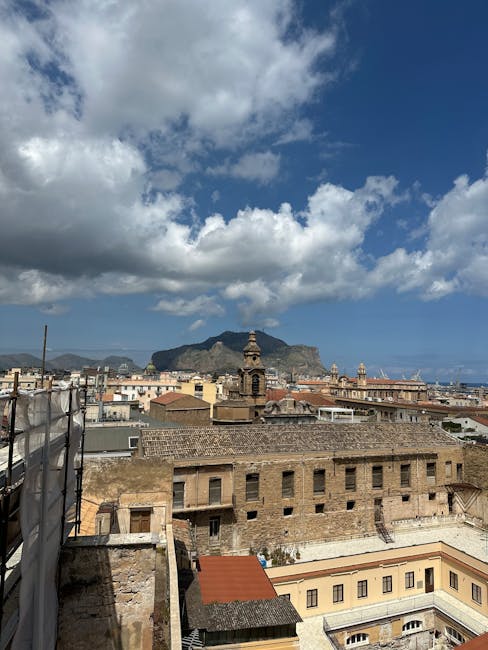
The Santuario di Santa Rosalia is arguably one of Sicily’s most iconic sanctuary-hermitages. Perched on the slopes of Monte Pellegrino, north of Palermo, it combines a spectacular panoramic position with a lively popular devotion: Santa Rosalia, the city’s patron saint, has been venerated here since the 17th century after being credited with ending a plague. The site offers breathtaking views over the Gulf of Palermo, rock-cut oratories and an atmosphere suited to quiet reflection.
Address: Santuario di Santa Rosalia, Via Monte Pellegrino, 90135 Palermo PA, Italy.
Getting there: From Palermo center the road up Monte Pellegrino climbs in hairpin turns. You can reach it by car (limited parking), taxi, or by the AMAT city bus service (numbers 812/813 depending on the season).
Opening hours: Open daily. Chapel: 07:00–12:00 and 15:00–18:30 (times may vary with celebrations). Sunday masses at 10:30 and 18:00. Check specific schedules around the patron saint festivities (fourth week of July).
Price: Free entry. Paid guided tours available by reservation through Palermo’s tourist office (from €5–10 per person depending on group size).
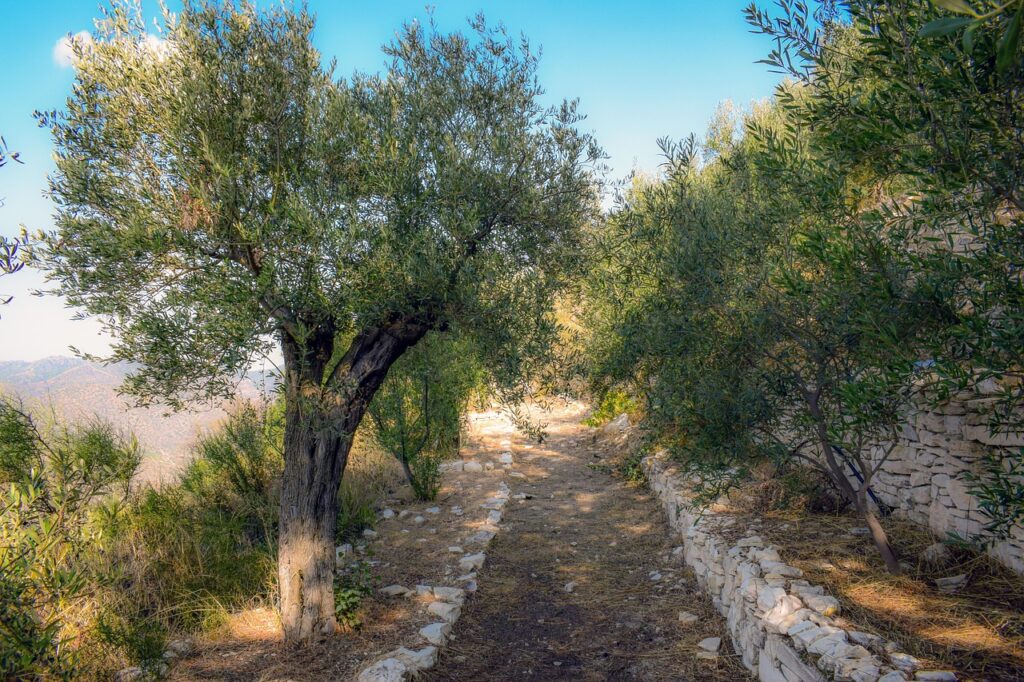
Immersive description: walk along a path lined with aloes and almond trees and the bay suddenly unfolds before you. The limestone has been carved by generations of worshippers, creating small niches and chapels. Inside the sanctuary you’ll find ex-votos, frescoes and a penitential atmosphere that naturally invites silence. At sunset the sanctuary’s silhouette stands out and the golden light transforms the stone into a warm embrace.
Local tips: arrive early for soft morning light and to avoid summer heat. Bring water and closed shoes if you plan to take side trails. Respect prayer areas: photography is generally allowed but no flash during services. After your visit, stop at the nearby viewpoint for a coffee and a sweeping view over Palermo.
2. Eremo di San Calogero (lineage and devotion in Sciacca)
The Eremo di San Calogero, near Sciacca, is a powerful example of a hermitage tied to a popular pilgrimage figure. San Calogero is invoked as a healer and protector of sailors; the hermitage, often set in a rural atmosphere, is a place of sincere devotion and age-old folk practices. The site combines a main sanctuary, rock-cut caves and pilgrimage paths that descend toward the coast.
Address: Santuario di San Calogero, Via San Calogero, 92019 Sciacca AG, Italy.
Getting there: Sciacca lies on Sicily’s southwest coast; the hermitage is reachable by car from the SP21, with parking near the sanctuary. You can also walk from the town center along a marked pilgrimage route.
Opening hours: Chapel open daily: 08:00–12:00 and 16:00–19:00. Sunday mass at 11:00. During the feast of San Calogero (early May) hours are extended and there’s a procession.
Price: Free entry. Donations for upkeep suggested: €2–5.
Immersive description: approaches often wind through olive groves and fragrant fields. The modest, serene sanctuary exudes an almost monastic simplicity. Inside, the image of San Calogero attracts supplicants and ex-votos: maritime objects, metal hearts, handwritten plaques. Nearby caves reveal natural niches that have sheltered hermits for centuries. In the calm of late afternoon, sea air mingled with the scent of rosemary creates a sense of fullness ideal for meditation.
Local tips: wear sturdy shoes to explore the caves and surrounding paths, especially after rain when trails can be slippery. If you visit during the local feast expect a lively atmosphere — processions, music and food stalls offering arancini and Sicilian pastries. Respect areas where services are held and ask permission before photographing people in prayer.
3. Eremo di San Corrado (Contrada San Corrado, Noto — penitential complex and panorama)
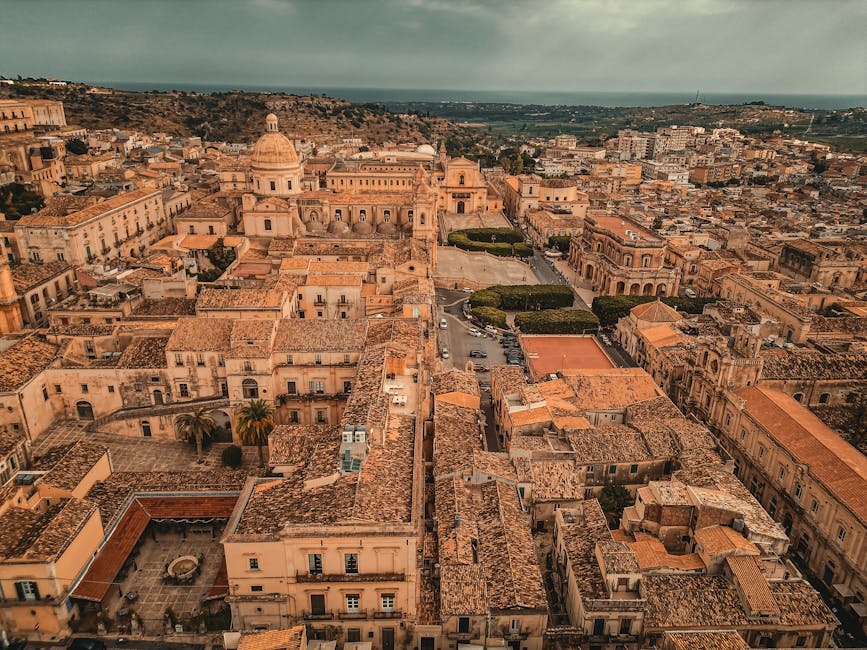
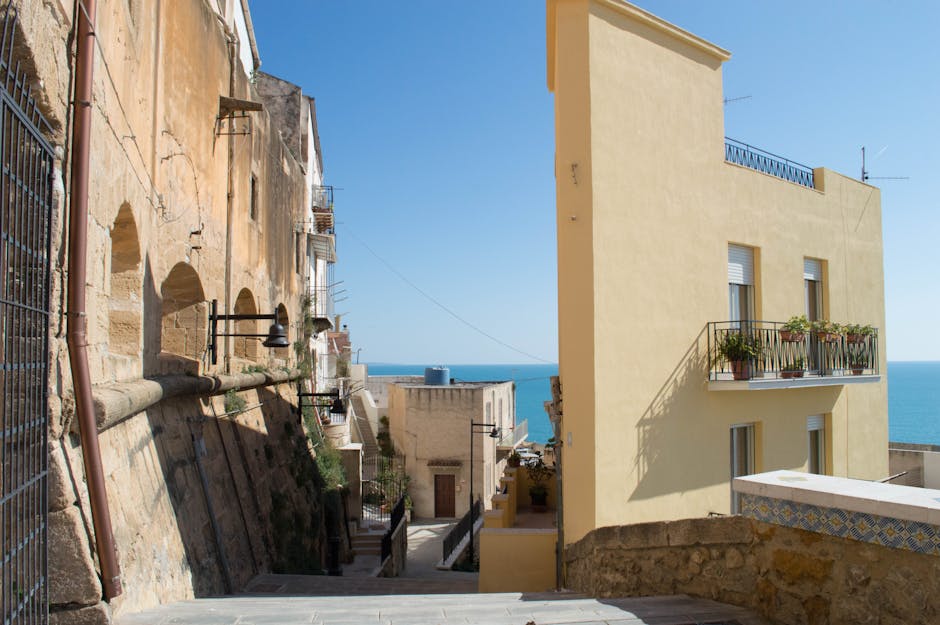
The hamlet of Noto and its surroundings are famous for Baroque architecture, but nearby you’ll also find quieter places of reflection like the Eremo di San Corrado. Tucked into a landscape of scrubland and dry-stone walls, this hermitage provides a calming counterpoint to the city’s theatrical Baroque: the experience here is intimate, rural, and the immersion in nature deepens the spiritual dimension.
Address: Eremo di San Corrado, Contrada San Corrado, 96017 Noto SR, Italy.
Getting there: From Noto take the SP19 toward the southeast countryside; the hermitage is reachable by car, followed by a short walk along an agricultural path. It’s recommended to park in the designated area and finish on foot to help preserve the site.
Opening hours: Open to the public during the day: 09:00–18:00 (closed at night). Occasional masses and local celebrations are posted at Noto’s parish church.
Price: Free entry. Voluntary contributions for site maintenance suggested (€3–7).
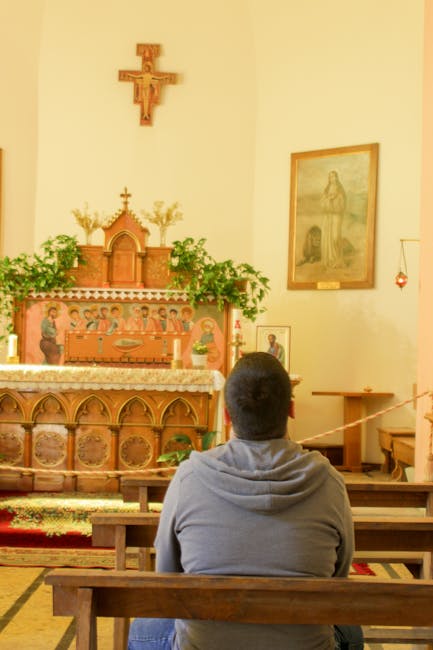
Immersive description: on approach you first hear cicadas and the wind in the almond trees. The small hermitage hugs a slope in pale stone, topped by a slender iron cross. Inside, simplicity prevails: a tiny nave, a few benches, icons worn by time. The surrounding panoramas look out over cultivated valleys, dry-stone walls and sometimes grazing flocks dotting the horizon. It’s an ideal spot for a half-day silent retreat — reading, writing or meditating facing the landscape.
Local tips: bring a cushion or small blanket if you plan to stay a while — seating is limited. Take advantage of Noto’s proximity to combine a spiritual morning at the hermitage with an afternoon wandering the Baroque streets. Don’t leave trash behind and heed signs that mark protected agricultural areas.

4. Convento dei Cappuccini (Palermo) — a cloister, catacombs and a simple urban retreat
The Convento dei Cappuccini in Palermo, often associated with its adjacent catacombs, is a place where monastic life and contemplation meet. Although it sits within the urban fabric, the cloister offers surprising seclusion: enclosed gardens, frescoes, simple cells, and for those who accept the historical weight, the nearby Catacombe dei Cappuccini bring a strong sense of memory and humility.
Address: Convento dei Cappuccini di Palermo, Via Cappuccini, 1, 90129 Palermo PA, Italy.
Getting there: Located in Palermo’s northern quarter, it’s easy to reach from the center by taxi or bus. Main entrance on Via Cappuccini.
Opening hours: Cloister and chapel open to the public 09:00–13:00 and 15:00–18:00. Catacombs guided visits: 09:30–12:30 and 15:30–17:30. Closed Tuesday mornings for services. Times may vary by season.
Price: Cloister access: free. Catacombe dei Cappuccini visits: €6–8 (reduced rates for students and seniors). Donations to the convent are appreciated (suggested €2–5).
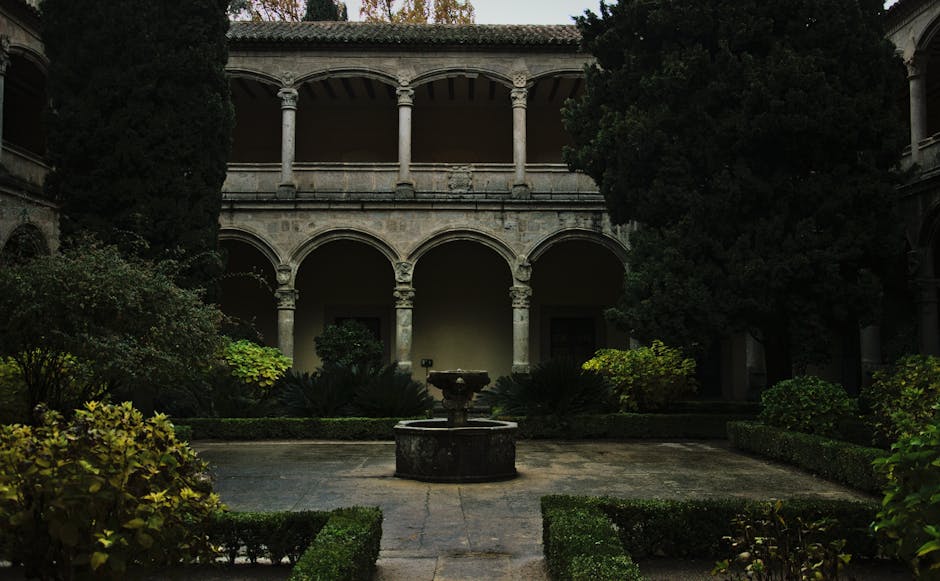
Immersive description: stepping into the cloister you immediately notice a drop in temperature and a different kind of silence, almost sculpted. Stone, centuries of patina and arches create a microclimate where thoughts slow down. The Capuchin friars’ cells are austere: a bed, a table and occasionally a small window framing a sliver of sky. For those seeking a simple urban retreat, these spaces let you withdraw without leaving the city.
Local tips: visiting the catacombs requires discretion and respect — photography is prohibited in some areas and silence is requested. Ask at the entrance about days when you can attend a communal prayer; the convent can also direct visitors to partner monastic guesthouses (simple accommodation often by reservation) if you want to extend your retreat.
5. Eremo della Madonna dell’Altare (Agrigento region — retreats in the heart of the scrubland)
The Eremo della Madonna dell’Altare, in the province of Agrigento, is a small sanctuary often overlooked by mainstream routes. Right in the middle of Mediterranean scrubland, it’s ideal for silent retreats, spiritual reading and contemplative walks. It appeals to solitude seekers and hikers who enjoy little-used paths.
Address: Eremo della Madonna dell’Altare, Contrada Altare, 92100 Agrigento AG, Italy (take the SP6 from Agrigento and follow local signs).
Getting there: Primary access is by car to a rural parking area, then a 15–25 minute walk on a marked but stony path to the hermitage. Good footwear recommended.
Opening hours: Open during daytime 08:00–17:30. Masses on local public holidays. The site is usually closed at night for safety and conservation reasons.
Price: Free. Donations for maintenance suggested: €2–5.
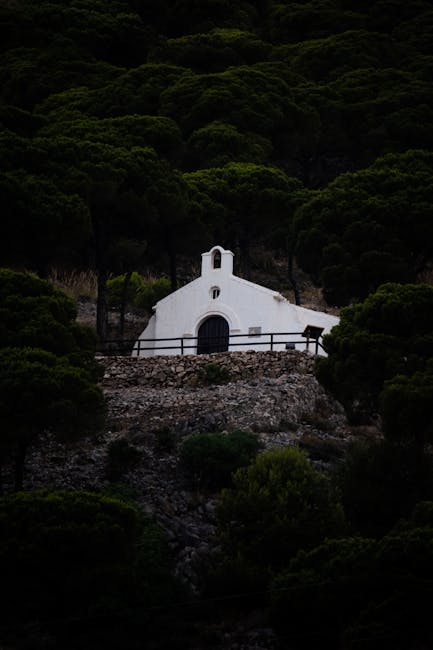
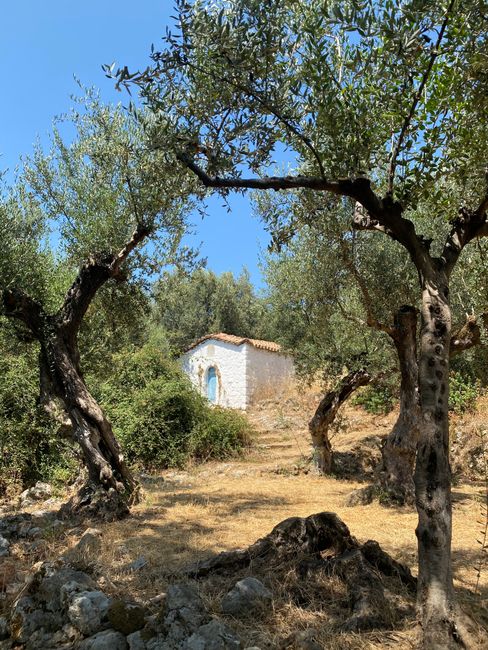
Immersive description: the panorama is marked by olive groves, low stone walls and the dry light typical of southern Sicily. The hermitage itself is a small white stone chapel with a shaded picnic area beneath an old fig tree. Birdsong and the hum of insects replace urban noise, and the scent of wild thyme wraps around visitors. For those seeking a modest retreat, this is a place of quiet clarity.
Local tips: bring plenty of water (it can get very hot) and a hat. Pack provisions if you plan a quiet picnic. Let someone local know if you intend to stay late or hike nearby, as mobile coverage can be spotty.
6. Eremo di Santa Maria al Bosco (nature reserve, trails and solitude)
The Eremo di Santa Maria al Bosco is a small sanctuary on the edge of a nature reserve — a place that mixes ecological richness with spiritual vocation. Retreats here are often punctuated by walks through oak woods, hiking trails and wildlife observation points. It’s a great fit for those who want to combine silence, prayer and immersion in nature.
Address: Eremo di Santa Maria al Bosco, Via della Riserva, Località Bosco, 93010 (municipality depending on location), Sicily, Italy. (Check specific access details with the local nature reserve office.)
Getting there: Most visitors reach the hermitage by car on small country roads; there is parking on-site or nearby, then a short walk along a woodland path. Access may be limited during forest works or summer fire-prevention periods.
Opening hours: Daytime access: 08:00–18:00 (variable). The reserve may impose specific hours — check with the local park office. Guided naturalist walks are organized by reservation (indicative price €10–15 per person).
Price: Free entry to the hermitage. Participation in reserve activities: €5–15 depending on the program.
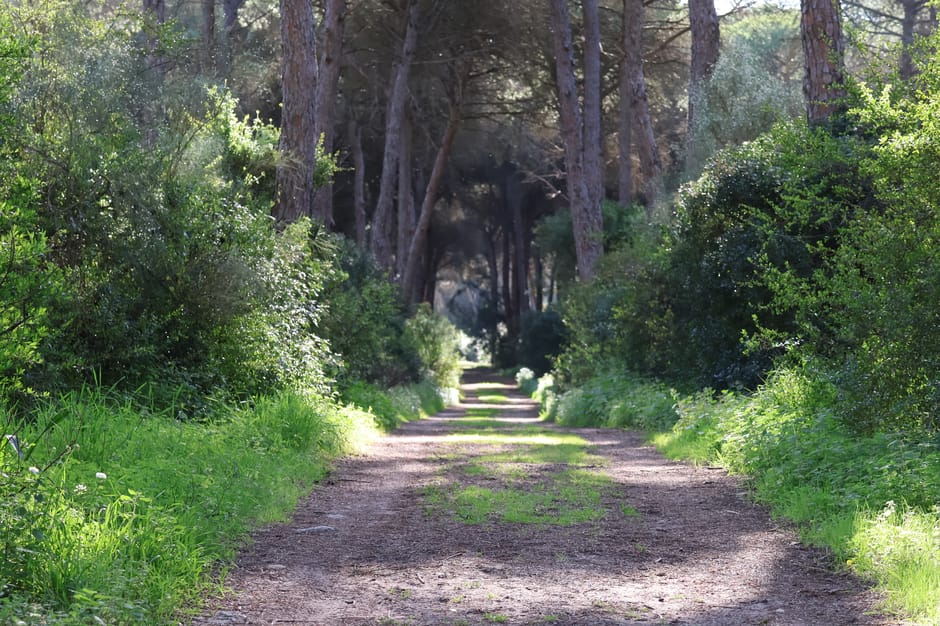
Immersive description: walking through the bosco (wood) before reaching the hermitage resets your rhythm: rustling leaves, resin-scented air, dappled light. The chapel appears among the trees, simple in design with benches for meditation. Retreats can be self-guided (a day of silence) or part of reserve-led programs (guided walks, mindfulness workshops in nature). Interacting with the biodiversity makes the experience more grounded and sensory.
Local tips: check which trails are marked and respect signs protecting wildlife. In summer, go early to avoid heat and restrictions tied to fire risk. Bring a basic first-aid kit and a reusable water bottle. Nearby communities often offer rural stays (agriturismi) if you want to extend your retreat.
Conclusion: Planning a spiritual retreat in Sicily — practical and ethical tips
Sicily’s isolated hermitages offer a range of experiences: from cliffside sanctuaries on Monte Pellegrino to little chapels lost in the scrubland of Agrigento, each site gives access to a distinct form of silence and contemplation. To get the most from a spiritual retreat in Sicily, follow some practical and ethical principles. First, always check opening hours and availability — many of these sanctuaries are run by small communities and schedules can change with religious celebrations or seasons. Call or consult the local parish website before you set out, especially if you plan to attend a mass or request hospitality.
Next, adapt your gear: sturdy hiking shoes, a hat, water, a small cushion for sitting in chapels, and respectful clothing (shoulders and knees covered in places of worship). If you plan to hike between hermitages, download offline maps and tell someone your route. Donations are common to help keep sites maintained; bring a few euros (€2–10 depending on the size of the sanctuary) and drop them in the available collection boxes.
On conduct: remember these places are sacred — keep quiet, respect worshippers, ask permission before photographing people in prayer, and no flash during services. For catacombs and other funerary spaces, strictly follow access rules and staff directions. Attending a local mass or chatting with a brother or sister at the site can deeply enrich your visit — most communities are welcoming when approached with respect and sincerity.
Finally, consider extending the experience: hermitages naturally pair well with other slow activities — spiritual reading, mindfulness workshops, walks in nature reserves, or immersion in local traditions (patron saint festivals, chants, simple regional cuisine). Small rural lodgings (agriturismi, B&Bs) near hermitages often offer authentic, uncomplicated hospitality, perfect for deepening a multi-day retreat.
In short, Sicily invites a rediscovery of slowness. Its isolated hermitages open onto a spirituality rooted in land and sea, panoramas that widen the gaze, and popular devotional practices where history, nature and interiority converse. Plan ahead, show respect, walk slowly and let Sicilian light transform your time of retreat.