





Introduction: The Sicilian infiorata — floral carpets and fleeting artworks
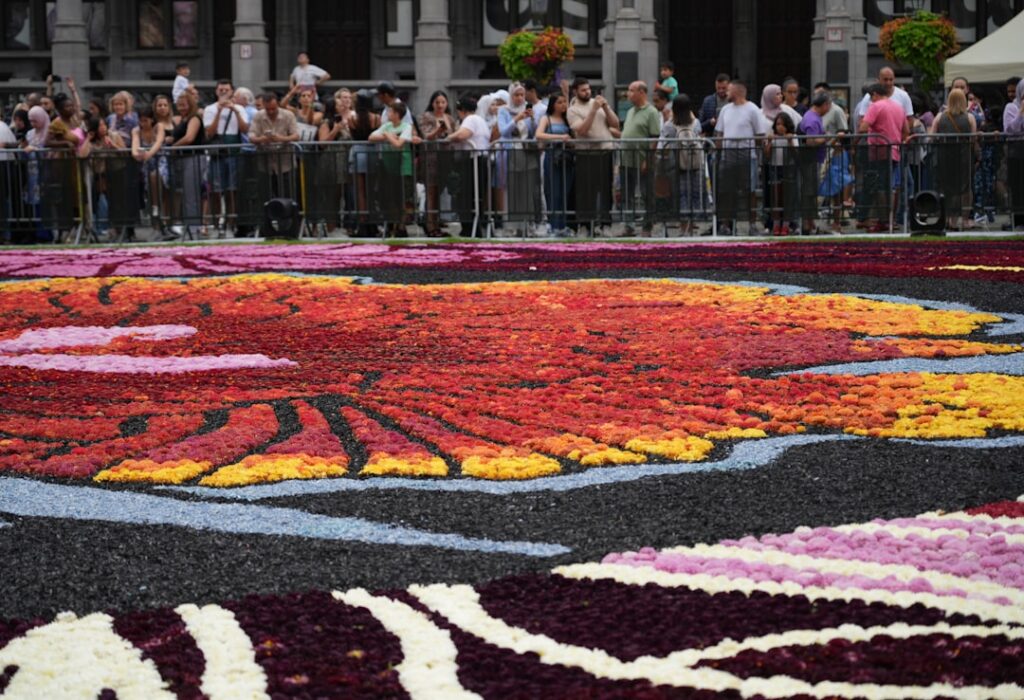
The infiorata is a deeply rooted artistic and popular tradition in Italy; in Sicily it takes on a special character thanks to the baroque backdrop, weathered narrow streets and a floral palette drawn from Mediterranean gardens. These “flower carpets” are temporary floor mosaics made from petals, leaves, floral powders and sometimes coloured materials, composing religious scenes, geometric patterns or contemporary tributes. The result is a collective, fragile and spectacular work: an aesthetic performance that lasts from a few hours to several days depending on weather and local custom.
In Sicily the most famous infiorata takes place every spring in Noto, in the province of Siracusa, where the main street and Piazza Municipio (Piazza del Municipio, 96017 Noto SR, Italy) turn into a grand stage of colour. But the practice also exists in other baroque towns on the island — notably Scicli and Modica — and in some villages during patron saint festivals. These events mix local florists, volunteers, religious brotherhoods and contemporary artists. Visitors can watch a sequence of stages: preparing the transfer cartoons, methodically laying the petals, and then the reveal — often a quiet moment — when the protective canvases are lifted.
Attending an infiorata in Sicily is a sensory ritual: the scent of flowers, the crunch of footsteps on warm stone, sunlight bringing out ephemeral textures. It’s also an opportunity to learn traditional techniques (sorting petals, calibrating hues, respecting proportions) and meet locals — often the same families who have kept the custom alive for generations. For travellers the experience takes some planning: pick the right spots, know the installation and reveal schedules, expect crowds (sunny days draw bigger audiences) and respect preservation rules (don’t walk on the carpets, avoid harsh flash photography).
This practical guide covers everything: how to get to the main sites, exact useful addresses (tourist offices, key squares), usual event times, possible costs (entry, associated exhibitions, guided tours) and local tips for photographing and respecting the displays. It also includes practical information on nearby accommodation and dining, so your infiorata visit becomes a memorable and responsible moment. Finally, suggestions to extend the experience through workshops, small museums or walks through Sicilian baroque will help you plan your route. Whether you’re a photographer, art lover or curious traveller, the Sicilian infiorata offers a unique spectacle: a living, ephemeral art that tells the story, faith and inventiveness of local communities.
Noto: the Sicilian capital of the infiorata — places, access and practical flow
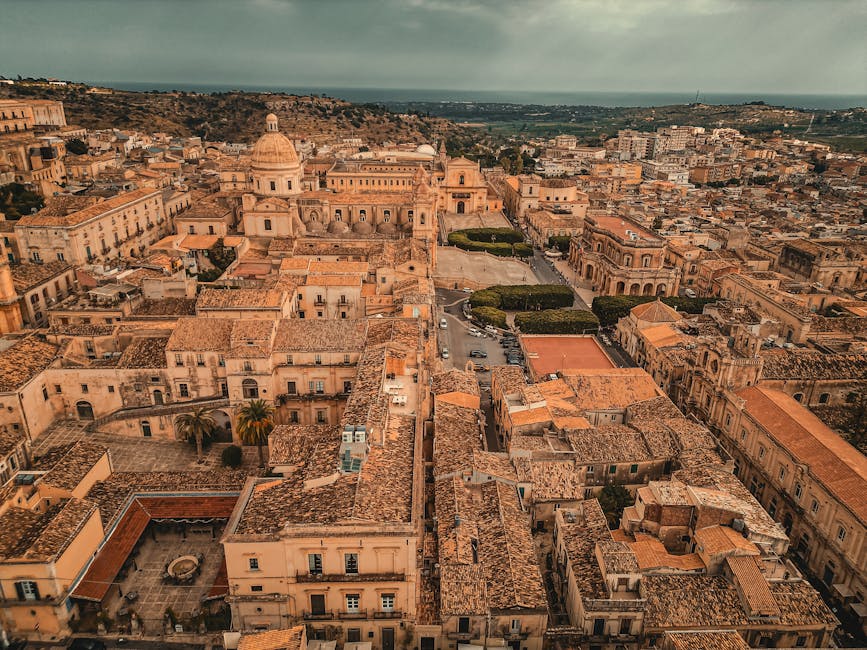
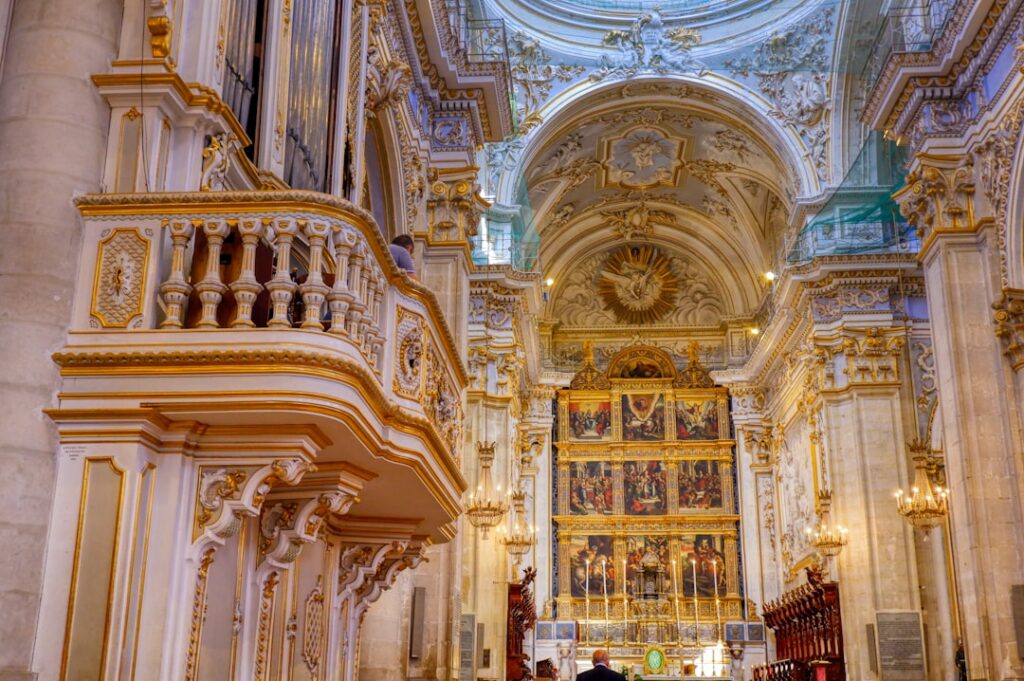
Noto, a UNESCO World Heritage site for its baroque ensemble, is the heart of the Sicilian infiorata. The most involved locations are the Cathedral of San Nicolò (Piazza Municipio, 96017 Noto SR, Italy), Palazzo Ducezio (Piazza Municipio, 96017 Noto SR, Italy) and Corso Vittorio Emanuele (the city’s main pedestrian thoroughfare). The main event usually takes place in spring, often on the third weekend of May, but dates can vary: check with the Comune di Noto – Tourist Office (Via Corrado Nicolaci 34, 96017 Noto SR; phone +39 0931 874040) to confirm. Access to the infiorata zone is generally free; cordoned areas allow spectators to view without stepping onto the floral carpets.
Typical schedule for an infiorata day in Noto:
- Morning (6:00–10:00): drawing preparation and laying of petals. Some volunteer teams allow observers to watch the technique. Indicative times: 06:00–10:00.
- Midday (11:00–15:00): finishing touches and additions; the area is often animated by musicians and occasional religious processions.
- Evening (16:00–21:00): public reveal and prime photo time, very popular. The visual spectacle is best in late afternoon when the golden light enhances textures.
Practical tips: arrive early to avoid crowds and take advantage of the best light; wear flat, comfortable shoes as Noto’s streets are paved. Respect signage and volunteer staff: stepping on a flower carpet is strictly forbidden. For a deeper look, book a guided tour through the tourist office (typical prices €10–25 per person for a themed 60–90 minute tour). After the event, enjoy local specialties along Via Corrado Nicolaci and Corso Vittorio Emanuele — several cafés and restaurants stay open late in season.
Other Sicilian locations and related experiences: Scicli, Modica and small village infiorate
Beyond Noto, several towns in the Val di Noto and other baroque areas stage their own flower carpet events. In Scicli (Province of Ragusa), the infiorata is often part of local religious festivities and Holy Week ceremonies. The key contact is Comune di Scicli – Tourist Office, Corso Mazzini 1, 97018 Scicli RG, phone +39 0932 961020. In Modica, famous for its chocolate traditions, floral creations sometimes appear on Via Marchesa Tedeschi and near the Duomo di San Giorgio (Piazza Duomo, 97015 Modica RG). These events tend to be smaller and free, offering close contact with local artisans and a more intimate format.
In smaller villages like Ispica or certain centres in the province of Agrigento, infiorate may be organized for Corpus Domini processions. These flower carpets often follow religious themes: biblical scenes, saint portraits or symbolic motifs. The small infiorate have the advantage of being less touristy and allow direct conversations with the creators: asking at the local church (for example Parrocchia Madre Santissima Annunziata in Scicli, Via Francesco Mormina Penna 3, 97018 Scicli RG) often yields precise information on crafting times and local traditions.
Local tips: look for announcement boards in parish offices and follow municipal Facebook pages outside high season. Respecting the lifespan of the works is essential: don’t sit on edges, keep pets away and strictly observe cordoned areas. Note that these village events are generally free for visitors, but it’s appreciated to support local associations (donations or buying local products) to help cover materials and organization.
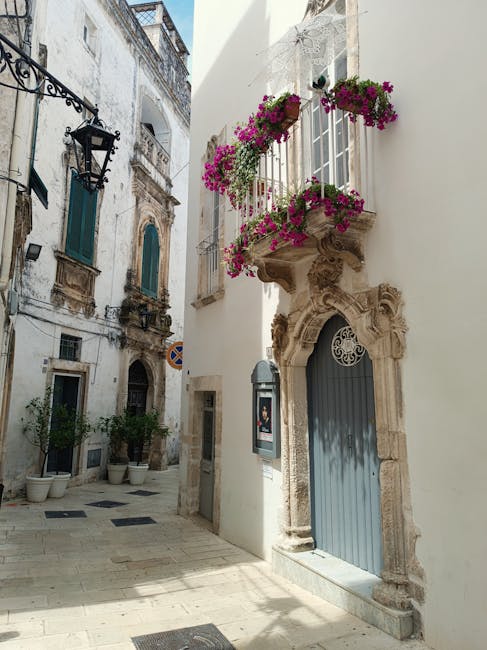
Workshops, museums, practical tips for photographers and travellers
To extend the infiorata experience there are several practical and cultural options. In Noto, the Museo Civico di Noto (Corso Vittorio Emanuele 137, 96017 Noto SR) sometimes keeps archives and photographs of past infiorate; usual opening hours: 09:30–13:00 / 16:00–19:30 (closed Monday) — approximate admission €5–8. Many artisans run workshops lasting one to three hours where you can learn to sort and lay petals; prices typically range from €20 to €50 per person depending on duration and format (materials included).
For photographers, here are some detailed recommendations:
- Gear: a wide-angle lens (24–35mm) to capture an entire carpet, a 50mm for details and a light tripod for late-afternoon shots if local authorities permit it.
- Settings: favor low ISO (100–400) for rich colours, use a shutter speed suited to the light (1/125s or faster in daylight), and prefer low-angle morning or evening light to bring out textures.
- Ethics: always ask before photographing people or religious processions; avoid direct flash on the works and respect security cordons.
Additional practical tips:
- Transport: Noto is reachable by train from Siracusa (Siracusa station, Piazza della Stazione, 96100 Siracusa SR) then by bus or taxi (journey 30–40 minutes). Local taxis and AST buses offer regular seasonal connections.
- Accommodation: to stay close to the action, book early (May); suggestions: Hotel Villa Favorita (Via Silvio Spaventa 16, 96017 Noto SR, approximate €90–180 per night depending on season) or B&Bs in the historic centre (€50–120).
- Dining: try the local pasticceria (cannoli, cassata) and seafood dishes — many restaurants on Corso Vittorio Emanuele and Via Corrado Nicolaci offer menus from €15–25 per person.
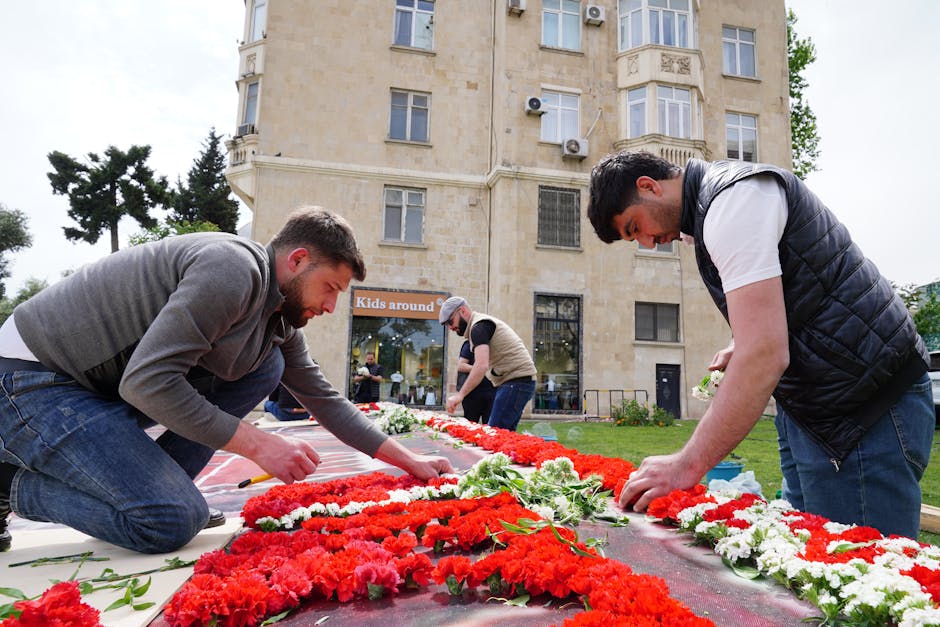
Rules of respect and best practices during an infiorata
Infiorate are collective, ephemeral works; to help preserve them observe the following rules: respect barriers, follow staff instructions, avoid smoking nearby, don’t touch the petals, and use lens filters to protect photographic images rather than strong flashes. If you want to support the event, contribute to parish funds, buy local souvenirs or take part in a workshop. These gestures help finance materials (flowers, coloured powders, canvases) and logistics (security, cleaning).
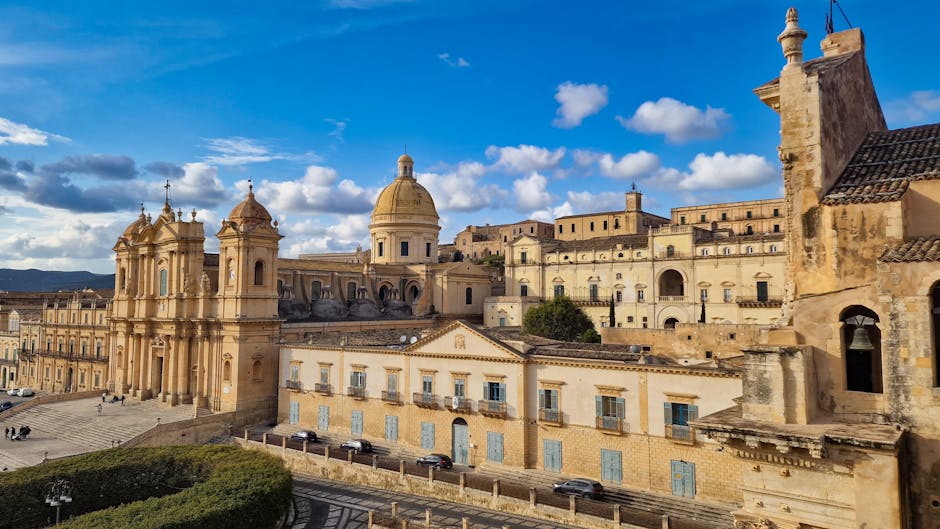
Conclusion: experiencing the infiorata in Sicily — between fragility and memory
The Sicilian infiorata is far more than a visual show: it’s a ceremony of memory, a communal act and a living testimony to the bond between art, faith and the land. In Sicily, each flower carpet tells a story — religious, historical or purely aesthetic — and unfolds in a fragile dialogue with light and wind. For the visitor the infiorata is an invitation to slow down: watch the artisans’ gestures, listen to local conversations, breathe in the scents and realise that art can be ephemeral yet deeply revealing of a culture.
Planning your visit requires a little preparation: check with tourist offices (for example Comune di Noto – Tourist Office, Via Corrado Nicolaci 34, 96017 Noto SR, +39 0931 874040), verify dates and times, book accommodation and — if desired — a workshop or guided tour. Entrance to infiorate is usually free, but ancillary costs (museums, workshops, guided visits) vary from €5 to €50 depending on the service. Remember that the most rewarding experience comes from respect and discreet participation: photograph thoughtfully, support local groups and take time to talk with residents.
Whether you plan a trip focused on the infiorata or want to include it in a Sicilian baroque itinerary (Noto, Modica, Scicli, Ragusa Ibla), the key is to arrive curious and respectful. Flower carpets don’t last, but they leave images, encounters and sometimes a desire to return. Keep the tips in this guide in mind: favour soft light, research ahead, respect the works and, if possible, book a local activity to deepen your understanding. You’ll leave not just with photos, but with a living memory of a Sicily that knows how to turn the everyday into passing art.