




Introduction — Hidden Gothic Basilicas of Sicily: a trip off the beaten path
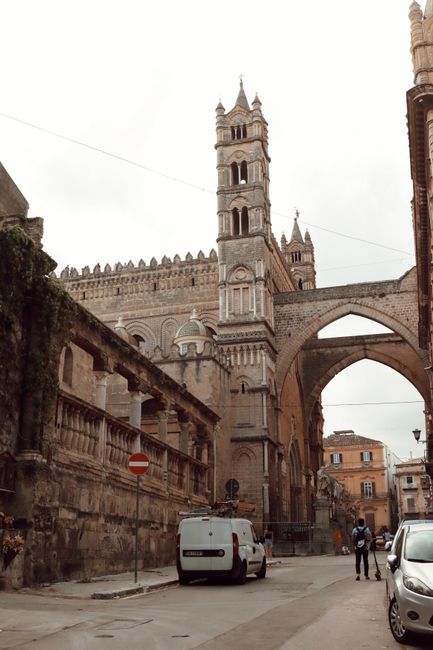
Sicily captivates with striking contrasts: sunlit beaches, volcanic craters, baroque towns and Byzantine mosaics. But beyond the usual must-sees — Palermo, Taormina, the Valley of the Temples — lie less-publicized witnesses to a layered architectural memory: basilicas and churches where Gothic style was transformed, blended and adapted to the island’s climate and the many cultures that passed through.
This guide aims to lead you to those lesser-known Gothic sites, where stone tells the story of exchanges between the Iberian peninsula, the Norman realms and local lordships. Here, Gothic takes unexpected shapes: pointed arches mingling with stripped-back vaults, eastern domes softening the lines, austere façades pierced by Catalan motifs. These buildings may not compete with the opulence of the Val di Noto’s baroque cathedrals; they charm through intimacy, atmosphere and traces of everyday life that still linger — processions, confraternities, artisan workshops.
As you read on, you’ll find immersive descriptions, exact addresses, opening hours and indicative prices, plus practical tips to make the most of your visit. Times and fees can change with the season and local events (services, concerts, restorations), so we recommend checking details before you go. Each place here promises a sensory experience: the resonance of a choir, dust turning golden in a narrow clerestory, the roughness of a hand-height carved capital.
Sicily’s Gothic basilicas are often woven into the urban fabric — alleys, squares, markets — and discovering them pairs perfectly with a Sicilian coffee, a cannolo or a glass of Marsala. This guide favors slow, respectful exploration: linger, study the carved details, read the information panels, talk to priests or parish volunteers. That’s how the island’s soul reveals itself: every stone bearing the imprint of many histories.
1. Basilica di Santa Maria dello Spasimo — Palermo (ruin, late Gothic repurposed)
Address: Via dello Spasimo, 21, 90133 Palermo PA, Italy. Practical info: located in the Kalsa district, within walking distance from Piazza Marina (around 10–15 minutes).
Opening hours (indicative): usually open from 09:30 to 19:00. Closed on some religious holidays or during private exhibitions; check with the Ufficio Turismo di Palermo. Fees: general entry is free in most cases, though there may be paid admission for temporary exhibitions (roughly €3–8).
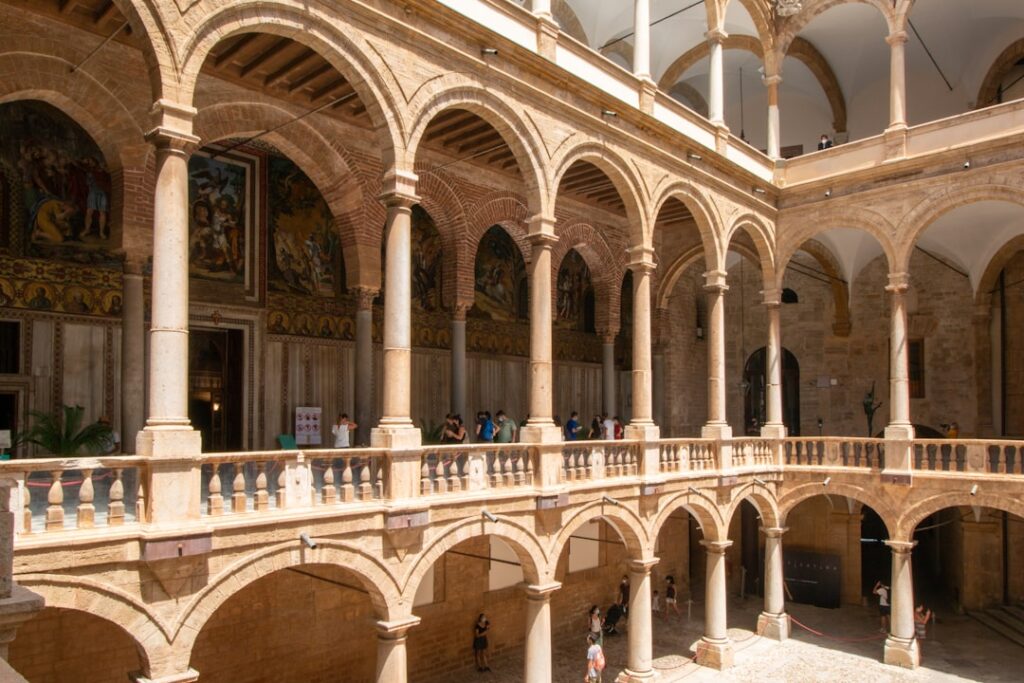
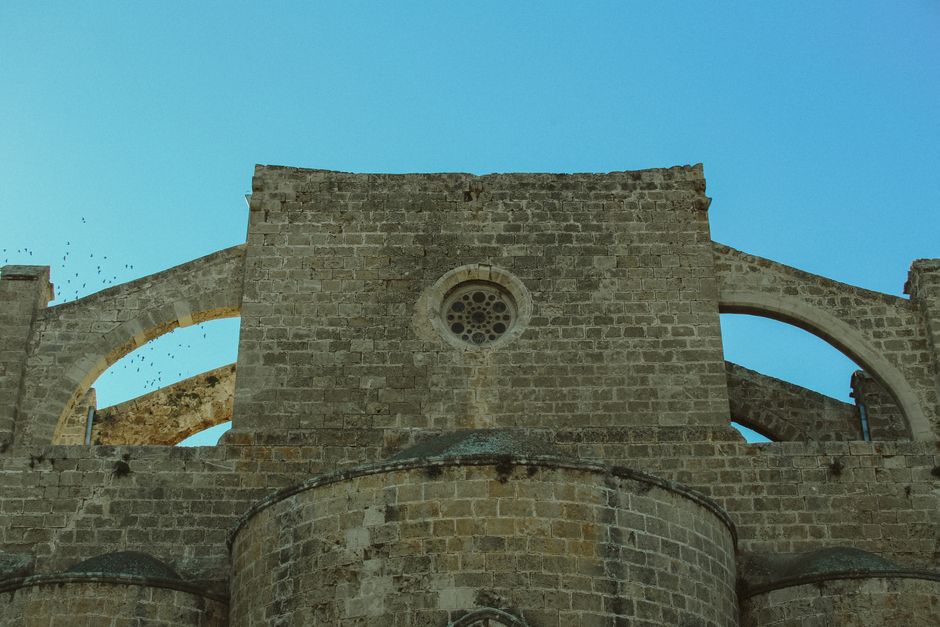
Immersive description: Santa Maria dello Spasimo is one of Palermo’s most evocative spots. Rather than a fully intact basilica, it’s a partially ruined structure turned into a cultural venue. Its roofless nave creates an “open-air cathedral” where Sicilian light traces the silhouettes of pointed arches and buttresses. The architecture shows late Gothic influenced by Catalan-Aragonese models — the ogival arches are simple but expressive, and the limestone has warmed to a chalky, tactile patina.
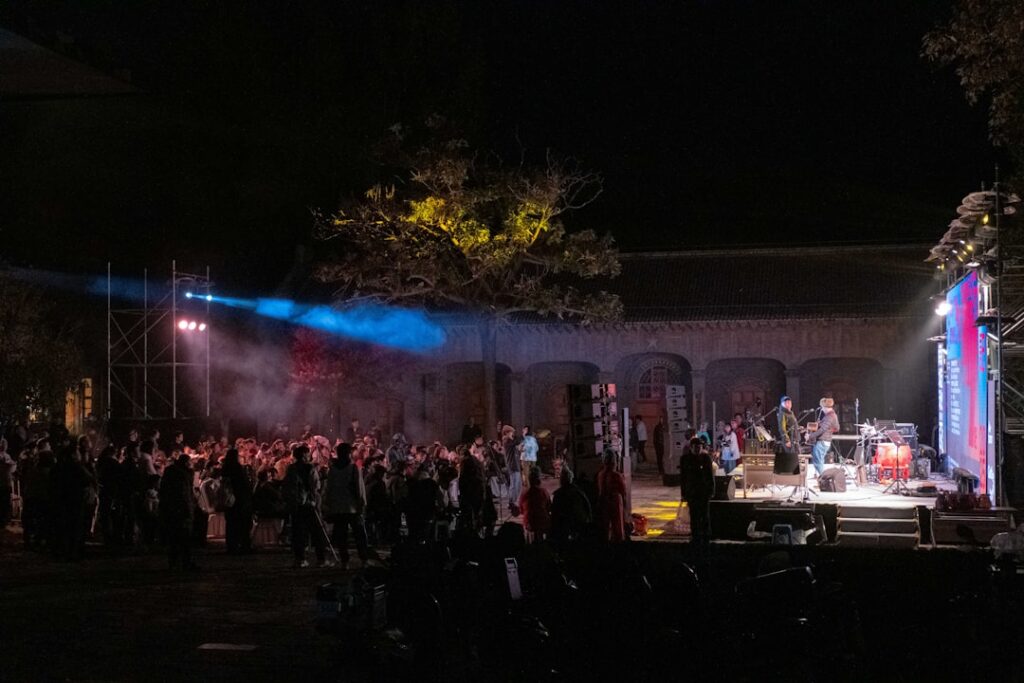
Local tips: bring a hat and water in summer — the heat is strong at midday and there’s little shade. The site often hosts concerts and screenings — check the calendar, because a visit can turn into a unique musical experience. Photography is welcome but respect closed-off areas and private events. Take advantage of the nearby Kalsa markets for a food break after your visit.
2. Basilica di Santa Maria della Catena — Palermo (Catalan-Gothic, heart of the Albergaria district)
Address: Piazza della Catena / Via Maqueda area, 90133 Palermo PA, Italy. (Small building located near Piazza della Kalsa and the Mercato di Ballarò). Check a local map for precise location before you go.
Opening hours (indicative): usually open from 10:00 to 13:00 and 16:00 to 19:00; closed during Sunday morning mass. Fees: free entry, donations appreciated (suggested €1–3 for upkeep).
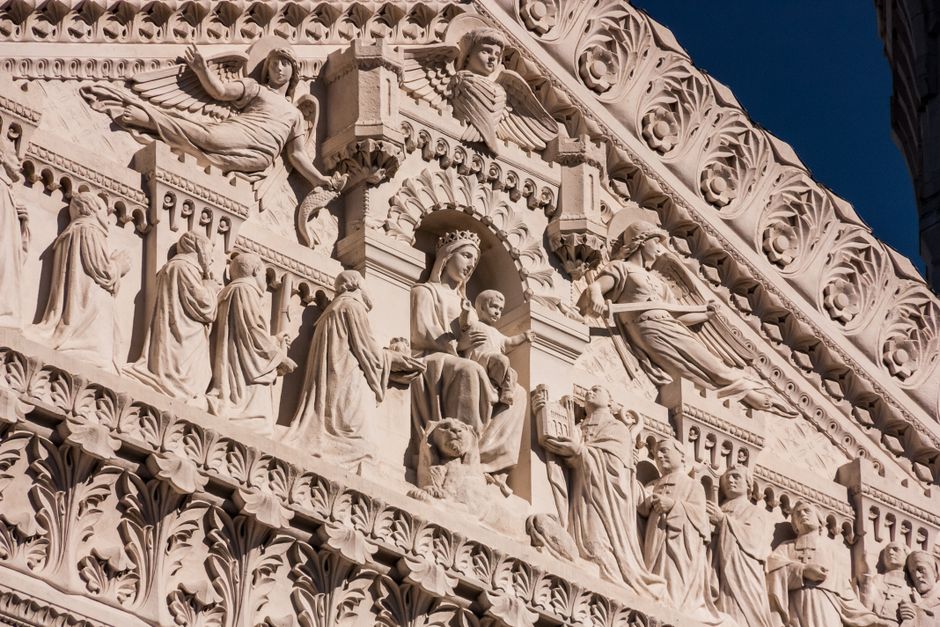
Immersive description: The Basilica di Santa Maria della Catena is a fine example of how Gothic language was adapted to urban Sicilian settings. From the outside, the façade keeps an almost defensive restraint, marked by an ogival portal, simple cornices and a few carved details recalling Catalan art. Inside, the narrow nave creates an intimate atmosphere; modest stained glass windows form light panels across the columns. You’ll notice the hand of local craftsmen who blended Gothic elements with later decorative insertions (baroque touches and altarpieces).
Local tips: visit early in the morning to enjoy quiet before nearby markets open. Hunt for hidden treasures: a funerary plaque with a medieval coat of arms, ex-votos and small side chapels often run by local confraternities. Keep quiet, especially during services. The surrounding alleys hide excellent pasticcerie for a coffee and a slice of sfincione (Sicilian pizza) after your visit.
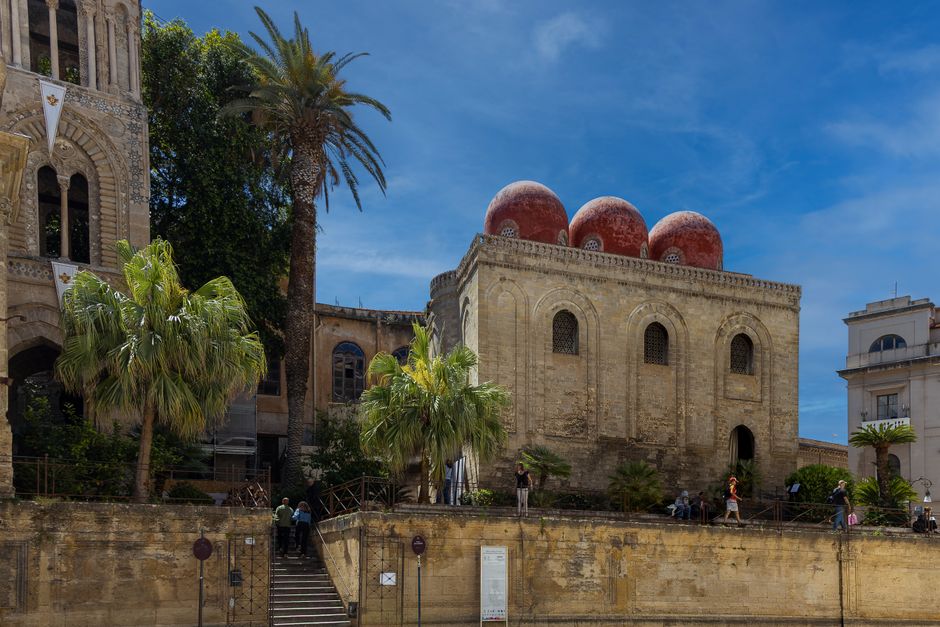
3. Basilica di Santa Maria dello Spasimo — the medieval spirit reinterpreted (heritage and cultural use)
Note: this second section on the Spasimo approaches the building from a heritage and contemporary-use perspective, important for understanding how a lesser-known Gothic basilica fits into modern Sicilian urban life.
Contemporary uses and conservation: Santa Maria dello Spasimo shows how a Gothic building can survive through adaptive reuse. Roofless since the modern era, the nave hosts exhibitions, artist residencies and open-air concerts. Recent restorations have focused on stabilizing the walls, cleaning capitals and highlighting the remaining arches without invasive reconstructions. On site, informational panels (usually in Italian and sometimes in English) outline the building’s history, foundation and phases of decay.
Recommended experience: join a guided tour if available (they run irregularly) or follow a local brochure. The best time to photograph the site is during the “golden hour” — just before sunset — when the stone turns golden and the arches’ shadows create dramatic patterns. If you attend a concert, opt for early music or jazz events that complement the venue’s unique acoustics.
Practical tips: you can reach it by public transport (city buses from Palermo Centrale station) or on foot from Piazza Marina. For visitors with reduced mobility, inquire ahead: the ground is uneven and some areas are only partially accessible. Support conservation with a small donation at the entrance or by buying publications sold on site.
4. Gothic basilicas tucked inside smaller towns — examples and suggested routes
Across Sicily’s medium-sized towns and villages you’ll find many small basilicas and chapels that preserve Gothic elements: pointed arches, ogival portals, simple bell towers. These spots are often less famous but richly rewarding for those who look closely. Here are suggested routes and points of interest to combine on a regional itinerary.
- Northwest route (Palermo and surroundings): pair Santa Maria dello Spasimo with the small church of San Francesco d’Assisi alla Kalsa and chapels around the Loggia district. These sites can be visited on foot in half a day. Cost: most entries are free; budget €2–5 for nearby museums.
- Central route (Enna, Piazza Armerina): away from the coasts, look for medieval parish churches that retain Gothic features enhanced by frescoes. Many are free, though some museum sections charge €3–6.
- Southeast route (Ragusa, Modica): although the area is famous for baroque architecture, you’ll find medieval remnants and chapels with Gothic arches — ideal for 1–2 hour detours during the day.
Practical tips for these routes: wear good shoes (cobbles, steps), bring a reusable water bottle and a paper map or GPS app with local points of interest. Religious services can restrict access to certain chapels during mass — respect posted times. Finally, take time to talk to locals: priests and parish volunteers are often fountains of local history and may open areas usually closed to the public.
Conclusion — Why explore these hidden Gothic basilicas
Exploring Sicily’s hidden Gothic basilicas is an exercise in slowness and attention. These buildings don’t always offer the grand spectacle of tourist cathedrals, but they reveal a more intimate history: stylistic adaptations, layered repairs, and popular uses that endure. They also show how Gothic circulated and transformed when meeting local traditions — Catalan, Arab, Byzantine — producing hybrid forms that can be austere yet deeply moving.
Practically speaking, these visits are accessible: many sites are free or accept small donations; they fit into itineraries ranging from half a day to several days. For a rewarding experience, check opening hours (services and cultural events can change access), respect religious customs and take the time to study architectural details (you’ll be rewarded by forgotten capitals, engraved inscriptions and popular ex-votos). In summer, favor the cooler hours of morning or late afternoon; in winter, look out for special events that can enrich a visit.
Beyond their architectural and artistic value, visiting these basilicas offers human connections: conversations with priests, exchanges with volunteers, warm welcomes from parishioners. Those encounters bring unique perspectives — and sometimes an invitation to return. Take home not just photos, but the feeling of having discovered a discreet Sicily where history is readable at human scale and every stone preserves the memory of passage. Safe travels and happy Gothic discoveries in Sicily!