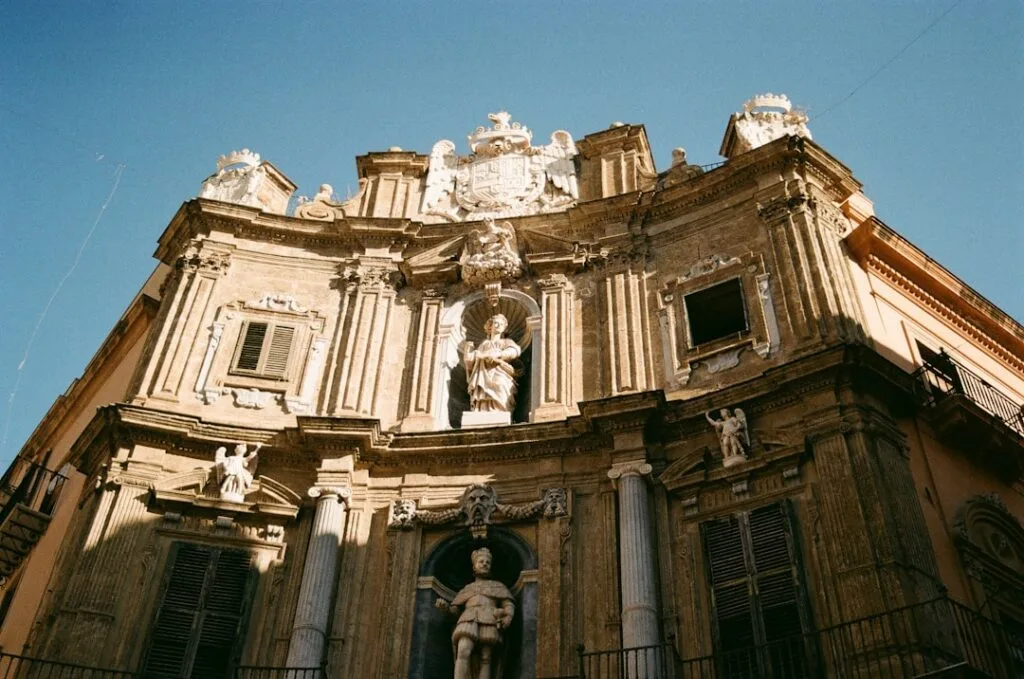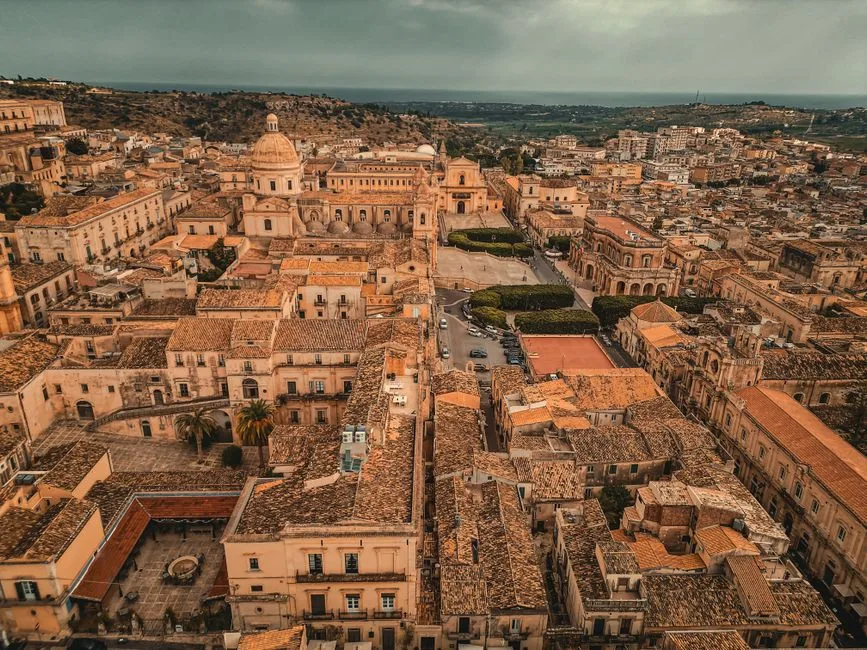






Introduction — Exploring Sicily’s Baroque Towns: Noto, Ragusa and Modica
Baroque Sicily invites you to slow down, lift your eyes and get swept away by sculpted façades, theatrical staircases and the warm glow that kisses the soft limestone at sunset. Among the island’s treasures, three towns stand out as complementary chapters of a grand architectural and human story: Noto, Ragusa and Modica. Located in the provinces of Syracuse and Ragusa, these towns form a cultural and geographic triangle easily reached from Catania or Palermo and make an ideal 2–5 day itinerary focused on Sicilian baroque.
This detailed, traveler-friendly guide offers a vivid immersion in each town. You’ll find in-depth descriptions of major monuments, exact addresses, indicative opening times, entrance fees in euros where applicable, and local tips to make the most of your visits — from the best moment to photograph Noto cathedral’s façade to the street where you can taste Modica’s traditional chocolate. The text emphasizes the sensory experience: how stone resonates inside a church, the warmth of the piazzas, the aromas from trattorie and the daily life that animates the alleys.
Whether you’re a demanding cultural traveler, a photographer hunting dramatic angles, or simply curious about architecture, this guide gives you concrete orientation. We cover the highlights — cathedrals, palaces, gardens — but also lesser-known spots: a stone bank turned café, a small square where locals play cards, artisan restoration workshops. Practical details on transport, prices, opening hours and a few restaurant and accommodation suggestions complete the picture so you can plan your visit efficiently.
Important: opening hours and prices can change with the season, public holidays or special events (festivals, religious ceremonies, restoration works). The information here was verified and representative at the time of writing, but you should confirm schedules directly with local tourist offices or official sites before you travel. Now grab your hat, charge your camera and follow us through the sunny streets and sculpted stairways of Noto, Ragusa and Modica.
Noto — The Capital of Golden Baroque: Monuments, Addresses and Practical Tips
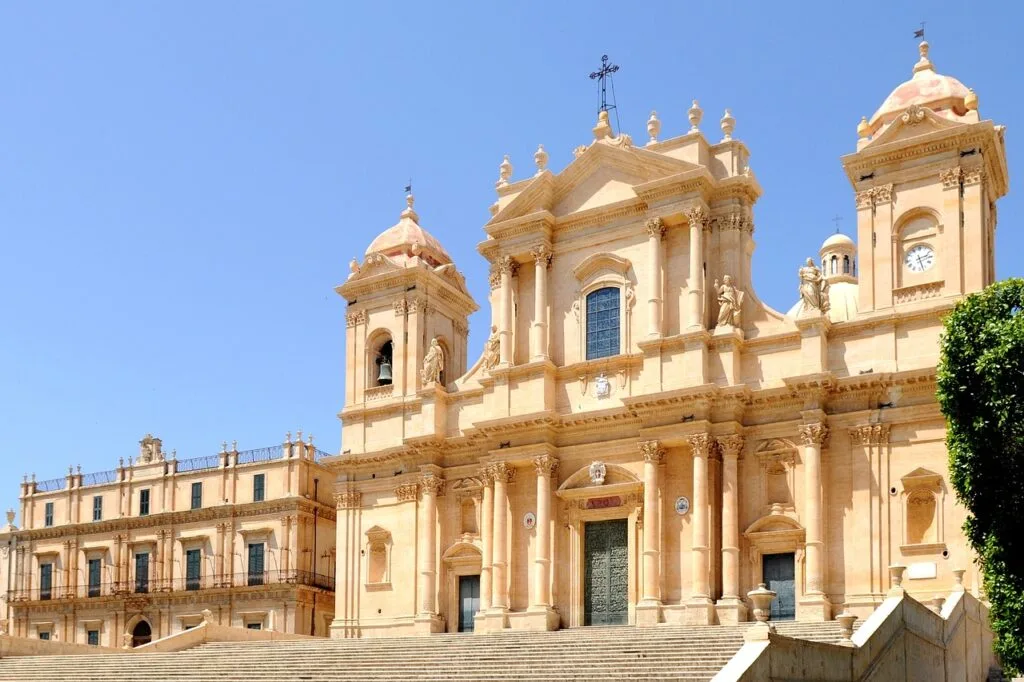
Noto is often seen as the high point of Sicilian baroque: after the 1693 earthquake the city was rebuilt following a coherent urban plan, creating grand perspectives and unified façades that turn a golden hue at sunrise and sunset. Via Nicolaci and Via Vittorio Emanuele are the main thoroughfares where most monuments are concentrated.
Cattedrale di San Nicolò (Noto Cathedral)
Address: Piazza Municipio, 15, 96017 Noto SR, Italy.
Indicative opening times: Monday–Sunday 09:00–13:00 and 16:00–19:00 (varies with season and services).
Price: free entry to the cathedral; some temporary exhibitions or guided visits may be charged (around €3–5).
The Cathedral of San Nicolò dominates Piazza Municipio with an imposing staircase and a façade extensively restored in the 20th century. Inside you’ll notice decorated vaults and a contemplative atmosphere; the highlight is the view from the forecourt and the panorama over the town if you climb the steps. The local limestone, known as pietra di Noto, throws back a warm, changing light throughout the day — aim for early morning or the golden hour at dusk for dramatic photographs.
Palazzo Ducezio (Noto Town Hall)
Address: Piazza Municipio, 14, 96017 Noto SR, Italy.
Indicative opening times: 09:00–13:00 and 15:30–18:30 on weekdays; closed on some public holidays.
Price: visits to the palace vary; temporary exhibitions €3–7.
The Palazzo Ducezio, home to the town hall, is recognizable by its loggia and a richly decorated council chamber. Occasional guided tours let you see the salons and the balcony overlooking the main street. The local tourist office on the piazza offers brochures and paid guided walks (roughly €8–15 depending on duration).
Palazzo Nicolaci di Villadorata
Address: Via Nicolaci di Villadorata, 74, 96017 Noto SR, Italy.
Indicative opening times: 09:00–19:00 (high season); 09:00–17:00 (low season).
Price: entrance ticket around €6 to visit the salons and balconies with an audio guide or paper guide.
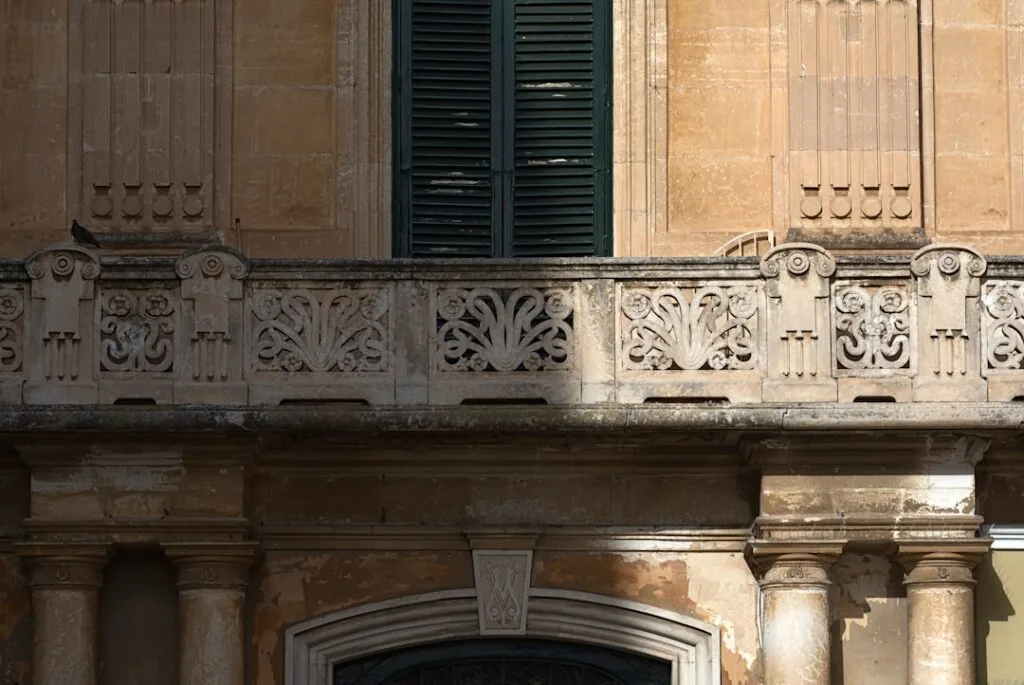
This palace is famous for its richly decorated baroque balconies and carved mascarons. A visit lets you admire the delicate motifs and imagine eighteenth-century aristocratic life. Summer evenings often feature concerts or cultural events along the street, giving the area a lively atmosphere.
- Practical tip: Noto station — Stazione di Noto, Via Artemisia Gentileschi, 1, 96017 Noto SR. Regional trains from Syracuse; plan for a taxi (about €10–15) if you arrive late.
- Best time: early morning to avoid harsh light, or late afternoon when façades take on a golden hue.
- Typical costs: espresso about €1.20–1.80; lunch in a trattoria €12–25 per person.
Ragusa — Two Towns, One Identity: Ragusa Superiore and Ragusa Ibla
Ragusa has a captivating duality: Ragusa Superiore, the more modern upper town, and Ragusa Ibla, the baroque old town that looks like a postcard. The two areas are linked by Via Roma and stairways revealing breathtaking views over the surrounding valleys. The most emblematic architectural gem is arguably the Duomo di San Giorgio, located at the entrance to Ragusa Ibla.
Duomo di San Giorgio
Address: Piazza Duomo, 1, 97100 Ragusa RG, Italy.
Indicative opening times: 08:30–12:30 and 16:30–19:30 (can vary with Masses and celebrations).
Price: free entry (donations appreciated for maintenance). Guided access or bell tower visits may be offered occasionally, price around €3–5.
The columned façade and grand staircase of the Duomo di San Giorgio are Ragusa Ibla’s signature image. Climb the steps early in the morning to capture the light and avoid the midday crowd. Inside the church marries liturgical solemnity with refined baroque details — side altars, stucco and paintings. The forecourt often serves as a stage for concerts and local events in summer.
Giardini Iblei and panoramic viewpoint
Address: Giardini Iblei, Corso XXV Aprile, 97100 Ragusa RG, Italy (central garden area of Ibla).
Hours: open to the public, free access; morning maintenance times vary by season.
Price: free.
These gardens offer a restful spot with open views over the valley and Ibla’s façades. It’s a great starting point for a stroll that winds through narrow streets full of artisan workshops and small shops.
Palazzo Arezzo di Trifiletti and museums
Address: Via Castello, 13, 97100 Ragusa RG, Italy (museum access varies with temporary exhibitions).
Indicative opening times: 09:00–13:00 and 15:30–18:30 depending on season.
Price: local exhibitions and museums €4–8.
Ragusa hosts several small local history museums and palaces that are occasionally open to visitors. These places are perfect for understanding the region’s social history and seeing restored aristocratic interiors.
- Local tips: wander the alleys early in the morning to meet bakers pulling hot bread from the oven; try local specialties like “scacce” (filled flatbreads) at a panetteria.
- Getting around: Ibla is best explored on foot, but to link Superiore and Ibla with luggage, plan a taxi (typical fare €8–15 depending on time).
- Recommended restaurants: Trattoria Ai Lumi (Corso Italia, 97100 Ragusa RG) — traditional dishes €15–30 per person; Osteria del Sicilia (address varies, check locally) — local specialties and regional wines.
Modica — Chocolate, Staircases and Carved Façades: A Guide to the Essentials
Modica is one of the most evocative towns in southeastern Sicily. Perched on dramatic cliffs, it is known for its stairways, stacked baroque churches and a unique chocolate tradition inherited from Spanish and pre-Hispanic influences. Unlike the uniform grand cathedrals, Modica reveals its treasures as you go up or down, through steep and generous perspectives.
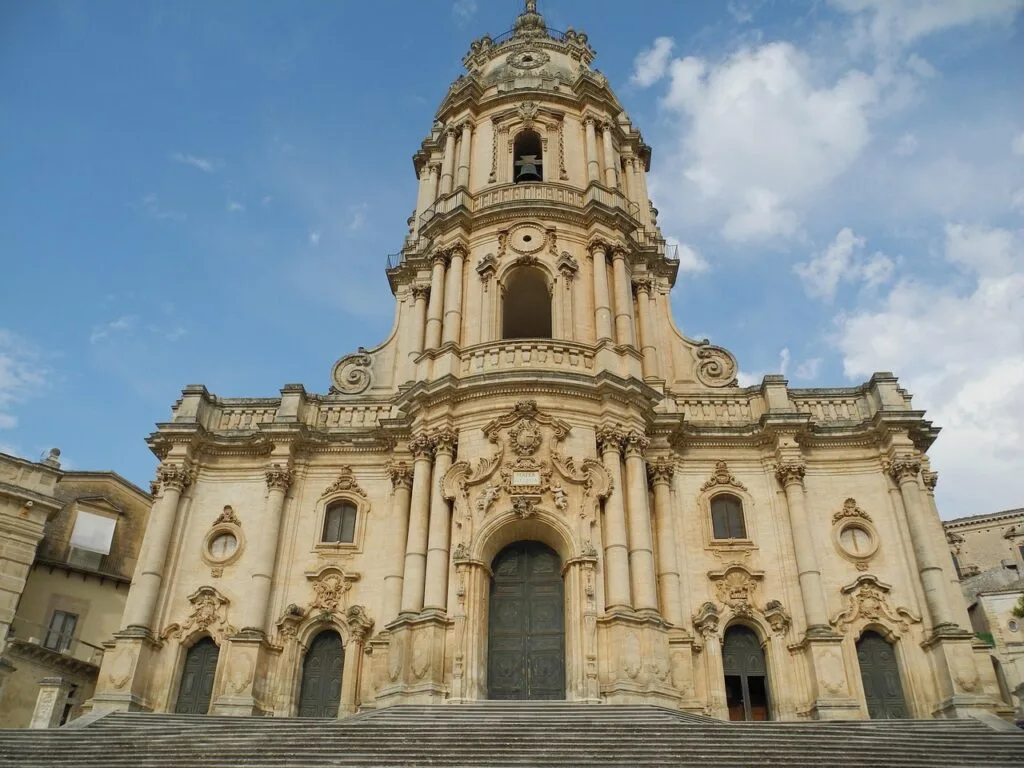
Chiesa di San Giorgio (Modica Alta)
Address: Piazza Matteotti, 97015 Modica RG, Italy (access from Corso Umberto I via the stairways).
Indicative opening times: 09:00–12:30 and 16:00–19:30 (times may change during Masses and festivities).
Price: free entry; some areas or exhibitions €2–4.
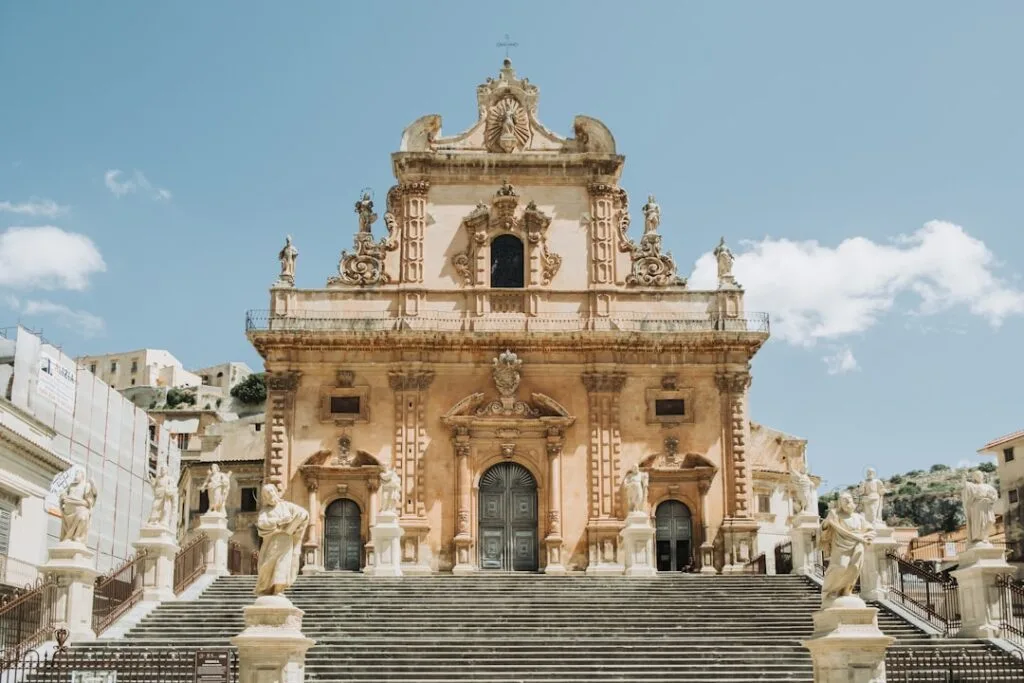
The Chiesa di San Giorgio — commanding with its long façade and dome — dominates the skyline of Modica Alta. The approach via the staircases is spectacular: each landing reveals a new view of the town and the valley below. Inside, you’ll find richly decorated altars and sacred artworks that reflect local baroque devotion and taste.
Antica Dolceria Bonajuto — the temple of Modican chocolate
Address: Via Francesco M. Bonajuto, 2, 97015 Modica RG, Italy.
Opening times: generally 09:00–19:30 every day (closed Sunday evening in some seasons).
Price: tastings available; small bags of chocolate from around €3.50; workshops or guided visits to the workshop €10–25 depending on the formula.
Dolceria Bonajuto, founded in the 19th century, is often cited as Modica’s oldest chocolate shop. Modican chocolate stands out for its grainy texture (pastoso) and a cold-processing method. Inside, the shop and small chocolate museum offer a sensory experience: cocoa aromas, spices and a demonstration of traditional chocolate cutting. Book ahead if you want a tasting workshop.
Corso Umberto I and Modica’s stairways
Address: Corso Umberto I, 97015 Modica RG, Italy (main shopping street and promenade).
Corso Umberto I is the central street lined with shops, cafés and restaurants. From here, explore the stairways linking Modica Bassa and Modica Alta: each climb or descent presents a different architectural composition, alternating arches and palaces. Terraces and viewpoints are ideal for photographing the town as the sun starts to fall.
- Foodie tips: try the cioccolato caldo (old-fashioned hot chocolate) at Bonajuto; for a traditional meal look for a trattoria serving “pasta con le sarde” or dishes with “capuliato” (seasonal).
- Transport: the nearest station is Modica Station, Piazza della Libertà, 97015 Modica RG. Regional buses and local trains connect Modica to Ragusa and Siracusa.
- Average prices: lunch in a trattoria €12–22; tasting menu at a recommended restaurant €30–50 per person.
Practical Tips to Plan Your Route and Logistical Information
Planning a trip to Sicily’s baroque towns requires balancing sightseeing time, travel and moments of relaxation. Here are concrete recommendations and practical details to help you build an efficient, enjoyable itinerary.
Suggested itinerary
For a first visit I suggest 3 to 5 days:
- Day 1: Arrival in Noto — check-in, stroll along Via Vittorio Emanuele and visit the Cattedrale di San Nicolò at sunset.
- Day 2: Morning in Noto (Palazzo Nicolaci, Palazzo Ducezio), afternoon drive to Ragusa (about 45–60 minutes by car), evening in Ragusa Ibla.
- Day 3: Ragusa (Duomo di San Giorgio, Giardini Iblei), afternoon transfer to Modica (about 30 minutes by car), walk and chocolate tasting.
- Day 4: Full day in Modica (Chiesa di San Giorgio, Corso Umberto I), visit workshops, return or continue to Syracuse/Catania.
Transport and access
– Car: the best option for flexibility — regional roads are generally well maintained; public parking at the edges of historic centers (daily rates €2–6 depending on location).
– Train: regional lines serve Noto and Modica from Siracusa/Catania Centrale; check Trenitalia for timetables and connections. Indicative fares: short-distance trips €3–10.
– Bus: local companies (AST, Interbus) link the towns; affordable and practical, but check evening schedules.
Accommodation and budgets
– Charming B&Bs and small hotels in historic centers: €60–120 per night for a double room in mid-season.
– Higher-end hotels and boutique relais: €120–250 per night.
– Apartment rentals: useful for longer stays, prices vary by season.
Safety, accessibility and seasonality
– Safety: tourist areas are generally safe; as everywhere, watch your belongings in busy squares.
– Accessibility: historic centers are often cobbled and steep — wear comfortable shoes and take care if you have reduced mobility; some monuments have limited access.
– Season: spring (April–June) and autumn (September–October) offer pleasant temperatures and fewer crowds; summer can be hot and very busy.
Local and ethical tips
- Respect Mass schedules — some monuments close during services.
- Buy local: support artisans by purchasing bread, cheese and wine from local producers.
- Interaction: a few words in Italian, even basic (Buongiorno, Grazie, Per favore), are appreciated and ease encounters.
- Photography: respect no-photo areas, especially in some chapels or during religious events.
Conclusion — Between Stone and Sun: Why Visit Noto, Ragusa and Modica
Visiting Noto, Ragusa and Modica means stepping into a world where architecture tells of resilience and the imagination of societies that rebuilt their beauty after disaster. These towns aren’t just open-air museums; they are living places where people work, live and celebrate. Every street offers another layer of history, every piazza becomes the stage for Mediterranean daily life: children playing, elders chatting on wooden chairs, artisans braving the heat of their workshops.
Practically speaking, the route is flexible — easily driven or done by a combination of train and bus if you prefer less driving. Budget-wise, the region suits thrifty travelers and those seeking a more refined stay: there’s a range of accommodation and dining options. The prices listed for monuments and services (entrances, tastings, transport) give a planning baseline, but always double-check up-to-date information before you go.
On an emotional level, expect memorable moments: your first sight of Noto Cathedral bathed in evening light, the solemn climb up to the Duomo di San Giorgio in Ragusa, the warm chocolate tasting in Modica revealing unexpected aromas. These experiences combine into a cohesive travel story — a Sicily that shows itself in all its complexity: spare and warm, traditional and vibrant.
One final traveler tip: take your time. Baroque towns cannot be truly discovered at the pace of a tight itinerary. Leave yourself a morning without plans, sit on a step, watch life pass by, listen to the bells and taste Sicilian slowness. It is often in these pauses that the most lasting memories are made.