





Sicily Safety: A Seasoned Local’s Survival Guide
Welcome to Sicily. Before you fall head over heels for the scenery, the food and that beautiful sing-song accent, here’s the unvarnished truth: the island is a paradise with a few rough edges. Speaking as someone who lives here and watches tourists come and go, Sicily isn’t dangerous in a dramatic way — but there are recurring tourist scams and small-time hustles that target the unwary. This guide is blunt, factual and practical — the local golden rule is: stay alert, be wary of offers that sound too good to be true, and learn the signs of a setup.
I’ll walk you through the classic traps, how to spot them, and most importantly how to avoid them. Every tip comes from real experience: Palermo markets, the alleys of Ortigia in Syracuse, Catania bus stations, car parks around Taormina and day trips to Etna. I’ll give you exact addresses, opening hours and price ranges so you can compare and confidently say no. Don’t mistake this for paranoia — it’s local common sense. Think of this guide as a friend whispering the stuff brochures won’t tell you.
This article is designed to help you stay in control: how to spot a taxi rip-off, fake tickets, pushy sellers, an over-priced “guided tour,” or a racket disguised as help. You’ll know when to accept, when to haggle, what a fair price is for a meal or a boat trip, and where to find official help if needed. Keep this on your phone, print a copy if you like, and remember: arrogance belongs to scammers, not you. Be polite, firm and informed.
1. Taxis & transport: the classic trap to avoid
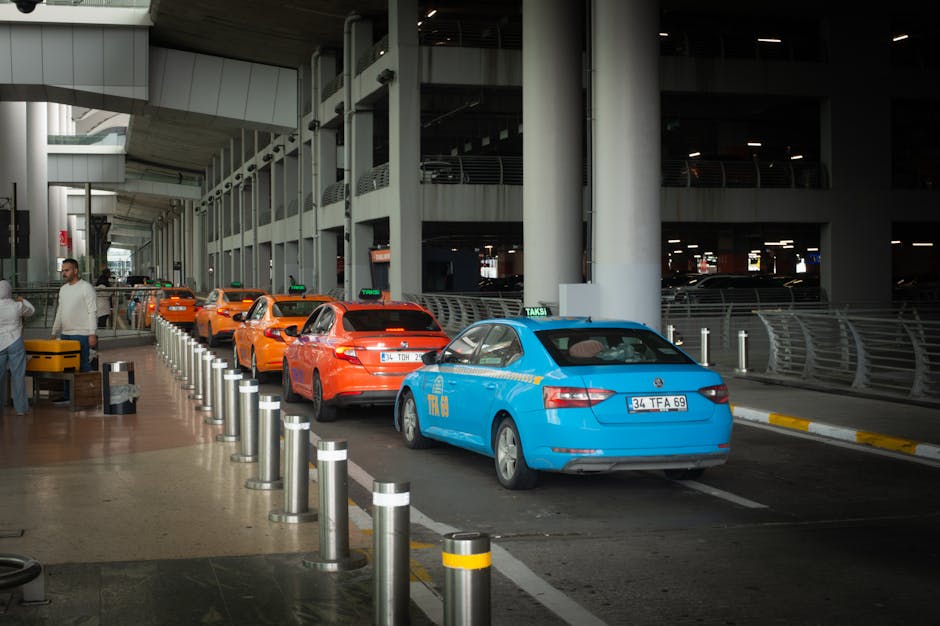
How they operate: at Palermo Falcone-Borsellino Airport (Aeroporto Falcone e Borsellino, 90145 Palermo PA), drivers who aren’t official will approach arriving passengers with offers like “special price” or “fixed fare.” They may invent traffic jams, take long detours or manipulate the meter. At Catania-Fontanarossa (Viale Vincenzo Bellini, 95121 Catania CT), a driver may even refuse to use the meter.
How to avoid it: take official taxis (white cars with a plate and logo), note the license number on the rear of the vehicle and insist on the meter. Indicative fares: Palermo Airport → city center (Piazza Castelnuovo / Teatro Massimo) about €45–€60 daytime, €60–€70 at night; Catania Airport → centro (Piazza Duomo) €25–€35 daytime. Local rule of thumb: ask the airport taxi desk for the official fixed fare or book via the app Radio Taxi Palermo +39 091 589 999 or Catania RadioTaxi +39 095 2181. For short trips in town, wait at official ranks: Via Roma (Palermo), Piazza Università (Catania).
Safe alternatives: Alibus Palermo (Linea Prestia e Comandè) €6, 50–60 min, departures every 30–60 min, stop at Piazza Verdi. In Catania, the Alibus costs €4 and takes 20–30 min with frequent departures. For excursions, choose agencies with shops you can verify — not the person who grabs you outside a site. If a driver insists on cash-only and refuses a receipt, walk away — that’s a red flag.
2. Restaurants and inflated bills: what guides don’t tell you
How they operate: menus without clear prices, excessive « coperto » (cover) charges, or card payments accepted only with extra fees. In Taormina, Corso Umberto I is full of touristy places that tack on undisclosed extras. Example: a basic pasta al pomodoro should cost €8–€14; if you’re charged €25 without being in a renowned spot, be suspicious.
How to avoid it: check the menu before you sit down. If prices aren’t displayed, leave. Local rule: ask the price before the dish arrives. Cover charges are legal but must be shown — expect about €1–€3 per person. In Ortigia (Piazza Duomo, 96100 Siracusa SR), favor places like Trattoria La Foglia (Via Roma 34, 96100 Siracusa) — check prices on TripAdvisor and ask for the wine list (a glass of Nero d’Avola €3–€6). Avoid tasting menus without a clearly stated total price: always ask for an estimated final bill.
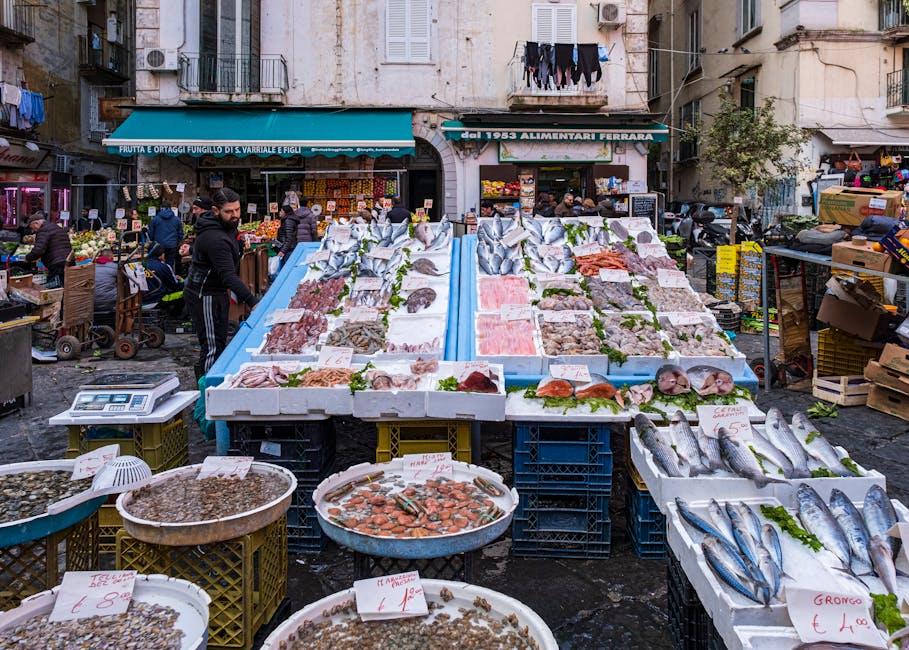
Another trick: seafood priced by weight without a visible scale. Avoid terraces right next to monuments where items magically appear on the bill. If the check looks wrong, calmly ask for the printed invoice and a breakdown. Honest places will correct mistakes. In cases of serious abuse, photograph the bill, note the address and report it to the local Commissariato di Polizia.
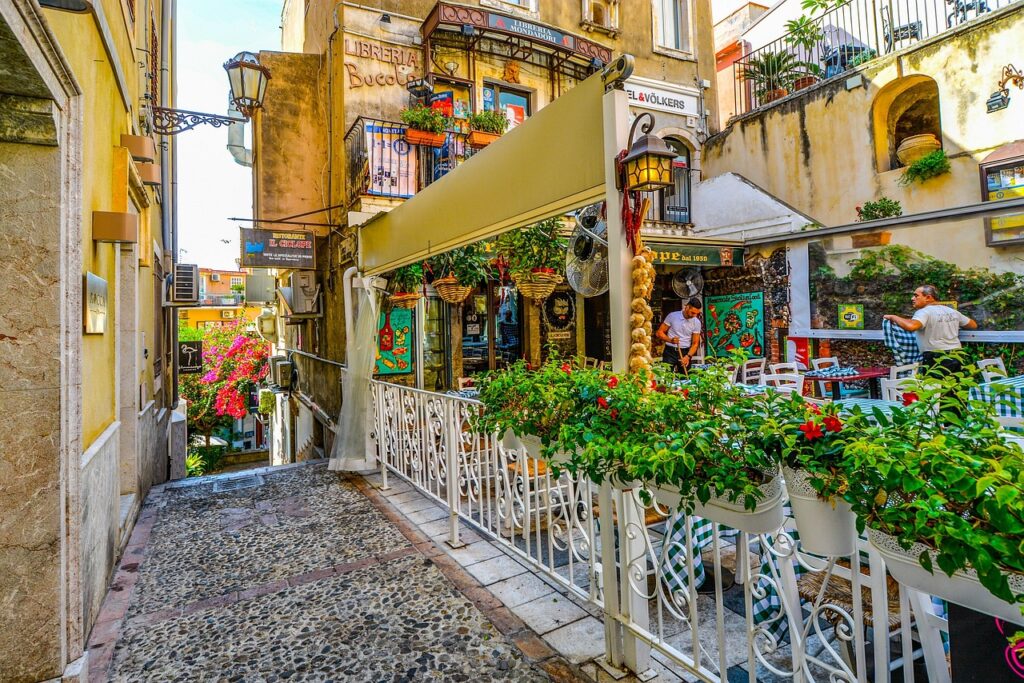
3. Fake guides and sketchy tours: how to spot them
How they operate: guides without official badges, “last-minute” offers for Etna trips or boat rides to the Egadi Islands at unbelievably low prices. Example: a full-day boat trip to the Egadi (Favignana, Levanzo) for €20–€30 is unrealistic. Official tours run €35–€60 depending on duration. Fake guides may demand large tips or steer you toward partner shops.
How to avoid it: always ask to see the guide’s license (targa guida turistica regionale). For Etna, use reputable operators like Etna Experience (Via Etnea 300, 95129 Catania) — trips cost €50–€90 depending on 4×4 or hiking options. For boats to the Egadi, book at Trapani port (Molo Sanità, 91100 Trapani TP) with official carriers such as Siremar/Ferry. Local rule: if the price is suspiciously low, you’re the product — often the “tour” stops at one photo spot, or they demand extra for “port fees.” Always get a contract or written confirmation stating departure, duration and what’s included/excluded.
A telltale sign: someone following you without a badge and insisting on collecting cash from the whole group at the last minute. Say no and find the official ticket office. For Etna hikes, avoid uninsured groups. Insurance is often offered for €5–€10 — ask about it.

4. Pickpockets, snatch-thefts and fake distressed people
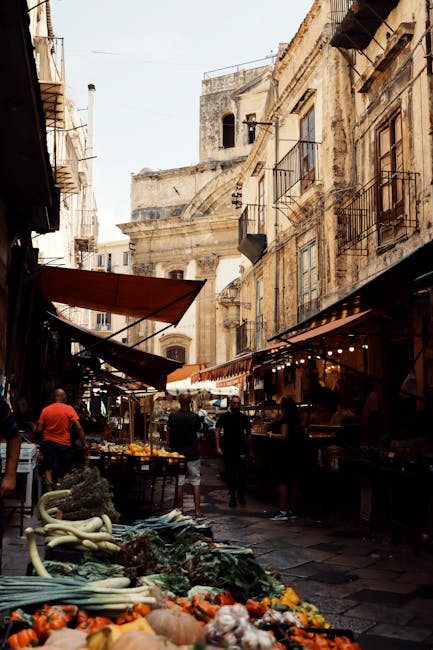
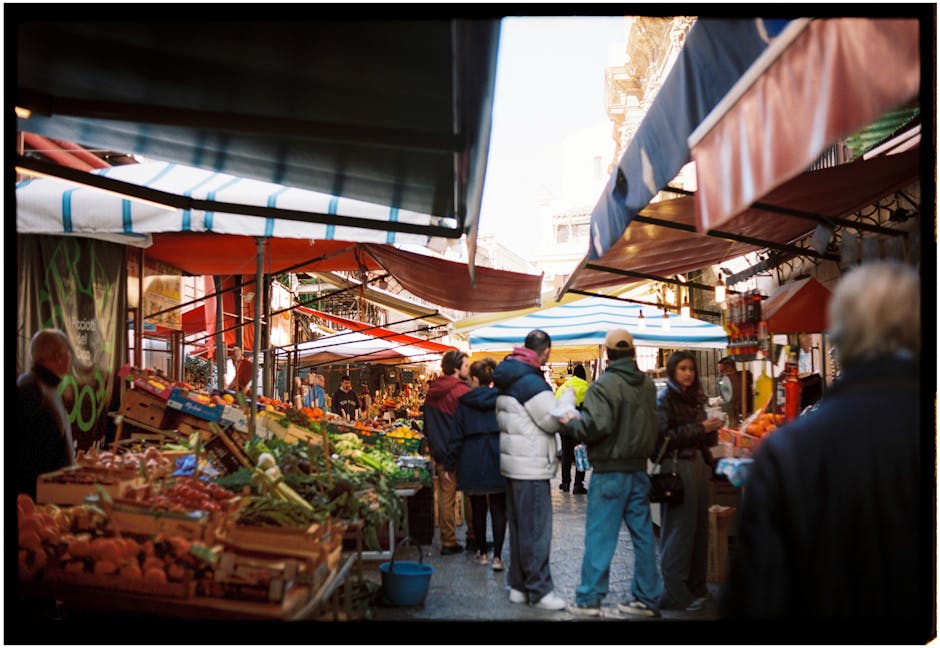
How they operate: in crowded markets (Mercato di Ballarò, Via Ballarò, 90134 Palermo PA; Mercato della Pescheria, Ortigia, 96100 Siracusa SR) you’ll see groups clustering, staged distractions (a shove, a child showing you something) while an accomplice rifles your bag. Fake distressed people (men showing photos, or children begging) aim to tug at your emotions and divert your attention.
How to avoid it: keep valuables in front of you, use an under-shirt pouch or a crossbody bag zipped and worn in front. Local rule: try not to carry more than €50 in cash; keep the rest on card or in your account. In Palermo, never put your phone in your back pocket. If someone brushes past you or shoves you, say firmly “Watch out!” and move away; don’t engage. If you’re shown photos of a sick child asking for money, politely decline — these are often organized scams.
If you are robbed, go to the local Commissariato di Polizia to file a report (modulo di denuncia). Bring photocopies of your documents and note the nearest police station address: Questura di Palermo, Via Cavour 43, 90133 Palermo PA, usually open 24/7 for emergencies. Keep local emergency numbers handy: 112 for police/ambulance; 113 in some cities for police.
5. Payments, cards and banking scams: electronic caution
How they operate: tampered card readers, persistent requests for a 6-digit PIN or demands to withdraw cash on the spot, and fake ATMs (skimming). High-risk areas: isolated ATMs at night around train stations and ports (Stazione Centrale, Piazza Giulio Cesare, 95129 Catania CT).
How to avoid it: use ATMs inside banks during opening hours (e.g. Banca Nazionale del Lavoro, Via Maqueda 92, 90133 Palermo PA); check for glued-on parts around the slot. Expect withdrawal fees: typically €2–€4 plus your bank’s markup. Local rule: enable bank notifications for every transaction, lower your card limits and never enter your PIN in front of a merchant. For card payments, insist on a portable terminal and get your card back — refuse any “card not present” operation. If you suspect skimming, block the card immediately via your bank’s app and file a police report.
Conclusion: stay smart, stay local
Sicily offers treasures: noisy markets, dazzling coasts, majestic volcanoes and food that stays with you. To enjoy it worry-free, adopt the mindset of a well-informed local: do your research, question prices, check licenses and remember the simple rules I’ve shared. This isn’t a fear guide — it’s civic survival advice so your memories stay beautiful and your wallet stays intact.
Quick practical reminders: keep official addresses and numbers (Radio Taxi Palermo +39 091 589 999, Questura di Palermo Via Cavour 43), check schedules (Alibus runs regularly but be careful on Sundays and holidays), and prefer online or shop bookings over street offers. When haggling, be polite and firm. Most Sicilians value honesty and will help if you ask, but scammers target the indecisive and the half-informed.
Finally, trust your instincts: if something looks too good, there’s usually a catch. Don’t feel guilty saying no — it’s the best way to learn the island. If an incident happens, stay calm, gather evidence and witnesses, and report it to the authorities. That way you’ll be both a smart traveler and a respected guest — the real local golden rule.