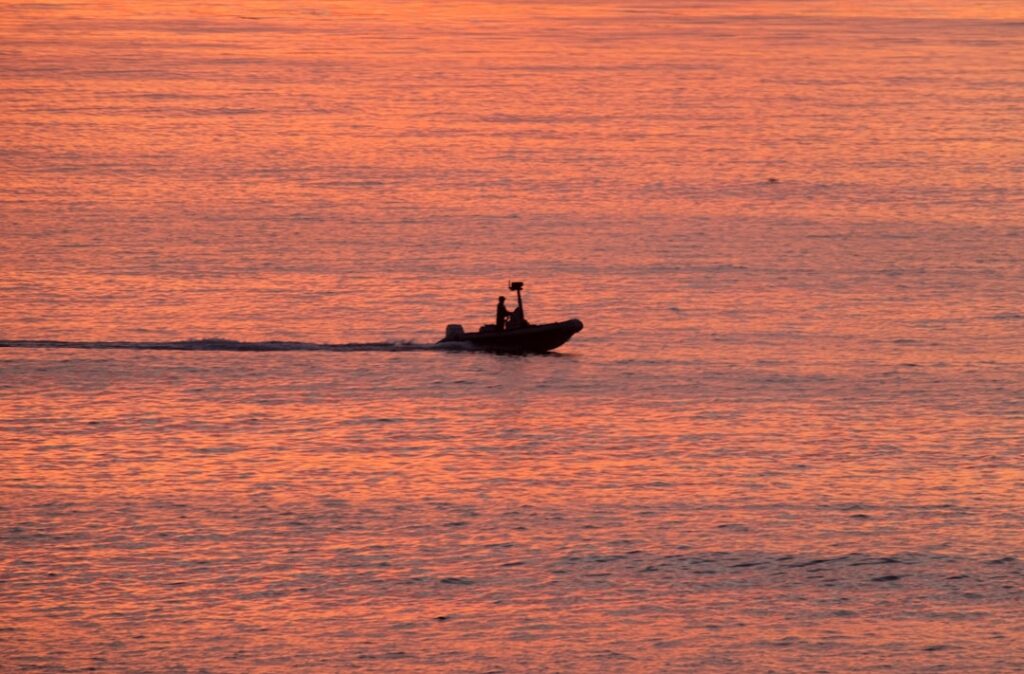






Introduction — Why Take a Boat to Explore Sicily’s Hidden Sea Caves
Sicily is an island of contrasts: baroque towns, towering volcanoes, fishing villages frozen in time and, above all, a coastline shaped by the sea into cliffs, coves and marine caverns. Among these treasures, the sea caves are some of the most spellbinding: reachable only by boat or by steep footpaths, they offer otherworldly light shows, translucent waters and limestone formations that tell millennia of erosion. Taking a boat to explore them combines adventure, photography, swimming and natural history all in one day.
This practical guide is aimed at anyone planning a boat itinerary along Sicily’s coast — whether you’re into freediving, photography, family-friendly sightseeing or you’re a private skipper hunting for off-the-beaten-track routes. I outline the most iconic coastal areas for sea caves (with place names, port/ departure points, common schedules, indicative prices and practical tips). The descriptions are immersive: you’ll find orientation notes (sun exposure), currents, water depth at cave entrances and the best times to catch particular colors (deep blue, emerald green, golden reflections at sunset).
For convenience I list reliable departure points — ports and tourist offices — with exact addresses and price ranges for excursions (shared trips, private tours, boat rentals). The times reflect high season (mid-April to September) and can vary: always check maritime weather and notices (questura portuale / Capitaneria di Porto) the day before. I also share local tips: when to bring water shoes, how to behave inside caves to protect wildlife and habitats, where to refill water and fuel tanks, and basic safety rules (lifejackets, VHF, dinghy).

Riserva Naturale Orientata dello Zingaro and the Coves of Scopello — Boat Access from San Vito lo Capo and Castellammare del Golfo
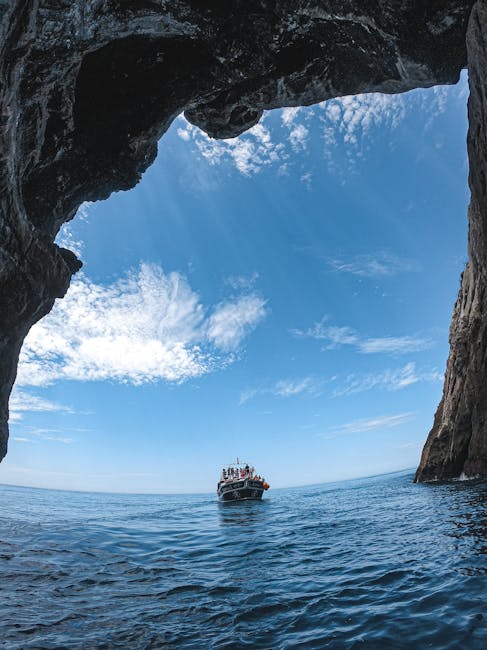
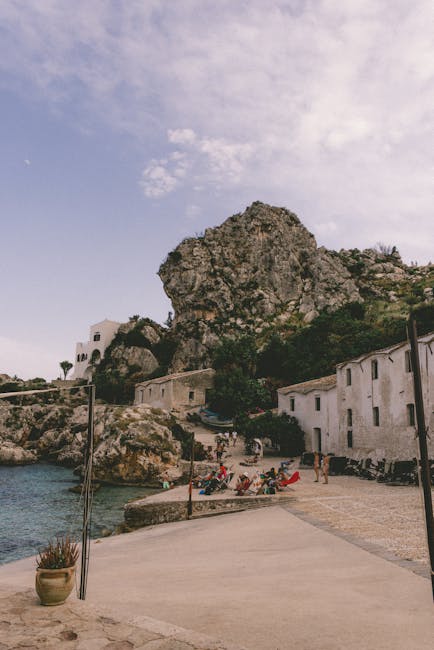
The Riserva Naturale Orientata dello Zingaro is one of western Sicily’s best-preserved coastal stretches. While the reserve is famous for hiking trails, exploring it by sea reveals caves and beaches inaccessible from land. Boats usually depart from the port of Castellammare del Golfo and from San Vito lo Capo. To plan a trip, here are the useful addresses and details:
- Porto di Castellammare del Golfo — Via Vittorio Emanuele, 2, 90015 Castellammare del Golfo TP, Italy. Capitaneria di Porto: +39 0924 55110. Port hours: boarding/disembarkation services 07:00–20:00 in summer. Public parking near the port (paid) (≈ €2–€5/hour).
- Porto di San Vito lo Capo — Lungomare Cristoforo Colombo, 91010 San Vito Lo Capo TP, Italy. Tourist office: +39 0923 970312. Embarkations from 08:00 until sunset depending on the season.
Typical excursions: 3–6 hour outings that tour the coves and stop for swimming and snorkeling. Prices: shared tours ≈ €30–€45 per person for 3 hours; private motorboat (6–8 people) ≈ €160–€320 for a half day (fuel not included). Small permit-free boat rental (max 40 HP) ≈ €120–€250/day; boat with skipper ≈ €200–€450/day depending on size and season.
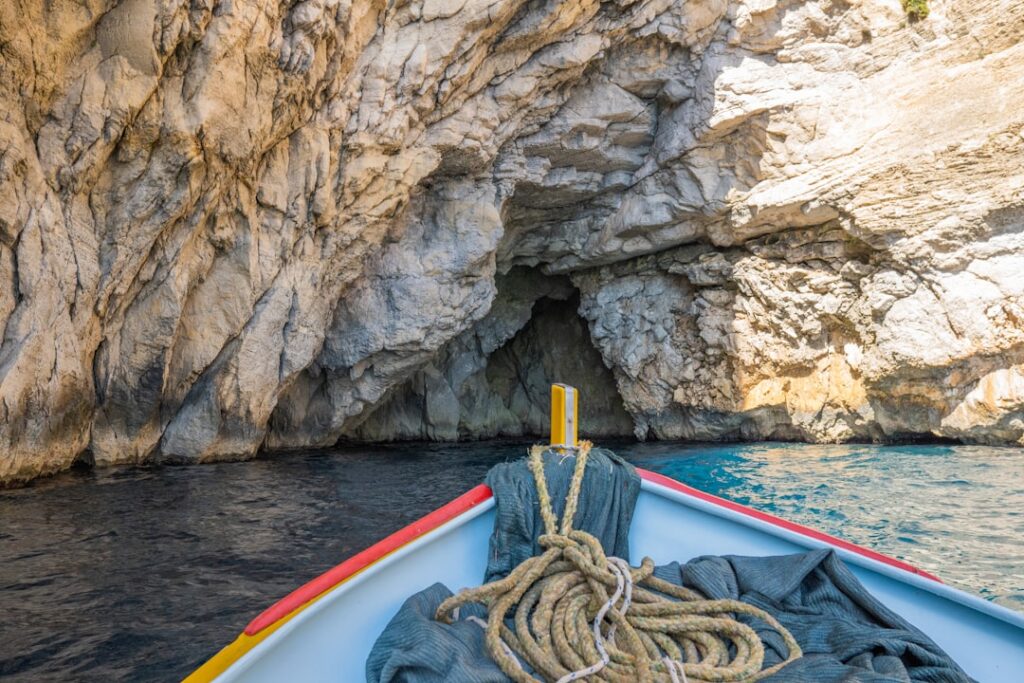
Noteworthy caves visible from the sea include small cavities under cliffs near Cala Berretta and Cala del Varo: the water turns emerald and cave ceilings are often covered in highly textured limestone formations. For photography, favor the morning (08:30–11:30) when light penetrates east-facing caves, or late afternoon for warmer reflections.
Local tips:
- Bring fins and a mask: cave entrances are often shallow (1.5–4 m) and perfect for snorkeling.
- Avoid entering very narrow cavities unless you have a reserve inflatable lifejacket; rollers and sudden surges can catch you off guard.
- Respect signage and don’t anchor on Posidonia meadows: use a floating mooring or rocky-bottom anchors as advised by the harbormasters.
The Egadi Islands (Favignana, Levanzo, Marettimo) — Day Routes from Trapani
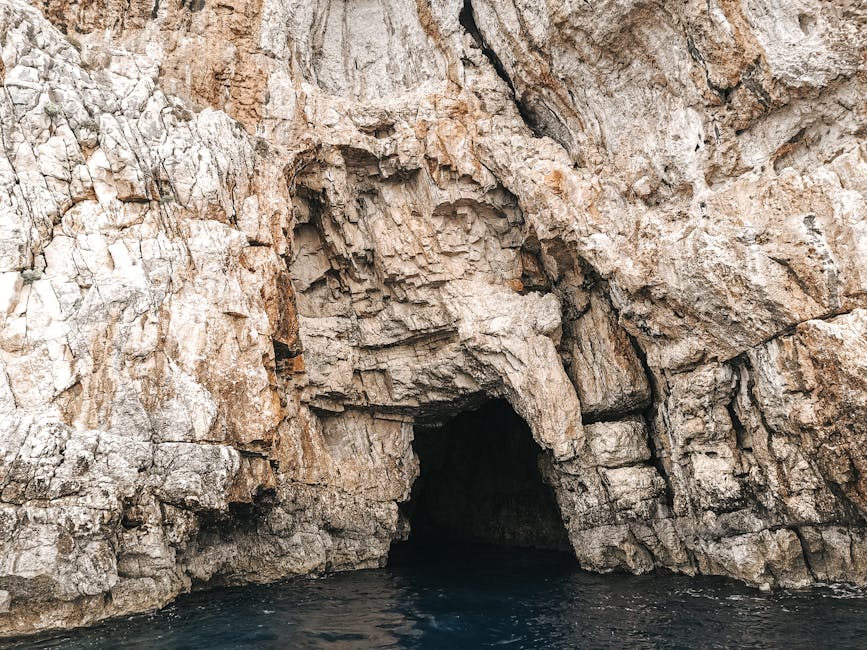
The Egadi Islands (Arcipelago delle Egadi) are a string of islands west of Sicily, famed for crystal-clear waters, rich seabeds and caves only accessible by boat. Trapani is the main departure port. The three principal islands — Favignana, Levanzo and Marettimo — each offer different experiences: Favignana for photogenic caves, Levanzo for pristine limestone cavities and Marettimo for deep, wild caves.
- Porto di Trapani — Piazzale Stazione Marittima, 91100 Trapani TP, Italy. Tourist information: +39 0923 41208. Ferries/fast hydrofoils to the Egadi: morning departures 08:00–10:00, returns at dusk. Trapani–Favignana hydrofoil fares ≈ €16–€25 RT per person.
- Ufficio Turistico Favignana — Via Vittorio Emanuele, 91023 Favignana TP, Italy. Boat excursions around the island: boarding at the main quay of the port.
Caves not to miss:
- Grotta Azzurra di Favignana — sea entrance off Cala Rossa (Favignana). Best light: mid-morning. Entrance depth 2–6 m. Boat tours often pass through the interior when seas are calm.
- Grotta del Genovese (Levanzo) — while famous on land for prehistoric paintings, from the sea you’ll see the impressive perforated cliff and small marine cavities opening onto crystal-clear waters ideal for snorkeling.
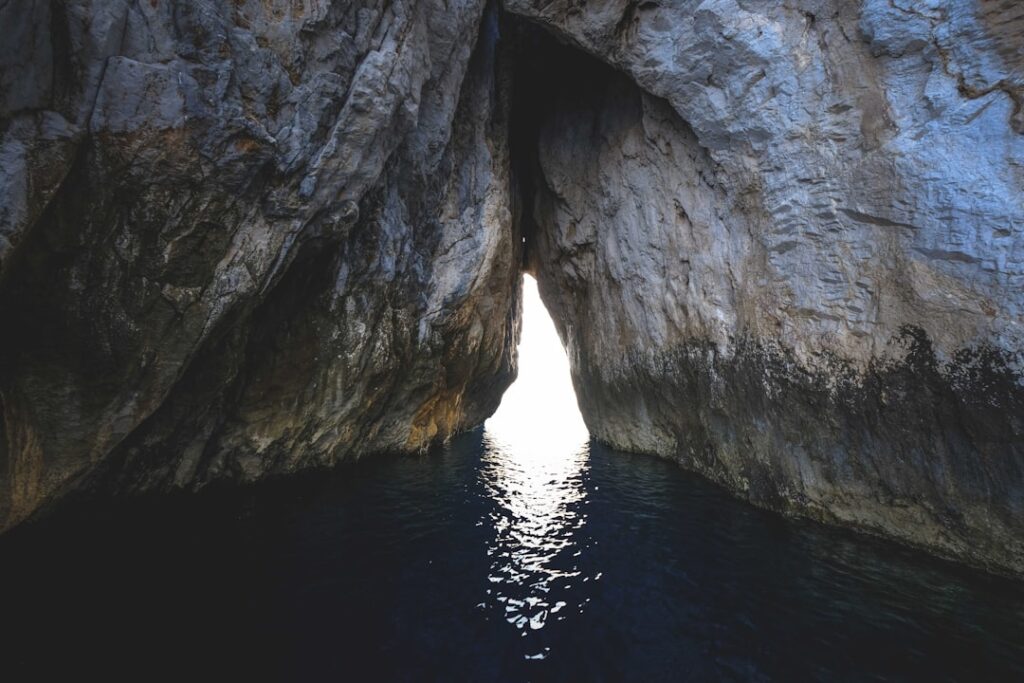
- Grotta dei Colombi and Grotta Grande (Marettimo) — deeper caves suited to boat excursions and guided diving; the entrance may require a 10–20 m swim depending on sea level.
Prices and schedules: guided boat tours from Trapani or Favignana range from €28 to €60 per person for half-days (3–5 hours). Private full-day tours (8–9 hours) typically cost €300–€600 depending on the boat. At Favignana, small permit-free boat rentals (20–40 HP) range €150–€300/day excluding fuel. Harbormasters often require a deposit and an inspection at embarkation.
Practical tips:
- Book ahead in high season (July–August); shared tours sell out fast.
- Bring water, biodegradable sunscreen, a hat and non-slip deck shoes.
- If you plan to enter narrow caves, choose an operator that provides appropriately sized lifejackets and follows maritime safety rules (VHF, lifejackets, dinghy).
The South Coast: Scala dei Turchi, Grotta dei Conigli and the Caves near Realmonte and Punta Secca
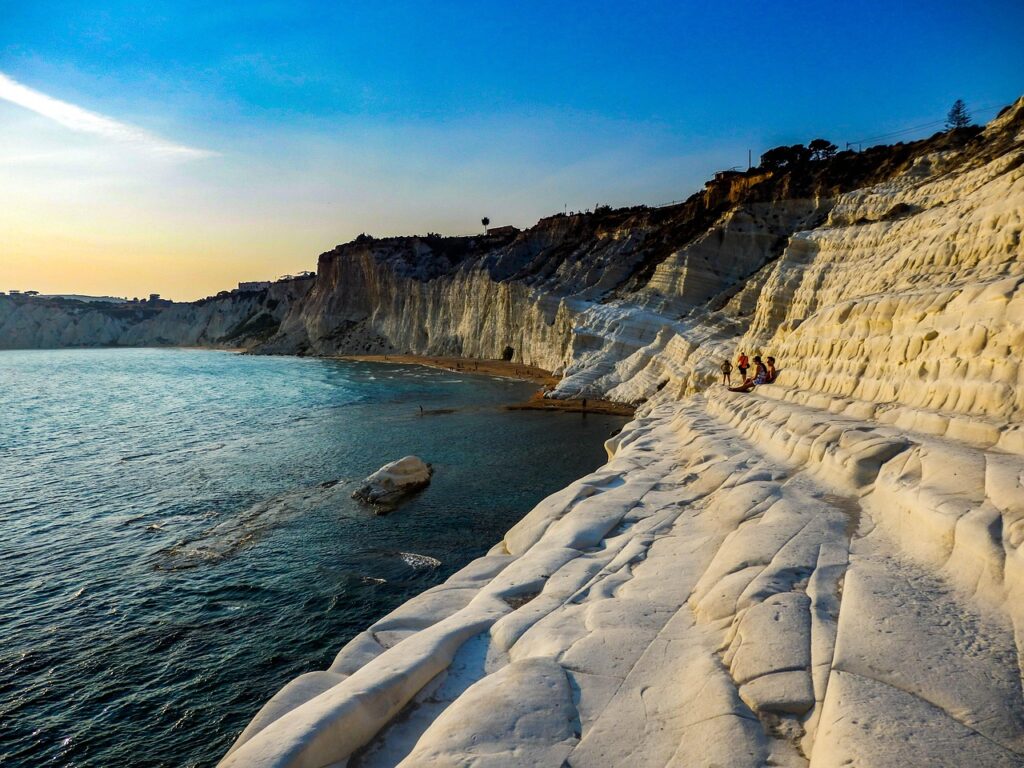
Sicily’s south coast, between Agrigento and Ragusa, mixes fine sand beaches, white cliffs and spectacular sea caves. The famous Scala dei Turchi (Realmonte) isn’t a cave but a cliff you can approach by sea: from the water the limestone’s whiteness is striking. Marine caves between Realmonte, Porto Empedocle and Punta Secca offer sculpted entrances, hidden little bays and very fish-rich waters.
- Scala dei Turchi — Via Scala dei Turchi, 92010 Realmonte AG, Italy. Public parking nearby (SP19). Cliff access: open hours but respect protected zones. Maritime access via small excursions from Porto Empedocle.
- Porto Empedocle — Lungomare Cristoforo Colombo, 92014 Porto Empedocle AG, Italy. Port office: +39 0922 409111. Daily summer boat excursions: departures 09:00–18:00.
- Punta Secca (Marina di Ragusa) — Località Punta Secca, 97010 Santa Croce Camerina RG, Italy. Small leisure marina for local embarkations.
Excursions and prices: tours along the south coast typically last 2.5–5 hours, price ≈ €20–€40 per person. For a private experience (traditional wooden boat or gozzo), expect €180–€360 for a half-day. Some operators combine a Scala dei Turchi visit, swimming and a picnic stop at Cala dei Turchi or Grotta dei Conigli (note: “Grotta dei Conigli” is also the name of a natural beach on Isola dei Conigli — here it refers to small coastal cavities perfect for snorkeling).
Immersive descriptions: entering a small cave on Sicily’s south coast feels like stepping into a half-sunk dome lit by a zenith opening where the water turns milky turquoise from suspended limestone particles. Marine life is abundant: white seabream, juvenile barracuda, schools of bogues and sometimes octopuses hiding in rock crevices. Waters are often warmer (24–27 °C in summer) and visibility can exceed 20 m on calm days.
Local tips:
- Watch for jellyfish in July–August: check local bulletins before swimming.
- Don’t touch formations or take stones: many sites are in protected areas or listed by the Soprintendenza dei Beni Culturali.
- If you rent a boat, always note navigation buoys and avoid ferry lanes (Trapani–Favignana or Porto Empedocle routes).
Caves around Taormina, Capo Vaticano and the East Coast — Near Mount Etna and Stromboli
Sicily’s east coast, stretching from Messina past Etna and down toward Capo d’Orlando, combines volcanic cliffs, basalt caves and secret coves. Taormina and Capo Vaticano (the latter technically in Calabria but easily reached from Messina on combined trips) are popular jump-off points for day boat trips or stops on coastal cruises.
- Porto di Taormina (Molo di Giardini Naxos) — Lungomare Naxos, 98035 Giardini Naxos ME, Italy. Boarding quay for excursions and dives. Schedules: morning circuits 09:00–13:00 and afternoon 14:00–18:00.
- Capo d’Orlando Marina — Via Cristoforo Colombo, 98071 Capo d’Orlando ME, Italy. Embarkations for snorkeling trips and sea caves.
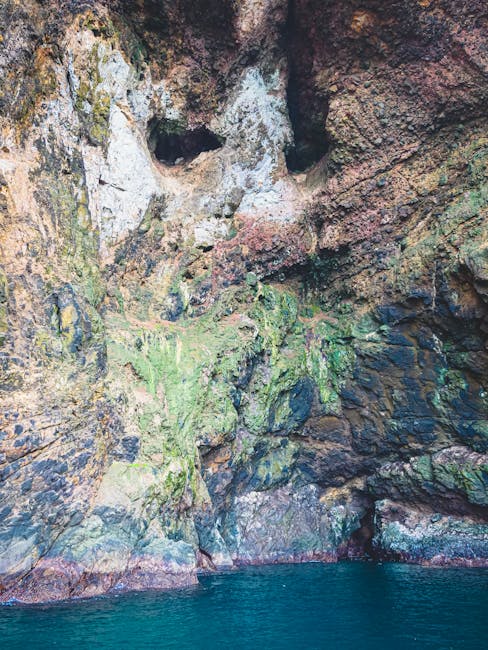
Volcanic caves along Etna feature rough textures and dark-hued chambers that contrast sharply with deep blue water. The Grotta delle Sirene, small cavities in Baia di Recanati and some caverns under Taormina’s cliffs resemble natural theaters where light filters in creating greenish and blue halos.
Prices and organization: shared zodiac or traditional boat trips departing from Giardini Naxos or Taormina cost between €25 and €55 per person for 3–4 hours, often with snorkeling gear included. Private half-day outings (6–8 person motorboat) range €220–€450 depending on season and availability.
Navigation tips:
- Watch for the east wind (Levante) which can make cave approaches tricky; always ask the captain about sea conditions before entering.
- For cave photography, use a polarizing filter and time your entry with the sun angle (typically 10:00–15:00 for south-facing caves).
- If you want to combine volcanic sightseeing with sea caves, book a combined Etna + bay boat tour with a licensed operator (check insurance and permits).
Conclusion — Planning Your Trip, Safety Rules and How to Protect These Fragile Places
Exploring Sicily’s hidden coastal caves by boat is an unforgettable experience: geological variety, crystal-clear water and rich marine life create powerful images and rare moments of relaxation. To close this practical guide, here’s a checklist of concrete actions to take before and during your outing, plus recommendations to respect these delicate marine environments.
Practical planning: start by choosing your departure point (Trapani for the Egadi, Castellammare/San Vito lo Capo for the northwest coast, Porto Empedocle/Realmonte for the south, Giardini Naxos/Taormina for the east). Book your excursion at least 48–72 hours in advance during high season. Check prices and conditions: shared tours €25–€60/person, permit-free rentals €120–€300/day, rentals with skipper €200–€600/day. Consult the local Capitaneria di Porto (contacts listed above) for navigation notices and seasonal restrictions. Finally, bring a small first-aid kit, plenty of fresh water, biodegradable sun protection and a paper chart or marine GPS.
Safety at sea: lifejackets are not optional — the operator must provide one for every passenger. Avoid cave entries in rough seas or strong winds (Levante/Libeccio). If snorkeling, don’t stray from the boat without a visual signal (buoy, flag). Always inform someone on land of your approximate route and expected return time.
Respect and conservation: Posidonia oceanica meadows and coastal ecosystems are fragile — avoid anchoring on seagrass, don’t touch corals or formed rock features and take all rubbish ashore. Choose biodegradable sunscreens, empty bins at the quay and favor local operators committed to environmental practices. Observe local regulations: some caves or coves may be inside protected zones with restricted access during bird nesting or breeding seasons.
Final local tips: aim for off-peak hours (early morning or late afternoon) to avoid crowds, learn a few basic maritime Italian words (capitano, boa, ancora, mare calmo), and stop in a harbor to sample Sicilian specialties: arancini, couscous di pesce (in Trapani), or a seafood platter in Favignana. Sicily’s sea caves are experienced as much by light as by sound — the lap of water, distant groans of engines and sometimes an absolute silence after a dusk swim.
By respecting safety rules and the fragility of these environments you’ll help preserve them so future generations can dive into these glassy azure waters and marvel at the arches, marine stalactites and small caverns that make Sicily’s coastline so magical.