





Discover Mount Etna: an immersive introduction
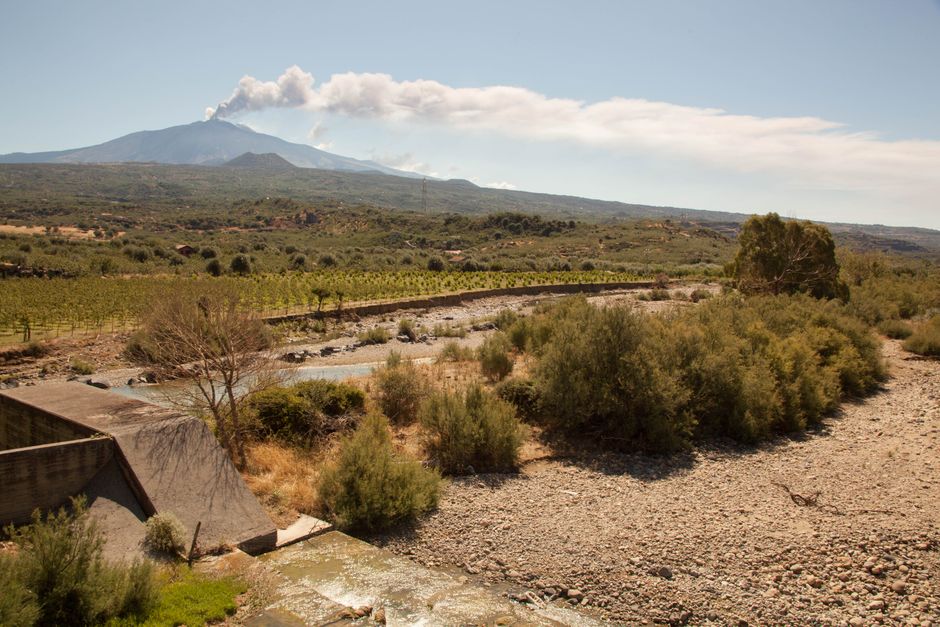
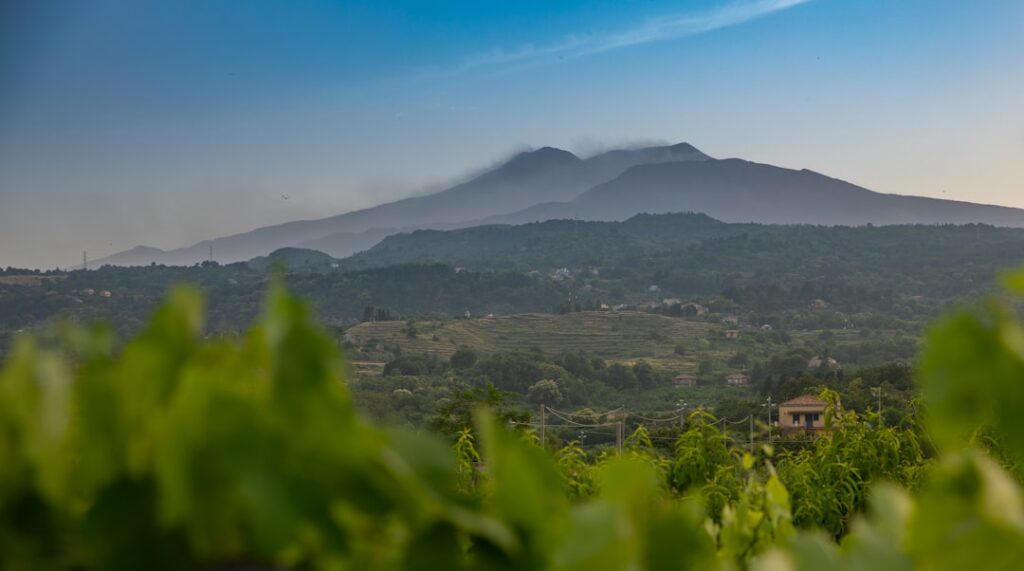
Mount Etna, or « Monte Etna, » is one of Europe’s most iconic volcanoes and a living landscape that has been shaping Sicily for millennia. Sitting on the island’s east coast, it towers over the province of Catania and delivers a spectacular mix of active geology, unique biodiversity and traditional rural Sicilian life. Exploring Etna isn’t just about staring at a cone of cooled lava: it’s about understanding Earth in motion, walking over ancient flows that look fossilized, breathing air scented by juniper and pistachio trees, and visiting villages whose lives revolve around remarkably fertile volcanic soils.
This practical, all-purpose guide aims to be thorough and useful: it combines history, landscape descriptions, can’t-miss trails and concrete logistics (exact addresses, prices in euros, typical opening hours). Whether you’re a beginner hiker, an avid photographer or a curious traveler after a half-day trip from Catania, you’ll find suitable routes, safety tips (gear, weather, volcanic activity alerts) and local recommendations to enjoy Etna with confidence. Descriptions include hands-on details—how to get to trailheads, how much cable cars or guided tours tend to cost, and the best times of day for light and solitude.
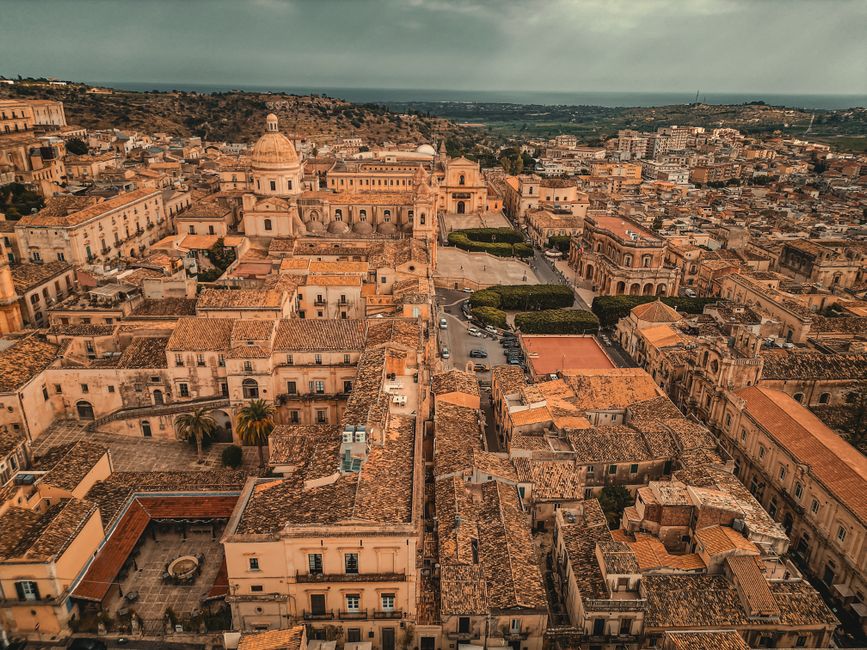
Etna is also inhabited: terraced vineyards, citrus orchards and towns like Nicolosi, Zafferana Etnea, Linguaglossa and Randazzo speak to the centuries-old relationship between people and the fire. Traces of eruptions are everywhere: roads dusted with ash, forests reclaiming old flows, chapels miraculously spared by lava. Exploring Etna invites careful observation—reading lava flows, spotting the different colors of rock, appreciating textures (aphanitic, basaltic, scoriaceous) and listening to local guides recount historic eruptions.
Before we dive into routes and highlights, two essentials: follow bulletins from the Istituto Nazionale di Geofisica e Vulcanologia (INGV) for volcanic activity, and obey instructions from the Parco dell’Etna rangers. In high season some areas require certified guides for safety and protection. Finally, don’t forget water, a windproof jacket, sturdy hiking boots and a headlamp if you plan an early-morning departure for sunrise.
History and geology of Etna: understanding a volcano in action
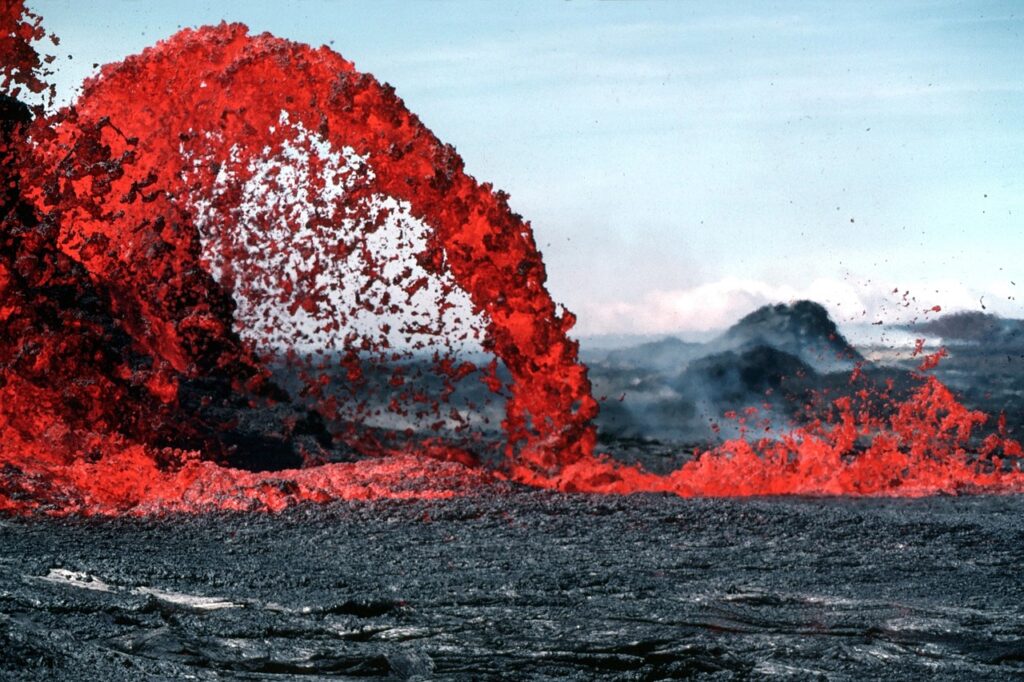
Etna is one of the most studied volcanoes in the world. Geologically, it sits on a complex subduction zone between the African and Eurasian plates. Its activity ranges from effusive lava flows to lava fountains and ash emissions. Historical records mention it since antiquity: Homer and Diodorus of Sicily allude to subterranean fires, and notable eruptions (for example 1669, 1928, 1971, 1991–1993, 2001–2002, 2008–2009 and the frequent recent activity) have left lasting marks on the landscape and local communities.
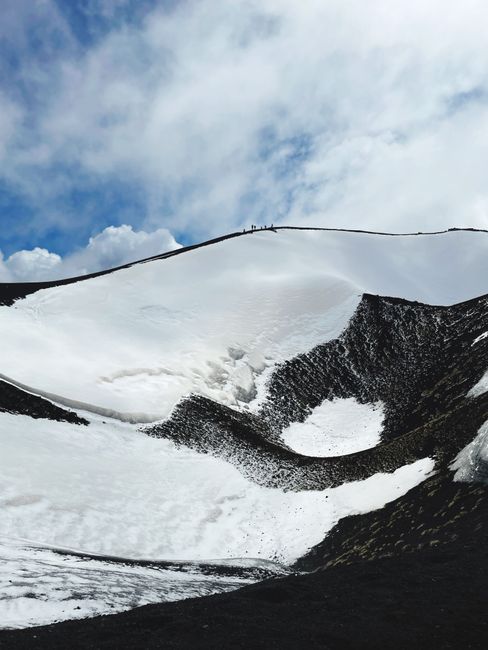
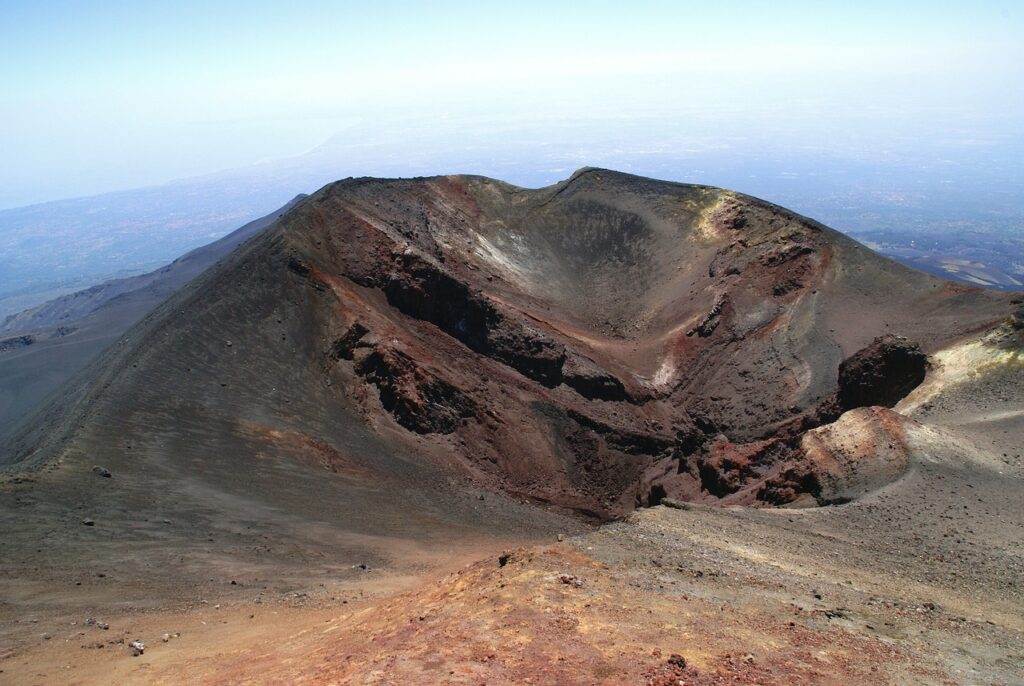
A useful visit begins with reading the visible layers: fresh flows (black and glossy), older flows now covered by vegetation, and light-colored pyroclastic deposits. The volcano also comprises several summit craters (the Central Crater, the Southeast Crater and multiple lateral craters) that evolve with each eruptive phase. Scientists use GPS surveys, thermal cameras and gas analyses (SO2, CO2) to anticipate active phases. For visitors this means zones can be temporarily closed for safety.
Human influence here is long and paradoxical: volcanic soils are exceptionally fertile, favoring viticulture (varieties like Nerello Mascalese and Carricante), tree crops (almonds, pistachios) and horticulture. Around Etna, protected areas and botanical reserves showcase surprising biodiversity, with species adapted to alkaline soils and microclimates created by elevation. The Parco dell’Etna—the official protected area—safeguards these habitats and manages tourist access while collaborating with scientific authorities for monitoring.
Diving into Etna’s history and geology greatly enhances your on-the-ground experience: every flow, every clump of juniper tells a story. To go deeper, visit interpretation centers and local museums, join guided trips where volcanologists explain dynamics in the field, or check bulletins from the Istituto Nazionale di Geofisica e Vulcanologia (INGV) online. Understanding Etna’s past helps you fully appreciate its contemporary power and beauty.
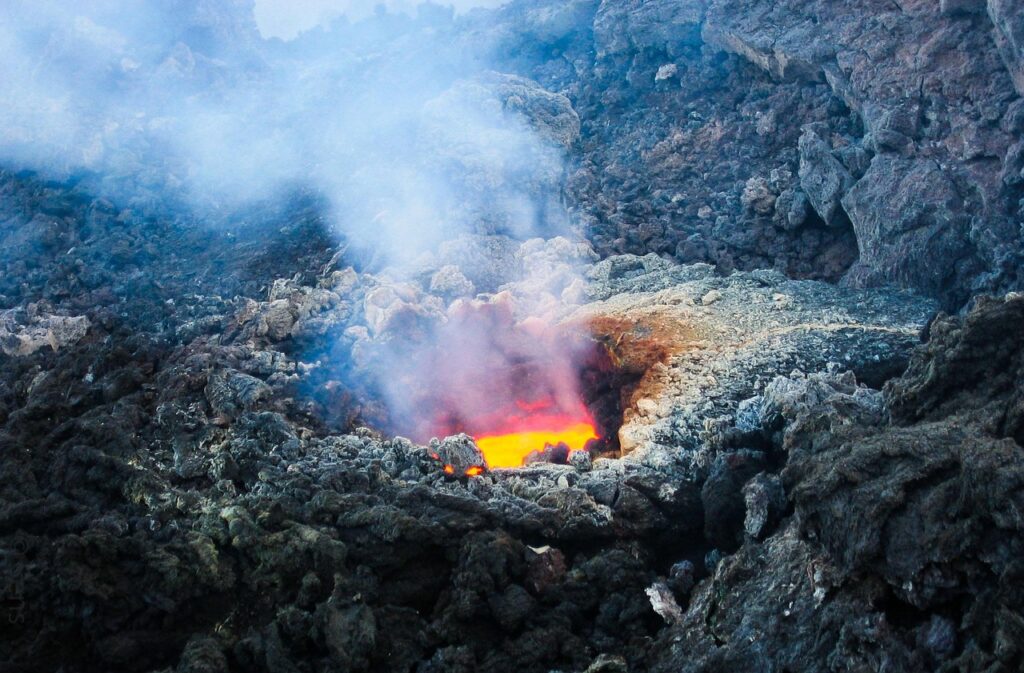
Access points and logistics: where to start, hours, addresses and essential prices
Etna is mainly visited from several well-organized access points. Here are the most commonly used locations and practical details, including addresses, typical hours and usual price ranges (euros, subject to seasonal change):
- Rifugio Sapienza (southern base) — Address: SP92, 95030 Nicolosi CT, Italy. Hours: generally open daily from 08:00 to 18:00 (times vary by season). Services: Funivia dell’Etna ticket office, guide agencies, parking. Funivia fare (roundtrip): about €35 per adult. Combined Funivia + 4×4 minibus + guide to reach high zones: between €60 and €100 depending on operator. Recommended contact: Funivia dell’Etna – Rifugio Sapienza.
- Piano Provenzana (northern base) — Address: Via Roma, 98035 Linguaglossa ME, Italy (Piano Provenzana area). Hours: service points typically open around 09:00–17:00 (winter hours may vary). Services: departures for northern hikes, equipment rental, guides. Road access from Messina/Palermo. Lift and shuttle prices vary, roughly €20–€60.
- Parco dell’Etna – Information Office — Address: Via S. Vito, 11, 95030 Nicolosi CT, Italy (administrative offices and local info points). Hours: weekdays 09:00–13:00 and 15:00–18:00. Fees: park access is free, but some high-altitude zones may require paid guides or private access services.
- Tourist Office Zafferana Etnea — Address: Piazza Umberto I, 98039 Zafferana Etnea CT, Italy. Hours: 09:00–13:00 and 15:00–18:30 (high season). Services: booking excursions, advice on vineyards and local festivals.
Practical tips: from Catania you can reach Rifugio Sapienza by car in about 40–60 minutes (SS284/SP92). Local buses also serve Nicolosi and Zafferana Etnea from Catania Central Station (Stazione Centrale di Catania, Piazza Papa Giovanni XXIII, 95123 Catania CT; timetables vary). If arriving by train or plane, renting a car gives more freedom: roads around Etna are winding but well maintained.
Safety and regulations: access may be restricted at certain altitudes or during heightened volcanic activity. Authorities may require a certified guide to reach summit craters. Local operators (alpine guides and trekking agencies from Nicolosi and Linguaglossa) offer supervised services and provide necessary equipment (helmets, poles, small crampons in winter). The prices above may or may not include gear—always ask for a clear list of what’s included.
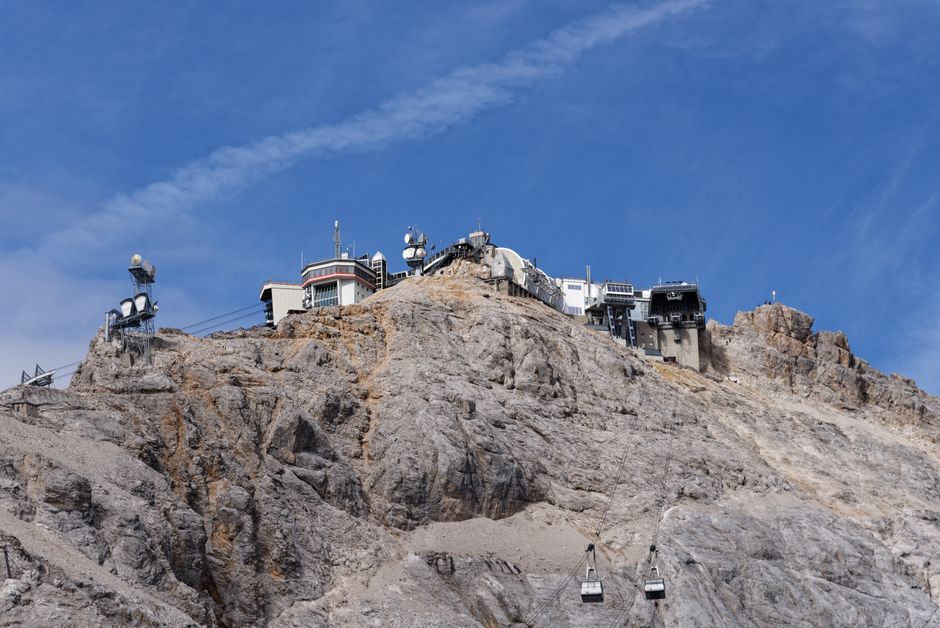
Must-do trails: hikes for every level
Etna’s trails suit a range of walkers—from easy strolls through the Monti Sartorius forest to more technical climbs toward the summit craters. Here’s a selection of can’t-miss routes with duration, difficulty, trailheads and preparation tips.
1) Sentiero dei Crateri Silvestri (Rifugio Sapienza)
Trailhead: Rifugio Sapienza, SP92, 95030 Nicolosi. Duration: 1–2 hours roundtrip. Difficulty: easy to moderate. Description: this short loop lets you walk close to the two large Silvestri craters formed by the 1892 eruption. The path alternates between black lava fields and small ash dunes, offering direct views of more recent flows. Ideal for families and photographers, it’s accessible year-round except when heavy ashfall or smoke makes the area unsafe. Recommended gear: hiking shoes, water (at least 1 liter per person), sun protection.
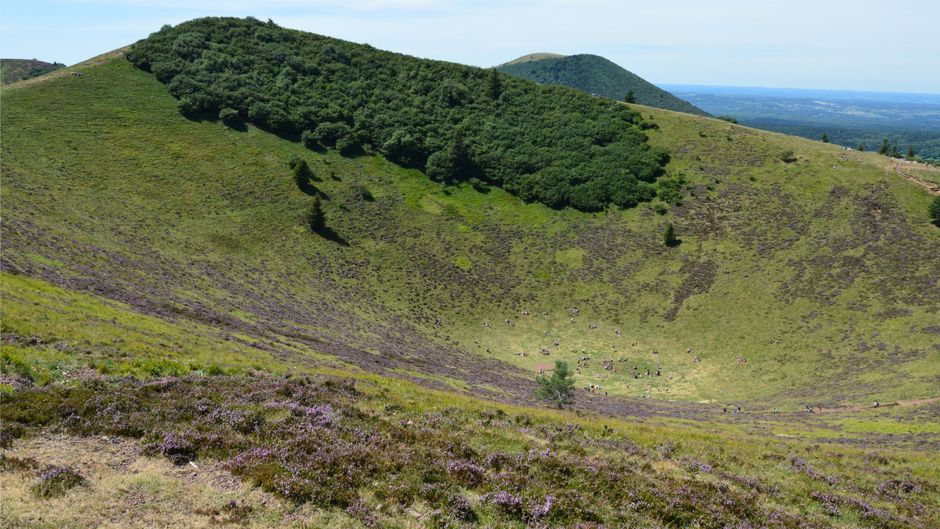
2) Monte Zoccolaro Trail (Piano Provenzana)
Trailhead: Piano Provenzana, Via Roma, 98035 Linguaglossa. Duration: 2–4 hours. Difficulty: moderate. Description: this route crosses older lava flows and stands of beech and juniper. The summit offers views over the Ionian coast and Etna’s northern flanks. On clear days you can see Taormina’s bay and experience Etna’s scale fully. Note: in winter, snow and ice require proper equipment.
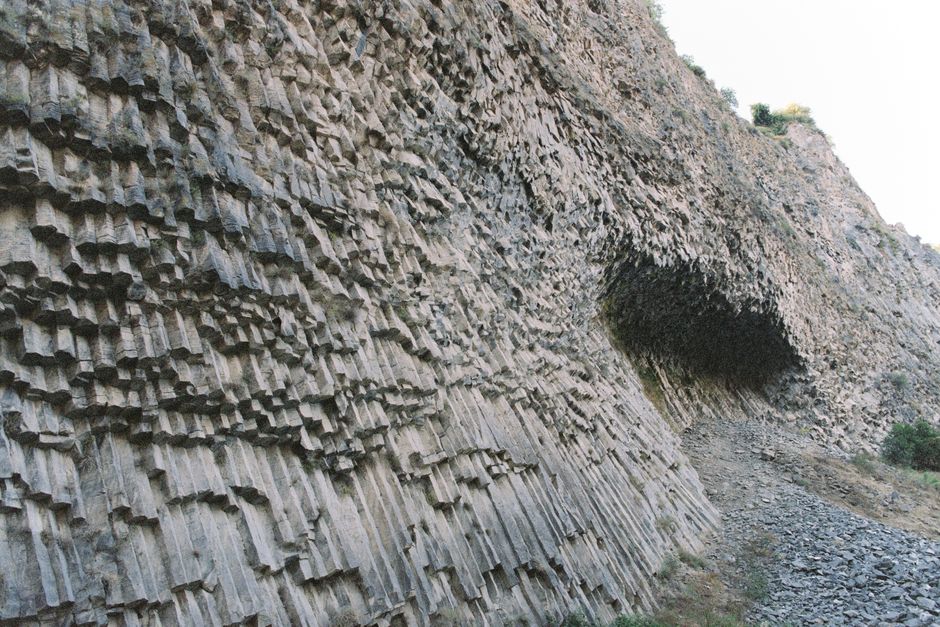
3) Guided ascent to the summit craters
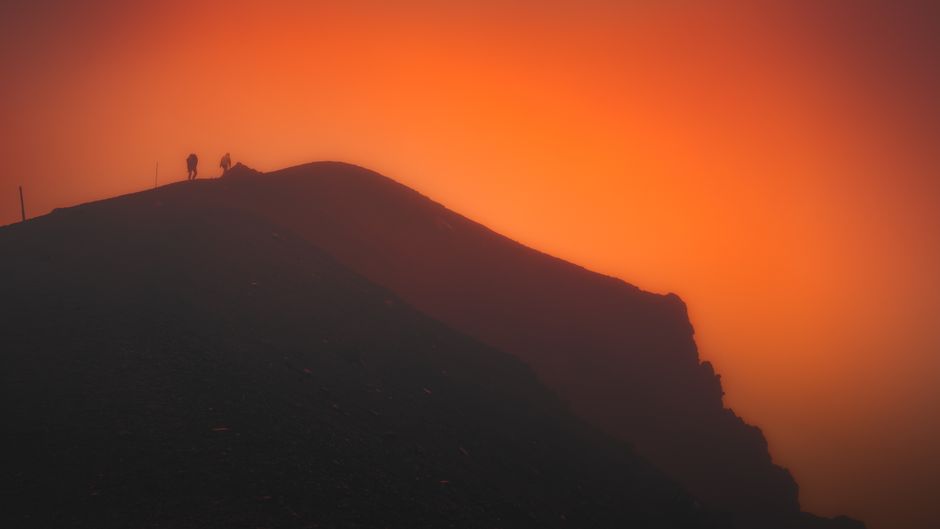
Trailhead: Rifugio Sapienza or Piano Provenzana. Duration: half-day to full day (4–8 hours depending on itinerary). Difficulty: hard (unstable terrain, high altitude). Description: ascending to the summit craters (above 2,800–3,300 m) almost always requires a certified guide. Typical excursions combine the Funivia + 4×4 minibus from Rifugio Sapienza up to around 2,900 m, followed by a guided climb to the crater rims. Indicative price: €60–€120 per person (depending on inclusions). Times: morning departures around 08:00–09:00 to catch optimal light and stable weather. Rules: helmets mandatory, stay in marked areas, no rock collecting.
4) Hike to the Valle del Bove
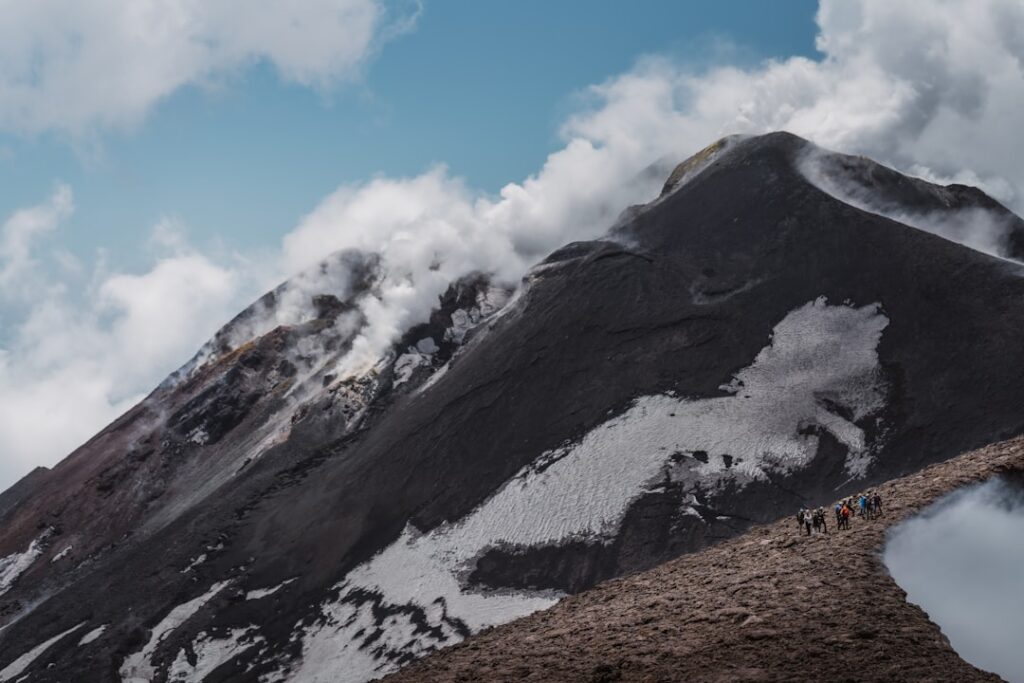
Trailhead: access via SP92 road or marked trails from Nicolosi or Randazzo. Duration: 4–6 hours roundtrip. Difficulty: moderate to hard (long distances, exposure). Description: the Valle del Bove is a massive depression on Etna’s eastern slope, offering a dramatic view of successive lava layers. The amphitheater effect creates striking shadow-and-light patterns—perfect for photography. Bring plenty of water and wind protection—the valley can be very exposed.
Practical trail tips: start early to avoid summer afternoon storms; check INGV forecasts and Parco dell’Etna updates; don’t hike above the tree line alone without a guide; follow drone regulations (often forbidden). Rifugios and service points (Rifugio Sapienza, private huts at Piano Provenzana) provide basic food and toilets—check closing times.
Complementary experiences: vineyards, lava caves and sustainable tourism
Etna is more than hiking terrain: it’s a renowned wine region, a geological playground with lava caves, and a place where sustainable tourism is actively promoted. Here are experiences to add after (or between) hikes to better understand and savor the area.
Vineyard visits and tastings
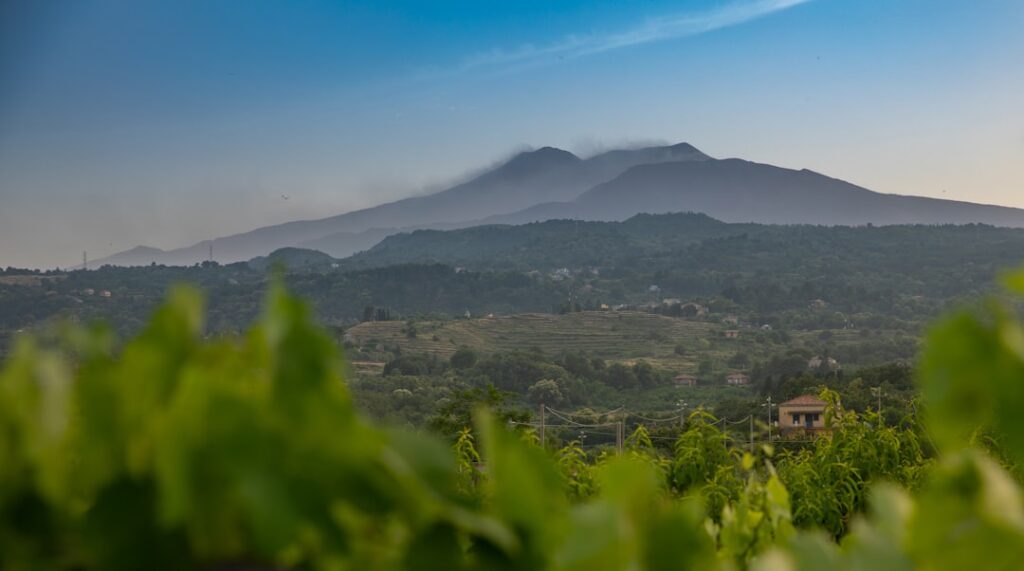
Altitude and volcanic soils produce powerful yet elegant wines. Estates like Benanti (Via S. Tecla, 14, 95010 Viagrande CT, Italy) and Tenuta delle Terre Nere (Via Santa Maria La Stella, 81, 95030 Castiglione di Sicilia CT, Italy) offer tastings and cellar tours. Tasting fees: typically €15–€40 per person depending on the package. Hours: visits by reservation, commonly 10:00–17:00 (some wineries closed Mondays). Tip: book ahead in high season and pair a tasting with a visit to the terraced vineyards to understand hillside farming.
Lava caves and volcanic tubes
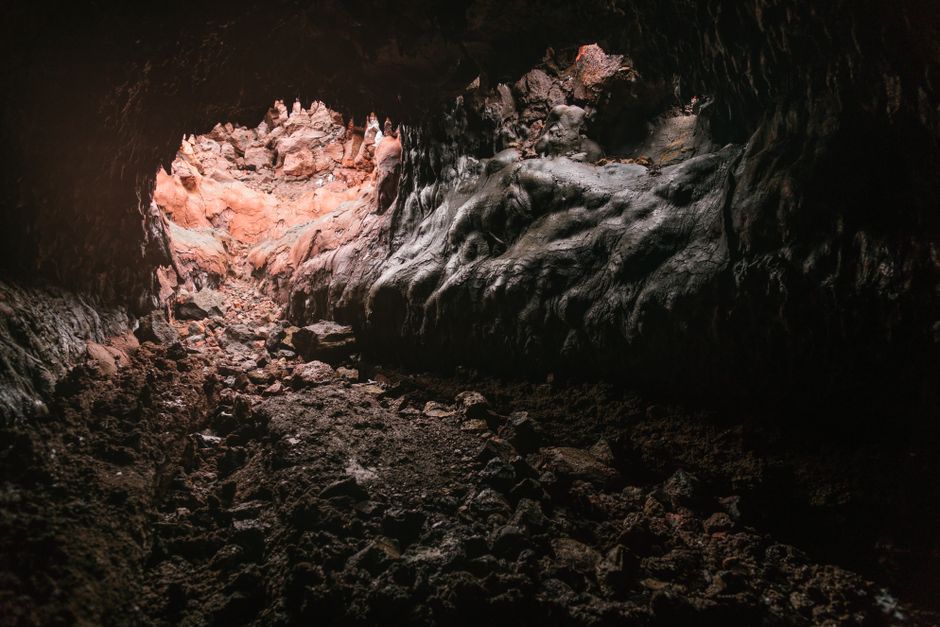
Lava caves, such as the Grotta del Gelo (on the northern slopes and requiring a guide) or other tubes around Piano Provenzana, offer an underground perspective on volcanic history. These caves can host permanent ice or fascinating lava formations. Access: often guided only for safety reasons; caving guide fees: €30–€70. Gear: light, helmet, sturdy shoes; guides sometimes provide suits depending on the cave.
Sustainable tourism and local initiatives
The Parco dell’Etna and many local cooperatives promote sustainable practices: limiting tourist buses in sensitive areas, encouraging low-impact routes, and showcasing local products (honey, cheese, pistachios, wines). Favor local guides, stay in agritourisms (e.g. Agriturismo San Michele — Via Montestrutto, 1, 95030 Castiglione di Sicilia CT, prices vary), and stick to marked trails to reduce erosion. Pack out your trash and avoid buying volcanic rock souvenirs (they can harm the landscape) to help conserve the site.
Local tips and safety: best practices, gear and seasons
To make the most of Etna, follow these local tips and safety rules based on guides’ experience and park authorities:
- Check volcanic activity: consult INGV bulletins (Istituto Nazionale di Geofisica e Vulcanologia) and Parco dell’Etna updates before you go. If an alert is issued (high activity), some areas may be closed.
- Essential gear: sturdy hiking boots, layered clothing (windproof/rain jacket), water (at least 1.5–2 L for hot days), sunglasses, sunscreen, hat, helmet if provided by your guide. In winter, bring crampons, gaiters and thermal clothing.
- Certified guides: hire a certified guide for areas above 2,800 m and for lava caves. These pros know safe routes, how fumaroles evolve and evacuation protocols. Costs: €40–€100 depending on duration and group size.
- Recommended times: early departures (06:00–09:00) to avoid summer heat and catch soft light. Sunsets are stunning but require careful planning for your return or an overnight in a refuge.
- Transport and parking: use official parking areas (Rifugio Sapienza has a large parking area with seasonal paid/free options). Don’t park on unauthorized verges; during eruptions roads can close quickly.
- Respect nature: do not collect rocks or archaeological items, avoid fires and stay on marked trails to protect vegetation regrowth on old flows.
Seasons: spring (April–June) brings blooming vegetation and mild temperatures; summer (July–August) is hot and busy—watch for afternoon storms; autumn (September–October) pairs harvests with golden light perfect for photos; winter (December–March) offers snow and skiing (Piano Provenzana and northern sectors) but requires gear and access checks.
Conclusion: plan your trip and be amazed responsibly
Etna is a destination that blends adventure, science and culture. By planning your visit carefully—checking activity bulletins, choosing the right access points (Rifugio Sapienza in the south, Piano Provenzana in the north), and booking guides and tastings in advance—you’ll maximize safety and enjoyment. The routes covered here offer a range of experiences, from family-friendly walks around the Silvestri craters to guided summit ascents, plus immersion in local winemaking and exploration of lava caves.
Don’t forget the logistics: useful addresses (Rifugio Sapienza, SP92, 95030 Nicolosi CT; Piano Provenzana, Via Roma, 98035 Linguaglossa ME; Parco dell’Etna offices, Via S. Vito, 11, 95030 Nicolosi CT), price ranges (e.g. funivia ~ €35, funivia+4×4+guide combos ~ €60–€100, wine tastings €15–€40) and typical opening hours (tourist services generally 08:00–18:00—check seasonality). These practical benchmarks will help you plan a day, a weekend or a week on Etna.
Finally, respect the place: Etna is a natural heritage site in constant change. Choose responsible operators, follow park rules and embrace sustainable behaviors to help preserve this unique site for future generations. Whether it’s a short hike, a crater ascent or a wine tasting on volcanic slopes, Etna delivers powerful emotions and unforgettable landscapes. Pack your camera, lace your boots, and let this Sicilian giant surprise you.