





Introduction: Festa dei Giganti in Sicily — a journey into towering statues, legends and parades
Sicily is an island of contrasts, scents, colors and living traditions. Among its most fascinating cultural events, the « Festa dei Giganti » occupies a special place: popular celebrations where huge mobile statues — the « giganti » — move through the streets, flanked by processions, music, dancing and local rituals. These events blend religion and folklore, collective memory and live spectacle, offering visitors a full immersion into the Sicilian spirit. If you love history, folk art, or simply big street parties, the Festa dei Giganti is an experience you’ll want to add to your itinerary.
The tradition of the « giganti » has many roots: medieval and baroque influences and sometimes echoes of pre-Christian rites. In each town or village, the statues have faces, names and their own backstory: sometimes they depict patron saints, sometimes allegorical figures, sometimes royal couples or characters from local mythology. Materials vary by community — wood, papier-mâché, fabric, metal — and the making is often the result of collective craftsmanship passed down through generations.
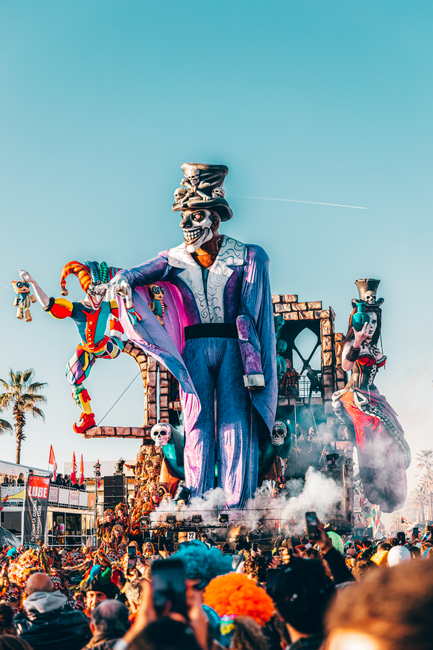
Across the island, the Festa dei Giganti takes many forms: in some places it’s a daytime parade with brass bands, horses and folk groups; in others, you’ll witness full religious processions where the giants move alongside relics, candles and prayers. Sometimes the highlight is a « contrasto » — a staged symbolic clash between giants — sometimes it’s a ritual dance or a historical reenactment. Visitors will also find side exhibitions (museums, artisan workshops), food markets and musical events. It’s also a great chance to savor Sicilian cuisine in its local varieties: arancini, cannoli, panelle, regional wines and seafood.
Planning your visit takes a bit of organization: dates differ by municipality (often tied to the patron saint’s calendar), crowds can be large, and some events follow precise routes and schedules. In this general guide we offer a detailed look at the emblematic places in Sicily where these festivals take place, exact addresses (public squares, museums, tourist offices), typical timetables and practical tips — including price indications when associated exhibitions or museums require a ticket. We also include local recommendations to make the most of your stay (where to eat, how to get around, tips for photographing without disrupting participants).
The nature of Sicilian giants: materials, making and symbolism
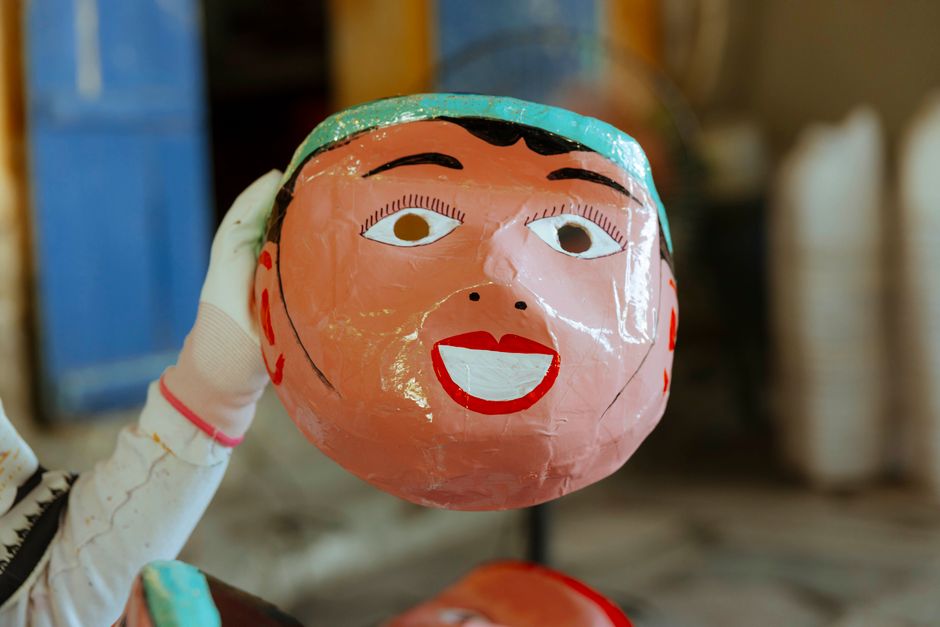
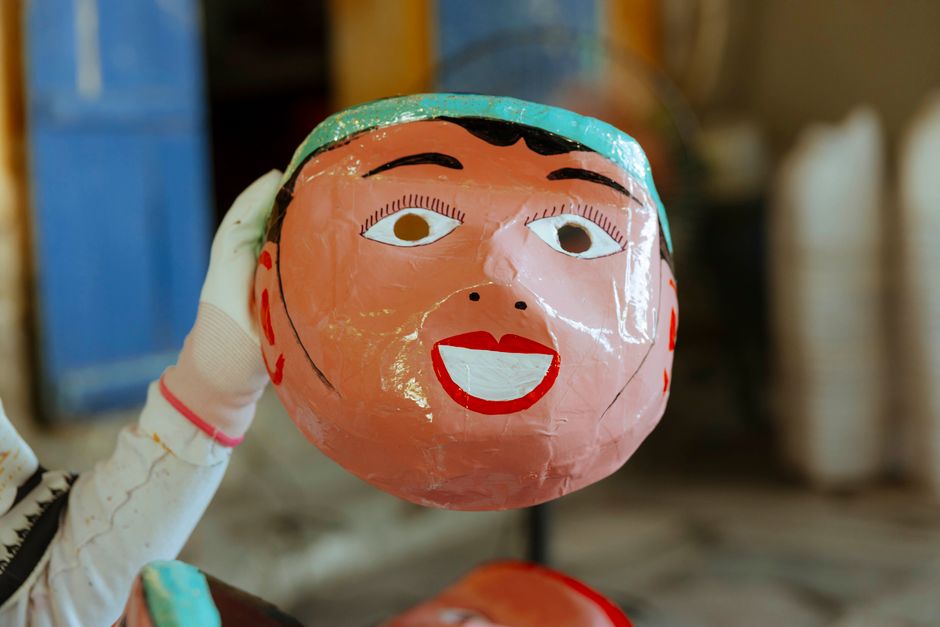
Sicilian « giganti » don’t all look the same. In some towns they’re massive (sometimes 3 to 4 meters tall), articulated and carried by several people; elsewhere they’re lighter, mounted on wheels and operated by internal mechanisms. Understanding how they’re made and what they symbolize helps you appreciate the festival more.
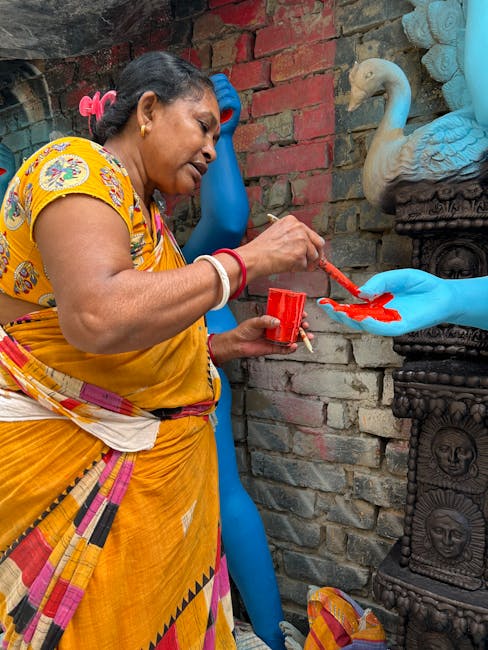
Materials and techniques: traditionally, wood was used for the frame, papier-mâché for the face and limbs, and fabrics, paint and gilding for the costumes. Today, traditional materials are often combined with modern components (fibers, resins, lightweight metal frames) to ensure durability and safety. Local craft workshops are sometimes open to the public during preparations: some municipalities run « open studio » days in the week leading up to the festival.
Symbolism: each giant has an identity — a name and a symbolic role. For example, in some villages the giant represents the patron saint (e.g., Saint Roch, Sant’Agata, San Sebastiano), while in others it embodies secular figures (a king and queen, an allegory of fertility, or a local hero). Moving the giants through the urban space is a ritual act: it purifies, blesses or recalls a historical event. These scenes are often accompanied by symbolic elements: blessings, offerings, fireworks, or festive « scontri » between rival giants.
Visiting a workshop: if you want to see how they’re made, look for places called « Laboratorio dei Giganti » or the workshops run by local folk associations. Typical example: « Associazione I Giganti di Sicilia, Via Roma 12, 95024 Acireale (CT) » — many workshops open from 09:00 to 12:30 and 15:00 to 18:30 on preparation days (check ahead). Visits are often free, though some workshops ask for a small contribution (€5–10) to cover materials and restoration.
Main spots in Sicily to follow the Festa dei Giganti (addresses and opening times)
The Festa dei Giganti takes place across several centers in Sicily; here’s a selection of representative locations with addresses, typical times and practical information. Note that giant processions are usually free to the public, but some associated exhibitions may charge an entrance fee.
-
Acireale — Centro Storico, Piazza Duomo
Address: Piazza Duomo, 98031 Acireale CT, Italy.
Description: Acireale, famous for its carnival, also features large statues during local religious festivals. Parades often start from Piazza Duomo at 16:00 and run until 22:00. The route crosses Corso Savoia and Via Vittorio Emanuele. Access: free.
Tip: arrive before 15:30 to secure a good photo spot near the Cathedral of Sant’Antonio. Recommended parking: Parcheggio Piazza Dante, Via Duomo (paid, about €1.20/hour). -
Catania — Piazza Giovanni Verga / Teatro Romano
Address: Piazza Giovanni Verga, 95131 Catania CT, Italy (near the Teatro Romano, Via Vittorio Emanuele II 121).
Description: In Catania the giants appear sometimes during the patron saint’s feast or folkloric events; departures typically occur between 10:00 and 18:00. Temporary exhibitions at Museo Civico Castello Ursino, Piazza Federico di Svevia 1 (open 09:00–19:00; admission around €6 adult, €3 reduced).
Tip: combine a visit to the Roman theatre (Via Vittorio Emanuele II 121, variable hours, combined ticket often €4–8) with the parade. -
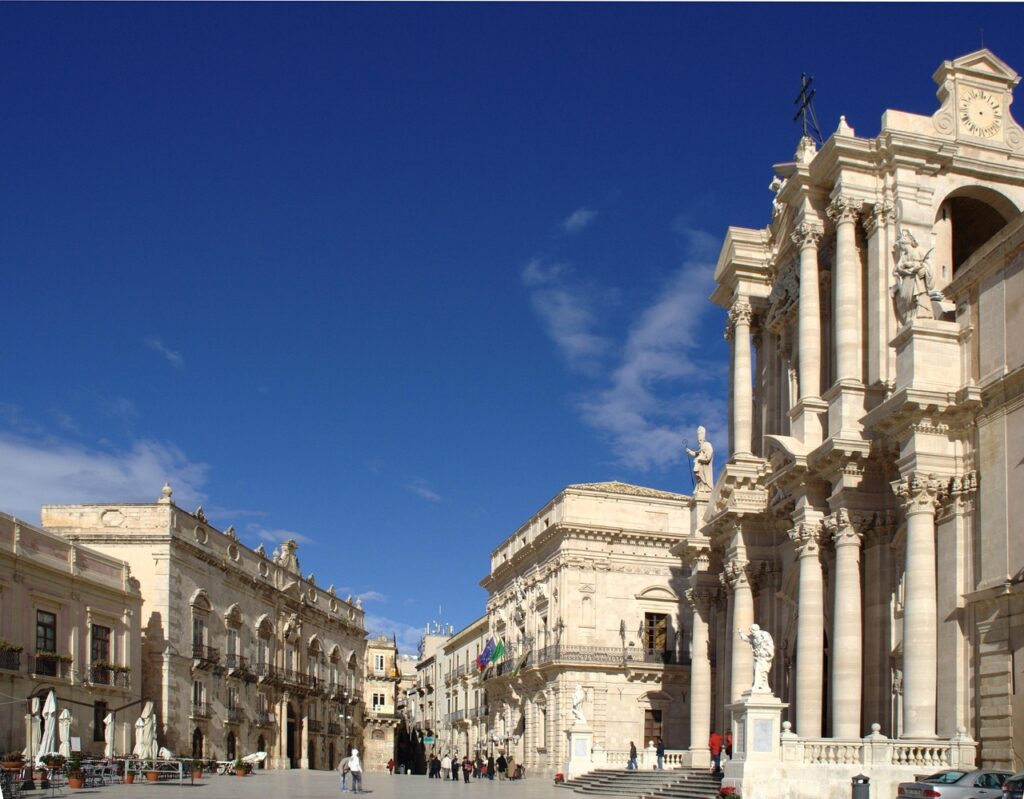
Noto — Corso Vittorio Emanuele
Address: Corso Vittorio Emanuele, 96017 Noto SR, Italy (historic center).
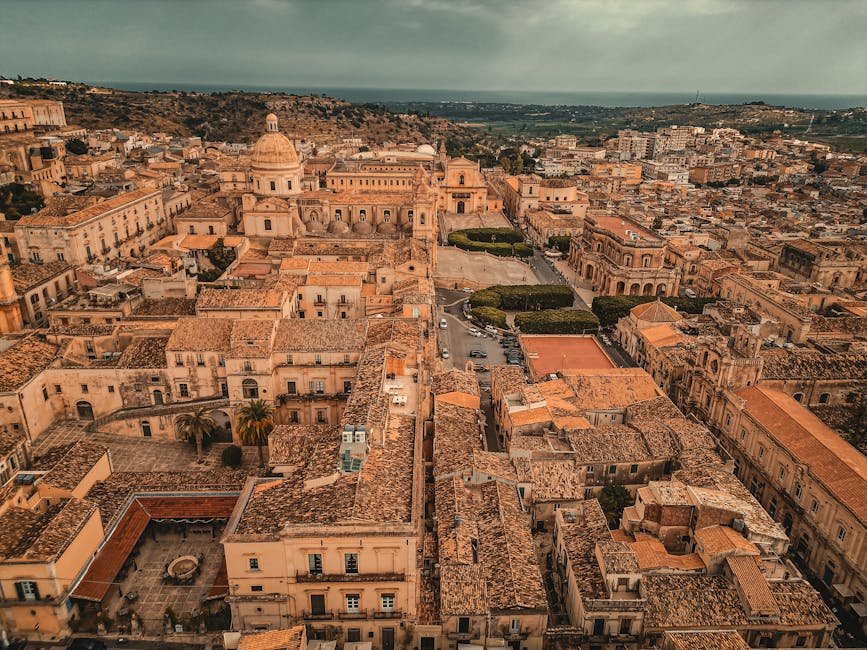
Description: Noto and the villages of the Val di Noto stage baroque giants along the city’s stone streets. Parades often take place in the evening, 18:00–23:00, lit by lanterns with brass bands. Free access. Recommendation: book the guided visit « Noto Barocca » (Ufficio IAT, Via Cavour 8, opening hours 09:00–13:00 / 16:00–19:00; guide fees €8–15 depending on length). -
Enna — Piazza Vittorio Emanuele
Address: Piazza Vittorio Emanuele, 94100 Enna EN, Italy.
Description: Enna holds traditional celebrations with giants during patronal festivals (dates vary). Processions often last all day with highlights at 11:00 and 20:00. Local museums, like Museo Archeologico Regionale Paternò, offer complementary exhibitions (check local hours; typical entry €3–6).
Tip: parking near the historic center is limited; use the « Parcheggio Villa » (Via Roma) and walk in.
Typical flow of a Festa dei Giganti day: suggested itinerary and timings
If you’re planning to attend a Festa dei Giganti, here’s a sample full-day itinerary with suggested times, exact places and practical tips to get the most out of the event.
Morning (09:00–12:30) — Preparations and workshops: start your day by visiting a workshop or an exhibition. Typical address: « Associazione Folkloristica, Via Garibaldi 45, 96017 Noto SR » (workshop hours 09:00–12:30). This morning immersion lets you watch giant restorations and ask artisans questions. Visits are often free or ask for a donation of €5–10.
Midday (12:30–14:30) — Food break: book a table at a local restaurant to taste Sicilian specialties. Typical recommendation: « Trattoria del Gigante, Via Roma 22, 95024 Acireale CT » (open 12:00–15:00, main dishes €10–18, tasting menu €25–35). Favor seasonal dishes and ask for the house specialties (arancini, caponata, fresh fish). Make reservations on weekends.
Afternoon (15:00–18:30) — Parades and processions: giants usually start circulating in the late afternoon; routes often depart from the main squares (see addresses above). Be ready to walk: public access points are free; reserved grandstand seats (if available) usually cost €5–15.
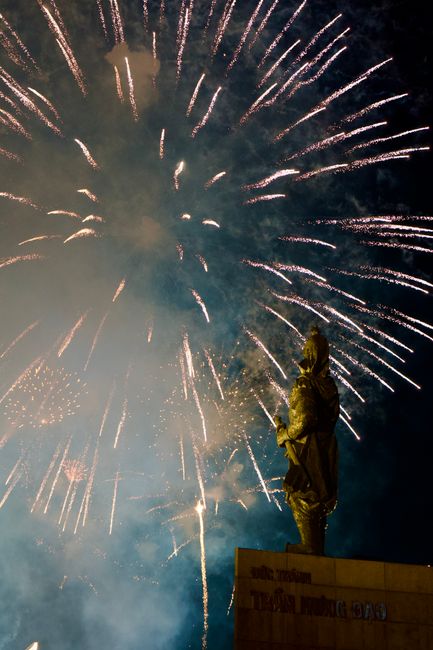
Evening (19:00–23:00) — Night events: some festivals offer a finale (giant dances, fireworks) around 21:30–22:30. Fireworks take place in open areas (e.g., Lungomare, Piazza Vittorio Emanuele), and traffic is often restricted — follow detours posted by the municipal police.
Practical tips: bring water, comfortable shoes, a hat and a light blanket for the evening. If photographing, respect participants: avoid flash during religious moments and ask porters for permission if you want a close portrait.
Local tips, tickets, accommodation and safety
Being well prepared will maximize your enjoyment. Here are concrete tips for tickets, lodging, local transport and safety.
Tickets and access: most Festa dei Giganti parades are free. However, some side events (museum exhibitions, workshop visits, reserved grandstands) require a ticket. Indicative prices: temporary exhibitions €3–8; numbered stands €5–15; local guided tours €8–20 depending on length. Buy official tickets from the Tourist Office (e.g., Ufficio IAT, Piazza Municipio, opening hours 09:00–13:00 / 15:30–18:30). Avoid unauthorized resellers.
Accommodation: book ahead for festival dates. Recommended hotels (examples): Grand Hotel Baia Verde, Via Lungomare 1, 96017 Noto SR — double rooms from €70–120/night (seasonal); Hotel Liberty, Corso Italia 34, 95024 Acireale CT — rooms €60–110/night. For an authentic stay, look for B&Bs in the historic center (prices €40–80/night).
Transport: getting around Sicily sometimes requires patience. Regional Trenitalia trains and intercity buses connect the main towns. Public parking near historic centers is limited; use park-and-ride or paid parking zones. Car rental: agencies in city centers or airports (daily rates €30–60 depending on season and category).
Safety and respect for traditions: show respect during liturgical moments — keep quiet during blessings, no flash photos in religious processions. Don’t stand in the giants’ paths and follow organizer instructions. In an emergency, dial 112 (European emergency number).
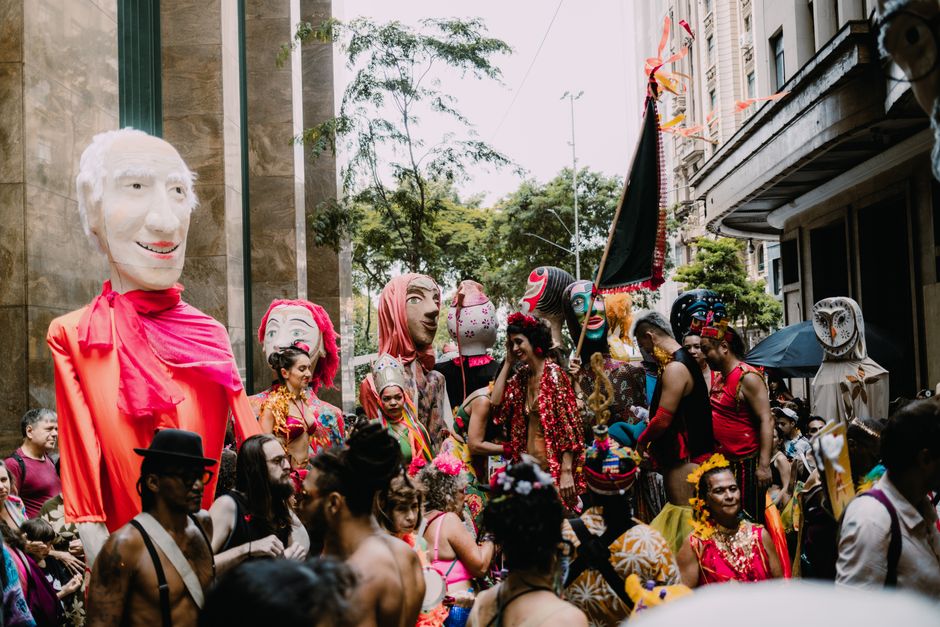
How to photograph and film the giants: technique and ethics
To capture the magic of the Festa dei Giganti, technique matters — but so does ethics. Here are practical tips for hobbyists and semi-pros.
Photo technique: favor wide-angle lenses (24–35 mm) to convey the giant’s scale in its urban setting. For night scenes use a reasonable ISO (800–1600 depending on your camera) and stabilization (tripod or monopod); note that tripods are sometimes banned in crowded areas. For close portraits of artisans or porters, a 50 mm or 85 mm is ideal. Shoot video with a gimbal for smooth moving shots.
Ethics and permissions: always ask permission before photographing people up close, especially porters and participants in religious attire. Respect no-photo rules during sacred rites. Credit the community or organizing association when sharing images on social media (e.g., « Associazione I Giganti di Acireale »); some associations permit image use if you mention the source.
Practical tips: arrive early to capture setup; position yourself at eye level for a more immersive result; don’t stand in front of processions if you don’t have reserved access. Bring spare batteries and memory cards — it can be a long day.
Conclusion: Why the Festa dei Giganti is a must-see in Sicily
The Festa dei Giganti is more than a visual spectacle; it’s a window into Sicilian identity: a mix of history, faith, craftsmanship and conviviality. Walking beneath the shadow of a towering giant, feeling the rhythm of the porters’ steps, hearing brass bands and tasting local specialties makes the experience unforgettable. Each village and city celebrates in its own way — from royal giants to protective saints — offering a diversity that reflects the island’s cultural richness.
For the visitor, the appeal is twofold: the immediate joy of the spectacle and the chance to understand local social dynamics (associations, families, artisans) that keep these traditions alive. With good planning — checking dates with local tourist offices (Ufficio IAT), booking hotels and restaurants, and respecting customs — you’ll have a deeply authentic experience.
Finally, keep in mind that the Festa dei Giganti evolves: it renews itself through restorations, new creations and visitors’ engagement. Your presence, when respectful, helps that renewal by supporting local communities. Whether you’re a photographer, a folk art enthusiast, a foodie or a curious traveler, the Festa dei Giganti in Sicily promises an intense encounter with an island that knows how to celebrate its memory with flair and passion.