





Introduction — Sicilian vineyards: volcanoes, sea and long-standing traditions
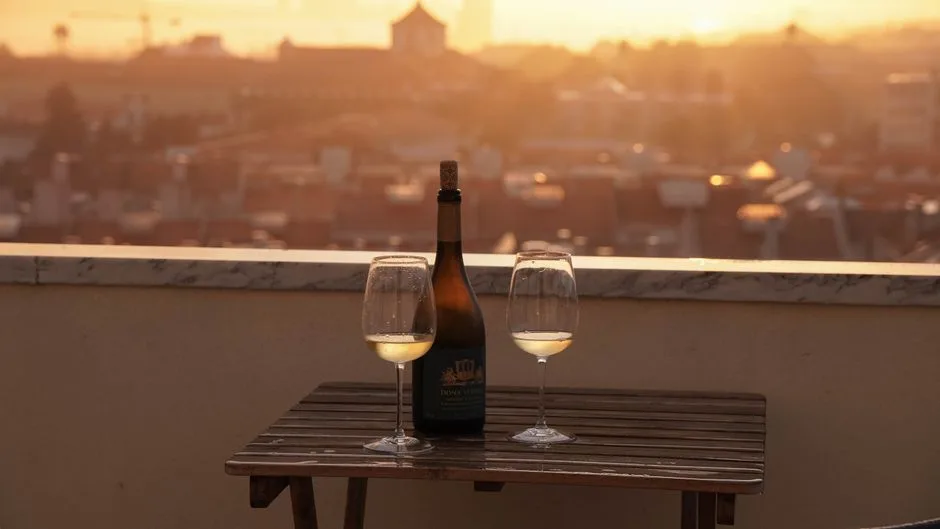
Sicily is more than just a sunny Mediterranean island: it’s a vast, open-air wine region shaped by millennia of history, volcanic soils and microclimates that produce unique, expressive wines. In this guide, we’ll take you through the Sicilian vineyards you shouldn’t miss, explain their distinctive terroirs and introduce the grape varieties that capture the island’s spirit. Whether you’re new to wine or a seasoned enthusiast, this itinerary provides exact addresses, practical opening hours, price ranges in euros and local tips to get the most out of every visit.
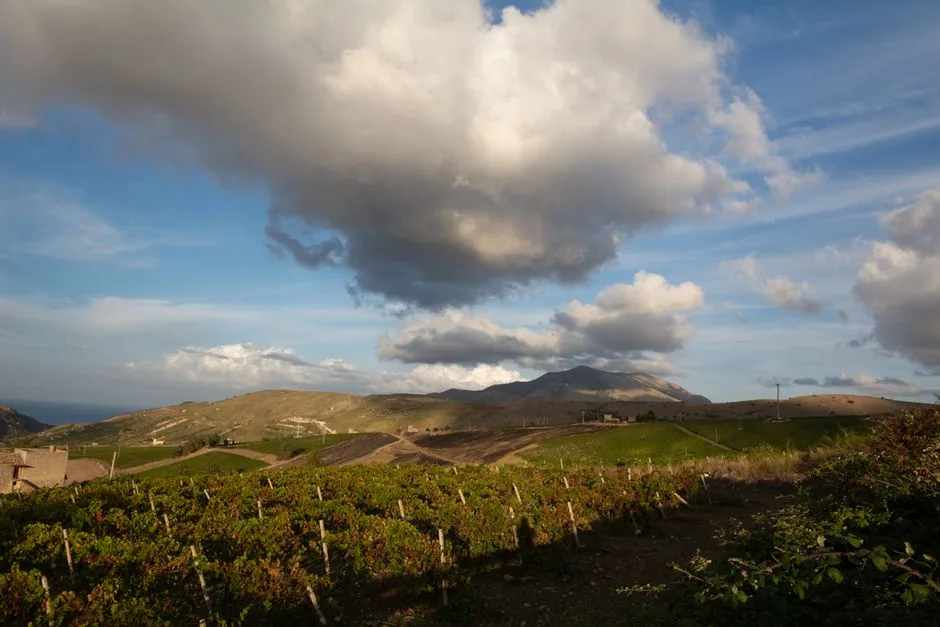
Sicily displays remarkable geographic diversity: Mount Etna’s massif, the rugged northern coast, inland plains such as the Noto Valley, semi-arid southern zones and nearby islands like Pantelleria and the south-western area around Marsala. Each of these areas features particular soils and climatic conditions — alluvium, limestone, clay, volcanic terrains — which shape the aromas and structure of the wines produced. Indigenous grapes like Nero d’Avola, Grillo, Catarratto, Moscato di Pantelleria (Zibibbo), Nerello Mascalese and Frappato offer a wide range of styles: from full-bodied and tannic to light and briny, from floral and aromatic to mineral and taut.
This guide is designed as a practical, immersive roadbook. You’ll find recommended appellations to visit, wineries with exact addresses, opening times and tasting fees, along with sensory descriptions and tips to make the most of every oenological experience. We’ll also cover wine routes, the best times to visit (planting, harvest, quiet seasons), and respectful behaviours to adopt with local producers to preserve the authentic relationship between agriculture, land and culture in Sicily.
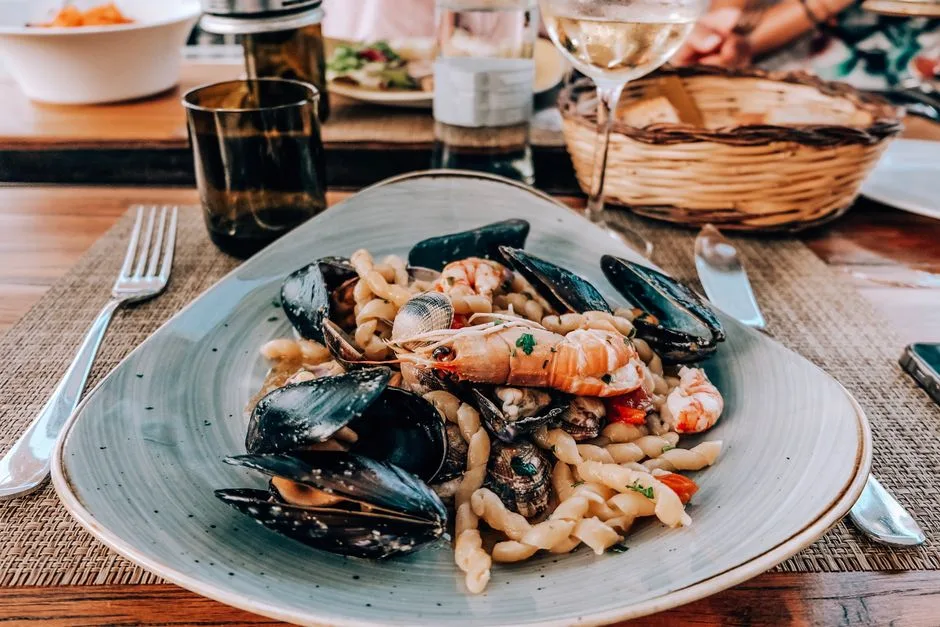
Whether you plan a short itinerary focused around Etna and Taormina, a longer trip across the southern coast to Marsala and Pantelleria, or a gourmet escape in the Noto Valley, this guide gives concrete pointers to organise your wine-centric stay. It also includes practical suggestions: booking ahead, transport options, setting expectations according to the wine styles, and pairing tastings with Sicilian cuisine (peach-based dishes, local cheeses, seafood plates, sweet-and-salty cannoli, etc.).
1) Etna’s terroirs: altitude, basalt and finesse (Nerello Mascalese)
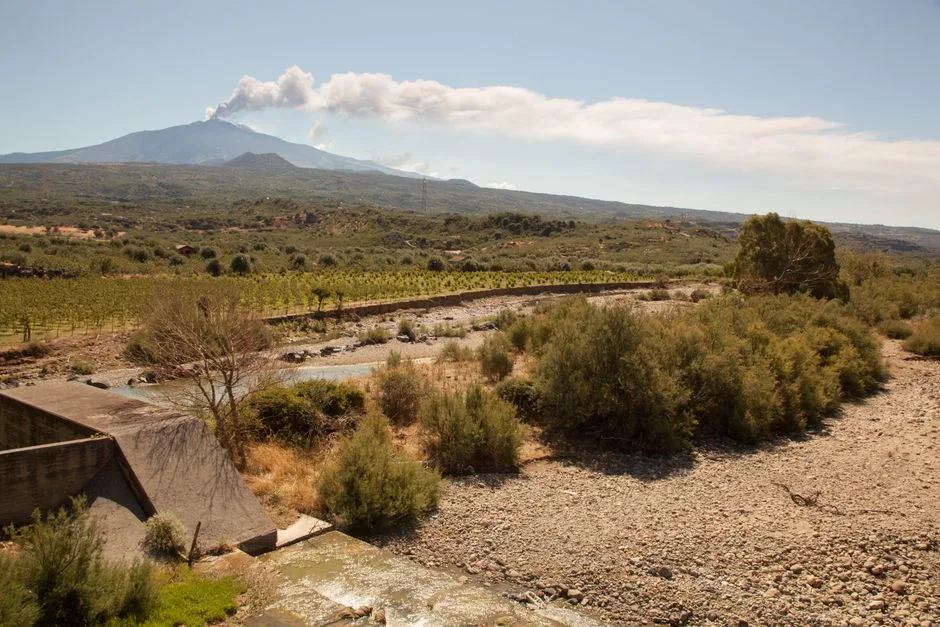
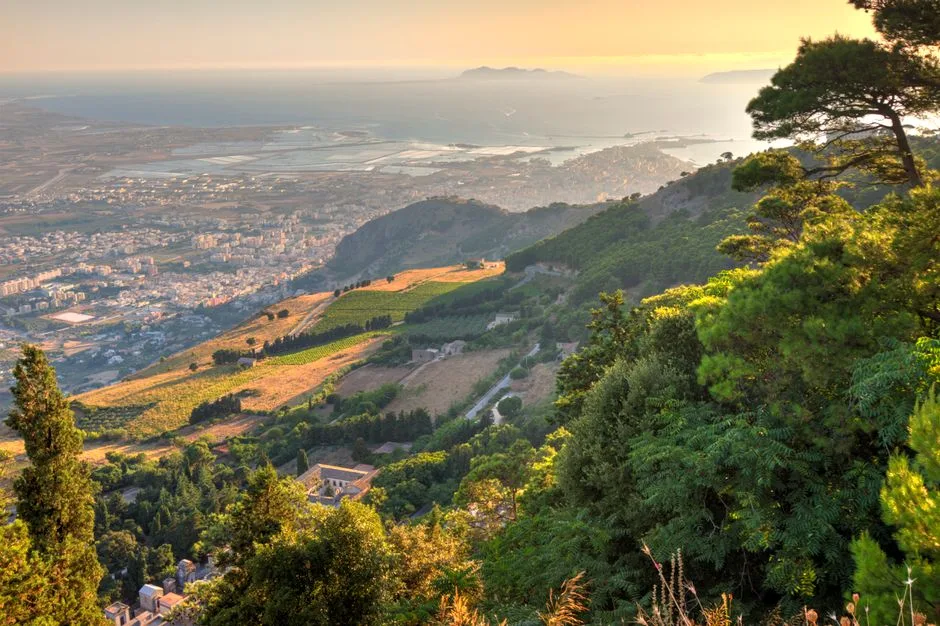
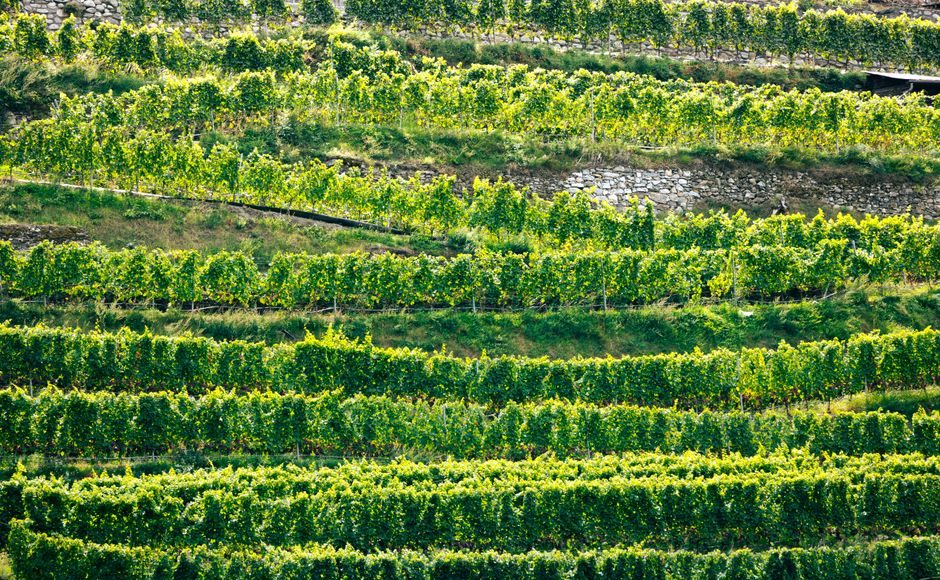
The north-eastern slopes of Etna are among Europe’s most fascinating wine areas. Vineyards planted on terraces or steep slopes sit between 400 and 1,000 metres above sea level on volcanic soils rich in basalt, pumice and ash. These well-draining soils, combined with large day-night temperature swings, produce wines with clear minerality, a distinctive saline lift and strong ageing potential. The flagship grape here is Nerello Mascalese, often blended in small amounts with Nerello Cappuccio or vinified as a single-varietal to showcase the terroir.
Addresses to visit:
- Benanti — Via Provinciale Scarpaci 7, 95030 Viagrande CT. Tastings by appointment, cellar tour and vineyard trail. Opening hours: Mon–Fri 09:00–13:00 / 14:00–18:00, Sat 09:00–13:00. Guided tasting: €18–30 per person depending on the formula.
- Girolamo Russo — Via Mons. Francesco Saverio Intorre 16, 95021 Zafferana Etnea CT. Hours: Tue–Sat 10:00–13:00 / 15:00–18:00. Estate visit + 4 wines: €25.
- Terrazze dell’Etna (private-label estates) — Contrada Guardiola 2, 95010 Castiglione di Sicilia CT. Usually by appointment. Tasting: €20–40.
Immersive description: picture yourself walking between stone retaining walls that hold the terraces, the dry smell of volcanic ash in the air and a sea breeze that moderates the days. Nerello Mascalese reds show red fruit aromas (cherry, raspberry), wild herbs, light spice and an ashy minerality. Their texture is often more elegant than the reds from southern Sicily, with fine tannins and lively acidity. Etna whites (Carricante) develop lemony, floral and mineral profiles — excellent with grilled fish or lemon-forward dishes.
Local tips: book ahead, especially in high season; aim for late afternoons for softer light and cooler temperatures; wear sturdy shoes for steep terrain; ask the producer to show you bare soil to understand the volcanic composition; try a vertical tasting if available to sense how the wines evolve over time.
2) Noto and the Southeast: sun, limestone and indigenous varieties
The province of Syracuse and the area around Noto, Modica and Pachino represent a more southern Sicily, marked by a hotter climate, limestone soils and extended sun exposure. Here, wines express ripeness, generous aromatics and a pleasant salinity from the nearby sea. Key grapes include Nero d’Avola (powerful and fruity), Frappato (light and spicy) and whites like Grillo and Carricante at higher elevations.
Addresses to visit:
- Planeta Noto — Contrada Buonivini, SR-19, 96017 Noto SR. Welcome hours: Tue–Sun 10:00–17:30 (closed Mon). Tastings: €20–45 (classic tasting 3 wines ~€25, full visit + lunch ~€45). Precise address and a modern cellar with a panoramic terrace.
- Feudo Maccari — Contrada Maccari, 96018 Noto SR. Visits by reservation. Tasting hours: 10:00–18:00 (depending on availability). Tasting: €15–30.
- Donnafugata — Via S. Vito 77, 97100 Pachino SR (Chiaramonte Gulfi also hosts other sites). Reservations required. Classic tasting: €20; full visit and meal: €50–70.
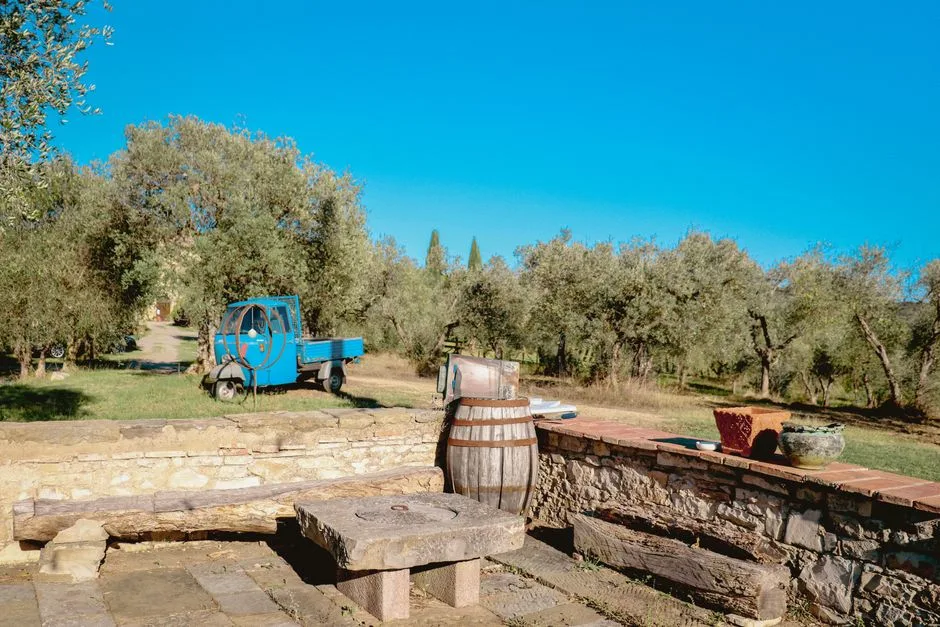
Immersive description: drive along country lanes between olive groves, almond trees and vineyards, then arrive at a sun-bleached cellar where bottles rest in cool underground rooms — the quintessential image of the southeast. Nero d’Avola reds deliver black cherry, plum, gentle sweet spices and sometimes a tobacco note; when aged in oak they can gain silky tannins and subtle wood nuances. Local blends pairing Nero d’Avola with Frappato, like those from Vittoria, balance freshness and complexity — ideal with local dishes (pasta alla Norma, grilled fish, robust cheeses).
Local tips: favour morning visits to escape the afternoon heat; taste the wines alongside local products (Ragusano cheese, sun-dried tomato preserves); whenever possible, seek out family-run estates for a more intimate experience and insight into traditional techniques.
3) Marsala, Trapani and the Marsala terroir: history, sweetness and fortified wines
The Trapani area and the town of Marsala in south-western Sicily are famous for fortified wines — Marsala — as well as for characterful dry whites and sweet wines. The landscape is marked by wide salt pans, sea winds, alluvial soils and arid influences that concentrate flavours. Historically, Marsala was one of the first Italian wines to be exported widely thanks to its ability to withstand long shipments.
Addresses to visit:
- Florio – Cantine Rallo — Via Torres 1, 91025 Marsala TP. Museum, historic cellars and tastings. Hours: Mon–Sat 09:00–18:00. Guided Marsala tasting + 2 wines: €12–20; museum visit + tasting: €18–30.
- Donnafugata (Marsala Cellar) — Via San Leonardo 9, 91025 Marsala TP (reception site). Hours and visits by reservation. Tasting of Marsala and selected bottles: €20–50.
- Baglio Bica — Contrada Ritorna, 91026 Marsala TP. Welcomes by appointment, tasting €15–30.
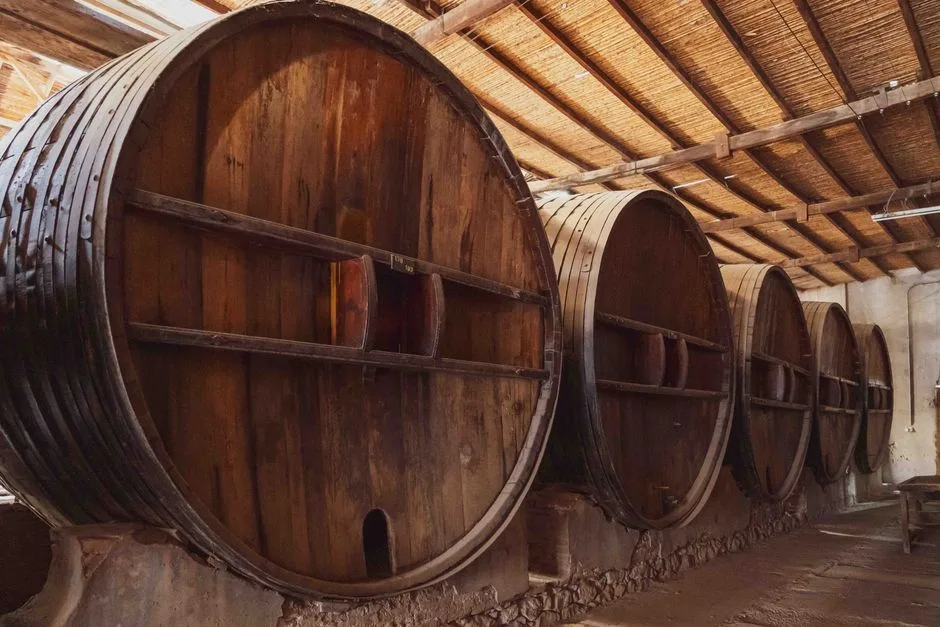
Immersive description: wander among large ancient jars, breathe the bittersweet scent of an aged Marsala and watch the salt pans shimmer at dusk. Dry Marsalas (secco, semisecco) pair superbly with cheeses and antipasti; the sweeter styles (vergini, naturale) accompany desserts and pastries or are used in cooking. Beyond fortifications, the area also produces excellent dry whites (Grillo, Catarratto) with citrus notes and a pronounced maritime salinity.
Local tips: don’t stop at entry-level Marsalas — ask for solera-aged cuvées or riserva bottlings to understand the wine’s complexity; combine your visit with a sunset walk around the Trapani salt pans; pick up a small bottle of cooking Marsala — it will transform sauces and desserts.
4) The west and the DOC Alcamo / Trapani: crisp whites and local gustatory science
Western Sicily, around Alcamo and Trapani, is known for its straightforward white wines, often made from Catarratto, Grillo and Inzolia. Soils range from limestone to light clay and coastal breezes help preserve acidity and freshness despite hot summers. This region is perfect for lovers of dry, aromatic, saline whites that pair beautifully with seafood.
Addresses to visit:
- Marco De Bartoli — Via Prov. Strada, 91100 Marsala TP (contrada area). Cellar and museum dedicated to natural wine and Marsala. Hours: Mon–Sat 09:00–17:00 by appointment. Tasting + visit: €15–35.
- Baglio Oneto dei Principi di San Lorenzo — SP11, 91012 Partanna TP. Hotel and winery, daily visits by reservation. Tasting and tour: €25–50; farmhouse lunch available (book ahead).
- Calamigna Vini — Via Alcamo 22, 91011 Alcamo TP (estate and retail point). Hours: Tue–Sat 09:00–13:00 / 15:00–19:00. Tasting: €10–20.
Immersive description: imagine tasting on the terrace of a baglio (a fortified country house), the sea on the horizon and white wines evoking lemon, green apple, aromatic herbs and a delicate saline note. Local know-how mixes modern techniques with respect for tradition: nocturnal harvests to preserve acidity, gentle pressing and lees ageing to add roundness and complexity.
Local tips: choose tastings that combine several varieties to understand the regional palette; ask the winemaker how they manage summer heat (shading, controlled irrigation); bring a cooler if you plan to keep bottles on a long journey.
5) Pantelleria and Passito: Muscats, Zibibbo and hillside viticulture
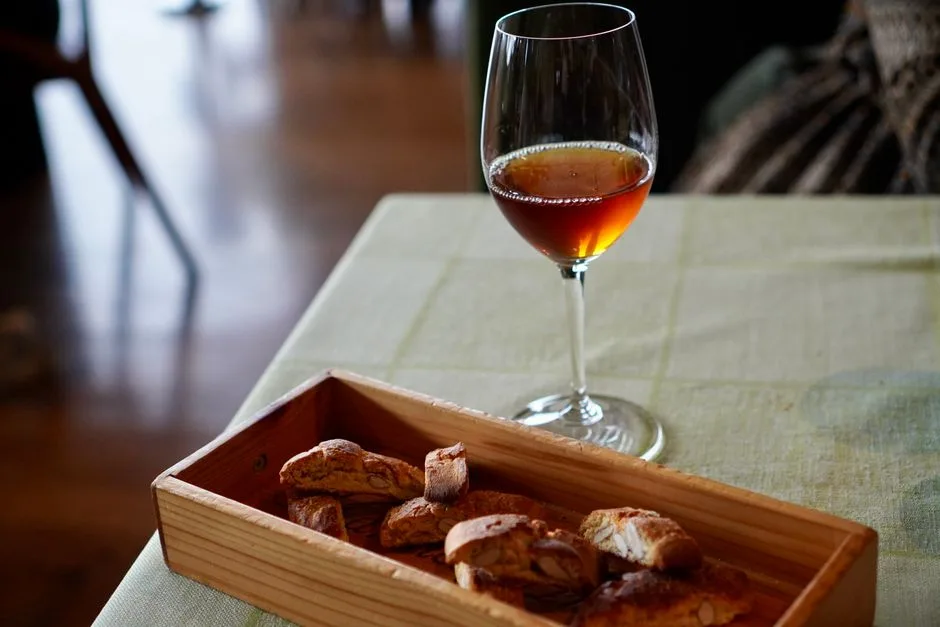
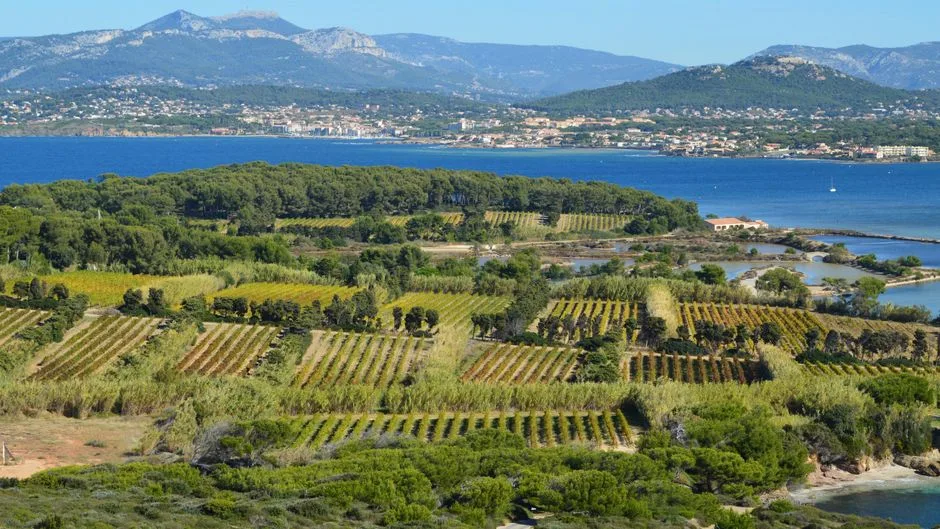
The island of Pantelleria, located between Sicily and Tunisia, is famous for Zibibbo (Muscat of Alexandria) and its passito wines — sweet wines made from grapes sun-dried and ventilated in natural « stufe. » Bush-trained vines shaped like umbrellas protect grapes from salty winds and intense sun. Pantelleria’s wines are concentrated and aromatic, with notes of dried apricot, candied orange, honey and a mouthwatering salinity that balances the sweetness.
Addresses to visit:
- Benanti on Pantelleria — Azienda Agricola — Località Monastero, 91017 Pantelleria TP. Hours: visits by reservation. Passito and local wine tastings: €20–40.
- Donnafugata (Pantelleria cellar) — Contrada Khamma, 91017 Pantelleria TP. Visits by appointment, passito tasting: €25–50.
- Pantanelli — Via G. Garibaldi 15, 91017 Pantelleria TP. Family cellars with traditional tastings. Hours vary, often 10:00–13:00 / 16:00–19:00. Tasting: €15–30.
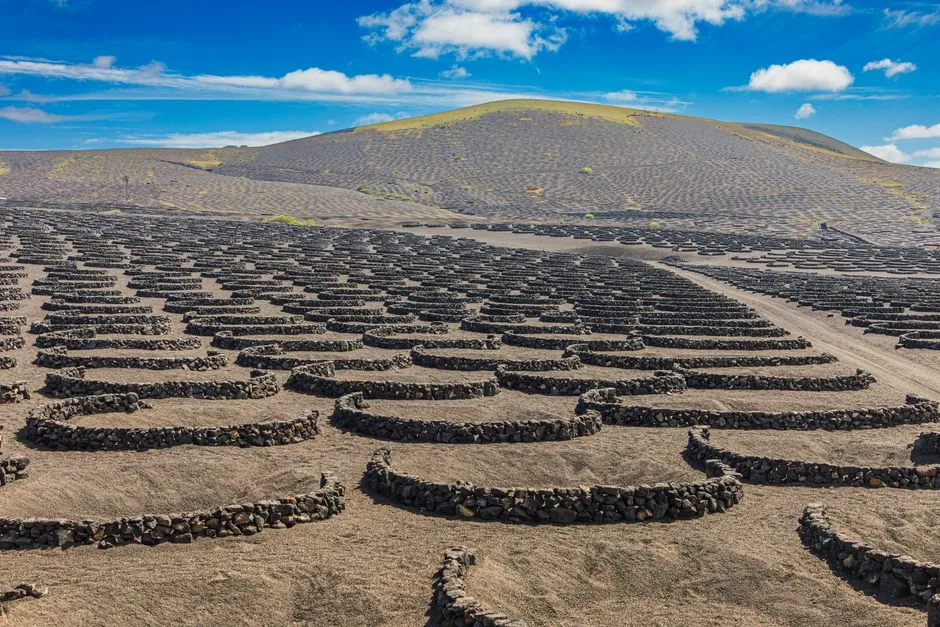
Immersive description: walk along low black lava stone walls, meet the squat pergolas sheltering the bunches, breathe in scents of dried figs and citrus. Zibibbo passito wines are meant to be sipped slowly, paired with blue cheeses, local desserts or as a digestif. Dry Zibibbo wines show a muscat aromatic profile but often surprise with structure and freshness.
Local tips: take time to explore the island on foot or by scooter to better understand the cultivated landscape; book tastings in advance, especially in summer; buy a small bottle of passito to bring home (€10–30 depending on age and quality) and experiment with sweet-salty pairings (black olives, cheeses, local fish dishes).
Conclusion — Planning your Sicilian wine route: practical tips and recommendations
Sicily hides a rare viticultural diversity: from Etna’s volcanic slopes to the salt pans of Marsala, from Alcamo’s maritime whites to Pantelleria’s passitos, every terroir tells a story and shapes wines deeply rooted in their place of origin. To fully enjoy this heritage, plan your route with distances in mind (country roads can be winding), check visiting hours (many estates operate by appointment) and pick the season wisely (harvests are exciting but can be crowded).
A few practical recap tips:
- Booking: always contact the estate in advance; many require reservations, especially for guided tours and farmhouse lunches.
- Transport: renting a car is often essential; for multiple tastings, consider a local driver or organised tours to avoid driving after drinking.
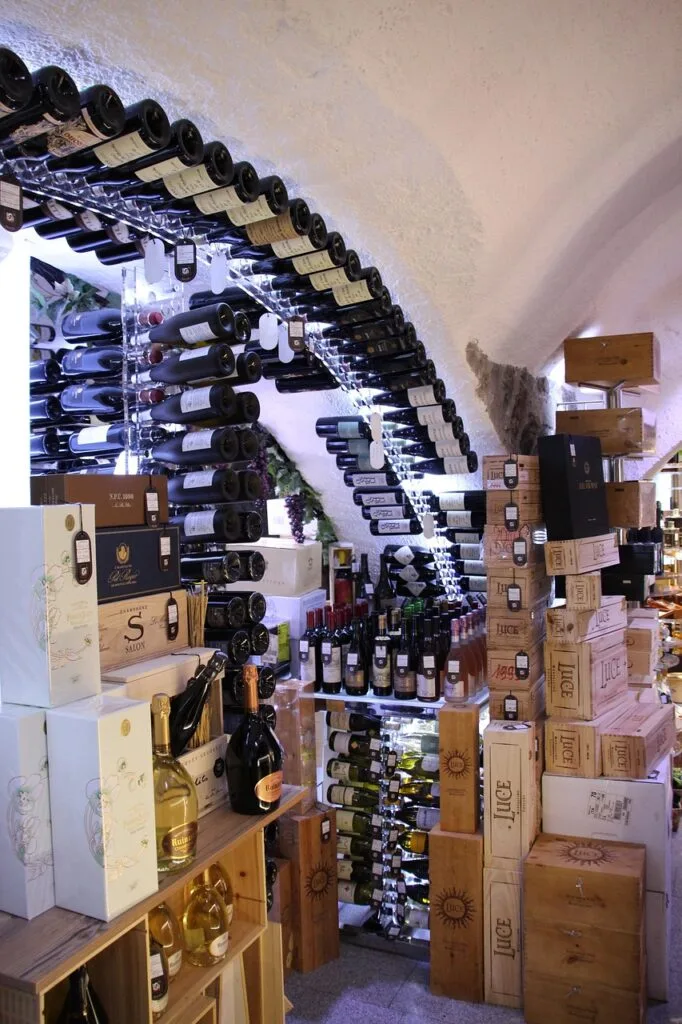
- Budget: plan €10–50 per tasting depending on reputation and format (simple tasting, full tour, meal). Buying bottles on site is often cheaper and lets you bring back cuvées that are hard to find abroad.
- When to go: spring (April–June) and autumn (September–October) offer pleasant temperatures; high summer (July–August) is hot and requires early bookings.
- Respect: be respectful with producers: be punctual, ask thoughtful questions and show interest in agricultural practices (organic, biodynamic, traditional methods).
Finally, remember that the best way to understand Sicilian wines is to taste them in their setting: a Nero d’Avola at dusk on a Noto terrace, a Nerello Mascalese after a walk through Etna’s vines, or a passito on Pantelleria after a day of exploration. Beyond addresses and prices, look for the experience — meeting winemakers, talking about harvests and farm rhythms, and sharing meals are what turn a trip into a lasting wine memory.
Safe travels, and cheers — or as they say in Sicily, to our health!