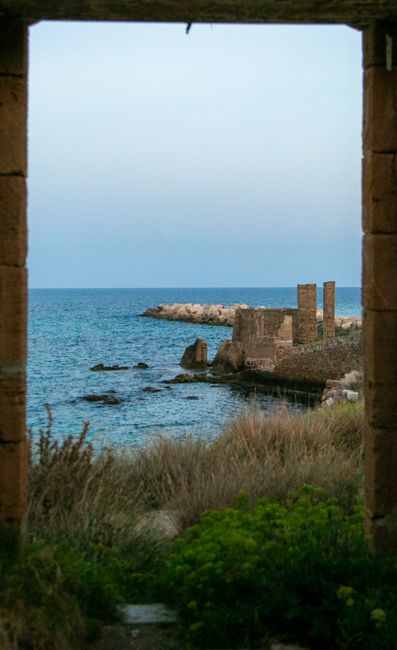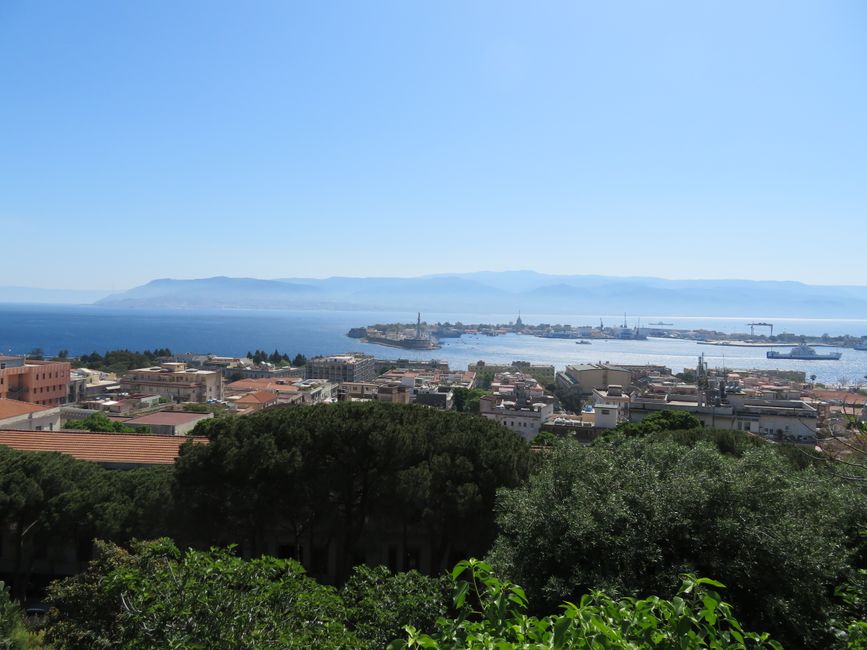






Introduction — Sicily, a land of history and stone
Sicily is an open-air museum where every hill, coastline and valley tells a chapter of Mediterranean history. From Greek rule to the Roman era, then Byzantine, Arab and Norman influences, the island has accumulated an extraordinary wealth of architecture and remains. For travelers who love archaeology, Sicily offers a unique journey through time and terrain: ancient theatres overlooking the sea, Doric temples bathed in light, fortified towns and Roman villas decorated with pristine mosaics. This article is a practical, detailed guide to the island’s finest archaeological sites, from the famous Ancient Theatre of Taormina to the vast ruins of Selinunte, via Agrigento, Syracuse, the Villa Romana del Casale and other lesser-known but equally captivating gems.
For each site we’ll provide: the official full name, exact address, entrance prices in euros (typical rates), opening hours, an immersive description and local tips to make the most of your visit. Prices and opening times can change with the season or local authority decisions, so check official sites or tourist offices before you go. This guide is for everyone — independent travelers, families, study groups and history buffs — and includes practical tips (best times to visit, how to avoid crowds, car vs public transport, guide options) to turn each site into a memorable experience.
Each Sicilian archaeological site tells a different side of the island: Taormina’s theatre, perched on a promontory, blends sea views with ancient stagecraft; Agrigento’s Valley of the Temples displays colossal temples awash in light; Selinunte in the west is a vast ruin-park that evokes the scale of a border Greek city; Syracuse’s Neapolis concentrates theatre, amphitheatre and the Ear of Dionysius. Complementing these are quieter sites like the Villa Romana del Casale, with its breathtaking mosaics at Piazza Armerina, or Mozia, a small island that shines a light on Phoenician colonization — intimate, moving discoveries.
In the sections that follow you’ll find full descriptions, precise addresses (for GPS), price estimates and typical hours, plus local tips for photography, getting around, what to bring and how to understand what you’re seeing on site. The image markers scattered through the article will help you picture these places before you go. Lace up your walking shoes, grab a hat and bring a healthy dose of curiosity: let’s explore Sicily’s most beautiful archaeological sites.
1. Ancient Theatre of Taormina (Teatro Antico di Taormina)
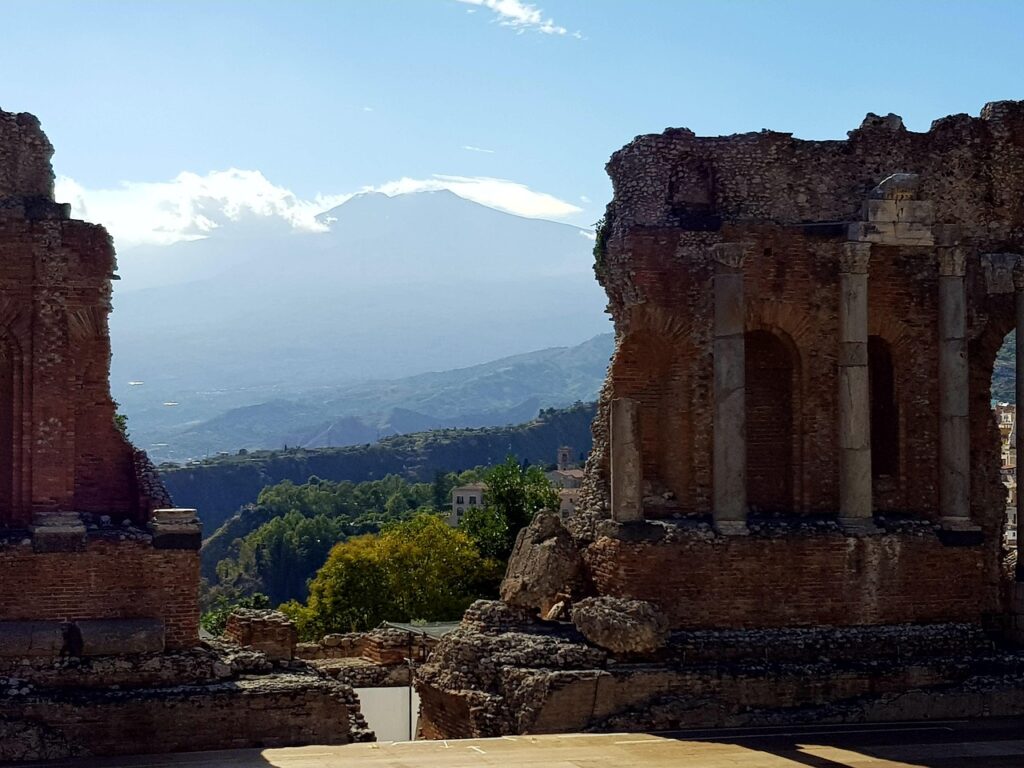
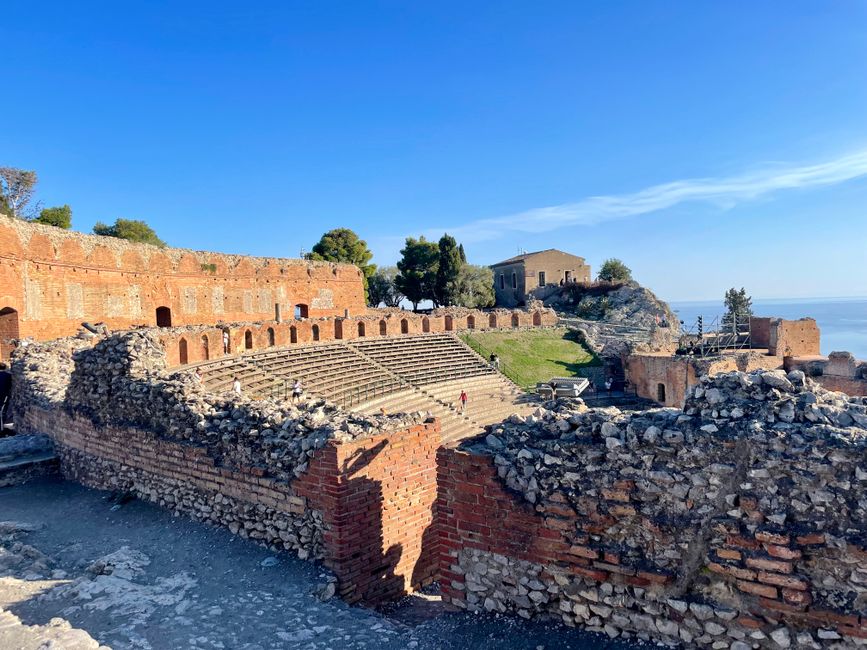
The Teatro Antico di Taormina is arguably one of Italy’s most iconic ancient theatres, not just for its state of preservation but for its spectacular position on a terrace overlooking the Ionian Sea and Mount Etna. Built by the Greeks and reworked by the Romans, the structure you see today is mainly Roman in its current form. The site offers a twofold experience: archaeological and panoramic — people come as much for the ruins as for the view.
Exact address: Via Teatro Greco, 98039 Taormina ME, Italy.
Price: Adult ticket around €10, reduced rates (youth/students) around €6. Some events (summer concerts, operas) may carry higher ticket prices.
Hours: Generally open from 08:30 to 19:00 (summer hours), reduced hours in low season (check the official site). Closed on some public holidays; opening hours may vary for special events.
Immersive description: on entering, you step down toward the cavea (stone seating) worn smooth by centuries. Your eye follows the curve of the theatre toward the orchestra and stage front, where a few columns and doorways remain and where you can imagine ancient tragedies and comedies played out. Behind the stage the view opens onto the Bay of Naxos and, on clear days, Mount Etna — a dramatic backdrop for photos and sightseeing. The theatre still hosts contemporary concerts and cultural events — a direct connection between past and present.
Local tips:
- Buy your ticket early in the morning or late afternoon to avoid heat and crowds; the golden evening light is perfect for photos.
- Watch your step on uneven stone steps: wear closed, non-slip shoes.
- Combine the visit with a stroll down Corso Umberto for coffee stops and coastal views.
- If you attend a concert, arrive at least 30 minutes early to find a seat and soak up the atmosphere.
2. Valley of the Temples, Agrigento (Parco Archeologico e Paesaggistico Valle dei Templi)
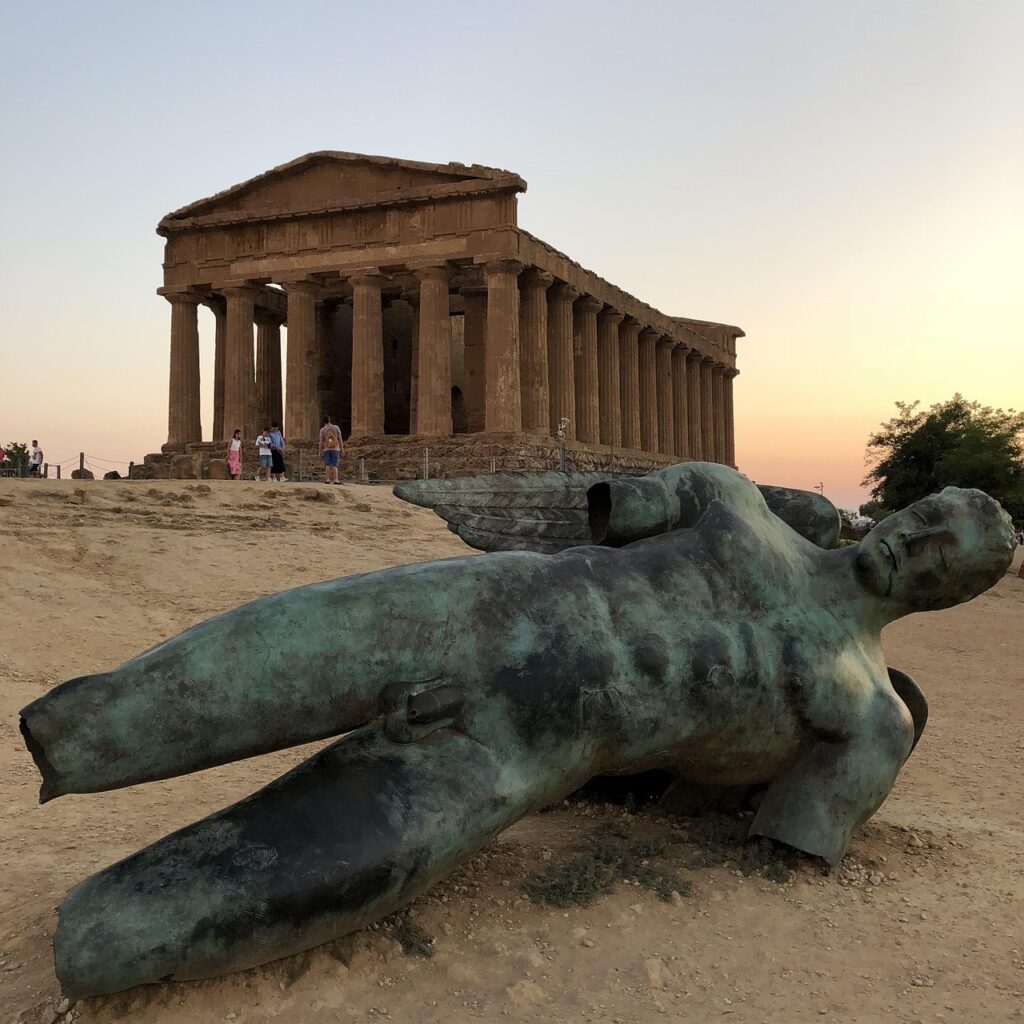
The Valle dei Templi (Valley of the Temples) in Agrigento is one of the most impressive Greek archaeological ensembles in the world. Stretched along a ridge overlooking the plain and the sea, the valley is home to perfectly aligned Doric temples, including the Tempio della Concordia, notable for its state of preservation. The site showcases the grandeur of Greek colonization in Sicily and its relationship to the landscape.
Exact address: Via Panoramica Valle dei Templi, 92100 Agrigento AG, Italy.
Price: Standard park ticket around €12 for the main areas (reduced rates about €6). Combined tickets with the archaeological museum (Museo Archeologico Regionale Pietro Griffo) are available at variable rates.
Hours: Typically open from 08:30 to 19:00 in high season; winter hours are reduced (e.g., 09:00–16:00). Closing times vary with the season.
Immersive description: the main walk follows a ridge among olive and almond trees, gradually revealing columns etched against the horizon. The Tempio della Concordia, still impressive for its proportions and symmetry, invites close reading of architectural details (flutes, entablatures, metopes). At the far end, the Tempio di Giunone and Tempio di Ercole merit stops for inscriptions, photos and quiet contemplation. The on-site museum brings together sculptures, votive offerings and finds from the area, useful for understanding civic and religious life in ancient Akragas.
Local tips:
- Allow at least 2–3 hours for a relaxed visit; longer if you want to see the museum and stay for sunset.
- Bring water and a hat — there’s little shade on the ridge.
- The sunset from the terrace is magical; check closing hours so you can stay until the end of the day (the golden light flatters the temples).
- Driving is recommended; there are parking areas near the main entrances (free or paid depending on the zone).
3. Selinunte Archaeological Park (Parco Archeologico di Selinunte)
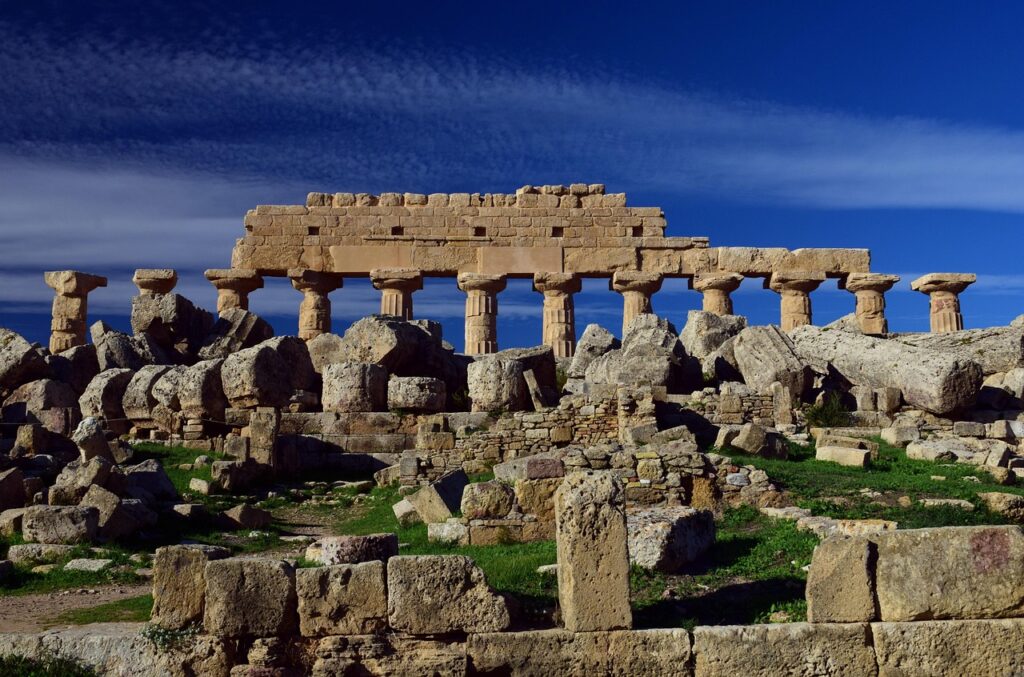
In the southwest of Sicily, the Parco Archeologico di Selinunte is one of the largest archaeological parks in the Mediterranean. Founded in the 7th century BC, Selinunte was a frontier Greek city exposed to conflicts with the Carthaginians; its ruins are spread across several acropoleis and sanctuary areas, giving the sense of a whole city to explore.
Exact address: Via Selinunte, 91022 Castelvetrano TP, Italy (main entrance and archaeological park).
Price: Adult ticket around €8, reduced rates vary (children/students) around €4–€5.
Hours: Generally open from 09:00 to 19:00 in season; reduced hours off season (e.g., 09:00–16:00). Check before your visit for events or restrictions.
Immersive description: Selinunte impresses with the sheer spread of its ruins: massive temples with colossal drums, remains of fortifications and fragments of sculpture. The area known as the Eastern Acropolis features temples in rows, some with partially standing columns. Views from the park’s high points reveal the scope of the excavations and the nearby sea — you can sense the city’s ancient commercial and maritime role. The site is often windy and exposed: walking between sectors can be long but rewarding.
Local tips:
- Bring water and a packed lunch; there are few food options inside the park itself.
- Sturdy walking shoes are essential for the paths and uneven steps between temples.
- If you’re a photographer, aim for a misty morning or sunset for raking light that sculpts the ruins.
- Combine Selinunte with a visit to the Tonnara di Scopello or the nearby nature reserve for a full day out.
4. Parco Archeologico della Neapolis and the Greek Theatre of Syracuse (Parco Archeologico della Neapolis)
The city of Syracuse on the east coast was once one of the most powerful cities in the Greek world. The Parco Archeologico della Neapolis brings together several major monuments: the Greek Theatre (Teatro Greco), the Roman Amphitheatre, the Latomie (ancient quarries) and the “Ear of Dionysius.” This area concentrates cultural layers from Classical Greece through Imperial Rome.
Exact address: Piazza Museo 1, 96100 Siracusa SR, Italy (main park entrance and the Museo Archeologico Regionale Paolo Orsi nearby).
Price: Entry to the archaeological park about €10 for a standard ticket, reduced around €6. Combined tickets with the Paolo Orsi museum or seasonal reductions may be available.
Hours: Generally open from 08:30 to 19:00 in summer; reduced hours in low season. Some areas may close earlier for safety reasons.
Immersive description: Syracuse’s Greek Theatre, carved into a natural slope, evokes great tragedies and the city’s ability to stage both spectacle and politics. From the stone seating the view over the sea and nearby urban fabric is striking. A little further on, the Latomie del Paradiso — vast ancient quarries — offer a stark contrast between towering rock faces and a tranquil, gardened atmosphere. The Ear of Dionysius, an artificial cave with extraordinary acoustics, invites visitors to explore Greek ingenuity in using natural relief.
Local tips:
- Set aside a half-day to walk the park at a relaxed pace, and add a visit to the Museo Archeologico Paolo Orsi for context on the finds.
- Avoid the hottest hours if you visit in summer; opt for early morning or late afternoon.
- The Latomie can be muddy after rain; bring appropriate footwear.
- Check the summer cultural program — you might catch concerts or historical reconstructions during your visit.
5. Villa Romana del Casale (Piazza Armerina)
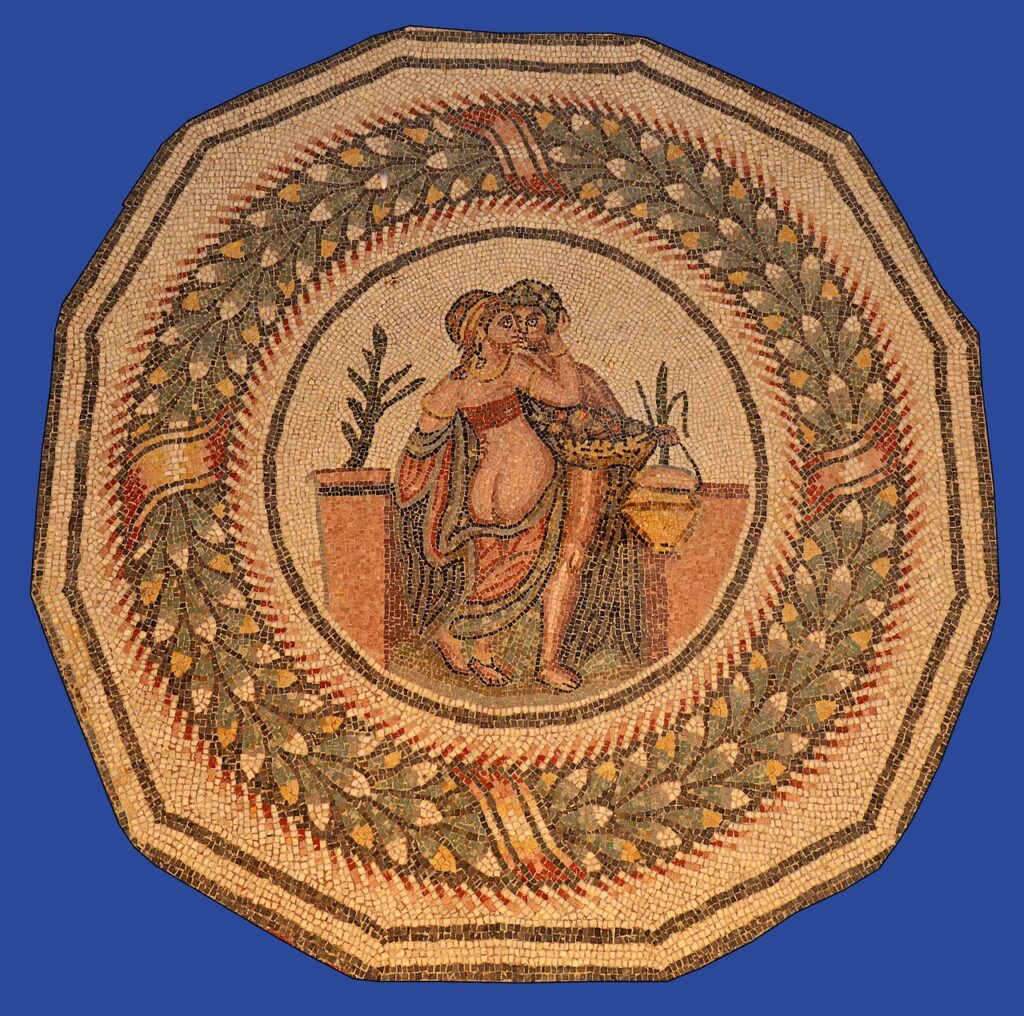
The Villa Romana del Casale, near Piazza Armerina, is famed for one of the richest and best-preserved collections of Roman mosaics in the world. A UNESCO World Heritage site, the villa dates to the 4th century AD and provides an exceptional window into elite Roman life through mythological scenes, hunting motifs and geometric designs.
Exact address: Piazza Giovanni XXIII, 94015 Piazza Armerina EN, Italy (archaeological site and visitor facilities on site).
Price: Adult ticket around €10, reduced rates (students, seniors) around €5–€6. Some temporary exhibitions may carry extra charges.
Hours: Typically open from 09:00 to 19:00 in high season; reduced winter hours (e.g., 09:00–17:00). Closed on some public holidays; check before visiting.
Immersive description: stepping into the Villa Romana del Casale is entering a world of color and detail: mosaics cover vast floors of richly appointed rooms, depicting gymnasts, exotic animals and marine motifs. Panels like the “Little Hunters” or the famous “Bikini Girls” (young women in athletic attire) are among the most photographed and iconic scenes. Some rooms are sheltered by conservation structures that allow you to admire the mosaics while limiting deterioration.
Local tips:
- Visit early in the morning to avoid coach groups that typically arrive mid-day.
- Bring binoculars if you want to read details in more distant panels; explanatory panels are often in Italian and English.
- Pair the visit with a drive through the surrounding hills to feel the villa’s rural setting.
- Respect conservation rules: don’t step on mosaics and follow marked routes.
6. Segesta Archaeological Park and the island-lighthouse of Mozia
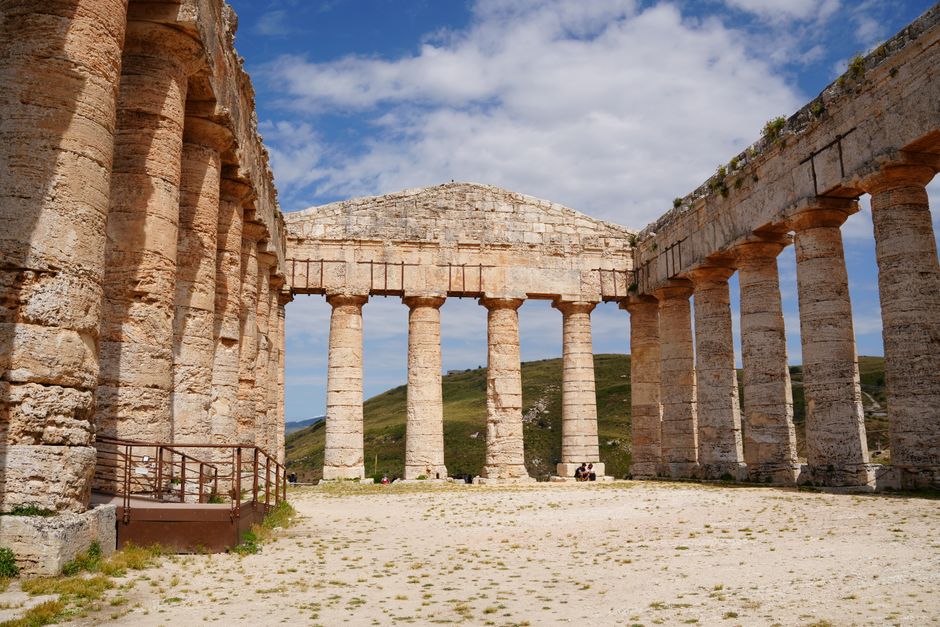
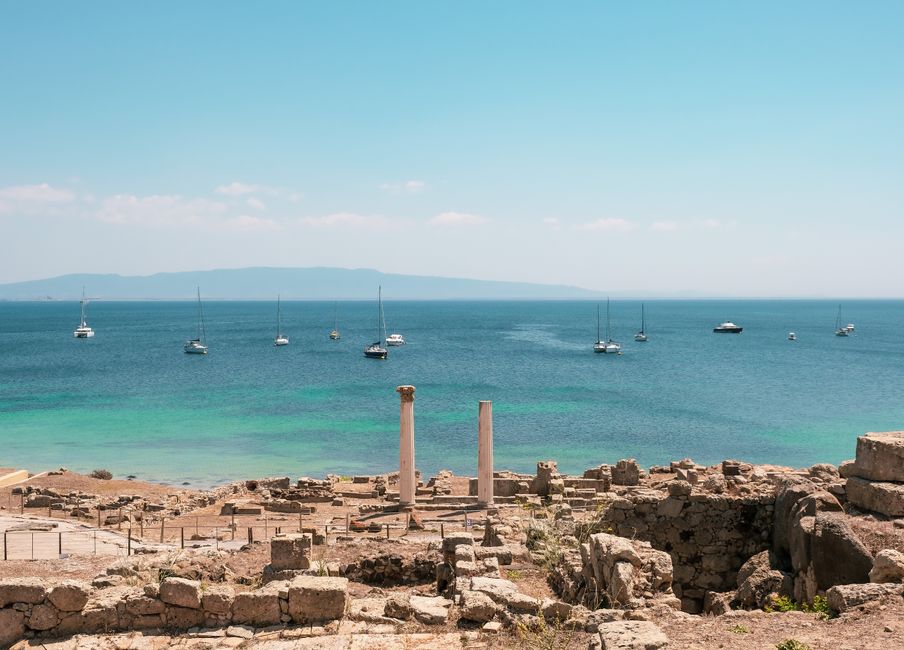
Sicily is full of other remarkable sites: two that are often visited together on a west-to-east itinerary are the Parco Archeologico di Segesta and the Isola di Mozia (Mothia). Segesta features a solitary Doric temple and a hilltop theatre, while Mozia, near Marsala, traces Phoenician history and Mediterranean trade.
Segesta — Exact address: Parco Archeologico di Segesta, 91016 Calatafimi-Segesta TP, Italy.
Price: Adult ticket around €6, reduced rates about €3–€4.
Hours: Typically open from 09:00 to 18:00 (summer hours); reduced hours off season. The temple and theatre are accessed via trails with a short but steady climb.
Mozia (Mothia) — Access point (harbour): Stagnone di Marsala, Imbarco per Isola Mozia, 91025 Marsala TP, Italy. The archaeological site is managed by the Fondazione Whitaker and the museum is located on the island.
Price: Boat transfer + entry combined around €8–€12 depending on the operator; standalone entry to the museum/site around €7–€8.
Hours: Boat departures commonly run from 09:00 to 17:00, hours vary with season and tides; the island may close earlier in winter.
Immersive descriptions: at Segesta, the lone temple on a plain offers a striking, almost painted scene — still and nearly intact. The climb to the theatre reveals panoramic countryside views down to the sea. Mozia, more intimate, is a small island-museum where the Punic town, warehouse districts and necropoleis tell of Phoenician trade and culture: cut stone, pottery and the famous “Young Man of Mozia” statue contribute to the atmosphere.
Local tips:
- For Segesta, wear comfortable shoes; the ascent to the theatre can be steep on unshaded trails.
- For Mozia, check boat schedules and the weather: crossings can be interrupted by strong wind.
- Segesta and Mozia each make for a good half-day visit; pair them with local wine tasting (Marsala) to complete the experience.
- Local guides often bring the stones to life with stories and context — choose a guided tour if you want deeper insight.
Conclusion — Traveling through time in Sicily
Sicily is a must-visit for anyone who wants to feel the layering of Mediterranean civilizations beneath their feet. From the Teatro Antico di Taormina, overlooking the Ionian coast, to the expansive ruins of Selinunte, each site offers its own story: political power, religious ritual, trade networks and the art of daily life. The monuments covered in this guide — the Valley of the Temples, Selinunte, Neapolis in Syracuse, Villa Romana del Casale, Segesta and Mozia — form an itinerary that combines panorama, architecture, art and archaeology.
Practical and logistical tips: always check hours and prices before you go; favor cool morning hours or late afternoon to enjoy the light and avoid crowds. In high season, book guided tours and event tickets (concerts at the Teatro Antico, night visits) in advance. Pack comfortable shoes, sun protection, a reusable water bottle and a small guidebook or app to help interpret the main structures. Local tourist offices and regional museums (e.g., Museo Archeologico Regionale Paolo Orsi in Syracuse, Museo Archeologico Regionale Pietro Griffo in Agrigento) add valuable context and display key finds.
Beyond practical info, visiting Sicily’s archaeological sites is an invitation to imagination: picturing life in a Greek city, hearing the echoes of an ancient tragedy in a theatre, admiring the domestic luxury of a Roman villa through its mosaics. Each stone, each broken column, each mosaic reveals a story to piece together. For curious travelers, Sicily offers a rare blend of accessibility, variety and historical emotion — plan your route, but leave room for the unexpected: a narrow lane, a local trattoria or a secluded cove can add a memory as precious as the ruins themselves.