





Introduction: The Duomo of Syracuse — millennia of history and Sicilian legends
At the heart of the Isola di Ortigia, the tiny island that makes up Syracuse’s historic center, stands the Duomo di Siracusa — the Cattedrale Metropolitana della Natività di Maria Santissima, more commonly known as the Duomo of Syracuse. Located at Piazza Duomo, 11, 96100 Siracusa SR, Italy, this cathedral is much more than a place of worship: it’s a unique layering of architectural histories, reused ancient materials, and local legends that capture the essence of Sicily — a land of conquests, cults and cultural fusion.
What makes the Duomo of Syracuse so singular is its skeleton: it rises upon the remains of a 5th-century BCE Greek temple dedicated, depending on the sources, to Athena or to a local deity, later incorporated into a Byzantine basilica, transformed into a Norman cathedral, then reshaped in the Renaissance and given a baroque makeover after the 1693 earthquake. This architectural palimpsest turns the Duomo into a literal walk through time — you can tread on archaic Greek stones and admire Corinthian capitals embedded in a Gothic-Norman nave. The building, with its mix of ancient and Christian elements, shows how Sicilians have reinterpreted the classical heritage and given it new meanings across the centuries.
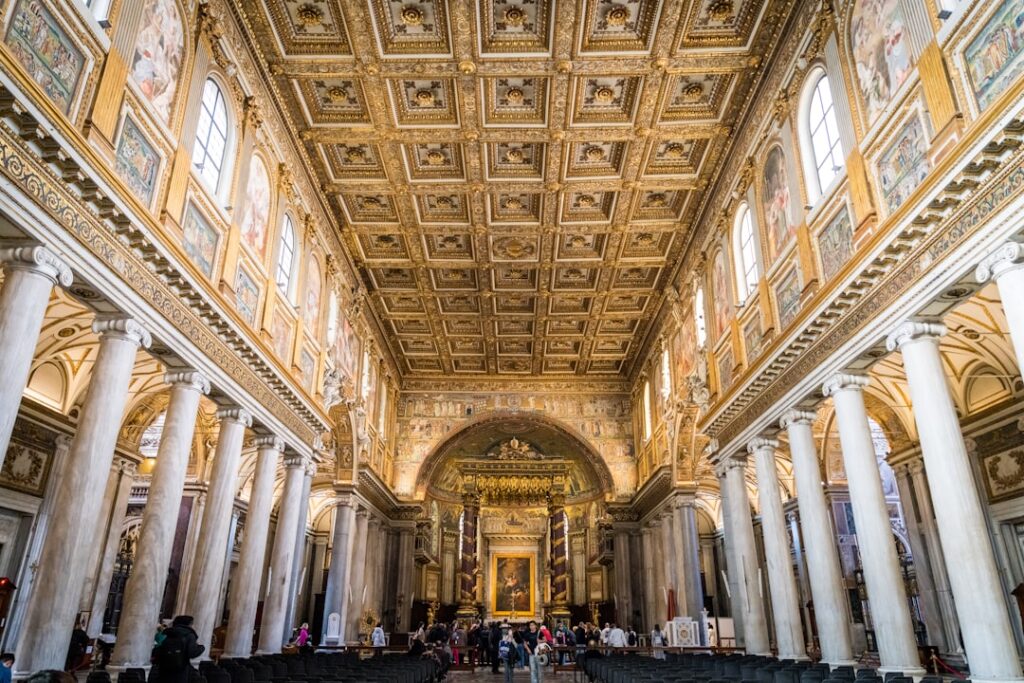
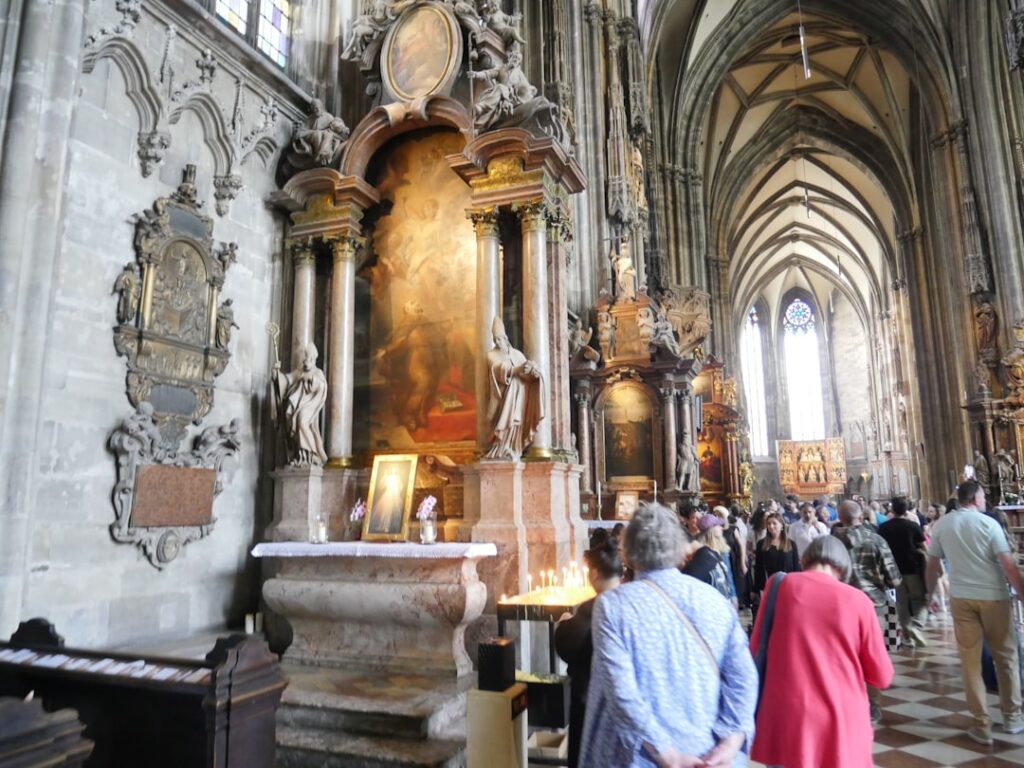
Visiting the Duomo means stepping into a chronicle written in stone: a richly sculpted baroque façade, an interior where ancient Greek columns are reused as pillars, mosaic floors, chapels adorned with artworks, and an archaeological crypt that exposes the original temple’s remains. The cathedral is not a frozen monument; it is a living place of worship where masses, processions and local devotions punctuate the liturgical year. You’ll feel the popular devotion and the locals’ attachment to their heritage.
Beyond its strictly historical and religious side, the Duomo is wrapped in a lively folklore: stories of miracle-working saints, accounts of dramatic breaks between the ancient gods and Christianity, and local myths about Archimedes, Syracuse’s most famous son, who is said to have inspired clever island installations. Local guides — often Ortigia natives — love to tell these tales with a mix of seriousness and mischief, linking the stones to oral stories passed down through generations. Visitors are therefore invited to listen not only to historical facts but to the voices that shaped Syracuse’s identity.
This guide aims to provide a thorough, practical exploration of the Duomo of Syracuse: detailed history, architectural description, legends and anecdotes, practical information (exact addresses, opening hours, prices in euros, visiting tips) and local recommendations to extend your discovery around Piazza Duomo. Whether you’re passionate about architecture, ancient history, saints and miracles, or simply curious for an authentic slice of Sicily, this text will walk you step by step to make the most of your visit.
History and architecture: from the Greek altar to the baroque cathedral
The chronology of the Duomo of Syracuse is a tangle of historical layers built on the same spot. The earliest identifiable structures date back to the 5th century BCE: a Corinthian-style temple raised during the heyday of Greek Syracuse, when the city was one of the most powerful in the Mediterranean. The ancient columns and capitals found in the crypt and incorporated into the current cathedral walls are tangible witnesses of that era.
In the 4th century CE, with the Christianization of the Roman Empire, the pagan sanctuary was transformed into a Christian basilica. It was then that the Christian imprint began to overlap the Greco-Roman plan: orientation, circulation axes and some walls were reused. Later, under the Byzantines, the structure underwent liturgical and decorative modifications, before being taken over by the Normans in the 11th century. The Normans consolidated the building and introduced Western architectural elements, resulting in an interior that felt both robust and solemn.
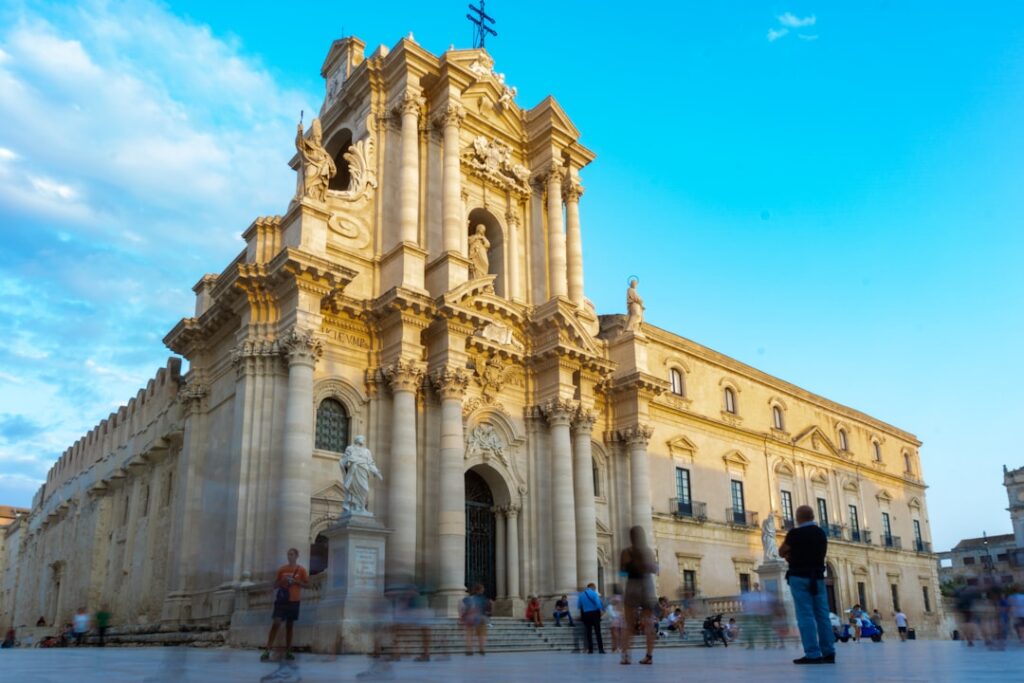
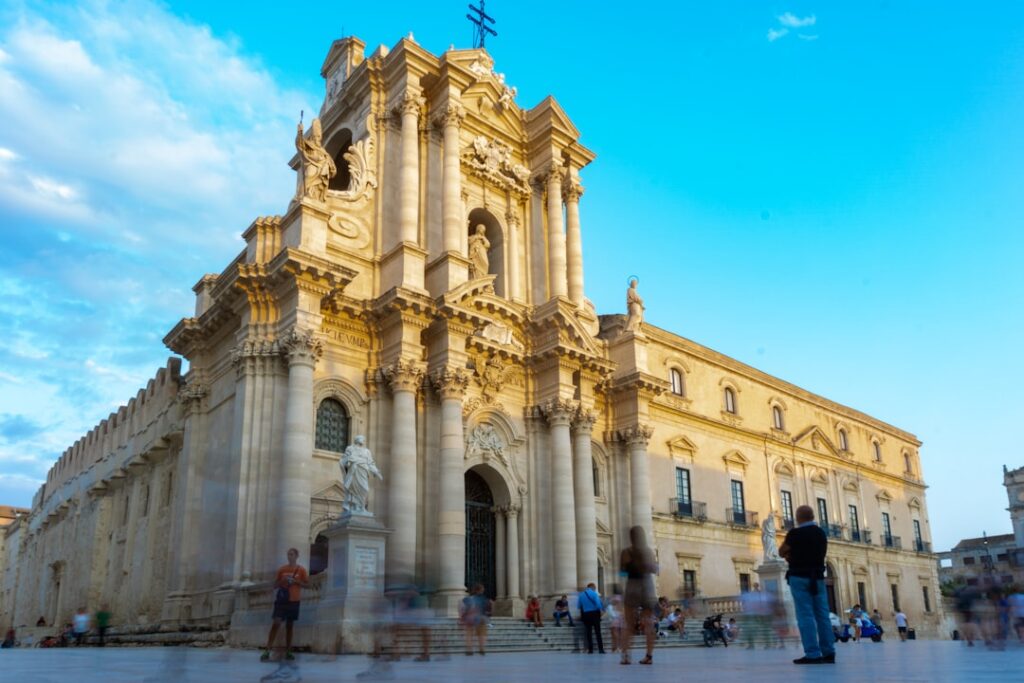
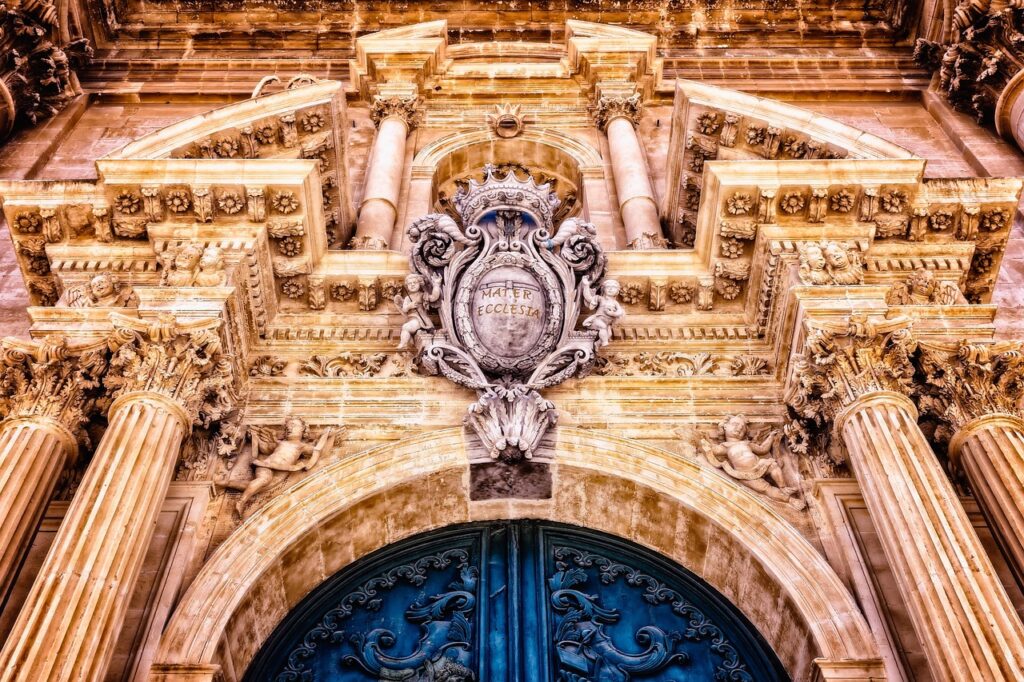
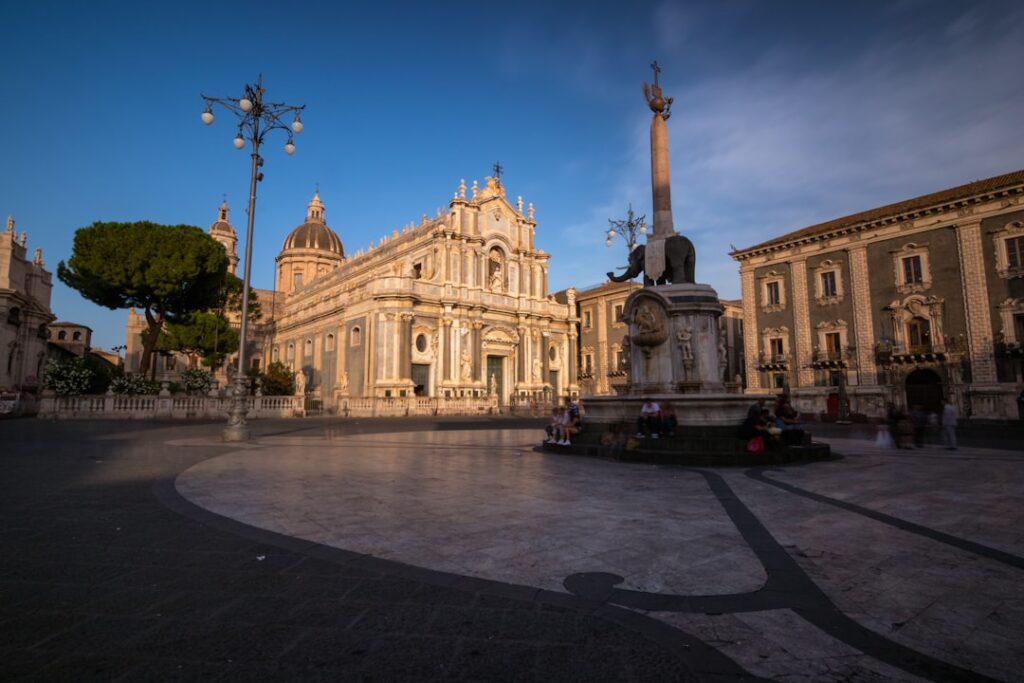
The 1693 earthquake, which devastated much of eastern Sicily, badly damaged the cathedral. The subsequent reconstruction became an opportunity for a baroque reinterpretation of the façade and several chapels. So the cathedral’s public face (the baroque façade) — richly carved with cornices, niches and statues — contrasts with the inner structure where ancient columns are reused as supports and Corinthian capitals remain in place. This coexistence of an ornate baroque exterior with an ancient core is one of the most striking visual experiences for visitors.
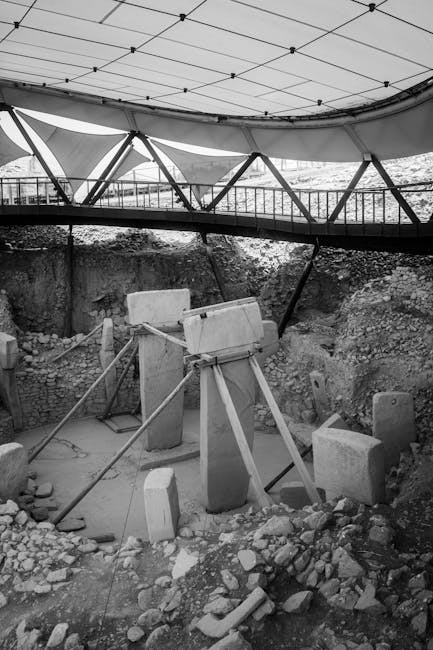
Inside, the nave follows a Latin cross plan with a transept and apse; several side chapels hold paintings, sculptures and relics. Look up and you may spot Greek inscriptions or old quarry marks. The archaeological crypt, accessible from the cathedral or nearby, reveals old foundations, column remains, fragments of inscriptions and the temple base. These finds are presented to allow visitors a didactic reading of the site’s evolution.
Architects, engineers and restorers over the ages have each left their mark: recent restoration campaigns (late 20th — early 21st century) have helped stabilize the structure, restore façades and open up areas that were once inaccessible. Experts stress the importance of using conservation techniques suited to the original pietra (local limestone) and its historic patina, in order to preserve harmony between ancient elements and modern interventions.
Notable features to look for
- Baroque façade: sculptures, pediments and loggias largely dating from the post-1693 reconstruction.
- Ancient columns: integrated into the interior pillars; some are still recognizable by their fluting and Corinthian capitals.
- Floors and mosaics: fragments of ancient paving and medieval decorations visible in certain chapels.
- Archaeological crypt: remains of the Greek temple, inscription fragments and column bases.
- Duomo treasury: liturgical objects, relics and textiles, sometimes displayed in a small adjacent museum.
Practical visit info: hours, prices, access and tips
Planning your visit to the Duomo of Syracuse means knowing opening hours and prices, but also arranging a route that includes the crypt and nearby Ortigia sites. Here’s the practical information, updated and completed with local tips to help you get the most out of your experience.
Exact address: Cattedrale Metropolitana della Natività di Maria Santissima, Piazza Duomo, 11, 96100 Siracusa SR, Italy.
Opening hours: Hours can vary with the season and religious ceremonies. As a guideline (check notices on site or the official website before you go):
- Monday to Saturday: 09:00 – 19:00
- Sunday: open depending on mass times (usually open to the public after the 11:00 mass, with services at 08:30, 11:00 and 19:00)
- Occasional closures for ceremonies, weddings or religious holidays.
Prices: Entry to the main cathedral is often free (no charge) to visit the nave and liturgical spaces. However:
- Archaeological crypt / Hypogeum: access ticket usually costs around €5.00 per person.
- Museum / Duomo treasury: if the treasury exhibition is open, expect about €3.00 – €6.00.
- Official guided tours: tours offered by local guides or Ortigia tourist services typically run €10.00 – €20.00 per person depending on length and language.
- Discounts: reduced rates for students, seniors and groups; the same discounts often apply to regional residents.
Note: these amounts are indicative — in 2024 the prices mentioned matched local practice — and may change. Carry some cash (€) since small ticket offices sometimes accept cards poorly, especially for small amounts.
Access and transport: From Syracuse’s central train station (Stazione di Siracusa, Piazza A. De Gasperi, 96100 Siracusa SR, Italy), take a local bus (L1, L2 depending on service) or a taxi (journey ~10–15 minutes) to reach Ortigia. The main pedestrian access is via the Ponte Umbertino or Via Maestranza leading to the Porta Marina. If you’re driving: Ortigia is a limited-traffic zone (ZTL); it’s better to park in a peripheral lot (for example Parcheggio Talete, Viale Zecchino 3) and walk to Piazza Duomo.
Practical tips:
- Dress modestly to enter the religious building (shoulders and knees covered).
- Arrive early in the morning or late afternoon to avoid crowds and enjoy softer light for photography.
- If you want to visit the crypt, check available time slots in advance; access can be limited for conservation reasons.
- Audio guides and guidebooks are useful to understand the multiple historical phases visible on site.
Legends, saints and popular tales: the stories around the Duomo
Beyond documented history, the Duomo of Syracuse is wrapped in a web of legends and popular tales that add to its magic. Syracusans enjoy blending verified anecdotes and oral tradition, bringing the architecture to life. Here are some of the most charming stories and how they fit into the visiting experience.
Archimedes and the city’s machines: While the Archimedes legends mostly belong to the story of Syracuse’s defense against the Romans (with famous tales of mirrors or ballistic devices), some local accounts claim his inventions inspired harbor works and hydraulic devices still visible around Ortigia. Local guides like to evoke Archimedes while pointing out old conduits and underground structures, linking ancient ingenuity to the very foundations of the cathedral.
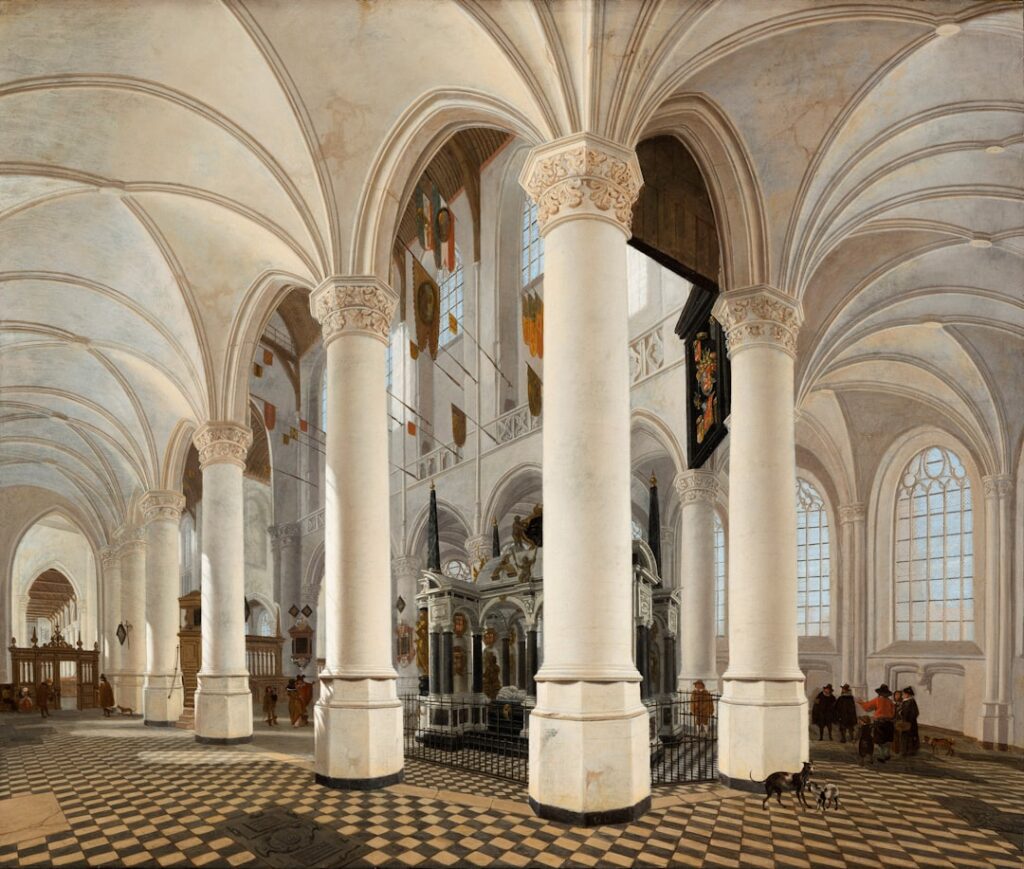
The legend of the talking columns: A popular tale claims that some of the ancient columns reused in the cathedral « murmur » at night, repeating old names or chants in archaic Greek. Of course this is folklore, but the story expresses the idea that stones keep the memory of centuries. Locals sometimes tell this fable to children as a way to instill respect for monuments.
Miracles and relics: According to tradition, the Duomo preserves several relics and objects associated with local miracles. Accounts of healings or providential interventions during plagues or famines are common in parish archives, and certain items in the treasury are still objects of devotion. During patronal festivals, processions and rituals, one can still witness intense local fervor.
The myth of the transition of cults: Many Sicilians view the cathedral as a symbol of the shift from pagan cults to Christian worship. A traditional anecdote says that Christian authorities deliberately built the church on the Greek temple to « redirect » the sacred energy of the site. This idea encapsulates a symbolic strategy widespread across the Mediterranean: Christianizing already sacred places to ensure continuity rather than rupture.
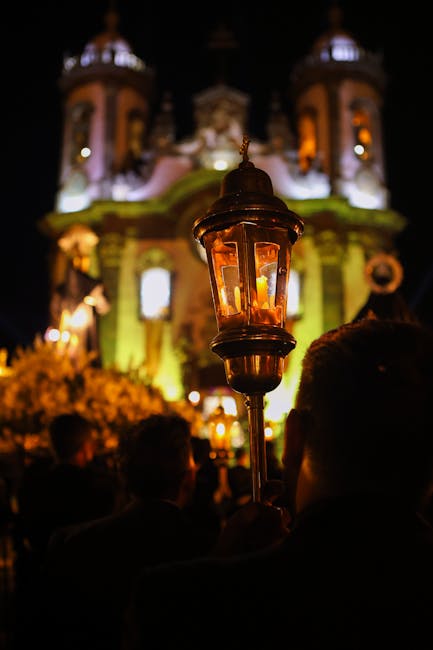
These legends shape the visit: guides pepper their tours with local anecdotes, and you often leave the Duomo feeling as though you’ve watched a historical play where stones and beliefs perform together. For visitors, accepting this mix of history and myth is part of Sicily’s charm: here, archaeological reality and popular imagination complement and enrich each other.
Around the Duomo: Ortigia, museums and suggested routes
The Duomo is not isolated: it sits in an urban fabric full of monuments, cafés and picturesque alleys. Use your time at Piazza Duomo to explore Ortigia and extend the experience. Here are suggestions for routes and places to pair with your visit.
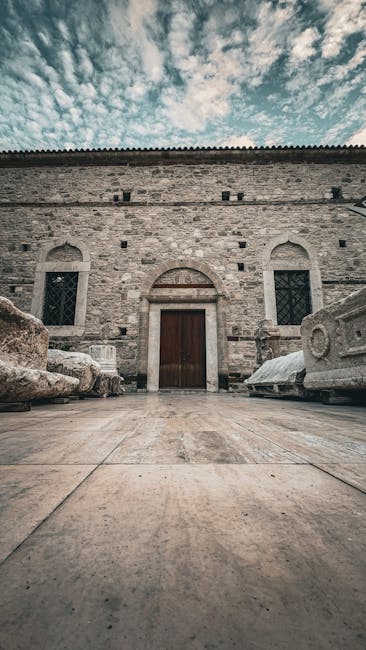
Paolo Orsi Regional Archaeological Museum (Via Mirabella, 25, 96100 Siracusa SR, Italy) — for a broader dive into Syracuse’s history. Hours: generally 09:00–19:00, closed some days (check ahead). Admission: around €8.00 – €12.00 (varies by exhibition). The museum houses major Greek, Roman and prehistoric collections.
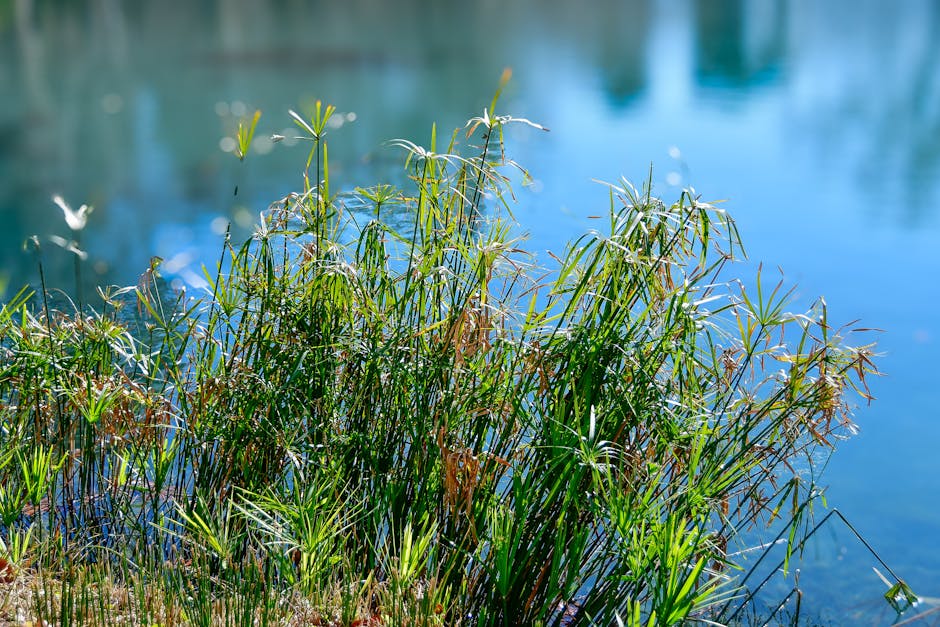
Fonte Aretusa (Piazza delle Repubblica, 96100 Siracusa SR, Italy) — a freshwater spring by the sea, a mythic spot tied to the nymph Arethusa and easy to reach from Piazza Duomo. It’s a picturesque place for a photo break and to watch ducks and papyrus edging the historic lagoon.
Recommended walking route (half-day):
- Start at Piazza Duomo and visit the Duomo (allow 1–1.5 hours).
- Head along Via Roma then Via Cavour to browse artisan shops and local pastry shops (cannoli, granita).
- Arrive at Fonte Aretusa for a quiet photo stop (15–30 minutes).
- Continue to Lungomare Maniace for a seaside stroll with views of Castello Maniace.
Food and coffee breaks: Around Piazza Duomo there are several recommended cafés and restaurants:
- Trattoria La Foglia (Via Roma, 6, 96100 Siracusa SR) — traditional Sicilian dishes, hours 12:00–15:00 and 19:00–23:00; mains roughly €12–€20.
- Caffè Sicilia (Via Roma, 30, 96100 Noto SR) — famous for its pastries and granita (note: the original flagship is in Noto, but Ortigia has excellent patisseries inspired by that tradition).

If you have time, also visit Castello Maniace (Lungomare Alfeo, 96100 Siracusa SR) and the Syracuse synagogue (check access in advance) which testify to the island’s cultural diversity. Finish your walk at sunset along the Lungomare for an unforgettable view over the Ionian Sea.
Local tips, accessibility and best practices for a successful visit
To get the most out of your visit to the Duomo of Syracuse, here are practical tips drawn from local habits and traveler feedback.
- Best time to visit: Spring (April–June) and autumn (September–October) offer mild weather, fewer crowds and flattering light for photos. Summer is busy and very hot; if you go in summer aim for early morning slots.
- Visit duration: Allow 1 hour for the cathedral alone, 1.5–2 hours if you include the crypt, treasury and a guided tour.
- Accessibility: The Duomo has some level entries at certain access points, but the crypt may be hard to reach for visitors with reduced mobility due to old stairways. Ask at the welcome desk for assistance.
- Respect and safety: This is an active place of worship: keep quiet during services, avoid flash photography during ceremonies and dress appropriately.
- Ticket purchase: To avoid lines, buy crypt tickets or guided tour tickets in advance, either on the official site (if available) or at Ortigia tourist information kiosks.
- Languages: Guides often offer tours in Italian, English and sometimes French. Check availability in advance if you need a French-language tour.
Finally, hire a certified local guide if you want to dive deeper into the site’s complex history. Ortigia’s guides excel at narrating architectural details, inscriptions and legends, connecting each element of the Duomo to Syracuse’s long story.
Conclusion: Why the Duomo of Syracuse is unmissable in Sicily
The Duomo of Syracuse is not just another cathedral; it’s a book-monument where every stone tells a different era. Walking across the nave or descending into the crypt, visitors grasp how Sicily has been a crossroads of civilizations — Greek, Roman, Byzantine, Arab, Norman and Spanish — and how those layers were integrated into a single sacred building. The combination of an imposing baroque façade and an interior where ancient columns come back to life makes for a rare visual and emotional experience.
Practically speaking, the Duomo’s central location in Ortigia makes it perfect for a half-day visit combined with other attractions: Fonte Aretusa, the Museo Archeologico Regionale Paolo Orsi, Castello Maniace and the atmospheric lanes. Opening hours and prices are generally accessible (free entry to the nave, a few euros for the crypt and treasury), allowing travelers of all kinds to enjoy the site without major constraints.
Lastly, the layer of legend and tradition surrounding the Duomo enriches the discovery: tales of Archimedes, miracle stories, “talking” columns and the symbolic strategy of Christianization provide cultural depth that modern visitors will appreciate as much as archaeology enthusiasts. To make the most of your time, pair a morning visit to the Duomo with a tasty pause in an Ortigia trattoria and a sunset stroll along the Lungomare. In doing so, you’ll experience the full complexity of Sicily — historical, spiritual and sensory — in the way Syracusans have across past and present.