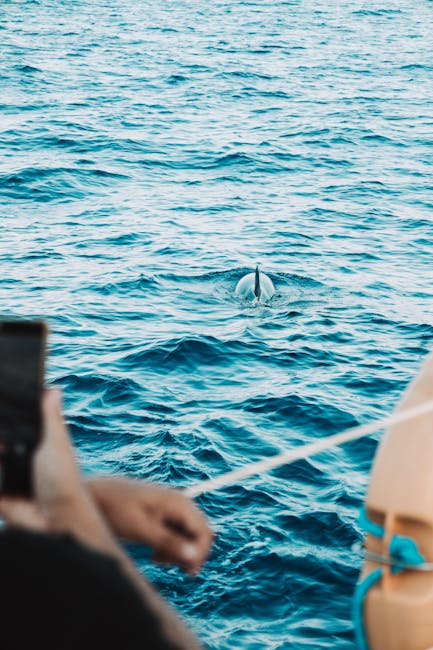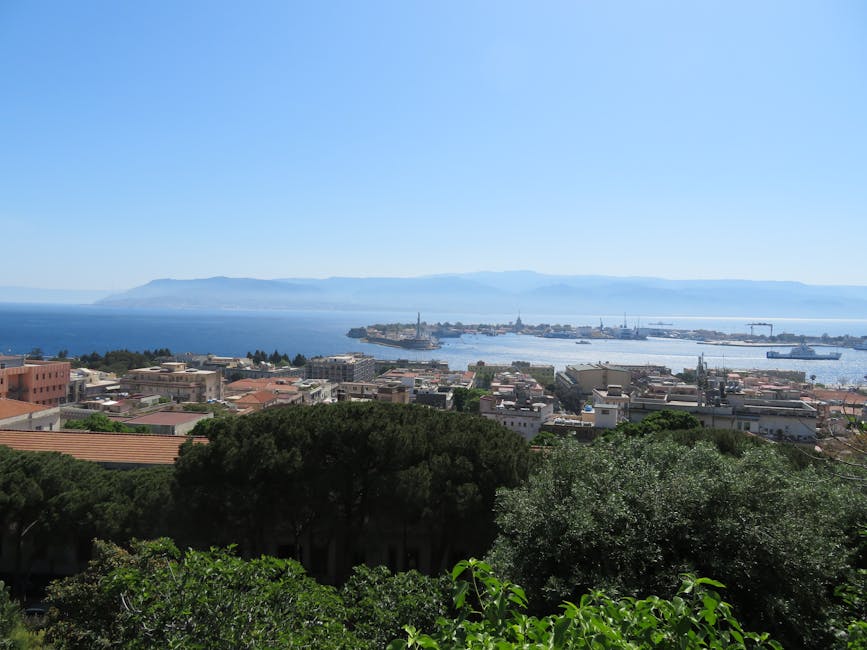





Introduction : Nager avec les dauphins en Sicile — une expérience éthique et immersive
Sicily, the Mediterranean’s mother island, is more than ancient ruins and sun-soaked beaches: it’s also a vital home for several species of cetaceans and dolphins. Swimming with dolphins in Sicily can be a truly moving, immersive experience — a close encounter with marine life in its natural environment — provided it’s done responsibly and respectfully. This comprehensive guide focuses on ethical cruises and sea trips, where to go for guided sightings and swims, recommended operators, exact departure addresses, typical schedules and indicative prices, plus practical tips to minimize your impact on the animals while maximizing safety and enjoyment.
Why “ethical”? Because swimming with dolphins isn’t a show: it’s an interaction with wild animals. The line between a responsible encounter and a harmful activity depends on respecting marine protection rules, keeping minimum approach distances, limiting the number of boats and swimmers, not using food or bait, and working with guides trained in marine ethology. Sicily, with its rich waters around the Strait of Messina, the Gulf of Catania, and offshore areas near Siracusa and Taormina, offers realistic chances to observe local species like the common dolphin (Delphinus delphis), the striped dolphin (Stenella coeruleoalba) and the bottlenose dolphin (Tursiops truncatus).
This guide gives you concrete details: full names of ports and departure points, exact addresses such as the Porto di Giardini Naxos, Via Lungomare Naxos, 98035 Giardini Naxos (ME) or the Marina di Ortigia, Via Vittorio Veneto, 96100 Siracusa (SR), typical departure times, and indicative prices in euros. You’ll also find vivid descriptions of sea trips, recommended gear, onboard rules, and snorkeling tips for approaching animals without disturbing their natural behavior.
Finally, the guide highlights options for all kinds of travelers: short 2–3 hour outings for families, full-day cruises for photographers and naturalists, and specialist trips led by researchers and marine biologists that include talks and opportunities to take part in surveys. The aim is to help you choose an experience that respects wildlife, supports local conservation efforts, and leaves you with lasting memories without harming dolphins or their habitat.
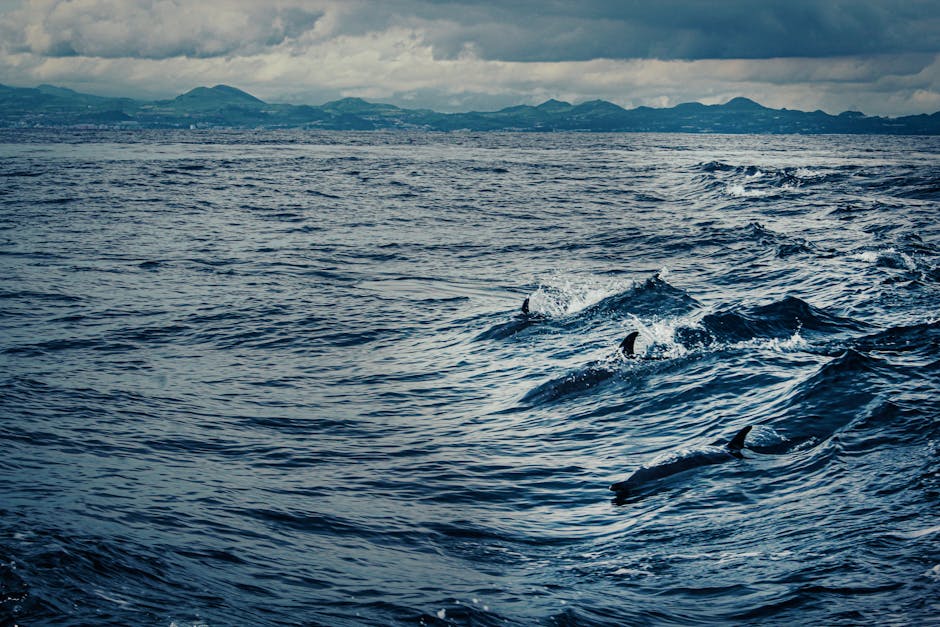
1) Où et quand nager avec les dauphins : zones recommandées en Sicile
Sicily has several marine areas where dolphin encounters are frequent. Here are the main spots, with descriptions, accessibility and best times to go.
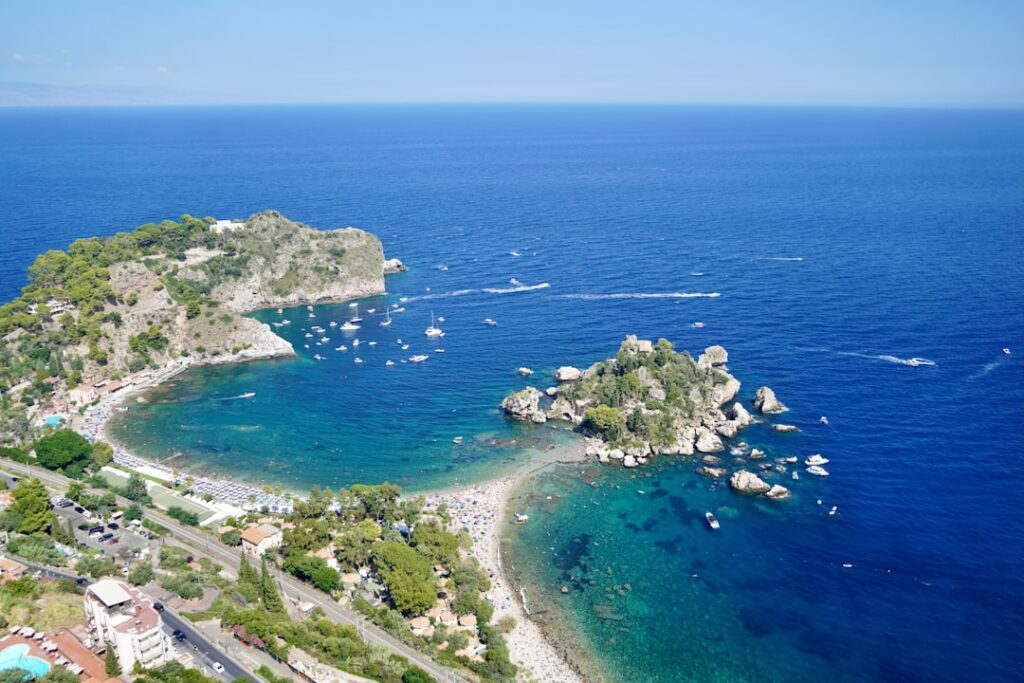
- Giardini Naxos / Taormina (Gulf of Naxos) — Regular departures from Porto di Giardini Naxos, Via Lungomare Naxos, 98035 Giardini Naxos (ME). This area mixes deep water close to shore and shoals of fish, often attracting Stenella coeruleoalba (striped dolphins). Best season: May to October. Typical trip length: 2 to 4 hours. Indicative prices: €40–80 per adult for a standard outing (2–3 hours), €20–50 for children (3–12 years). Departures: often 09:00 and 15:00, depending on the operator and weather.
- Siracusa / Ortigia (South-east Sicily) — Departures from Marina di Ortigia, Via Vittorio Veneto, 96100 Siracusa (SR). This zone is known for sightings of Tursiops truncatus and Delphinus delphis offshore from the Riserva Naturale Orientata della Vendicari and the Penisola della Maddalena. Best season: April to November. Prices: €35–90 depending on duration and type of trip (2–6 hours). Usual departures: 08:30, 11:00, 15:00.
- Capo d’Orlando and the Nebrodi coastline (North-east) — Departures from the main harbor: Porticciolo di Capo d’Orlando, Via Lungo Mare, 98071 Capo d’Orlando (ME). Waters off Capo d’Orlando and the nearby underwater canyons attract groups of common dolphins and occasional larger species. Best season: April to September. Typical prices: €30–70 (half-day). Schedules: 09:00 and 14:00.
- Cefalù and Palermo (North-west) — Departures from Porto di Cefalù, Via Vittorio Veneto, 90015 Cefalù (PA) or Porto di Palermo, Molo Vittorio Veneto, 90133 Palermo (PA). Trips here combine historic coastal scenery with dolphin spotting along rocky seabeds. Best season: May to October. Prices: €35–85 depending on group size and duration. Departures: mornings and late afternoons.
- Strait of Messina (Stretto di Messina) — Often departing from Porto di Messina, Via Fata Morgana, 98122 Messina (ME). This dynamic area has strong currents and is frequented by multiple cetacean species. It requires experienced operators and strict adherence to safety rules. Best season: May to September. Prices: €40–100 for guided outings.
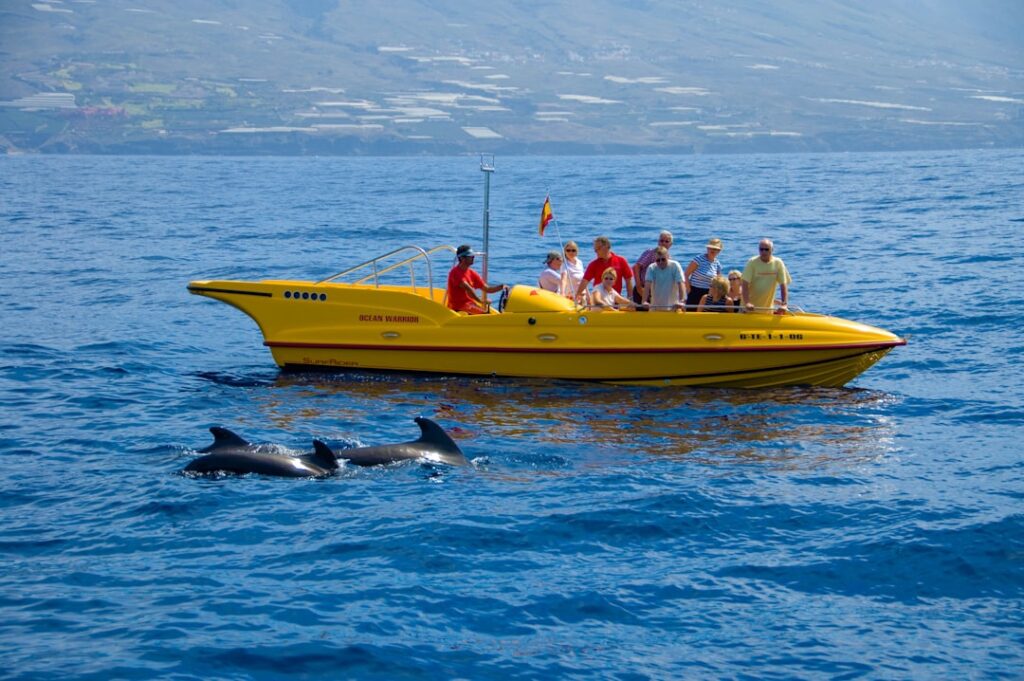
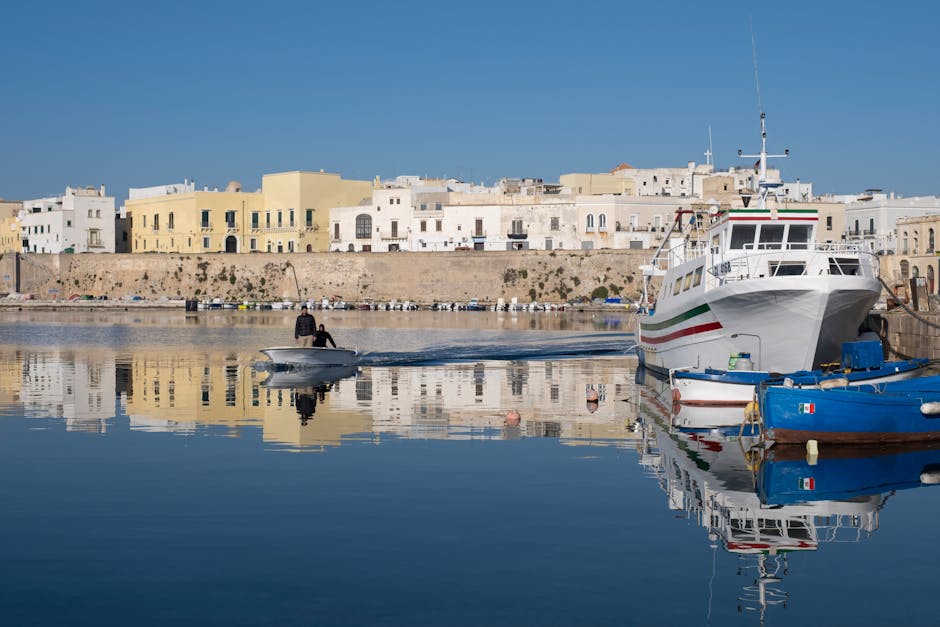
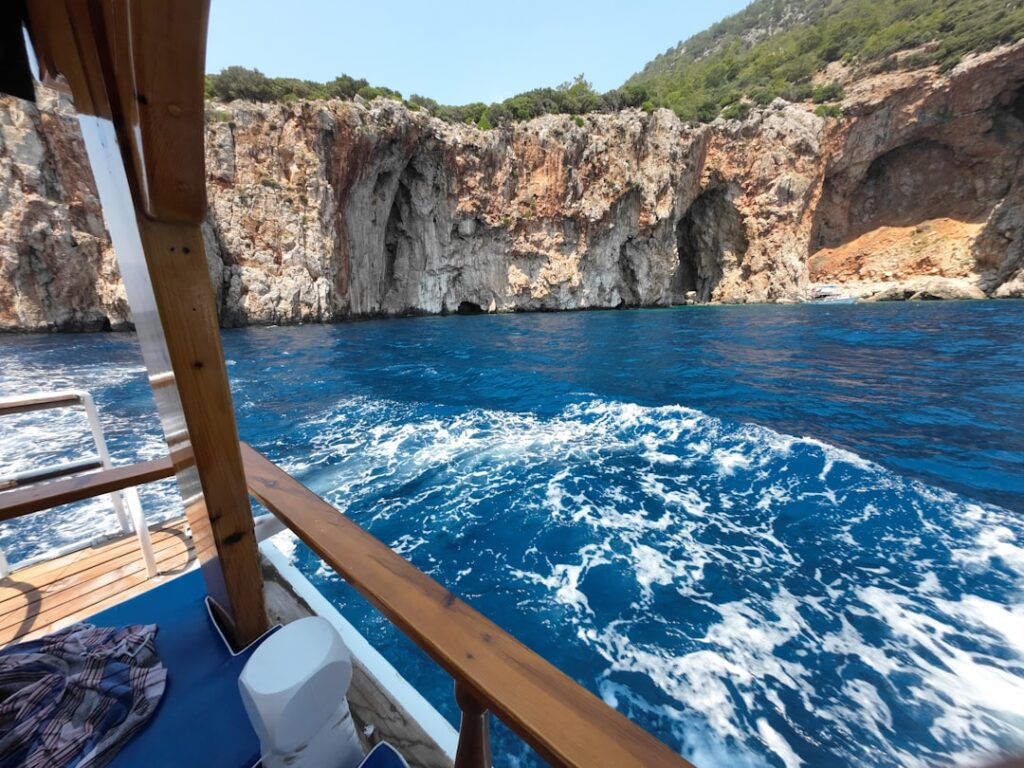
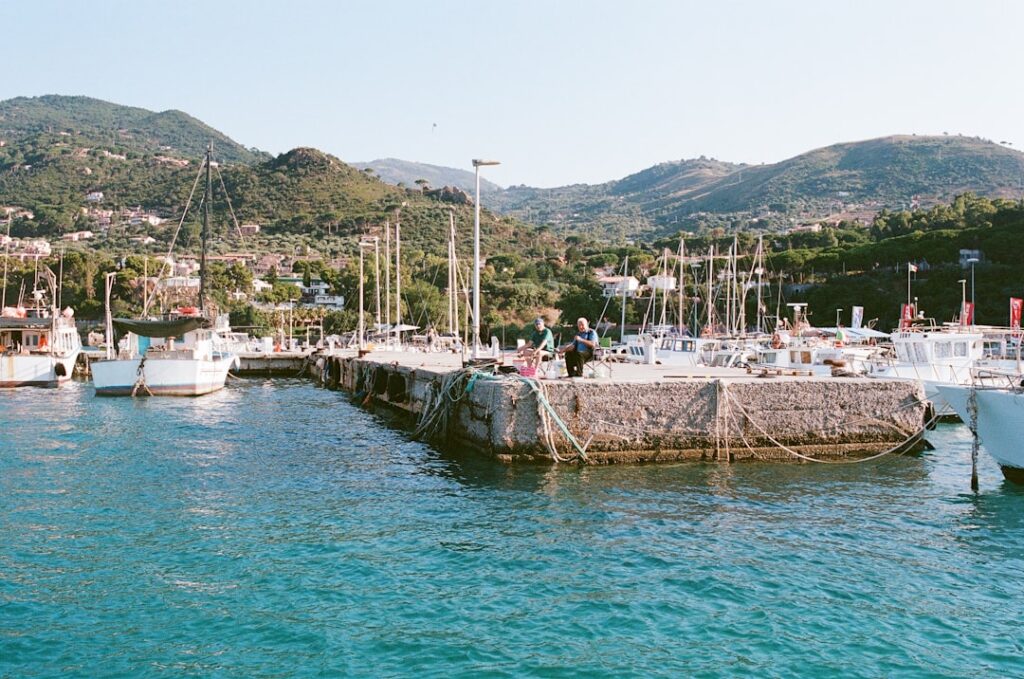
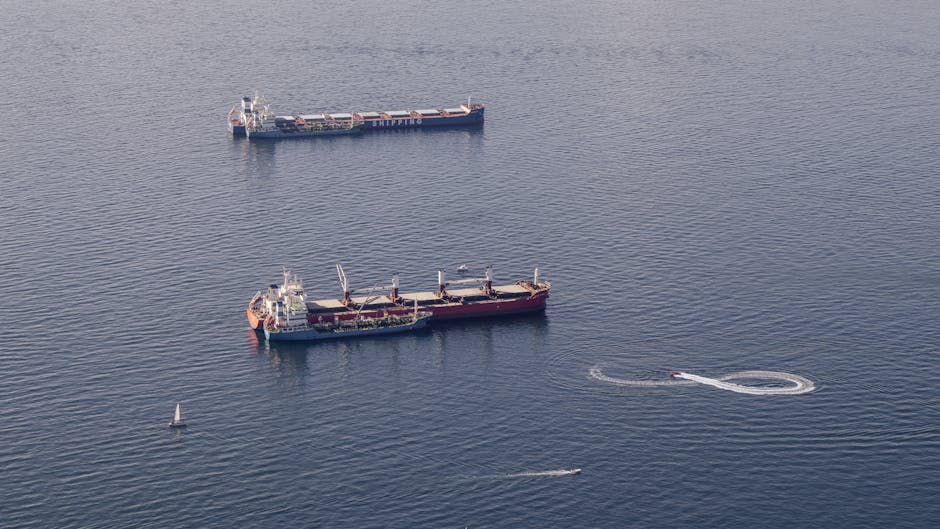
Practical tip: sightings are usually better early in the morning when the sea is calmer and fish-feeding activity attracts dolphins. Always check the weather, as Scirocco or Ponente winds can make the sea rough and trips might be canceled.
2) Ethical operators and cruises: exact addresses, prices and schedules
Choosing an operator committed to marine protection is key to an ethical experience. Here’s a representative selection of organizations and companies in Sicily, with addresses, price ranges and typical schedules. Note: rates and times vary by season; book ahead and confirm by phone or email.
-
SeaNature Sicily — Naturalist excursions
Departure address: Porto di Giardini Naxos, Via Lungomare Naxos, 98035 Giardini Naxos (ME)
Schedules: departures at 09:00, 13:00, 16:00 in high season (May–September).
Prices: €55 adult (3 hours), €30 child (3–12 years). Long trips (6 hours): €95.
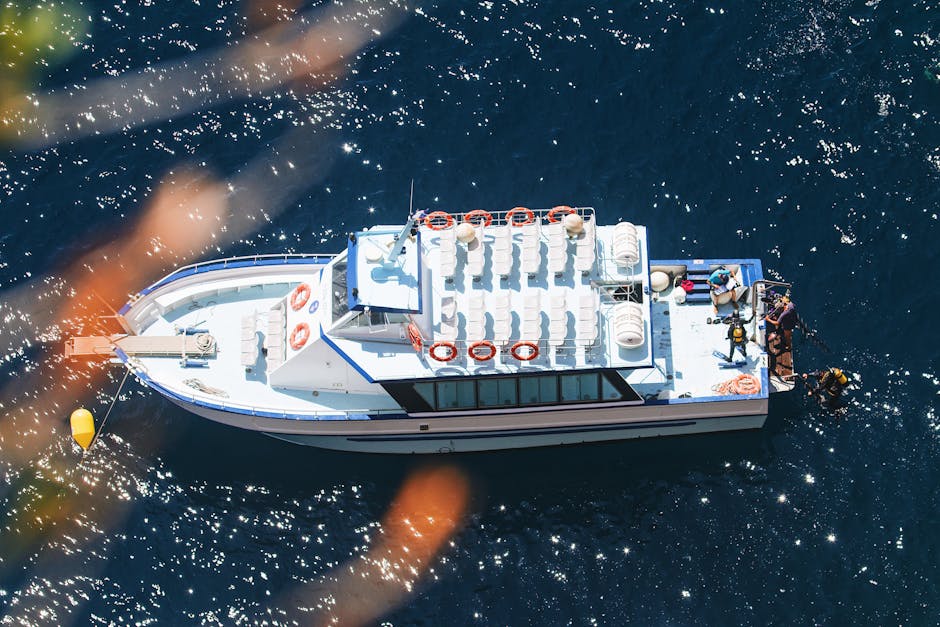
Description: limited-capacity cruises (max. 12 passengers), naturalist guide on board, code of conduct for approaching cetaceans, no forced physical contact. Snorkeling gear provided on request. -
strong>Ortigia Marine Research — Tours with biologists
Departure address: Marina di Ortigia, Via Vittorio Veneto, 96100 Siracusa (SR)
Schedules: departures at 08:30 and 14:30, with talks on board before and after the trip.
Prices: €70 adult (half-day 4 hours), €120 full day (8 hours) including lunch on board.
Description: scientific excursions led by marine biologists, opportunities to take part in visual surveys, explanations on habitat protection and data sharing with local NGOs. -
Nebrodi Sea Tours — Capo d’Orlando
Address: Porticciolo di Capo d’Orlando, Via Lungo Mare, 98071 Capo d’Orlando (ME)
Schedules: departures at 09:00, 15:00 (high season).
Prices: €35 adult (2 hours), €60 half-day (4 hours).
Description: small boats, local guides, strong emphasis on best practices (no feeding, no chasing), photo stops and guided snorkeling when conditions permit. -
Cefalù Blue Cruises
Address: Porto di Cefalù, Via Vittorio Veneto, 90015 Cefalù (PA)
Schedules: 09:30 and 16:00 (booking recommended).
Prices: €45 adult (3 hours), €25 child. Private trips on request from €150 for 4 people.
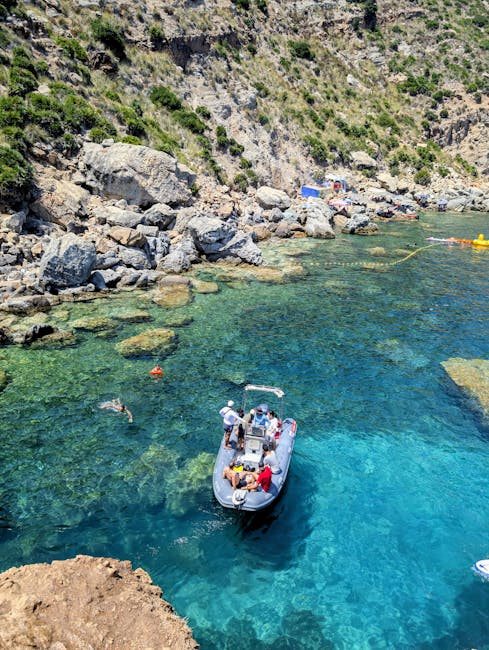
Description: coastal outings combining swimming, snorkeling and dolphin watching. Boats limited to 20 people, guide trained in marine biodiversity regulations.
Booking tip: always ask the operator if they follow national and European cetacean observation guidelines (minimum approach distance, approach speed, number of boats). Prefer operators that donate part of their proceeds to local conservation projects.
3) What happens on board: the flow of an ethical cruise and required gear
An ethical cruise in Sicily isn’t an aggressive photo safari: it follows a strict protocol to reduce stress on the animals. Here’s a typical trip itinerary and the gear you should bring.
Before departure
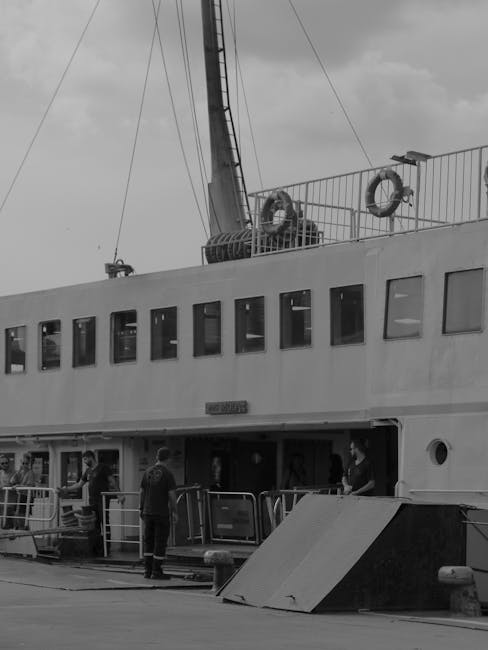
- Meeting point at the port (e.g. Porto di Giardini Naxos, Via Lungomare Naxos) 15–30 minutes before the listed departure time.
- Mandatory onboard briefing: safety rules (lifejackets, seating position, behavior during approach), ethics rules (no food, no spray bottles, no sudden dives).
- Check your snorkeling gear: mask, snorkel, fins if needed, and a waterproof camera if you have one.
At sea — searching and observing
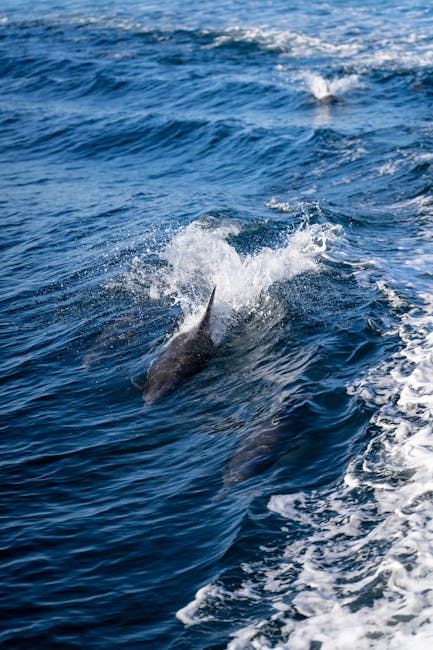
The boat moves in relative silence, slowing down at the first signs of cetaceans. Guides use binoculars, hydrophones and sometimes acoustic ID apps to locate groups. Approaches are made from the side and in parallel: never a full-on chase. Common rules include:
- Recommended minimum distance: 50–100 meters for the most skittish species, though this can be adjusted depending on individual behavior.
- Limited approach time: usually 15–30 minutes per group to avoid disturbance.
- No feeding or attracting dolphins with bait.
The supervised swim
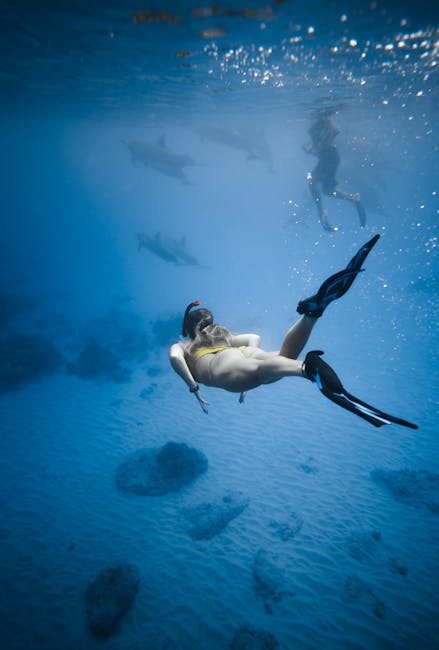
On ethical cruises, swimming with dolphins is allowed only if the animals show voluntary approach behaviors (curiosity, play) and the guide considers the situation safe. Typical protocol:
- A limited number of swimmers (often 2–6) per encounter.
- Gradual entry into the water, no sudden movements, using a mask and snorkel, staying horizontal to avoid frightening them.
- Strict prohibition on touching dolphins — any contact must be initiated by the animal.
Recommended gear: swimsuit, UV-protective lycra or shorty, well-fitting mask and snorkel, biodegradable (« reef-safe ») sunscreen, towel, water bottle. Operators often provide masks and flotation vests on request; check when booking.
4) Best practices, safety and contributing to conservation
Swimming with dolphins in Sicily should go hand in hand with responsible behavior. Here are concrete rules and local tips to protect the animals and enjoy your experience safely.
- Respect distances and listen to the guides: trained operators recognize dolphin stress signals (sudden stops, long dives, group changes). If the guide asks you to back off, do it immediately.
- Do not touch or chase: even if a dolphin approaches you, stay still, breathe calmly and let the animal choose the interaction. Touching or following a dolphin can alter its behavior, separate it from its group or expose it to risks.
- No feeding: feeding dolphins creates dependency, alters ecological dynamics, and is often illegal. Ethical operators enforce a zero-tolerance policy on this point.
- Support local research: some tours in Sicily are run by or partnered with NGOs and universities (e.g. projects monitoring cetaceans in the Ionian Sea). Tipping a little extra, buying eco-friendly souvenirs, or joining onboard workshops helps fund conservation.
- Safety: inform the crew of any medical conditions before departure. Mediterranean waters can be unpredictable — wear a lifejacket if you’re not a confident swimmer. If winds are strong or the sea is rough, accept cancellations or rescheduling for your safety.
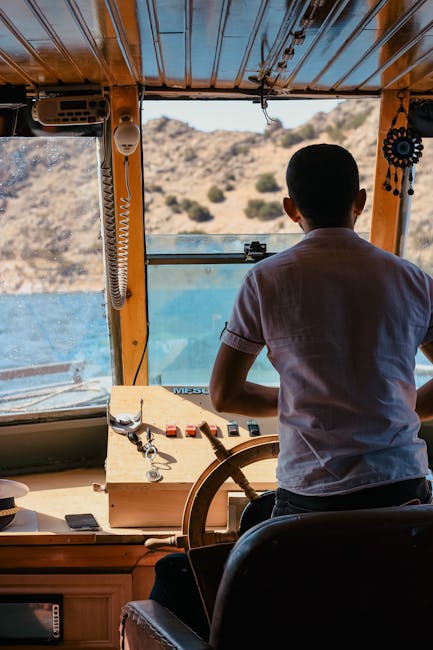
Local tips: always ask the operator whether they hold passenger liability insurance, whether skippers are certified, and whether there’s an emergency plan. Bring local cash for payments at the dock if needed; many small companies prefer direct payment at the port.
Conclusion : Préparer votre rencontre et laisser un impact positif
Swimming with dolphins in Sicily can be one of the highlights of your trip: an immersion in Mediterranean marine life, a humbling lesson and a call to protect the oceans. This guide has shown concrete areas (Giardini Naxos / Taormina, Marina di Ortigia in Siracusa, Capo d’Orlando, Cefalù, Strait of Messina), example operators with addresses and price ranges, the flow of an ethical cruise, and the rules and behaviors to adopt to minimize stress on the animals. Before booking, take time to compare offers by checking: group size, presence of a naturalist or biologist guide, the operator’s adherence to a code of conduct, and the trip’s exact destination.
Plan your outing early in the day for calmer seas and a higher chance of sightings; bring eco-friendly gear (« reef-safe » sunscreen, leak-free masks); check the weather and the operator’s cancellation policy. Where possible, choose excursions that donate part of their revenue to local research programs or that include brief educational actions on board: these experiences enhance your trip and help protect cetacean populations in the Mediterranean over the long term.
Finally, remember that the true ethics of this activity means promoting non-intrusive encounters where the wild animal decides whether to interact. By following the rules, supporting responsible operators and sharing your experience thoughtfully (respectful photos, awareness messages), you help keep Sicily a place where dolphins can continue to live and swim freely. Safe travels, and may your time at sea open your eyes to the importance of preserving these fragile ecosystems.