





Introduction — Boat Trip Around Mount Etna: Sea, Lava & Coastal Wonders
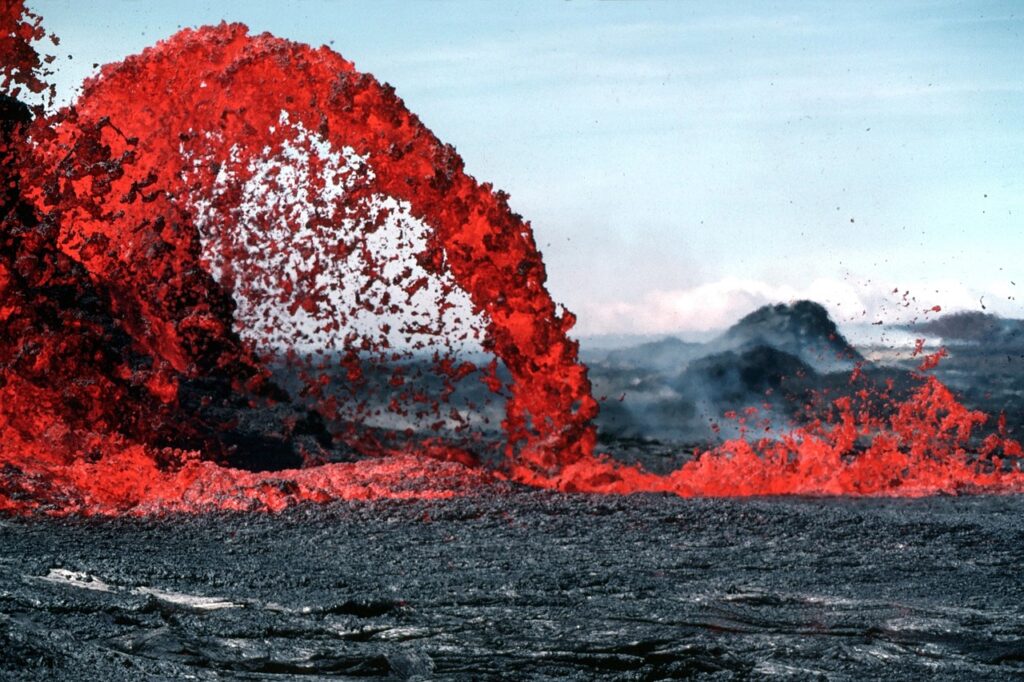
Sicily offers a one-of-a-kind experience where two opposing forces meet and complement each other: the blue Mediterranean Sea and the age-old power of Mount Etna. A boat trip around Etna mixes vast seascapes, volcanic cliffs, pebble beaches, sea caves and — when geology and safety allow — the breathtaking sight of lava flows reaching toward the water. Whether you’re a photographer, a coastal hiker, a geology buff or just a traveler looking for strong impressions, this outing showcases the eastern face of Sicily from Catania’s harbor to the little coves of Aci Trezza and Aci Castello, passing through Giardini Naxos and Riposto.
This article is a practical, detailed guide to planning a boat trip around Etna. You’ll find precise information on departure ports (exact addresses), operators that run these trips, indicative prices in euros, typical schedules, immersive descriptions of the places you’ll pass, and local tips to get the most out of the experience — safety, gear, photography and seasonality. We’ll also cover what you can expect to see from the sea: prevailing winds, lava formations visible from the coast, basaltic islets like the Isola dei Ciclopi, and the best times to catch the light on Etna’s slopes.
Important: sea access to areas where lava meets the water strictly depends on safety conditions, authorizations from local authorities (Protezione Civile, Capitaneria di Porto) and the volcano’s current activity. Professional operators always adapt routes to ensure passenger safety. We’ll list trusted local providers, their departure points, average rates (per person or private charter), and how to book online or on site. Finally, you’ll find practical recommendations — clothing, footwear, sun protection, tips for embarking calmly — and suggestions for continuing your day along Sicily’s east coast after the boat trip.
1. Departure ports and recommended operators — addresses, prices and schedules
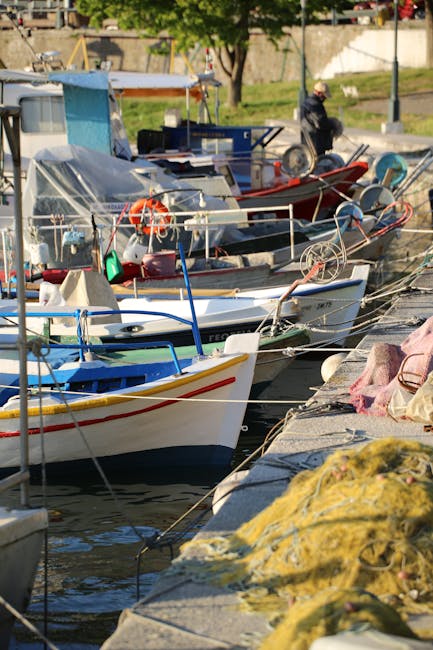
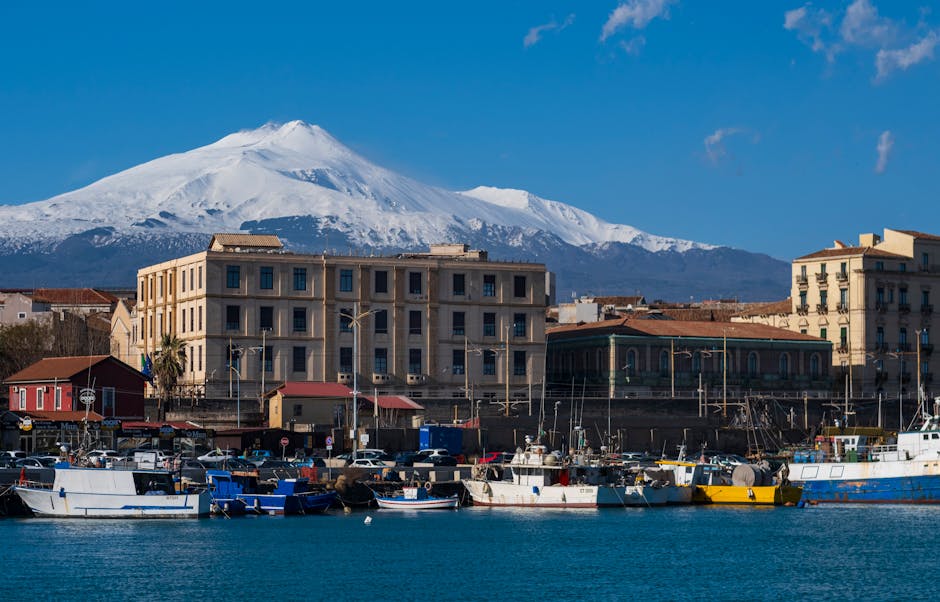
Boat trips around Etna mainly depart from several ports along Sicily’s east coast. The busiest are Porto di Riposto, Porto di Catania, Marina di Giardini Naxos and the harbor at Aci Trezza. Each port offers different services (shared tours, private boats, diving, snorkeling) and varying distances to the volcanic points of interest. Below is a detailed list of the main departure points, with exact addresses, typical operators, indicative rates and usual schedules.
-
Porto di Riposto (Marina di Riposto)
Address: Lungomare Francesco Navarra, 95018 Riposto CT, Italia.
Typical operator: Etna Sea Tours — Banchina Porto Turistico, Lungomare F. Navarra 2, 95018 Riposto CT.
Indicative price: shared tours from €30 per person (half-day), private charters from €250 for 6 people (morning or afternoon).
Schedule: high-season departures usually at 09:00, 11:00, 14:00 and 16:30; duration 3 to 5 hours. Booking recommended. -
Marina di Giardini Naxos
Address: Via Alcide De Gasperi, 98035 Giardini Naxos ME, Italia (port area/Marina di Capo Taormina).
Typical operator: Naxos Boat Excursions — Via Alcide De Gasperi 18, 98035 Giardini Naxos ME.
Indicative price: €35–45 per person for a 4-hour trip (snorkeling included); private cruises €300–500 depending on season and boat size.
Schedule: morning and afternoon departures; commonly offered 08:30–13:00 and 14:00–18:30. -
Porto di Catania
Address: Via Monsignor Ventimiglia, 95121 Catania CT, Italia (Area Portuale di Catania).
Typical operator: Catania Sea Adventures — Punto Imbarco Porto, Via Mons. Ventimiglia 120, 95121 Catania CT.
Indicative price: €25–50 per person for coastal circuits of 3–5 hours; specific excursions to see lava flows depend on authorization: pricing on request (safety is the priority).
Schedule: embarkations often at 09:00 and 15:00; sunset cruises in high season may run until 20:30. -
Aci Trezza / Aci Castello
Aci Trezza address: Lungomare Luigi Rizzo, 95022 Aci Trezza CT, Italia. Aci Castello address: Piazza Castello, 95021 Aci Castello CT, Italia (small harbor and slipway).
Typical operator: Ciclopi Boat — Calata San Giovanni, Lungomare L. Rizzo, 95022 Aci Trezza CT.
Indicative price: €20–40 per person for 2–4 hour trips; sea-cave circuits around the Isola dei Ciclopi often included. Schedule: frequent departures between 09:30 and 18:00 in season.
Local tip: arrive at least 30 minutes before boarding to confirm your reservation, inspect the boat and check safety instructions. In high season (July–August) the best time slots usually go early; book online if you want a specific departure.
2. Typical routes and marine points of interest — immersive descriptions
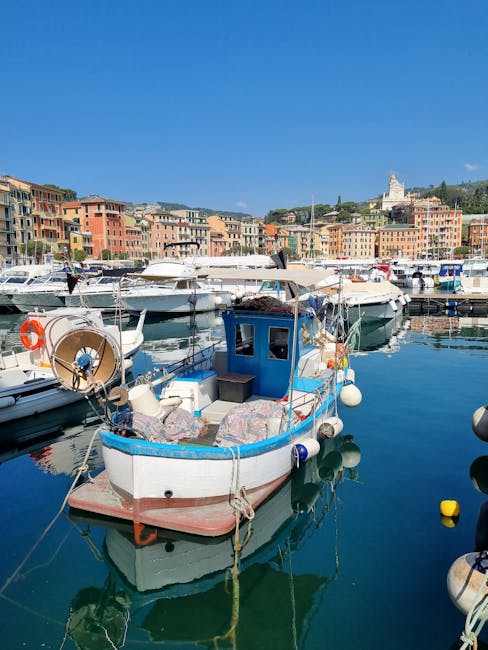
Routes vary depending on duration, type of vessel and volcanic activity. Here are the most common itineraries, described so you know what to expect visually and physically.
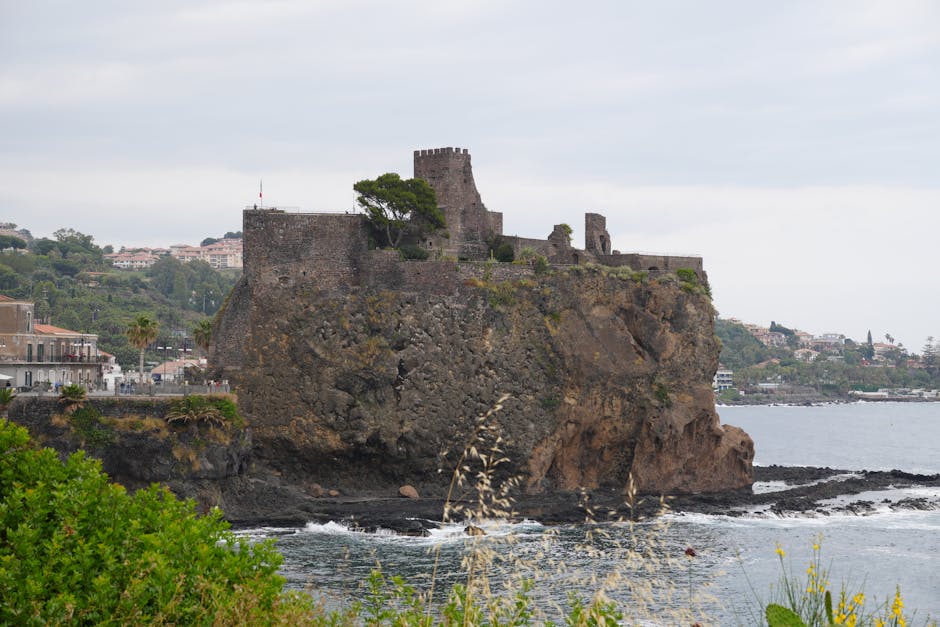
- Classic coastal cruise (3–4 hours): departing from Riposto or Giardini Naxos, you’ll sail along the Riviera dei Ciclopi, pass Aci Trezza with its famous basalt stacks (sea stacks formed by Etna), then head to Aci Castello where the medieval castle stands right on the water. You’ll see black lava cliffs contrasting with turquoise sea and citrus terraces clinging to the slopes. Several swimming and snorkeling stops are typical. Tours often include geological commentary on board.
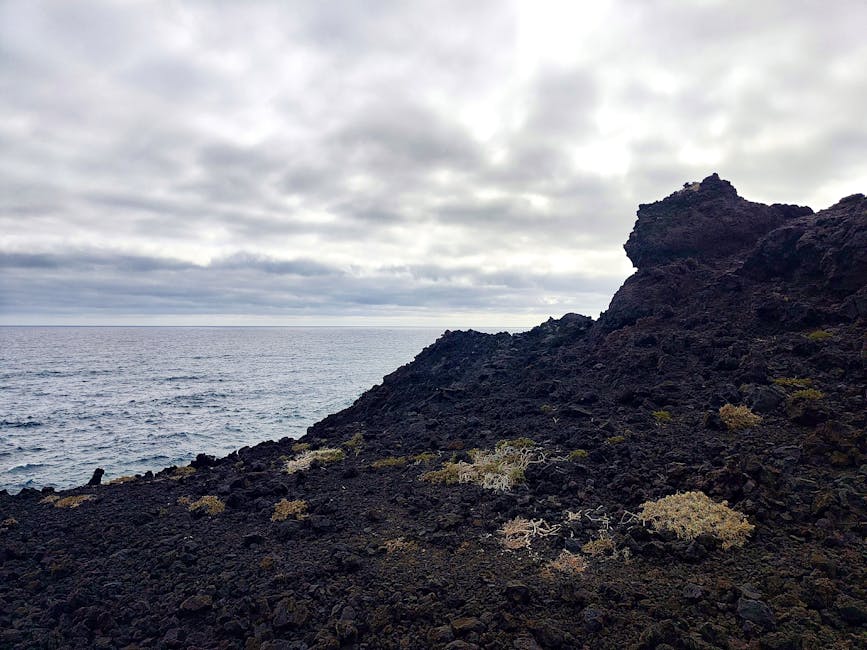
- Geology-focused excursion (4–5 hours): leaving from Catania, the route targets areas where older flows are visible from the sea — fields of solidified lava, black pebble beaches and sea caves carved into the rock. Guides explain the origin of basalts, pumice and the differences between aa/’a’a and pahoehoe lava types. If volcanic activity allows and authorities permit it, boats can approach sites where lava reaches or reached the sea; approaches are always regulated.
- Extended trip to see recent flows (5–8 hours, subject to permits): during eruptive periods and under strict supervision, special (often private and pricey) trips may be organized to observe hotspots from a safe distance, with binoculars, volcanologist guides and direct communication with Protezione Civile. Rates: commonly €400 and up for a private boat, with strict limits and enhanced safety equipment.
Marine highlights not to miss: the Isola dei Ciclopi (a basalt islet near Aci Trezza), Aci Castello’s Norman castle seen from the sea, the black pebble beaches of Forza d’Agrò and the dark lava strand that forms the « Strada della Timpa » area around Capo Mulini. The contrasts between dark volcanic rock, Mediterranean vegetation and the sea create striking photographic compositions — ideal late in the afternoon when the light skims Etna’s slopes.
3. Safety, regulations and best practices — what to know
Safety is paramount for any sea trip around an active volcano. reputable operators comply with rules from the Capitaneria di Porto (Harbour Master), the Protezione Civile and the National Institute of Geophysics and Volcanology (INGV). Here are the essential points to know before you book.
- Approach authorization: access to areas where lava meets the sea is strictly controlled. Entry decisions are made case-by-case by the Protezione Civile and the Capitaneria di Porto. Operators will relay updates; be prepared for last-minute route changes.
- Safety equipment: life jackets for everyone (mandatory), lifebuoys, VHF radio, GPS, first-aid kit. Snorkeling trips often provide masks and snorkels (included or available to rent for €5–10). Private charters may require additional insurance.
- Weather and swell: the Mediterranean can be unpredictable — Scirocco or Mistral winds increase swell. Trips are often canceled or postponed in rough seas. Check cancellation policies: most operators refund or reschedule if weather is unfavorable.
- Responsible behavior: do not throw trash overboard, respect protected areas (fines apply), and never try to approach lava flows without authorization. If you smell strong sulfur, follow the crew’s advice; masks can help sensitive individuals.
Local tip: pack a windbreaker even in summer (sea breeze and the relative elevation of the slopes can cool you), high protection sunscreen (SPF 50 recommended), a cap and non-slip closed shoes for rocky landings. Bring water (1–2 L per person) and snacks: some longer cruises do not include full catering. Always ask the captain about minimum safe distances from hazardous areas and follow their instructions.
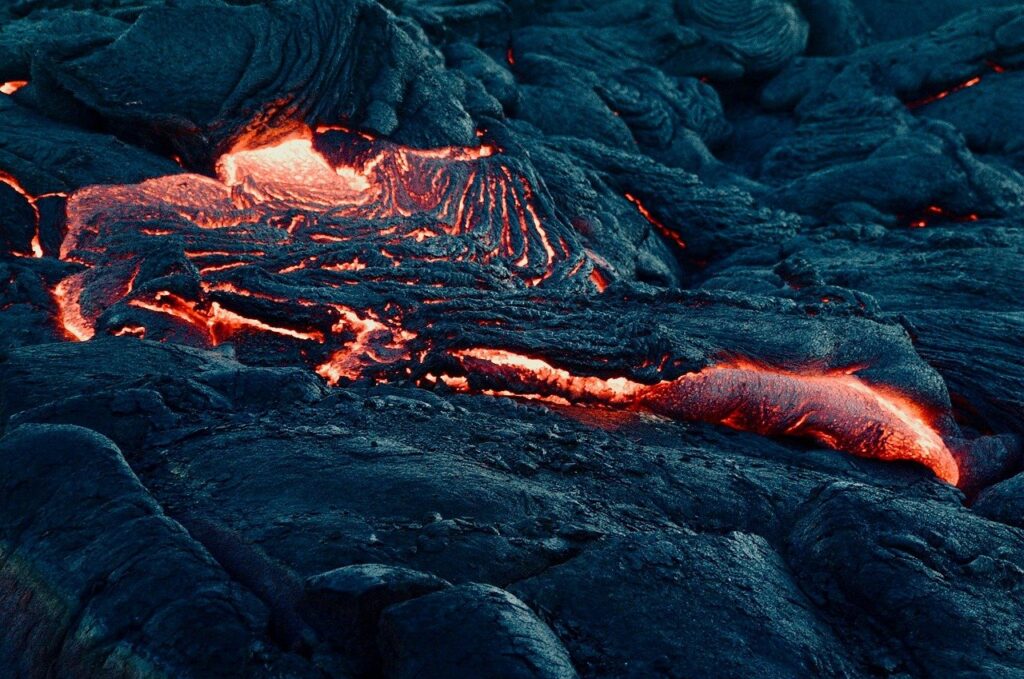
4. Practical experience and tips for photographing the sea-lava encounter
Photographing Etna from the sea takes preparation and timing. Light, smoke and steam create dramatic atmospheres. Here are concrete tips to help you nail your shots and fully enjoy the trip.
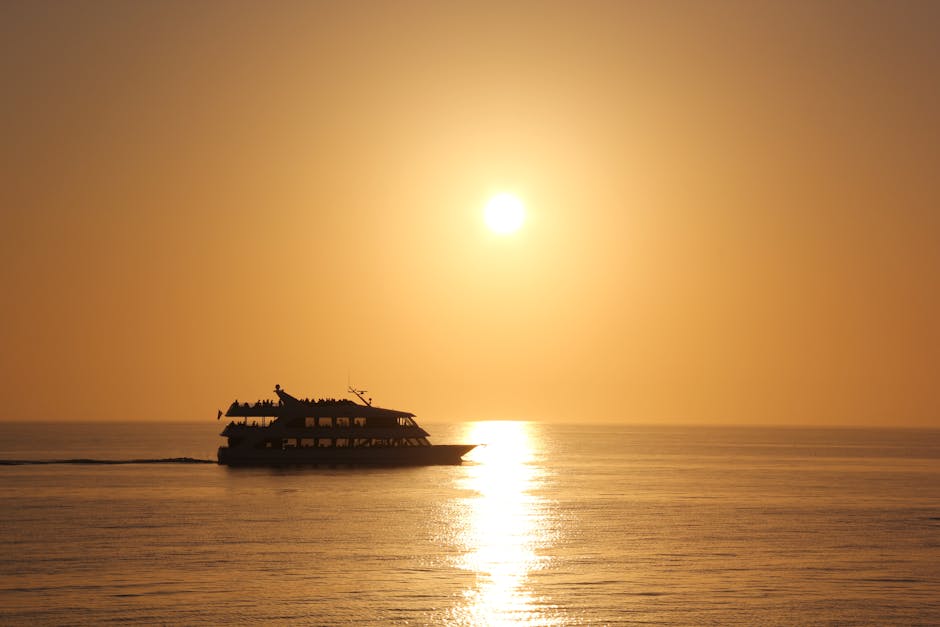
- Best times of day: for warm tones and long shadows on the slopes, aim for dawn (very early departures) or dusk (sunset cruises). Midday produces higher contrast on the sea but can flatten lava details.
- Recommended photo gear: a 24–70mm zoom for wide landscapes, a 70–200mm to isolate volcano details or follow a smoke plume, and a travel tripod if you plan to shoot at dusk (a small tripod is useful on a Zodiac or small boat). Protect gear from saltwater with waterproof covers. Bring extra memory cards and batteries.
- Practical settings: aperture priority (f/8–f/11) for landscape depth of field, fast shutter speeds to stabilize shots on choppy water (1/500s or faster), and a polarizer to reduce surface glare and boost sea and rock colors.
- Composition: place the horizon off-center (rule of thirds), include a foreground element (rock, bow of the boat) to add depth. Look for human silhouettes in front of the volcano to give scale, or capture steam and plumes for drama.
Extra practical tips: on a shared boat, position yourself at the stern or bow for unobstructed angles; be ready to move to follow the light and avoid reflections. Guides often point out the best sides for photos — trust them. And remember to respect protected areas and avoid entering forbidden caves: some are fragile and protected.
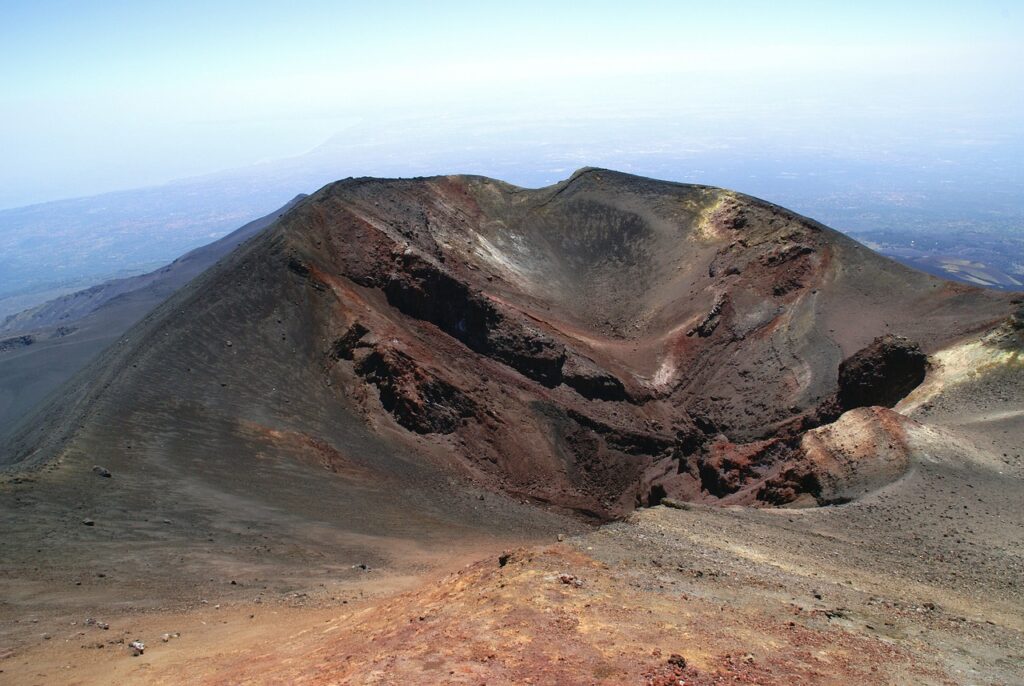
Conclusion — Make the most of the sea-and-fire pairing
A boat trip around Etna combines spectacle and contemplation: the geological layers visible from the sea tell centuries of volcanic activity, while Sicily’s coast reveals a rich marine habitat and unique coastal landscapes. Departing from one of the east-coast ports — Porto di Riposto (Lungomare Francesco Navarra, 95018 Riposto CT), Marina di Giardini Naxos (Via Alcide De Gasperi, 98035 Giardini Naxos ME), Porto di Catania (Via Monsignor Ventimiglia, 95121 Catania CT) or Aci Trezza (Lungomare Luigi Rizzo, 95022 Aci Trezza CT) — puts you within reach of a variety of trips suited to every profile: short family outings, half-day swims, or specialized excursions led by geologists.
Plan with safety constraints in mind: approaches to lava zones are regulated and depend on Protezione Civile and port authorities. Prices vary by duration and vessel type: expect €20–50 per person for shared 2–4 hour trips, and €250–400+ for a private half-day charter. Check schedules and cancellation terms before booking, and always arrive early. Photographers should favor dawn or dusk and protect gear from salt. Hikers wanting to extend the adventure can pair the boat trip with a guided climb on Etna (common departures from Nicolosi or Piano Provenzana) — note that ascent and sea excursions are booked separately and require independent reservations.
Finally, enjoy the local cuisine after your outing: savor seafood in Aci Trezza (for example at Ristorante La Pagliara, Via Lungomare L. Rizzo 12, 95022 Aci Trezza CT — dishes €15–30) or grab arancini and cannoli in Catania (Pasticceria Savia, Via Etnea 302, 95131 Catania CT — pastries €1.50–3.50) to round off a memorable day. Etna seen from the sea reveals a Sicily both wild and welcoming: plan ahead, follow the rules and let yourself be amazed by the meeting of sea and lava.