





Introduction: Why the Right Lenses and Filters Matter for Sicilian Panoramas
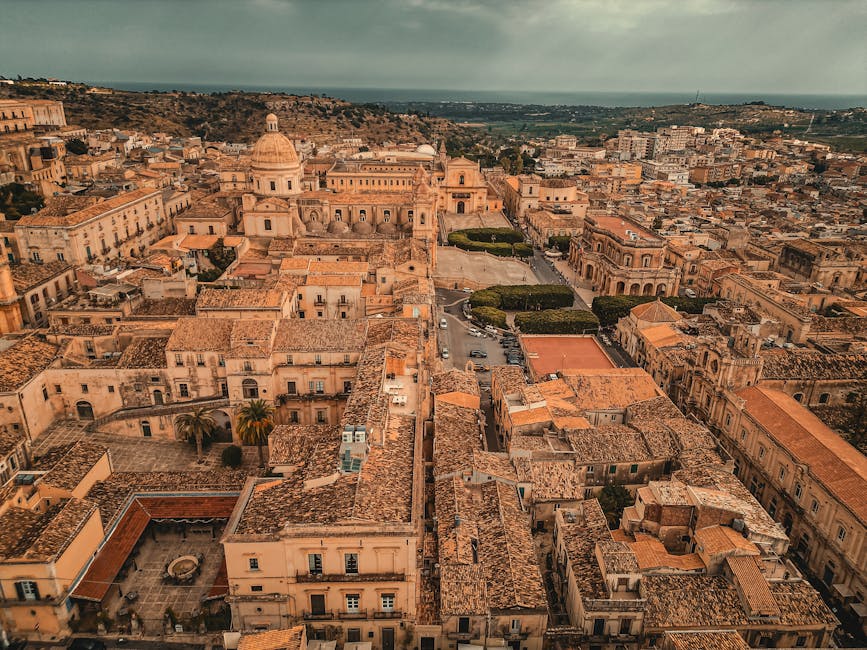
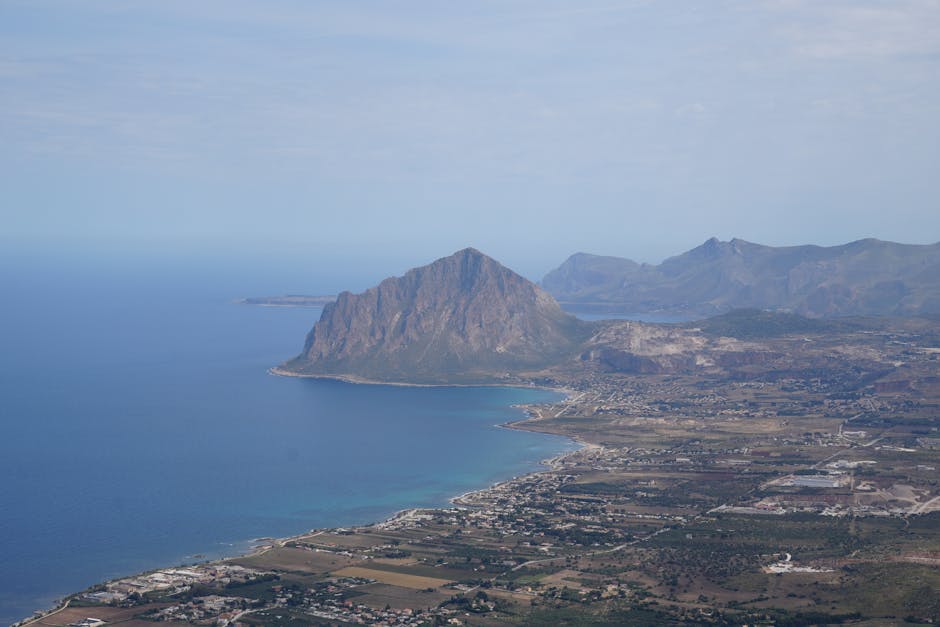
Sicily is an island of striking visual contrasts: from the white cliffs of the Scala dei Turchi to the lunar flows on Mount Etna, from the baroque alleyways of Noto to the coastal panoramas above Taormina. Photographing Sicily is more than recording a scene — it’s telling a story. Light, rock texture, the shifting tones of the Mediterranean and the scale of historic monuments all come together to create singular frames. To translate those feelings into images that hit, your choice of lenses and filters matters. The wrong focal length or missing filter can flatten a dramatic view or let the magic of a sunset slip away.
This practical guide, aimed at the traveling photographer exploring the island, gives technical recommendations (focal lengths, apertures, sensor types), essential filters to pack (circular polarizer, variable ND, graduated NDs) and concrete approaches for specific sites like Mount Etna, Taormina, the Zingaro Reserve, the Valley of the Temples in Agrigento, or Syracuse’s old harbor. You’ll also find exact addresses, opening times and indicative prices to plan your photo outings without surprises — plus local tips to make your sessions more efficient: when to arrive, where to park, drone rules and small local shops that can help in a pinch.
Keep in mind Sicily sometimes forces you to adapt your workflow: strong coastal winds, blistering summer heat, salty humidity that can attack camera gear. A well-thought kit — a few key focal lengths, a set of filters and protective accessories — gives you freedom and creative options. Whether you love ultra-wide panoramas, architectural details, street scenes or long exposures along the coast, this guide helps you match your gear to Sicily’s varied backdrops and shifting weather.
Finally, it’s not only gear: it’s approach. Understanding local light (the sun’s angle on limestone scarps, morning haze over Etna, the golden glow of late afternoon in Ortigia) turns a technically correct photo into an immersive image. Through concrete site examples, addresses and practical schedules, plus on-the-ground tips from locals, this article will help you pick the right lenses and filters to elevate every Sicilian panorama.
Choosing Lenses: Which Focal Lengths to Bring to Capture Sicily
Sicily’s variety of landscapes means you should pack light but stay versatile. Here’s a selection of focal lengths and lens types that cover the essentials, with specific uses for each place.
Wide-angle (14–35 mm full-frame): indispensable for coastal and urban panoramas. A 16–35 mm f/4 or f/2.8 lets you capture the Alcantara gorge coastlines, the Scala dei Turchi cliffs at Realmonte, and Taormina viewpoints like Piazza IX Aprile (Piazza IX Aprile, 98039 Taormina ME). Wide angles are also great for generous interiors such as Monreale Cathedral (Piazza Guglielmo II, 90046 Monreale PA). Tip: prefer a rectilinear wide to minimize architectural distortion.
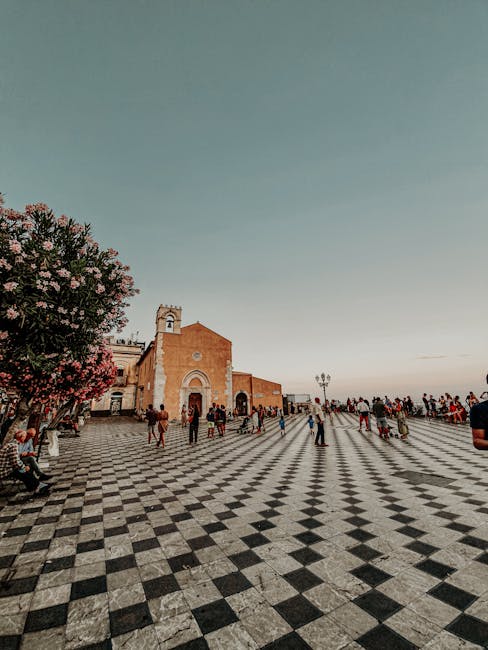
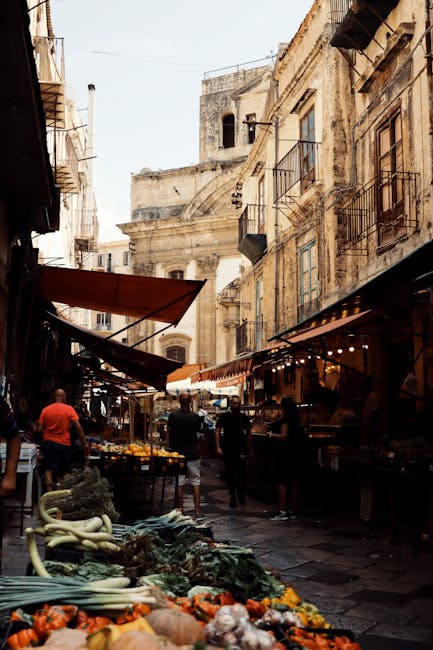
Standard zoom (24–70 mm): the Swiss army knife of lenses. Perfect for switching between open landscapes and architectural details: Via Etnea in Catania (Via Etnea, 95131 Catania CT) offers ideal perspectives around 35–50 mm. This range is also handy for local markets — think Mercato di Ballarò in Palermo (Via Sant’Agostino, 90134 Palermo PA) — where you’ll alternate wide shots and street portraits.
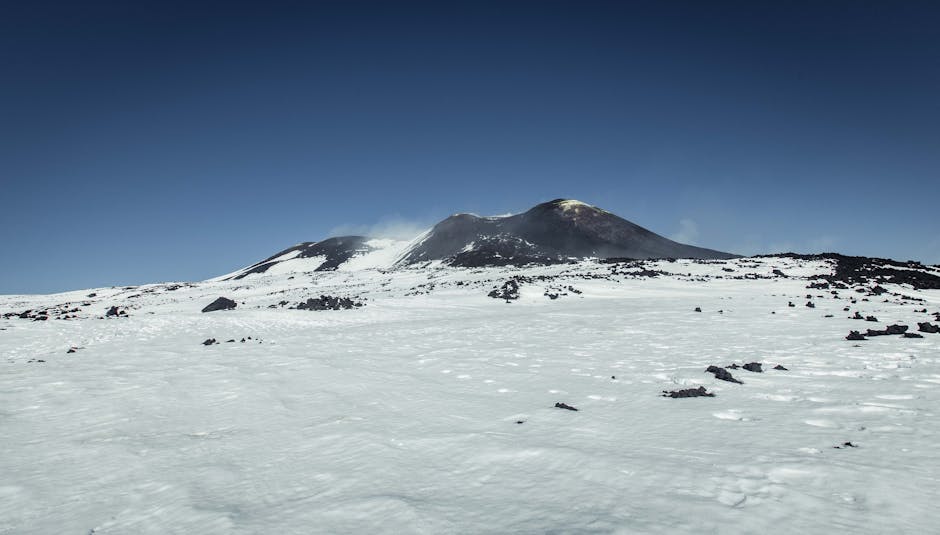
Telephoto (70–200 mm or 70–300 mm): to isolate distant details: summit craters of Etna, sculptures and columns in the Valley of the Temples at Agrigento (Valle dei Templi, Via Panoramica Valle dei Templi, 92100 Agrigento AG) or the cliffs of the Riserva Naturale Orientata dello Zingaro (Località Scopello, 91014 San Vito Lo Capo TP). A 70–200 f/2.8 is ideal in low light and lets you use compression to heighten drama.
Fast primes (35 mm, 50 mm, 85 mm): if you favor image quality, a 35 mm f/1.4 or f/1.8 is great for night scenes in Ortigia’s alleys (Piazza Duomo, 96100 Siracusa SR) or market portraits. An 85 mm f/1.8 is a superb complement for isolating subjects and architectural details with creamy bokeh.
Practical tip: to travel light, combine a 16–35 mm, a 24–70 mm and a 70–200 mm if you can; otherwise a 24–105 mm covers most situations. Indicative 2026 prices: 16–35 mm f/4 ~ €700–€1,200; 24–70 mm f/2.8 €1,200–€2,200; 70–200 mm f/2.8 €1,500–€2,800. Bring a small travel tripod (€60–€200) for long exposures and night panoramas.
Essential Filters and How to Use Them in the Field
Filters can turn a good photo into something memorable. In Sicily, where the sun can be harsh and the sea highly reflective, some filters are almost mandatory.
Circular polarizer (CPL): reduces reflections on water and boosts sky saturation, making blues deeper and clouds more dramatic. At the Riserva Naturale dello Zingaro and San Vito Lo Capo beaches, a CPL will also help reveal rocks beneath the water’s surface for more compelling compositions. Price: €30–€180 depending on size and brand (Hoya, B+W, Nikon, Tiffen).
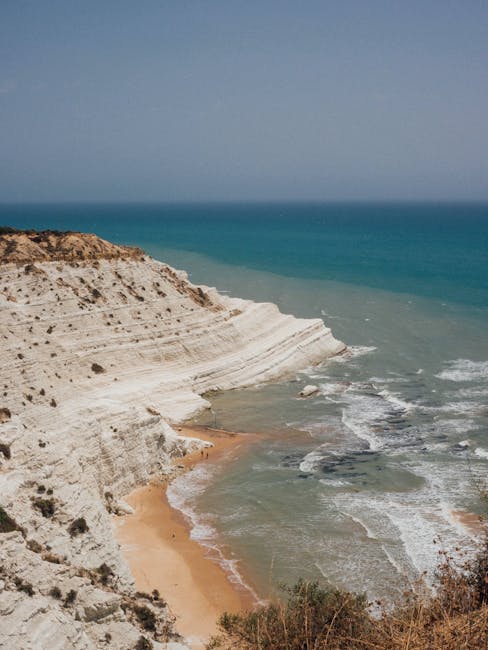
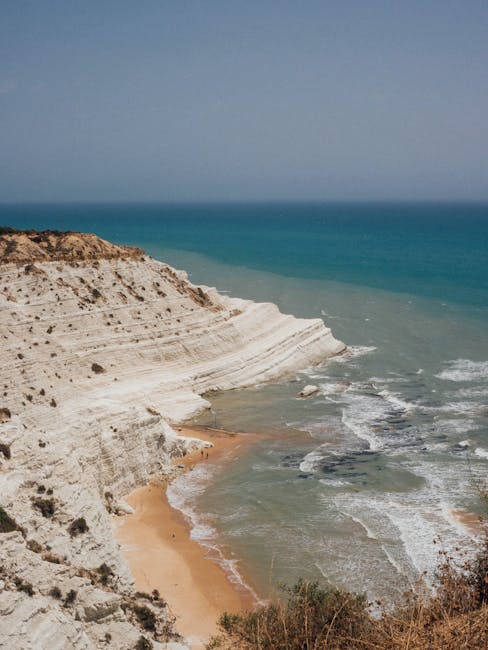
Neutral density (ND) and variable NDs: essential for long exposures. At Scala dei Turchi (Scala dei Turchi, 92010 Realmonte AG), long exposures (2–30 s) smooth the sea and emphasize cliff texture. A 6-stop ND or a 10-stop ND makes these effects possible in daylight. Variable NDs are convenient but watch out for cross-polarization artifacts at high densities. Price: ND 6-stop ~ €50–€100; ND 10-stop ~ €100–€200.
Graduated neutral density filters (GND): very useful to balance a bright sky with a darker foreground — for example at Taormina’s Teatro Greco (Via Teatro Greco, 98039 Taormina ME), where the sky can blow out in late afternoon. A soft or hard GND depending on the horizon line helps preserve sky texture and color without underexposing the foreground. Price: €40–€150 depending on range.
Protective gear and cleaners: salty sea spray and volcanic dust near Etna call for protection: rain covers (€15–€40), desiccant packs for your bag, and a cleaning spray plus microfiber cloths (€10–€30). Use a lens hood to limit stray reflections, especially with wide-angle lenses.
Practical tip: invest in a filter system in 82 mm or 77 mm if multiple lenses share the same diameter; otherwise step-up rings are very useful. Label your filters and store them in a hard case to avoid scratches during travel.
Techniques and Photo Guides for Iconic Sites
Here are concrete examples, addresses and timing tips to get the most from lenses and filters at famous Sicilian sites. Each location includes local tips, prices and suggested hours to plan your sessions.
Mount Etna — Rifugio Sapienza (SS 284, 95030 Nicolosi CT)
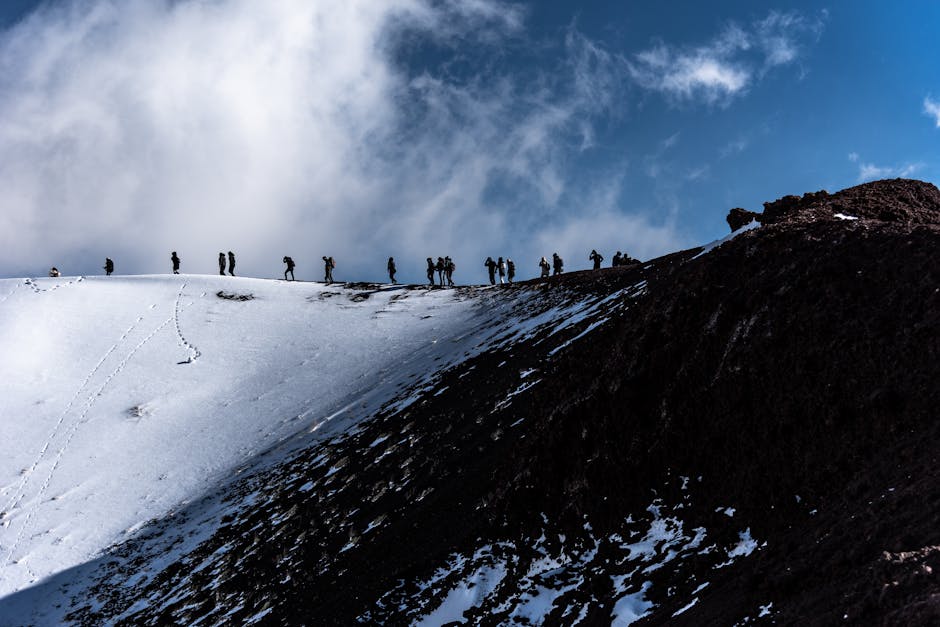
The usual starting point for excursions is Rifugio Sapienza (SS 284, 95030 Nicolosi CT). With a telephoto you can capture summit craters from observation platforms. With a wide-angle, include hikers in the foreground to convey volcanic scale. Hours: the Rifugio Sapienza area is open 24/7, but cable cars and guided excursions run on seasonal schedules — typically 09:00–17:00 in season. Indicative costs for lifts/jeeps: €40–€120 depending on the route (cable car + 4×4 to reach higher zones). Follow safety rules: helmets and guides are mandatory above certain altitudes.
Taormina and the Ancient Theatre (Via Teatro Greco, 1, 98039 Taormina ME)
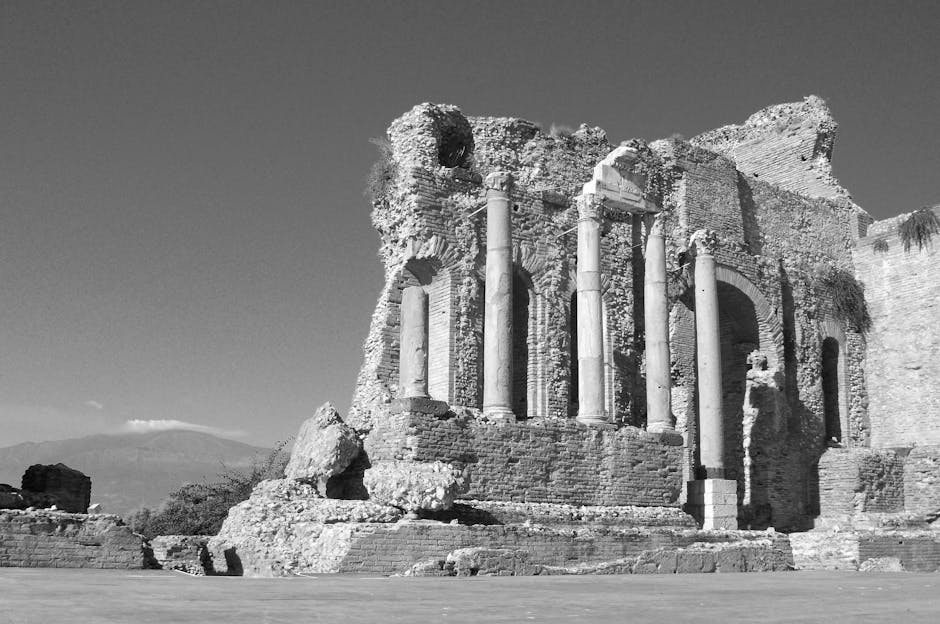
Taormina’s Ancient Theatre (Via Teatro Greco, 1, 98039 Taormina ME) is perfect for compositions combining sea and Etna in the background. Seasonal hours: usually 09:00–19:00 in summer, reduced hours off-season; adult tickets ~ €10–€15, with discounts for students/seniors. Tip: arrive an hour before sunset for wide panoramas and try a long exposure with an ND to smooth the sea. Parking: you’ll often need to leave the car at Porta Catania parking (Piazza X September) and walk into the historic center.
Scala dei Turchi — Via Scala dei Turchi, 92010 Realmonte AG
The famous white cliff is accessed from Realmonte beach. There are no fixed opening hours (natural area open to the public), but the site gets extremely busy in summer. Photo tip: use ND filters for long exposures and a CPL to saturate the sea’s blue. Parking: free and paid lots around the entrance, depending on season. Respect local signage — some sections are fragile and closed off to protect the site.
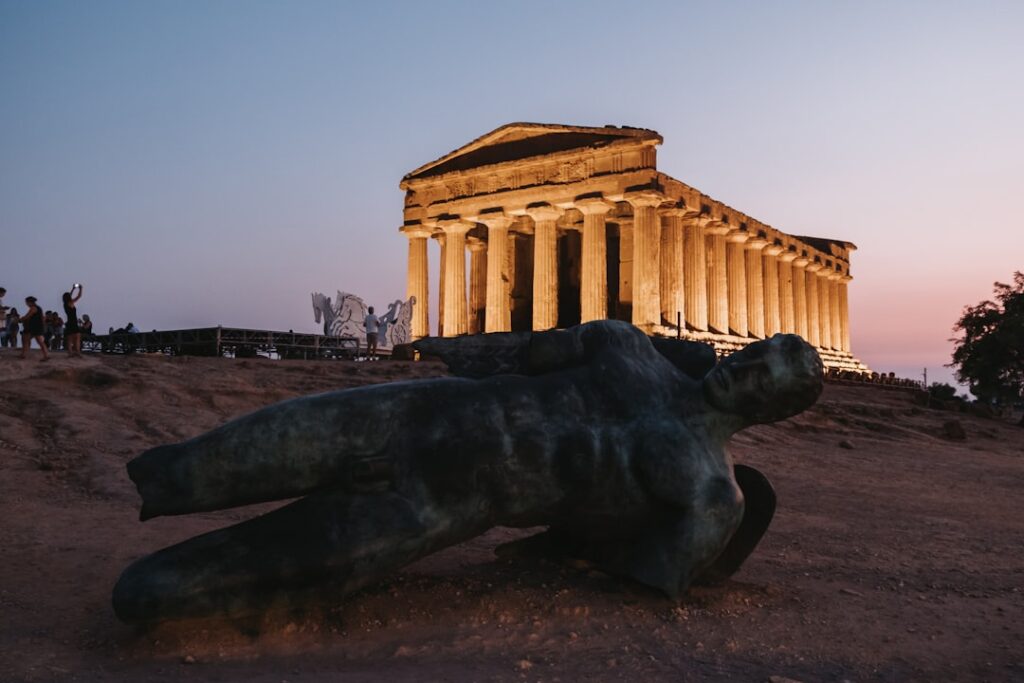
Valley of the Temples — Via Panoramica Valle dei Templi, 92100 Agrigento AG
The Valle dei Templi (Via Panoramica Valle dei Templi, 92100 Agrigento AG) offers ancient perspectives across a Mediterranean landscape. Hours: typically 09:00–17:00 (seasonal variations), full-price tickets ~ €12–€16 for the archaeological park (discounts for children and seniors). To capture the Temple of Concordia at sunrise or sunset, bring a 24–70 or a wide-angle and a GND to balance a bright sky. Parking: official parking at the archaeological site.
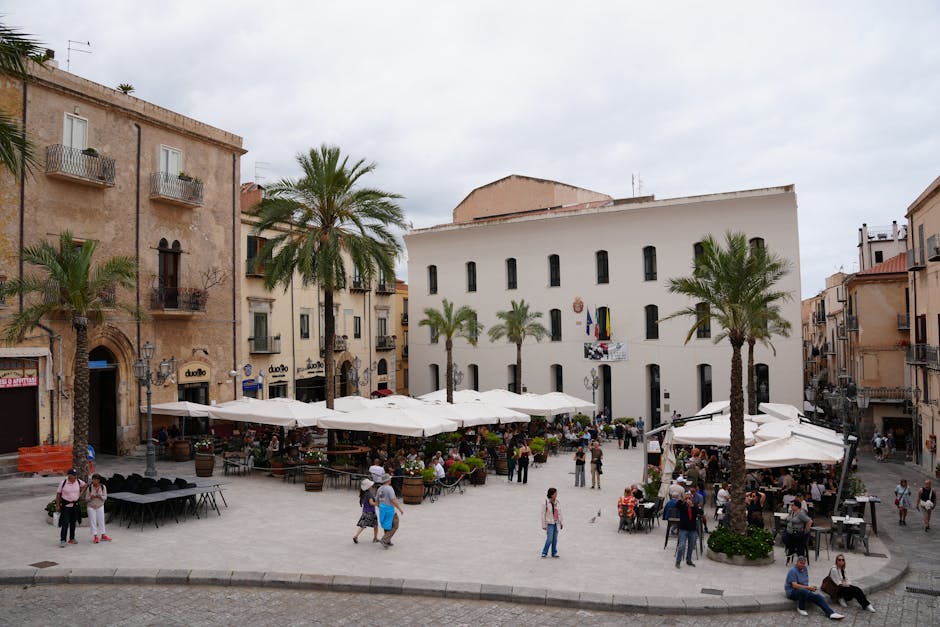
Ortigia — Piazza Duomo, 96100 Siracusa SR
Ortigia is Syracuse’s historic heart; its alleys, the Cathedral of Syracuse (Piazza Duomo) and Porto Piccolo offer excellent urban and coastal photo opportunities. The cathedral is at Piazza Duomo, 96100 Siracusa SR. Hours: the cathedral usually opens 08:30–12:30 and 15:30–19:00 (religious and seasonal hours may vary). Walking to the Fonte Aretusa balcony early in the morning yields magical reflections on the water.
For every site, check official hours and fees before you go: they change with seasons, public holidays and local events. Local tourist offices (ufficio turistico) provide updated bulletins and can sometimes issue drone permits. Indicative guided tour prices: €10–€30 per person depending on duration and theme.
Local Practical Tips and Final Settings Before You Shoot
Here are on-the-ground tips from local photographers and frequent travelers to Sicily. They’ll help you protect gear, optimize shots and respect local rules.
- Time of day: favor the golden hour (about an hour after sunrise and an hour before sunset). In Sicily, depending on the season, these windows shift: in summer the warm evening light lasts longer.
- Protection from salt and dust: rinse your camera bag after seaside days (do not rinse cameras directly). Use desiccant packs and keep microfiber cloths handy.
- Drone: areas like the Riserva Naturale dello Zingaro and some archaeological sites ban drones. Check with local authorities (in Italian: Ente Parco or ufficio turismo) and follow ENAC regulations if you plan to fly. Permits and insurance are often required.
- Transport: a car is the most practical way to reach remote viewpoints. Rental cost roughly €25–€60/day depending on season and model. Parking: prefer official parking around sites to avoid fines and towing.
- Safety: on Etna, always follow guides and posted signs. Terrain can change quickly. On the coast, some beaches have strong currents — respect flags and lifeguard instructions.
- Light and weather: Sicily can be windy near the coast. Bring weights for your tripod or a sturdy tripod to avoid vibration during long exposures.
- Local shops: small camera stores in Catania and Palermo can help with batteries and memory cards. Useful address in Palermo: FotoKarel, Via Ruggero Settimo 10, 90139 Palermo PA (hours usually 09:00–13:00 and 16:00–20:00).
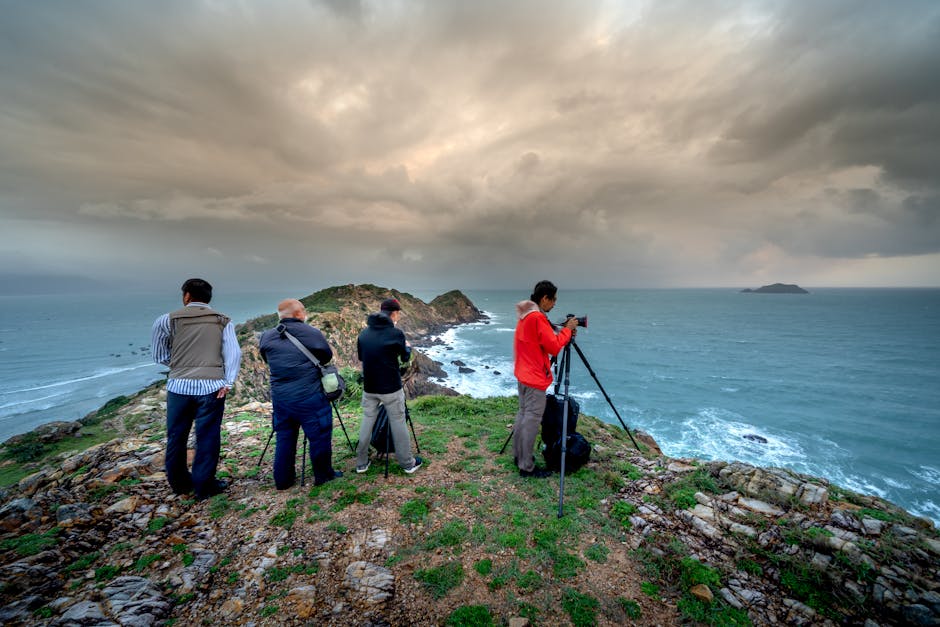
Finally, remember to plan coastal shots around tide times and check local festivals: processions and village feasts often create unique photo opportunities but can restrict access. Always respect local culture and people — ask permission before photographing someone up close, especially in markets and older neighborhoods.
Conclusion: Balancing Gear, Light and Location to Tell Sicily’s Panoramic Story
Sicily is an incredible playground for photographers: its rich scenery and varied light demand both technical skill and sensory awareness. The right lenses let you convey scale — wide-angle for sweeping landscapes, telephoto to isolate details, fast primes for night work — while filters (CPL, ND, GND) become your allies to shape light and manage harsh contrasts. But gear alone won’t do it: knowledge of places, timing, local weather and specific rules (drones, access to protected sites) is equally crucial to make great images.
Plan sessions around light — arrive early, stay for sunset, and give yourself time to observe. Protect your equipment from the elements (salt, dust, heat), travel as lightly as practical, and prioritize optical quality for key situations. In practice, a kit made up of a wide (16–35 mm), a standard zoom (24–70 mm) and a tele (70–200 mm) plus a polarizer, a strong ND and a graduated ND will cover most needs in Sicily. Add a sturdy tripod, spare batteries and microfiber cloths, and you’ll be set to capture postcard-worthy panoramas.
Finally, remember landscape photography is also about respect: respect natural and historic sites, residents and local rules. By combining artistic sensitivity, sound technical habits and respect for the places you visit, you’ll leave Sicily not only with beautiful images but with lasting memories and a deeper understanding of this fascinating island.