





Introduction
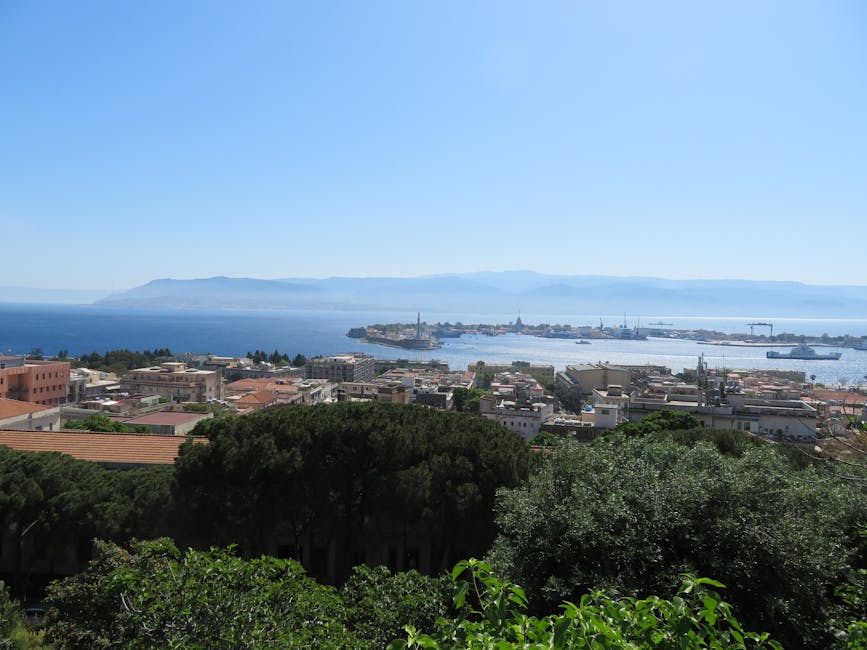
The southern coast of Sicily is a patchwork of fishing villages, warm-hued limestone cliffs and secret coves where the Mediterranean reveals every shade of blue. Far from the crowded tourist routes of Taormina or Agrigento, you’ll find countless discreet viewpoints — sometimes just a rock overlooking the water, sometimes an old watchtower or a coastal promenade that gives you a private slice of the horizon. These hidden overlooks are perfect for photographers chasing crowd‑free shots and for travelers looking for quiet moments of reflection away from the masses.
This guide takes you off the beaten path along a southern coastline that’s often underestimated but extraordinarily photogenic: from Portopalo di Capo Passero to the Cava d’Ispica reserve, via coastal towers and the salt pans of Marzamemi. For each viewpoint you’ll find practical details — exact addresses, opening times, any fees — plus local tips on the best times to shoot, how to access the site, where to park, and what to bring. The aim is to get you there prepared: know where to stand to catch the golden light, how to avoid the few local visitors, and how to pair a photo session with a taste of authentic Sicilian cuisine.
Southern Sicily is best discovered to the rhythm of the sun: early mornings for sea mist, late afternoons for the warm colors before sunset, or at night when village lights reflect on the water. Many of these viewpoints are free and accessible without a guide, but some require a short walk across rocky paths — good shoes, water and sun protection are essential. The scenery can change fast with the weather: a heavy sky turns a white cliff into a dramatic scene, while a clear sky highlights the water’s transparency and the turquoise shades of the seabed.
Finally, respecting these places is crucial. Hidden viewpoints are often fragile: dunes to protect, paths visible but unmarked, habitats for coastal birds. The tips in this article are designed to preserve these sites for photographers and travelers of tomorrow, while giving you the richest experience possible today. Ready your camera, maps and curiosity — the southern Sicilian coast awaits, away from the crowds, with panoramas that feel reserved for the initiated.
Capo Passero and Isola delle Correnti: the tip of Sicily
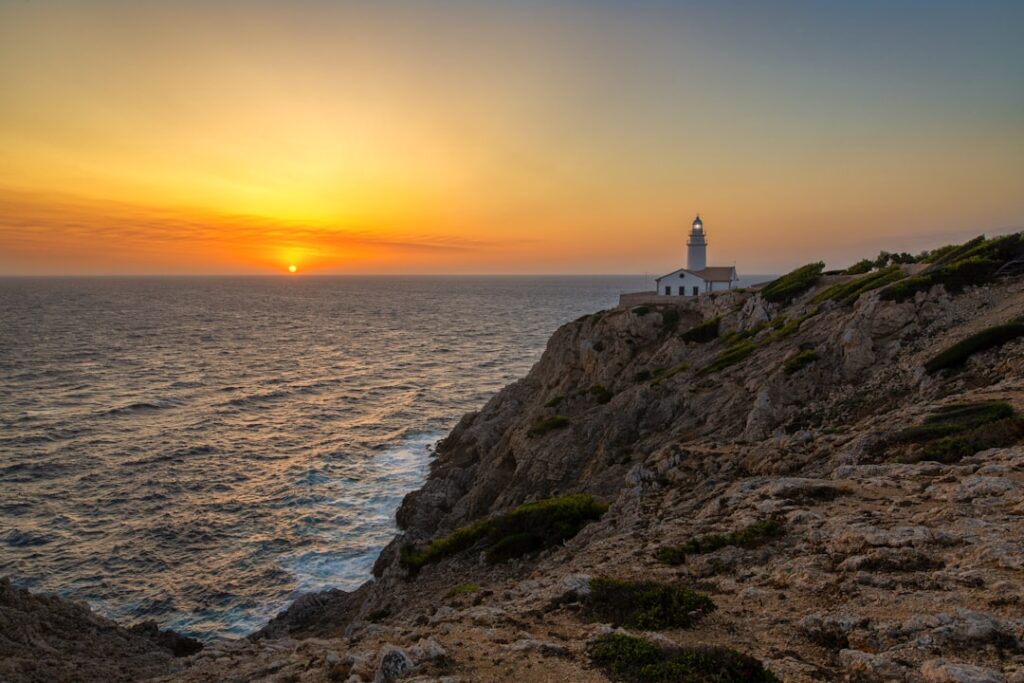
At Sicily’s southernmost point sits Capo Passero, near Portopalo di Capo Passero — a promontory offering exceptional sea views often overlooked by mass tourism. Address: Capo Passero, 96010 Portopalo di Capo Passero (SR). The real visual gem is Isola delle Correnti, a small rocky islet separated by a sandbar that shifts with the tides. The most photogenic natural viewpoint is along Via Mediterraneo, close to the Capo Passero lighthouse (Faro di Capo Passero).
Access to the lighthouse is via the SS115, then local roads toward the village of Capo Passero; there are unofficial free parking spots along the coast, but arrive early for a spot close to the viewpoint. Opening hours: the outdoor site is accessible 24/7; the lighthouse isn’t always open to the public (visits possible by appointment through the Comune di Portopalo di Capo Passero). Cost: natural viewpoints are free to access. Best times: sunrise for soft light on the islet, and sunset when local fishermen light the horizon.
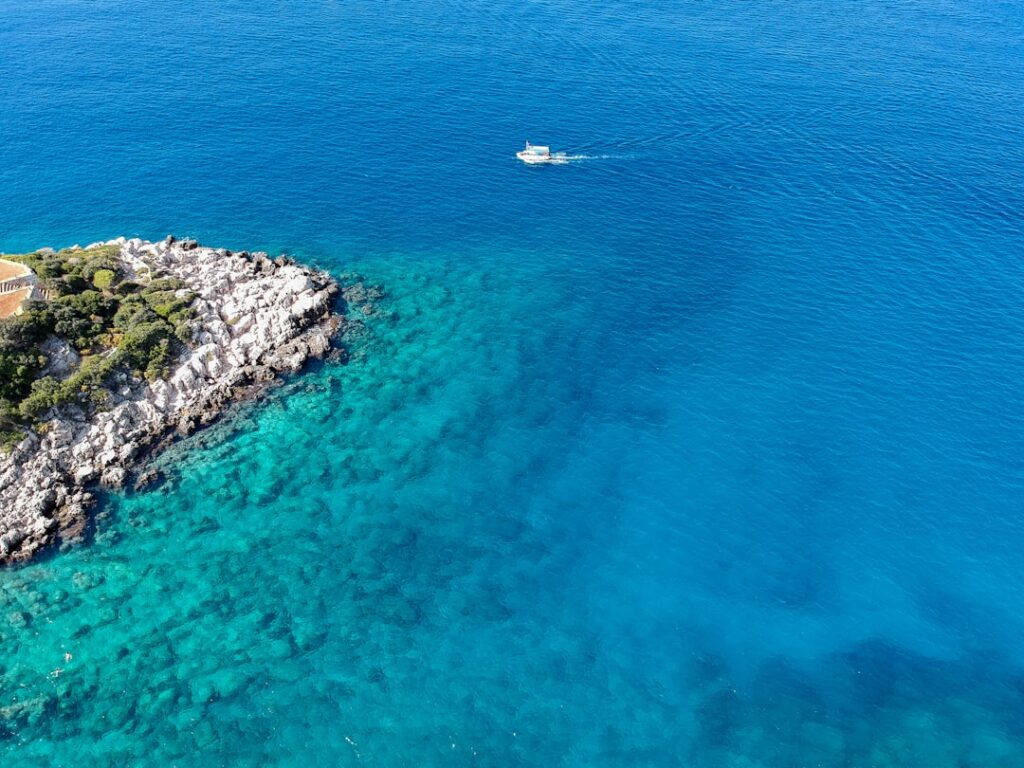
Practical tips: bring shoes with good grip for climbing down the rocks, as the limestone can be slippery. If you want close shots of Isola delle Correnti, ask about local boat trips from Portopalo (typical prices €40–80 for a private 1–2 hour trip; haggle locally). Also pack a polarizing filter to deepen the blues and cut surface reflections. Afternoon winds can be strong: use a sturdy tripod and protect your gear from salt spray.
Nearby activities: after a shoot, stop at Lido di Capo Passero (Via Lido, 96010 Portopalo di Capo Passero SR) for coffee or a fresh seafood meal. Typical prices: meals €12–25 per person. Typical hours: 09:00–22:00. The village of Portopalo retains an authentic atmosphere that adds charm to your visit, and the early morning fishing scenes are perfect for candid shots.
Punta Secca and the Commissario Montalbano House: cinematic calm
Punta Secca became famous thanks to the TV crime series Il Commissario Montalbano. The iconic address is Via Lungomare, 97010 Punta Secca (RG) — the small white house by the sea known as the Commissario Montalbano’s house is a must-see photographic landmark, especially early in the morning before visitors arrive. The natural viewpoint runs along the seafront promenade (Lungomare di Punta Secca) and the rocks north of the beach.
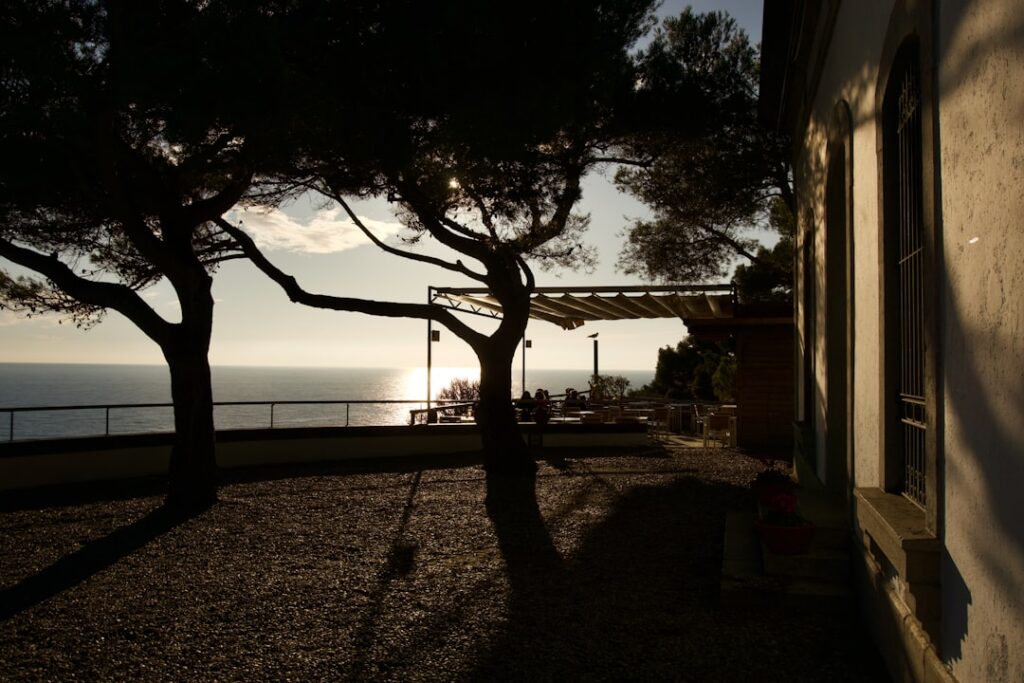
Cost: access to the beach and viewpoints is free. A small nearby museum/café (seasonal) may host temporary displays: admission €3–6. Hours: the village is accessible at all times; local shops typically open 08:30–13:00 and 16:30–20:30, but hours are reduced off season. Best time to photograph: 06:00–08:30 for golden light and no crowds, or 18:00–20:00 for warm tones on the white façade.
Local tip: park near Piazza Cairoli (practical address: Piazza Cairoli, 97010 Punta Secca RG) and walk to the coast to avoid the village’s narrow streets. If you want reflections of the house in the water, aim for high tide after a calm day at sea. In summer the beach can be busy; favor shoulder seasons (April–May, September–October) for more intimate images.
Nearby, try local cuisine at Ristorante Da Franco (Via Lungomare, 97010 Punta Secca RG). Average main courses: €10–18. Hours: 12:00–15:00, 19:00–23:00 (seasonal). The village’s narrow lanes also offer interesting compositions — hanging laundry, colorful doors and traditional boats along the shore.
Torre Sveva, Marzamemi Salt Pans and the salt viewpoint
Marzamemi is one of those villages that blend history, fishing and Mediterranean design. For a particularly photogenic viewpoint head to Torre Sveva (Piazza Regina Margherita, 96018 Marzamemi SR) and the Saline di Marzamemi area (Via Litoranea Marzamemi-Portopalo, 96018 Marzamemi SR). Torre Sveva, an old watchtower, looks over the salt basins, while the causeways and small channels of the salt pans create a patchwork of colors at sunset.
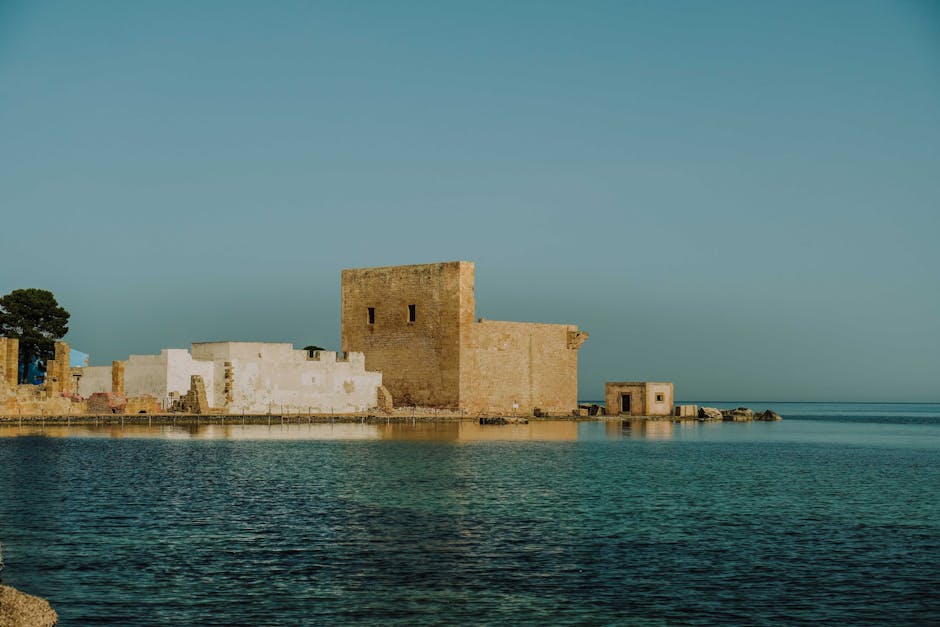
Cost: outdoor areas are free to access; guided tours of Torre Sveva or temporary exhibitions in the piazza may cost around €3–8. Hours: the central piazza and salt pans are accessible 24/7; galleries and local shops usually open 10:00–13:00 and 17:00–21:00. Best times: late afternoon to see the salt pans reflect light, or misty mornings for a soft, mysterious atmosphere.
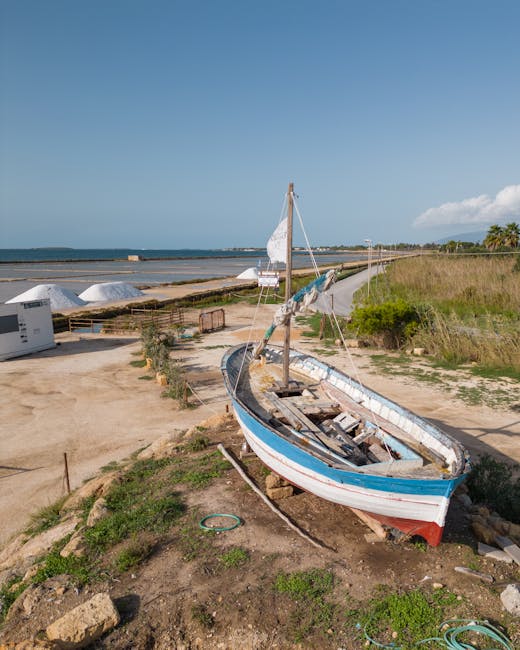
Practical tips: the salt pan area is flat but dusty — closed shoes are recommended. Insects can appear at dusk, so bring a mosquito spray. For crowd‑free photos, explore the north and south causeways outside restaurant hours (avoid 20:00–22:00 when terraces fill). Local craft shops on Piazza Regina Margherita sell salt‑based products and dried tomatoes — excellent culinary souvenirs.
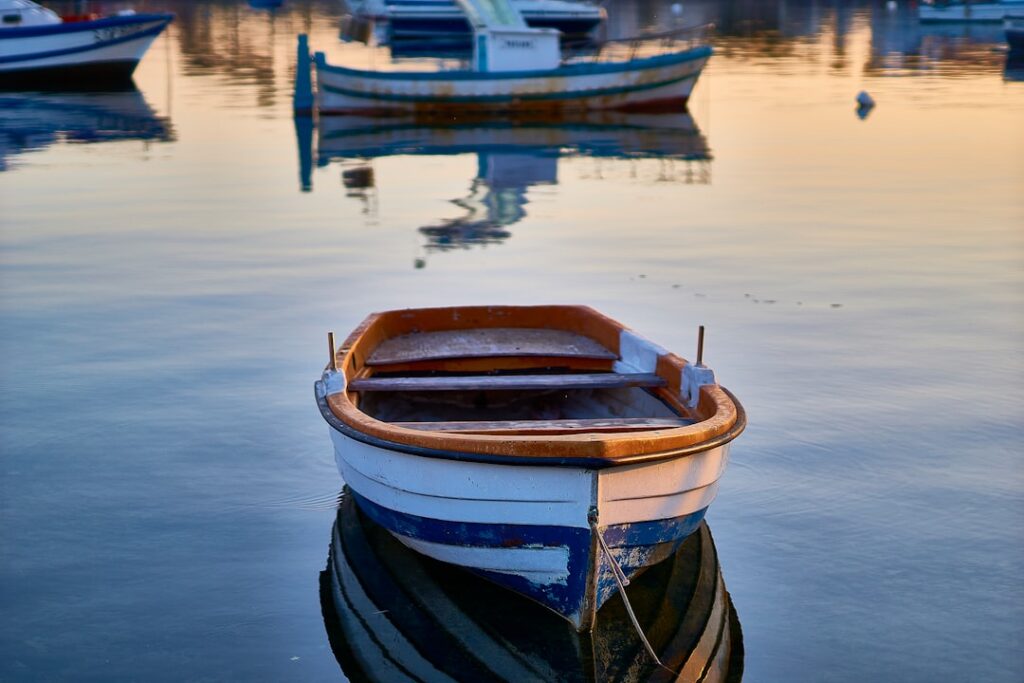
Additionally, the protected nature reserve Oasi Faunistica delle Saline di Pachino (Via Provinciale, 96018 Pachino SR) offers birdwatching trails and dedicated viewpoints. Administrative address: Via Provinciale Saline, 96018 Pachino SR. Hours and fees: often free, but some areas may require a guided reservation (check with the Ufficio Turistico di Pachino, tel. +39 0931 800xxx seasonally). This area is excellent for capturing silhouettes of flamingos and other water birds at sunrise.
Scoglitti cliffs and the Belvedere dei Pescatori
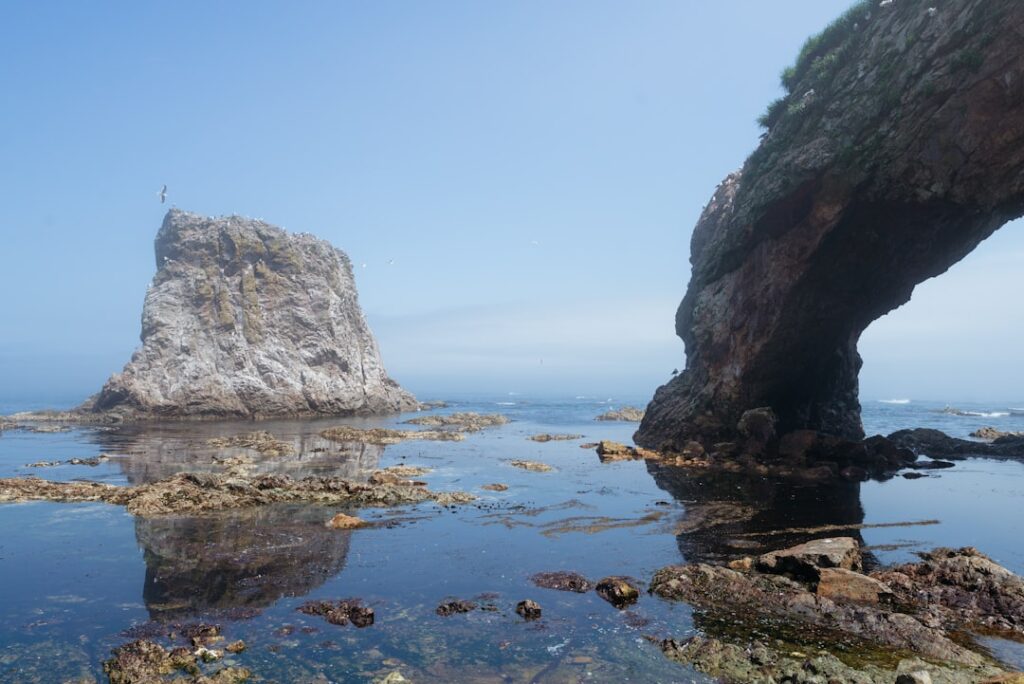
Near Vittoria, the hamlet of Scoglitti hides coastal passages carved by the sea, offering spectacular vantage points — notably the Belvedere dei Pescatori near Lungomare Cristoforo Colombo, 97018 Scoglitti (RG). This rocky promontory, frequented by fishermen at dawn, is ideal for crowd‑free photos, with rock platforms stretching into the sea and natural arches at low tide.
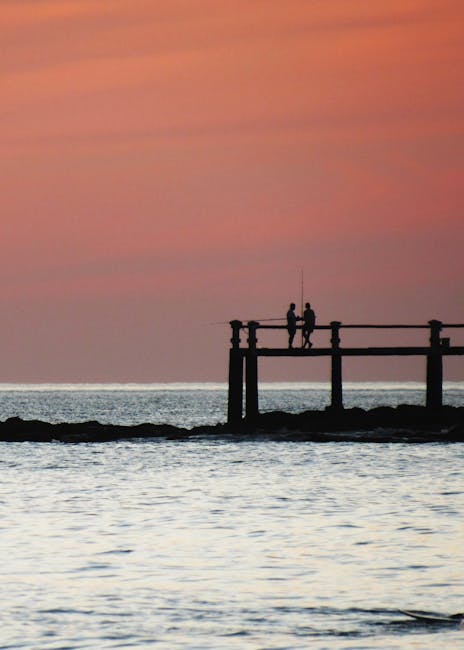
The site is open year‑round and free. To reach the viewpoint, park near Piazza Europa (Piazza Europa, 97018 Scoglitti RG) and walk to the seafront. Recommended hours: 05:30–09:00 for soft morning light and 18:00–20:30 for dusk colors. Wind can be present but often brings waves that energize your compositions.
Local advice: approach fishermen respectfully if you want to document their work — they often appreciate interest and may share local tips. Parking can be free or paid depending on the season; in summer, park slightly farther away and walk a bit to avoid congestion. If you shoot at sunset, bring a headlamp for the return, as minor roads can be poorly lit.
Nearby for fresh catch, try Trattoria La Sorgente (Via Lungomare Cristoforo Colombo, 97018 Scoglitti RG). Typical prices: €15–30 per person for seafood. Hours: 12:00–15:00, 19:00–23:00. Morning markets near the port also provide authentic photo opportunities: fish on display, wooden crates and vendors at work.
Belvedere di Cava d’Ispica and valley panoramas
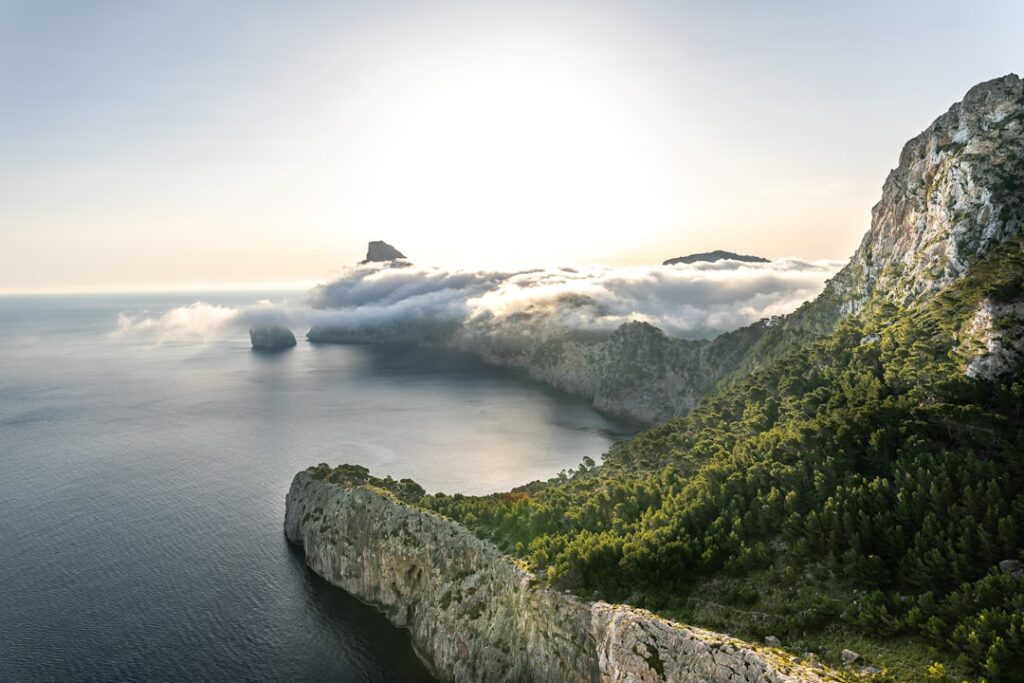
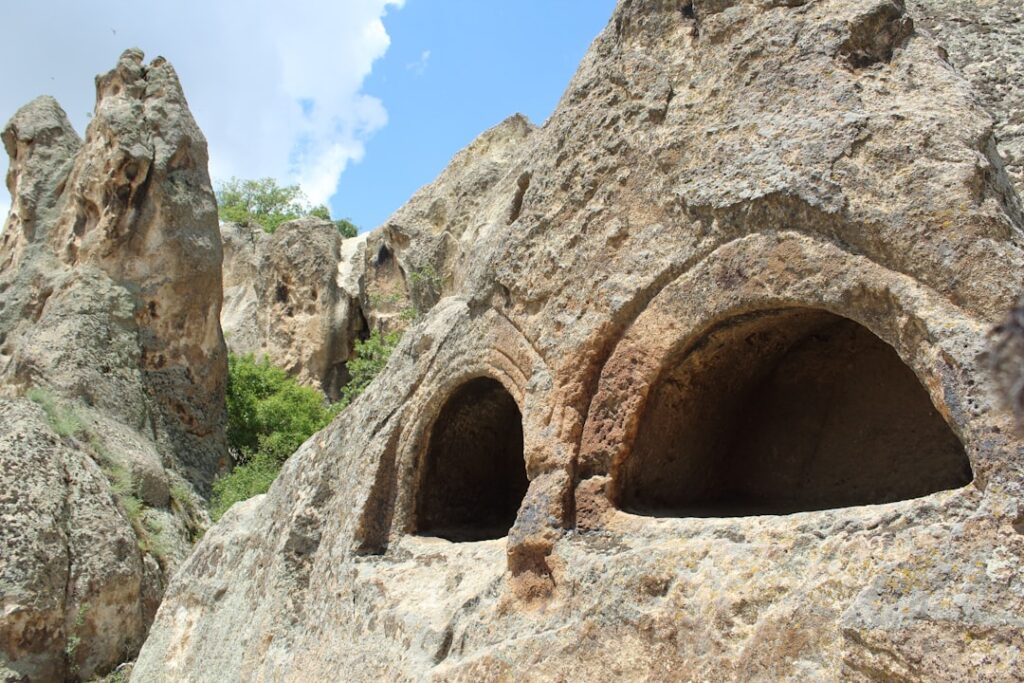
Although a bit inland, Cava d’Ispica deserves mention for its surprising viewpoints over the coast and valley. Located in Contrada Ispica, 97014 Ispica (RG), the Cava is a karst gorge with rock‑cut necropolises and terraced panoramas — ideal for contemplative photos away from the beaches. The main viewpoint sits at the north entrance of the gorge, near the Visitor Center.
Visitor Center address: Contrada Ispica, 97014 Ispica RG. Hours: typically 09:00–18:00 (seasonal) — check with the Comune di Ispica before you go. Cost: access to the reserve and its trails is often free, though guided tours may be offered for about €5–10. Best time: morning or late afternoon for long shadows that sculpt the walls and highlight archaeological details.
Practical tips: the terrain can be rough; bring water and hiking shoes. Trails are marked but some branches lead to less‑visited spots — perfect for photographers seeking solitude. Viewpoints overlooking the valley sometimes reveal the sea on the horizon, creating compositions that blend land and sea elements.
Logistics: parking at the Visitor Center is free, and there are explanatory panels in Italian and English. For a food break after your hike, visit Trattoria del Parco (Via Roma, 97014 Ispica RG): traditional Sicilian dishes €10–20, open 12:00–15:00 and 19:00–22:00 depending on season. Cava d’Ispica is a fine inland counterpoint to coastal viewpoints, adding historical and geological depth to your photo trip.
Conclusion
The southern coast of Sicily hides a string of secluded viewpoints that let you capture intimate, crowd‑free images — from wind‑sculpted waves at Capo Passero, the golden salt basins of Marzamemi, the dramatic rocks of Scoglitti, the televisual charm of Punta Secca, to the rocky panoramas of Cava d’Ispica. These spots share a quiet authenticity: lived in by local communities, shaped by centuries of human presence and interaction with the sea, yet often invisible on mainstream tourist routes.
To get the most from these viewpoints, plan your sessions around light (sunrise for solitude, sunset for warm colors), bring the right gear (tripod, filters, proper shoes, water), and respect the environment (leave no trash, don’t disturb wildlife or damage fragile vegetation). Bear in mind many of these sites are free but fragile — traveling responsibly helps preserve their beauty.
Finally, don’t hesitate to mix short hikes, culinary stops and encounters with locals: the fishermen of Scoglitti, the artisans of Marzamemi, or the restaurateurs of Punta Secca can offer human perspectives that enrich your images. Whether you’re an amateur photographer or a curious traveler, southern Sicily promises memorable views away from the crowds, compositions that shift with weather and tides, and a pure Mediterranean atmosphere. Take your time, pick your moments, and let these hidden viewpoints reveal a more intimate, authentic Sicily.