





Introduction: Sicily, its viewpoints and the mysteries of lemon orchards
Sicily is an island of contrasts where sea meets lava, villages cling to slopes, and ancient farming patterns dress the hills in patchwork fields. Among those crops, the lemon tree holds a special place: fragrant, bright and endlessly photogenic, it dots the Sicilian landscape with flashes of yellow that tempt both the taste buds and camera lenses. Chasing the best viewpoints in Sicily to photograph lemon orchards blends visual pleasure, gustatory discoveries and authentic walks through landscapes shaped by the Mediterranean and Mount Etna.
A viewpoint is more than just a high spot: it’s an observatory of stories. From a terrace in Castelmola you can see how orchards step down in terraces toward the Ionian Sea. From winding roads along Etna’s flank you’ll spot citrus trees surviving the volcanic harshness. Along the coast between Taormina and Giardini Naxos, lemon trees sometimes reach the edges of beaches, creating a striking contrast between vivid yellow and deep blue. In Zafferana Etnea, a village known for mountain produce and citrus, the fields become an aromatic carpet when the season arrives.
This guide is both practical and sensory: I’ve selected unmissable viewpoints in Sicily where you can photograph, smell and understand lemon orchards. Each spot comes with useful details — addresses, access times, tips for the best light, and possible fees for private viewpoints or managed sites. You’ll also find suggestions on ideal photo gear, bloom and harvest periods, and local recommendations (where to grab a coffee, which roads to favor, and precautions against sun or sea wind).
Whether you’re an enthusiast photographer hunting the perfect shot, a traveler wanting fragrant souvenirs, or simply curious about Mediterranean landscapes, Sicily offers viewpoints that broaden the perspective. Pack your bag: hat, sunglasses, dust protection for your camera and, if possible, binoculars to pick out the terraces of lemon trees. The pages that follow detail five prime locations — reachable by car or on foot — where geography and local history elevate the lemon orchards. Expect scenic roads, breath-taking panoramas and moments of light where the yellow of the fruit almost looks unreal.
1) Taormina Viewpoint and Corso Umberto Terrace — Taormina
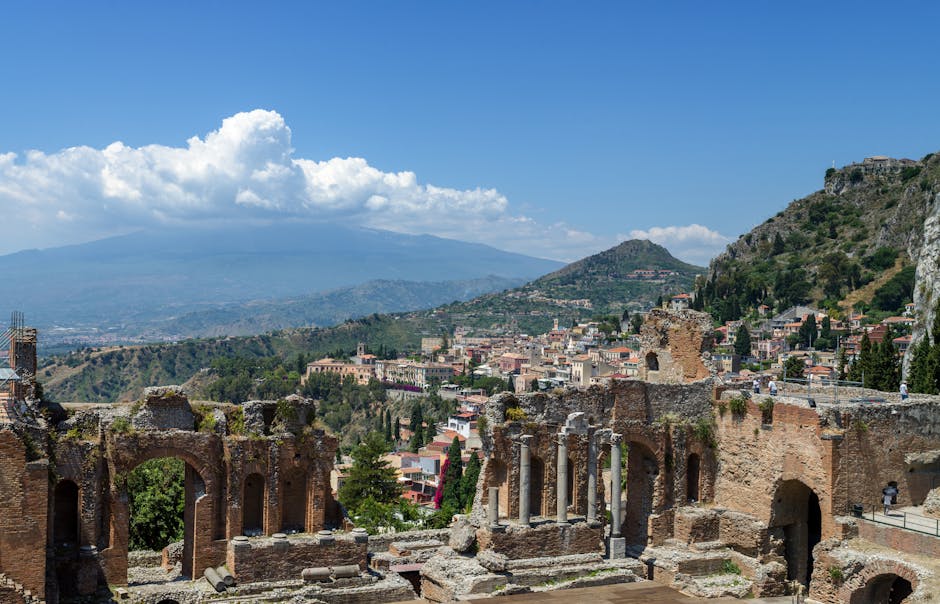
Taormina is often linked to its ancient theaters and elegant alleyways, but it also boasts exceptional viewpoints to admire the citrus orchards tumbling toward the Ionian Sea. The main vantage runs along Corso Umberto and Via Teatro Greco: this balcony-like promenade frames the slopes planted with lemon and orange trees, with the ancient theater (Teatro Antico di Taormina, via del Teatro Greco) as a landmark. Useful address: Corso Umberto, 98039 Taormina ME.
Access and hours: the promenade is public and open 24/7. The Teatro Antico di Taormina is usually open from 9:00 to 19:00 depending on the season; 2026 admission: around €10 for adults, with reductions for students and seniors. Favor sunrise to capture the golden light kissing the fruit and Mount Etna’s silhouette in the background. In the evening, the Corso terraces offer a softer atmosphere and lighting well-suited to shadow play.
Practical tips: park at Parcheggio Lumbi (Via Nazionale, 98039 Taormina) and walk up if you can — strolling helps you spot multiple visual niches. Bring a wide-angle lens to capture the composition between sea, town and orchards, and a telephoto to isolate lemon-laden branches. Watch out for peak hours (10:00–16:00) when the Corso gets crowded; the best time for landscape photos remains dawn or late afternoon.
2) Castelmola Viewpoint — Castelmola (hamlet of Taormina)
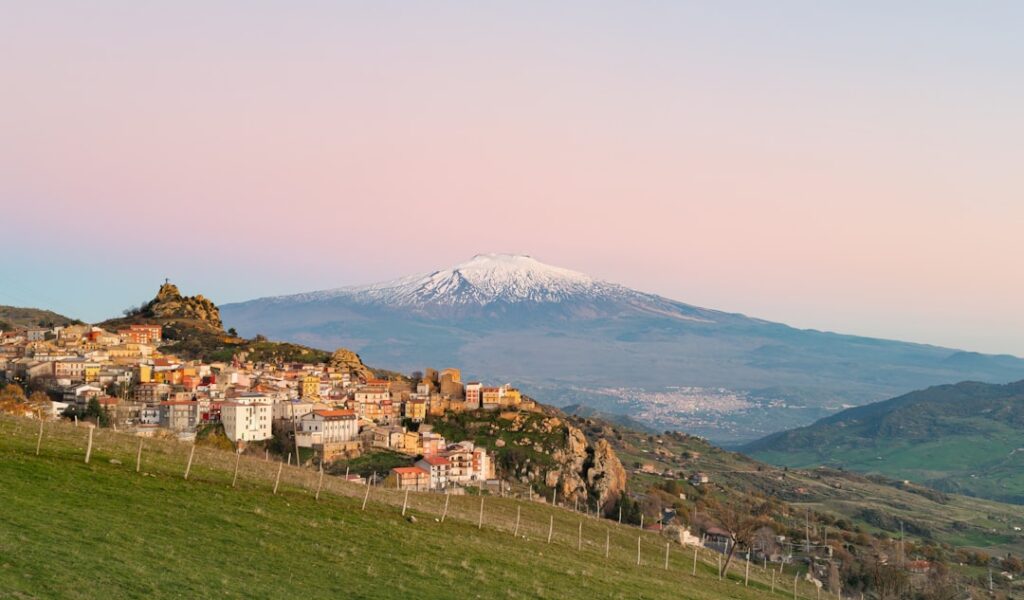
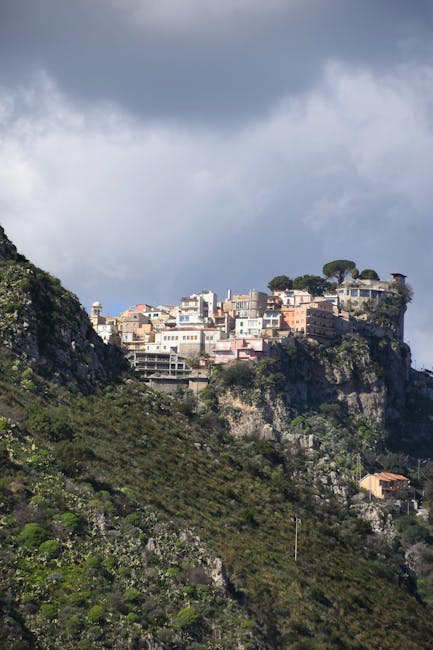
Perched at 529 meters, the village of Castelmola (Via Roma, 98039 Castelmola ME) is a natural lookout over the Bay of Naxos and Taormina’s slopes. From Piazza Duomo and the terrace of Bar Turrisi (Via Roma, 98039 Castelmola), you’ll overlook hills often terraced with lemon trees that seem to tumble toward the sea. Access: the site is public; the bar and some shops are open from 9:00 to midnight depending on the season. There’s no admission to the village, but budget €1–€3 for a local espresso and €5–€8 for a refreshment if you want to access the bar’s private terraces for a privileged view.
Immersive description: picture a cobbled alley that opens onto a panorama mixing tiled roofs, ochre walls and swathes of lemon trees. In spring, lemon blossoms perfume the air, and on clear days Mount Etna stands out majestically in the background. Evening light creates warm contrasts: the pale stone of Castelmola, the green of the leaves and the yellow fruits form a classic Mediterranean palette.
Local tips: arrive early to avoid Taormina’s crowds and to secure a spot for your tripod (some private spots may prohibit tripods without permission). The access road is narrow: prefer a small car or take the local bus from Taormina (frequent shuttle in high season). For a full photographic experience, pair the panorama with a tasting of local wines at Bar Turrisi (famous for its eccentric interior); ask the owner for advice on the best hours for light. If you’re sensitive to wind, bring a windbreaker — the terrace can be swept by mistral gusts late in the day.
3) Zafferana Etnea Viewpoint and Etna’s mountain roads — Zafferana Etnea
Zafferana Etnea (Piazza Umberto I, 95019 Zafferana Etnea CT) is a village east of Mount Etna known for its citrus and honey production. The roads climbing toward Piano Provenzana and Etna Park traverse landscapes where lemon trees live alongside vineyards and pine groves. The viewpoint north of the village, near Via del Bosco, offers sweeping views over citrus terraces, sometimes neatly ordered, sometimes scattered wildly according to the terrain.
Access and hours: access to the roads and viewpoints is generally free; tastings and purchases from local producers are by appointment or during markets. The Museo del Bosco e dell’Altopiano dell’Etna (Via Roma, 95019 Zafferana Etnea CT) sometimes offers information about local citrus farming; hours vary, admission approximately €4–€6. For photographing lemons, the golden hours around sunrise and sunset provide exceptional volume, with black ash and basaltic soils making the fruit colors pop.
Practical tips: mountain roads require caution — some are narrow and winding, check conditions in winter. Bring water, snacks and closed shoes if you plan to go off-track between plots. Local farmers are often welcoming: if you want close-up shots, ask for permission and, if possible, offer to buy some fruit as thanks. Ideal gear for these panoramas: a 24-70mm zoom for wide compositions, and a 70–200mm for details of trees and pickers.
4) Riviera dei Limoni Viewpoint — Giardini Naxos and Letojanni
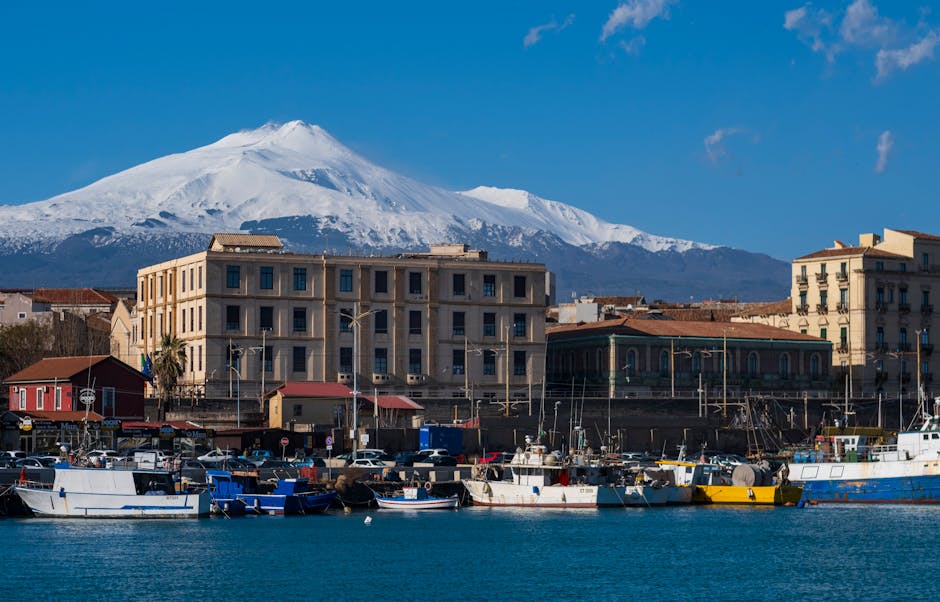
Between Giardini Naxos (Corso Umberto, 98035 Giardini Naxos ME) and Letojanni (Via Nazionale 35, 98037 Letojanni ME), the coast offers viewpoints where lemon trees sometimes descend to the first houses and beaches. The “Riviera dei Limoni” isn’t an official name but aptly describes the omnipresence of citrus along this shore. Natural balconies and small seafront squares allow striking compositions: lemon trees in the foreground, the Ionian Sea beyond, and Mount Etna’s silhouette on the horizon.
Access and info: the coastal promenade is open and accessible 24/7. Some hotels and restaurants have panoramic terraces (for example, Grand Hotel Atlantis Bay, Via Bagnoli Croce 11, 98039 Taormina — terraces available to guests: price of a coffee €3–€5, reservation recommended). For a recommended public viewpoint, head to Belvedere Scogliera (Via Porto Salvo, Giardini Naxos): free parking nearby but limited in high season.
Photographic tips: use a polarizing filter to boost blue/yellow contrast and reduce reflections on the sea. Sunrises over the water are spectacular, especially when light wisps cling to Etna’s outline. To vary your shots, alternate wide shots (capture the scope of the orchards) with macros (water droplets on a lemon’s skin, wet leaves). If you want sea-backed backgrounds, avoid peak tourist hours (11:00–17:00).
5) Scogliera and Aci Trezza Viewpoint — Cyclopean Isles and citrus fields
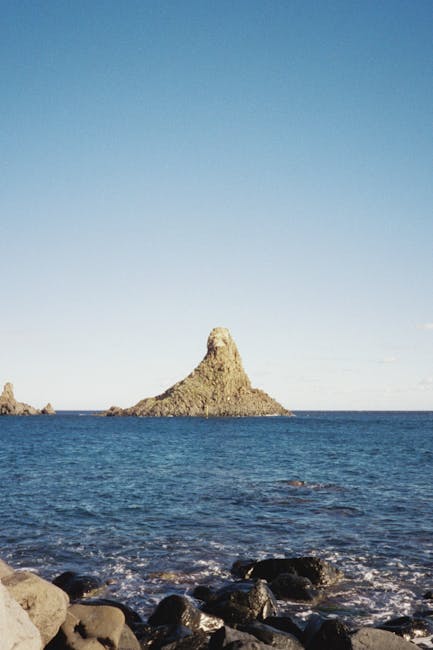
Aci Trezza (Piazza Rrompti, 95021 Aci Trezza CT) is a fishing village famous for the Faraglioni dei Ciclopi — volcanic islets that, according to legend, Polyphemus hurled at Ulysses. The heights and small roads around Aci Trezza reveal pockets of citrus cultivation clinging to the slopes. The panorama from the Scogliera (rocky shoreline) and the seafront promenade creates a unique composition: lemon trees, black rocks, colorful boats and the islets’ silhouettes in the background.
Access and fees: the promenade and viewpoint are public; the area can be visited freely. Boat tours around the Cyclopes depart from Aci Trezza’s harbor (Via Lungomare dei Ciclopi, 95021 Aci Trezza CT): prices typically range €10–€20 per person for an hour depending on the season. The local museum, Museo Mitologico dei Ciclopi, provides elements of local history (hours vary, admission €3–€5).
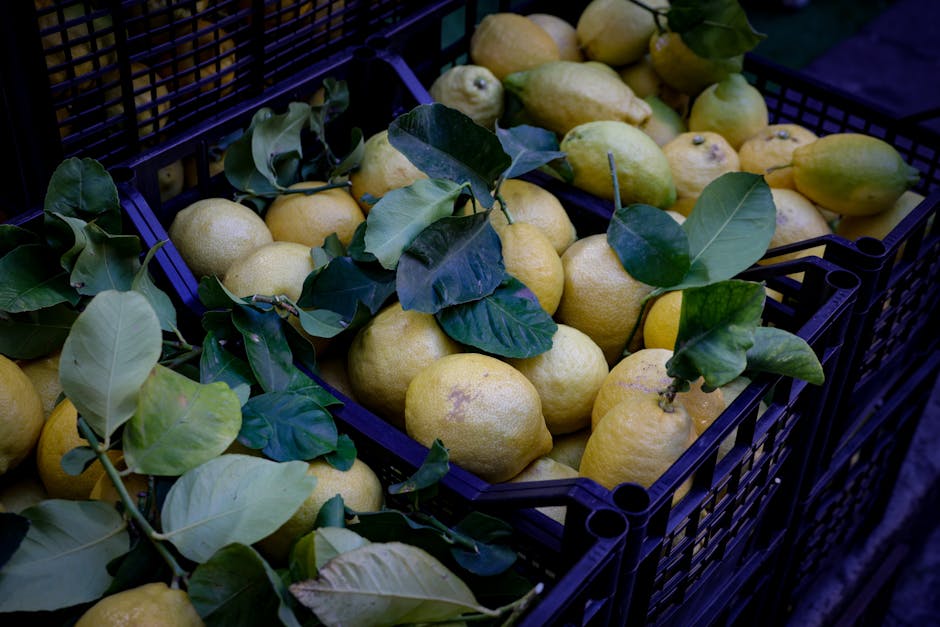
Local tips: to photograph lemon trees with the Faraglioni in the background, stand on the pier at sunrise and use a shallow depth of field to isolate branches. Local fishermen often agree to pose for a few shots in exchange for a drink — a great way to document the relationship between sea and citrus. If you travel in September–October, you’ll often find stalls offering fresh lemons, marmalades and liqueurs (e.g. homemade limoncello) — perfect for culinary photos and tasting.
General photo and logistics tips for the lemon-chasing
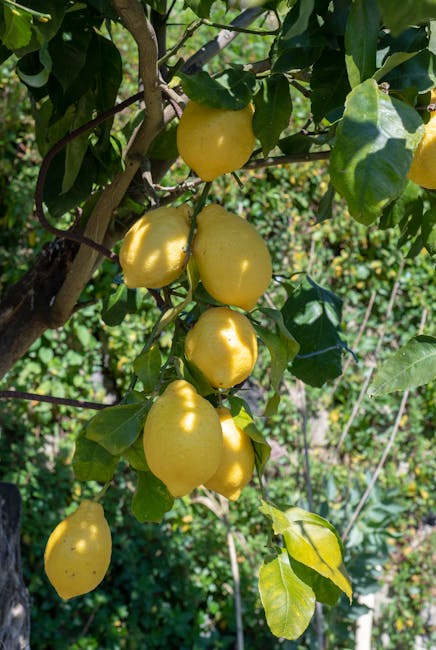
- Best time: April–May for the bloom (fragrant white flowers), October–November for the harvest (ripe fruit). Colors are most intense in spring and autumn.
- Gear: wide-angle (16–35mm) for landscapes, 24–70mm for versatility, 70–200mm for details and distant portraits. Lightweight tripod for long exposures at sunrise/sunset.
- Respect and permissions: always ask before entering private property. Buying some fruit or offering a coffee is common and appreciated.
- Climate and safety: sun protection is essential, bring water and closed shoes for volcanic tracks. Check road conditions on Etna’s slopes in winter.
- Transport: a car is recommended to reach isolated viewpoints; in summer, book parking and hotels in advance.
Conclusion: Between light, volcanic earth and the scent of blossoms
Sicily is a unique setting where lemon trees draw patterns that shift with light and season. The viewpoints I’ve shared — Taormina, Castelmola, Zafferana Etnea, the Riviera between Giardini Naxos and Letojanni, and Aci Trezza — each offer complementary angles: from urban balconies to village terraces, from volcanic roads to seaside edges. Every place offers a different take on the same theme: the bright yellow of the fruit against the deep blue of the sea, the deep green of the leaves against the black basalt of volcanic soils.
Photographing Sicily’s lemon orchards blends technique and human connection. You need a sharp eye, but also a willingness to talk: farmers, bartenders and hoteliers are often invaluable guides to hidden plots or to obtaining permission for private terraces. The cost of an experience isn’t measured only in euros (most public viewpoints are free), but also in the time spent waiting for the right light, in coffees shared with locals and in the slices of life captured around a corner.
To optimize your trip: plan photo sessions for golden hours, mix urban and rural visits to vary compositions, and respect local ways (ask permission, buy local, avoid picking fruit). Finally, leave room for the unexpected: a passing shower can reveal saturated colors, morning mist can dramatize Mount Etna, and a village market can provide rich portrait opportunities. Sicily offers more than just images: it delivers a full sensory experience where sight, smell and taste converge around a simple yet powerful little yellow fruit.
With these addresses, indicative times, practical tips and photographic inspirations, you’ll be ready to capture the magic of Sicilian lemons. Whether you return with sweeping landscapes, water-pearlled fruit close-ups or portraits of pickers, these viewpoints will give you stories to tell — and maybe one or two bottles of artisan limoncello to bring home.