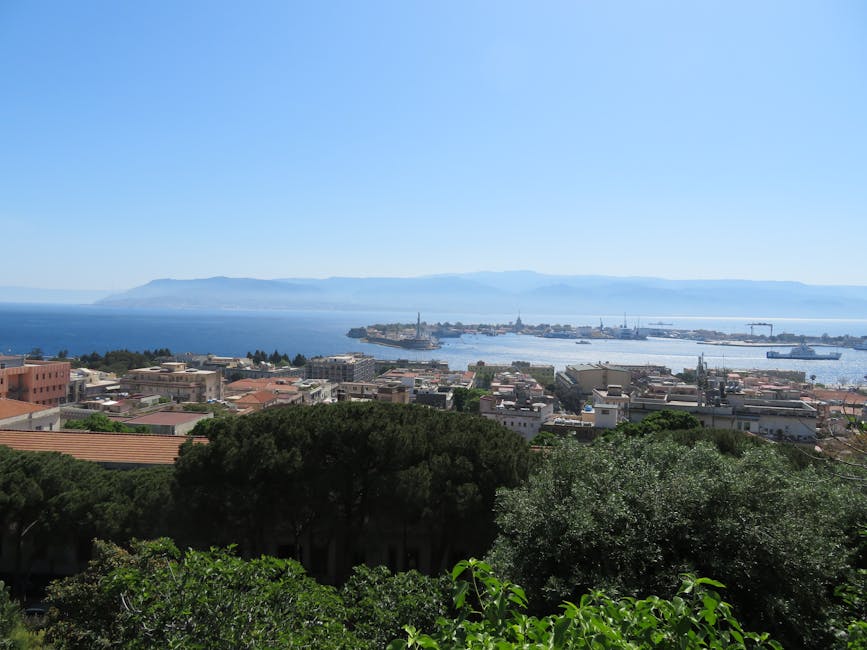






Introduction: A minimalist photographer on Sicily’s shoreline
Sicily is relentlessly rich visually: white cliffs, black volcanic rock, turquoise coves and fishing villages with bright facades. For a minimalist photographer, this landscape is a playground where simplicity — the horizon line, the texture of sand, the water’s reflection — becomes raw material for clean, powerful images. Embracing a minimalist approach by the sea means learning to strip a scene down to its essentials, isolating shapes and colors, playing with negative space, and seizing the unique light that bathes the Sicilian Mediterranean.
Shooting Sicily’s coast with a minimalist eye requires both technical prep and local sensitivity. Knowing sun times, prevailing winds (tramontana, scirocco), and local tides helps you pick the moments when the sea turns into a mirror or into a matte surface. Choose iconic spots but treat their elements sparingly — a white staircase, a boat on the shore, a lone watchtower — and familiar subjects become graphic icons. Minimalism isn’t the absence of story; it enhances the visual narrative by removing the unnecessary.
In this article we’ll explore how to build pared-back seaside images in Sicily, offering exact spots (with addresses and opening hours), technical tips and composition ideas. Whether you’re after crisp silhouettes at sunrise on Scala dei Turchi (Realmonte), glassy water at Isola Bella (Taormina), or broken lines carved by waves in Mondello (Palermo), every location can become a minimalist scene when you adopt the right photographic mindset. We’ll also cover local ethics — respecting nature reserves and private beaches — and give indicative prices for access so you can plan your shoots with confidence.
Finally, landscape minimalism is a philosophy: patience, slowness and focus. In Sicily you’ll often be asked to wait for a clearing, to play with low-angle light or to return at low tide to reveal hidden shapes. Through concrete examples and practical advice on gear, settings and composition, this guide will help you turn Sicilian seascapes into simple, memorable images.
1) Scala dei Turchi, Realmonte: white cliffs and simple geometry
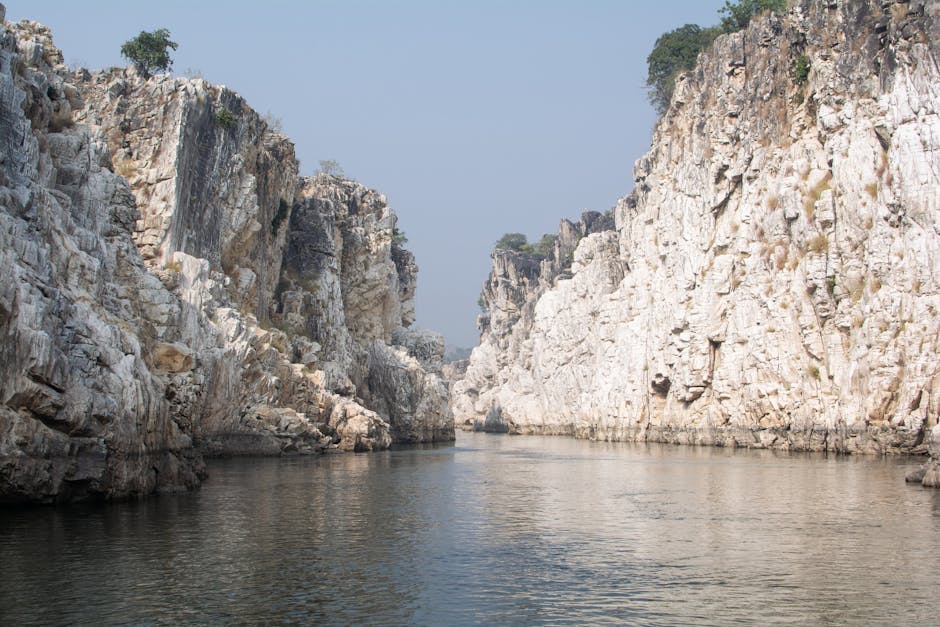
Scala dei Turchi is one of Sicily’s most photogenic sites for minimalist photography. Located in Realmonte, province of Agrigento, the main parking area is roughly at Via Scala dei Turchi, 92010 Realmonte AG, Italy. The famous marl steps sculpted by the sea offer smooth surfaces and clean horizontal lines, perfect for compositions reduced to shape and contrast. The site is free to visit; however, environmental protection rules apply to preserve the fragile rock: climbing certain marked areas is forbidden and paths must be respected. Access is generally open 24/7 but it’s best to visit early (sunrise) to avoid crowds and get soft oblique light.
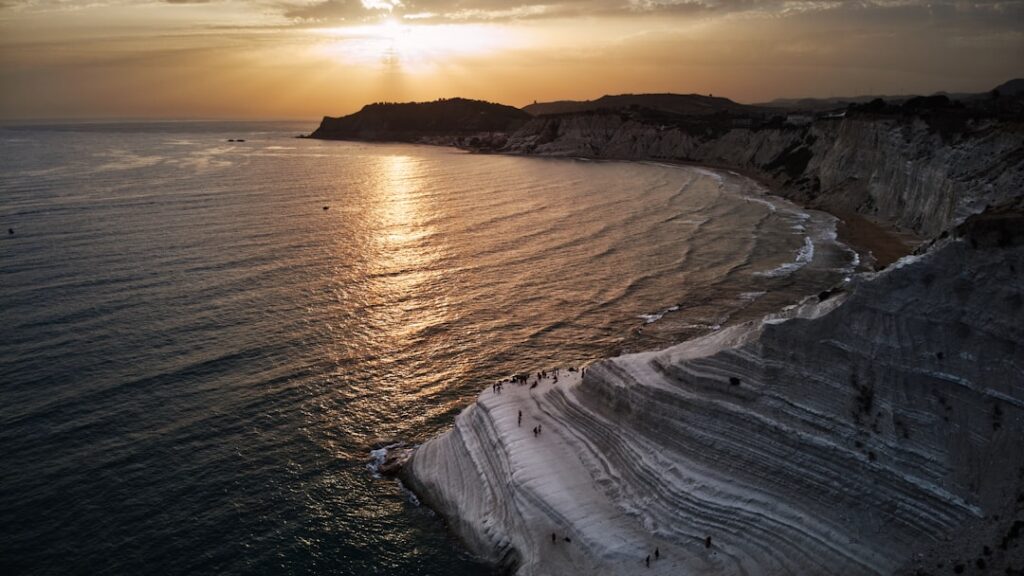
Composition tips: isolate a section of cliff against the sky to get blocks of flat color; use a wide-angle to emphasize the natural steps or a 50mm to abstract a smooth texture. At sunrise the marl takes on warm tones that contrast with the deep blue of the sea. Bring a microfiber cloth to wipe neutral density filters and protect your gear from fine sand. Parking may be charged depending on the season (sometimes €2–5 for private lots) and the area is very busy in July–August.
2) Riserva Naturale Orientata dello Zingaro: coves, rock and pure lines
The Zingaro Nature Reserve is a perfect place where minimalist rigor meets coastal biodiversity. Main access address: Via Riserva dello Zingaro, 91010 San Vito Lo Capo TP, Italy. The southern entrance near Scopello is the most used. Trails are marked and several secluded coves provide serene compositions: a rocky inlet, a strip of sand, a patch of reef rock. Entry to the reserve costs around €5.00 (indicative, seasonal variations possible); opening hours depend on the season but the reserve is generally open 8:00–19:00 in summer and 8:00–17:00 in low season. Check the signs at the entrance for exact hours and safety rules.
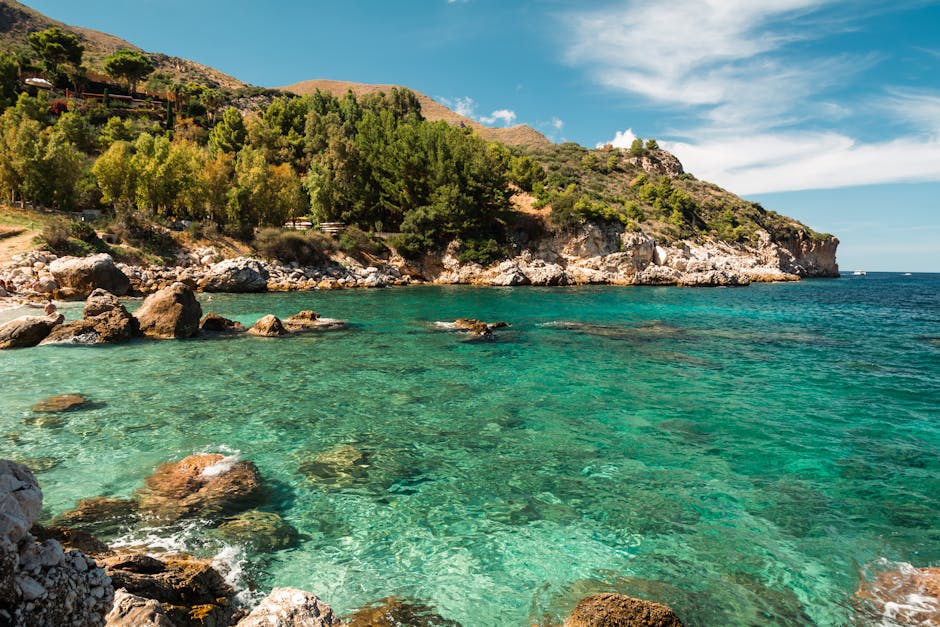
For the minimalist photographer, the trick is to wait for moments when you’re alone with a simple frame: an abandoned boat, an isolated rock, or the perfect curve of a cove. Walking the main trail offers successive viewpoints where sea and sky become large uniform fields — ideal for pared-down compositions. Carry water (temperatures rise quickly in summer), a cap, and lightweight hiking shoes. Swimming spots often lack bars and services, so bring supplies. Strictly respect bans on fires and camping to protect the Mediterranean vegetation.
3) Isola Bella and Taormina: small island, big negative space
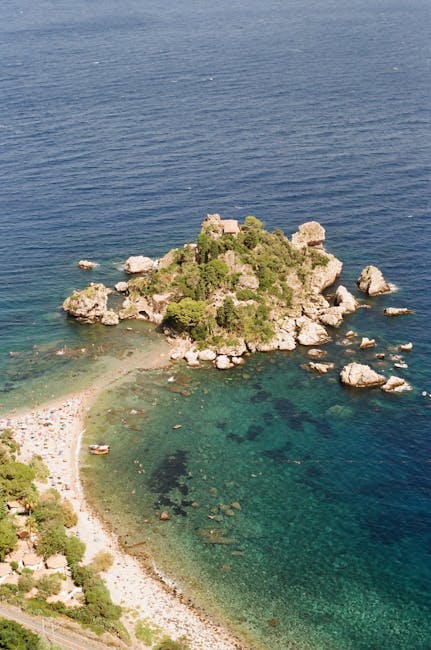
Isola Bella, a small island and marine reserve facing Taormina (province of Messina), is reachable from Piazza IX Aprile or by the funicular to Mazzarò. Useful address: Isola Bella, 98039 Taormina ME, Italy (access point: Lungo Mare di Mazzarò). Beach access at Isola Bella can be paid during high season (private beaches: €10–20 for an umbrella and two sunbeds); the island itself is part of a marine reserve and boat access from Mazzarò is possible. Service times vary, but the funicular typically runs from 7:30 to 23:00 in summer. Morning and late-afternoon light is ideal for minimizing water reflections and creating large color fields.
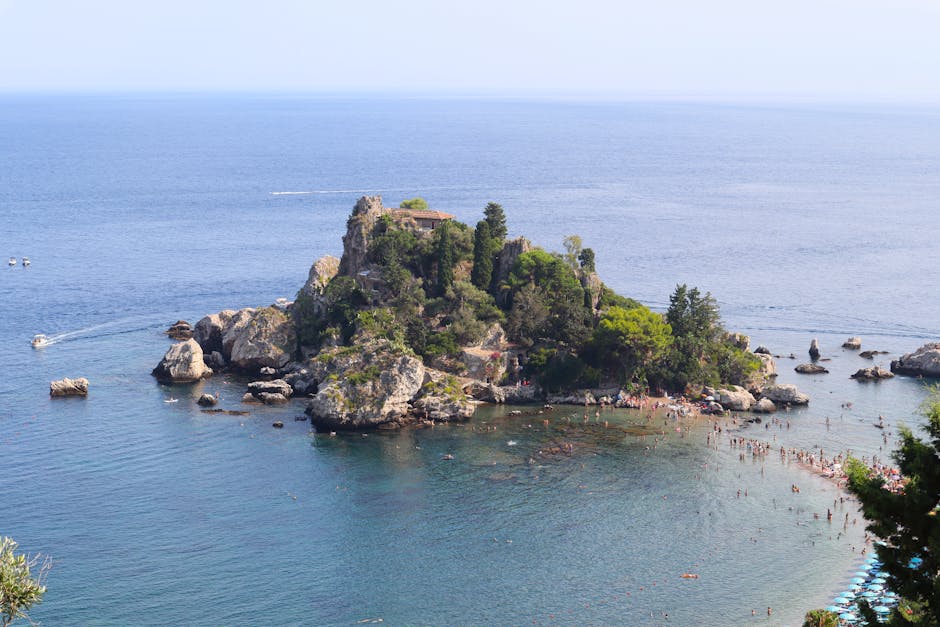
Minimalist compositions around Isola Bella often exploit the contrast between the island’s dark silhouette and the smooth sea, or the thin shoreline against an empty sky. Use a polarizer to cut reflections and boost blue saturation while preserving negative space. In Taormina itself, don’t forget nearby spots like the Teatro Antico di Taormina (Via Teatro Greco, 98039 Taormina ME, Italy) to pair sea and antiquity in minimalist frames: an amphitheater arch with the sea on the horizon. Ticket prices for the Teatro Antico vary — around €10.00 for adults — and it’s generally open 9:00–19:00 (seasonal hours). Watch peak times (10:00–16:00) when tourists gather.
4) Mondello, Palermo and Cefalù: urban beaches and isolated silhouettes
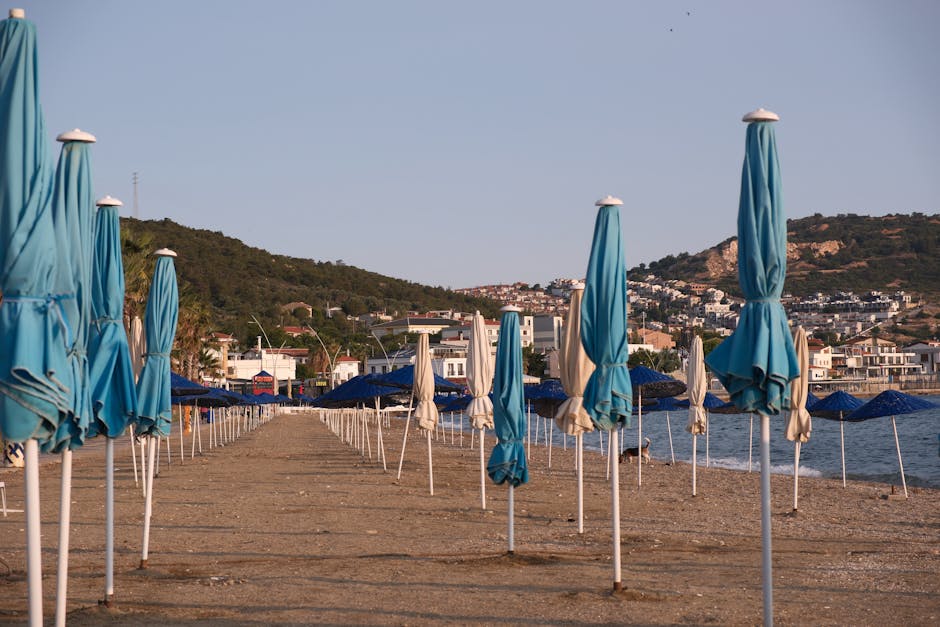
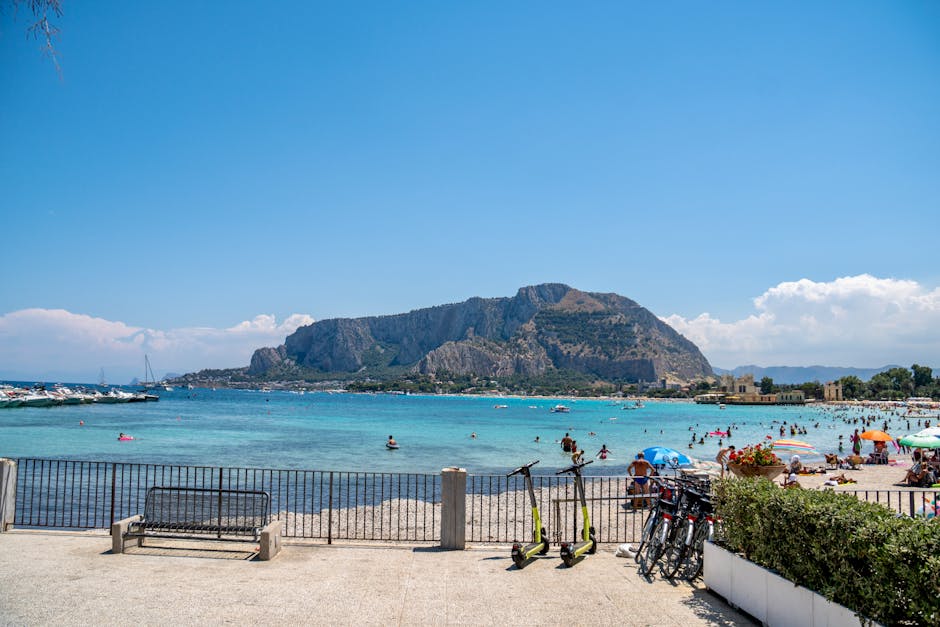
Sicily’s urban beaches in Mondello (Palermo) and Cefalù offer different minimalist opportunities: ordered structure versus a medieval village backdrop. Mondello, address: Viale Regina Elena, 90151 Palermo PA, Italy, is a long stretch of fine sand lined with kiosks and Art Nouveau villas. Public access is free, with paid services (umbrella and sunbed around €15–25 depending on season). The beach is perfect at sunrise for capturing islands of umbrellas and isolated silhouettes against a uniform sea. The neighborhood is easy to reach from Palermo center: ACT Palermo bus line 806 or taxi.
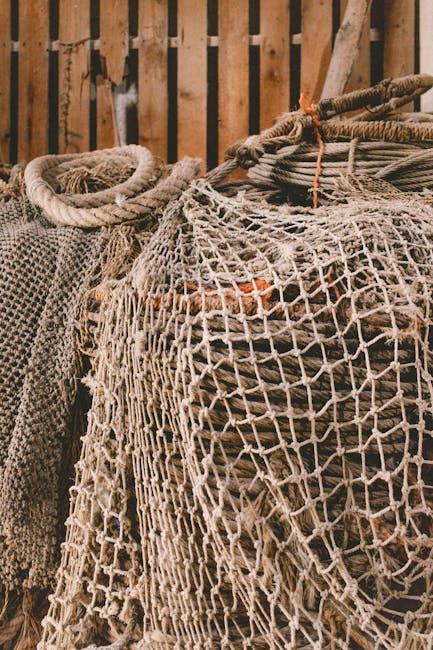
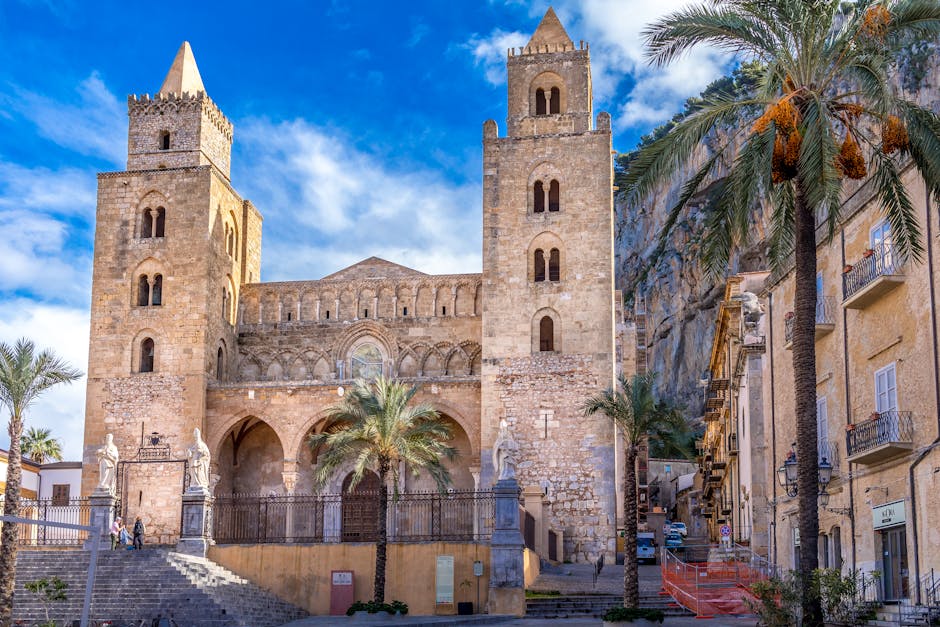
Main waterfront address in Cefalù: Lungomare Giuseppe Giardina, 90015 Cefalù PA, Italy. Cefalù is a medieval coastal town whose beach sits opposite the Duomo di Cefalù (Piazza Duomo, 90015 Cefalù PA, Italy). The Duomo di Cefalù (entrance Piazza del Duomo) is typically open 8:00–12:30 and 15:00–19:00; visiting some parts of the cathedral complex can cost around €3.00–6.00. For the minimalist photographer, isolate a slice of beach with the sea behind and reduce the Duomo to a distant silhouette, or do a close-up of sand texture and fishing nets with a minimal band of sky above.
Practical tips: in summer arrive before 7:30 to beat the crowds; in winter watch for scirocco gusts that carry sand and salt. Protect your camera with a small waterproof cover when working near waves. For ultra-clean compositions favor prime lenses (35mm, 50mm) and low ISOs; use long exposures to smooth waves (ND filters 6–10 stops) or fast shutter speeds (1/1000s) to freeze graphic splashes. Check in locally: tourist offices (e.g. Ufficio Informazioni Turistiche di Cefalù, Piazza Cristoforo Colombo, 90015 Cefalù PA) can point out best accesses and recent restrictions.
Conclusion: practice, respect and a minimalist gaze
Shooting Sicily’s coast with a minimalist mindset blends technique and respect for place. Scala dei Turchi’s cliffs, the preserved coves of the Zingaro Reserve, the elegance of Isola Bella and the urban beaches of Mondello and Cefalù offer varied visual palettes, but the principle stays the same: reduce, simplify, wait. This process demands patience — returning to the same spot at different hours, testing focal lengths, experimenting with shutter speeds, observing how light sculpts surfaces — and discretion toward local communities and fragile ecosystems. Respect bans, leave no trace, and check up-to-date access and price info (reserve entries, beach services, monument hours).
On the practical side, bring a lightweight tripod, a polarizer, graduated ND filters and a cover to shield against sand. Prepare a list of locations with addresses and opening times (like those above) and plan weather alternatives: an overcast sky can turn a beach into a monochrome scene ideal for minimalism, while clear skies deliver very crisp lines. And don’t forget the human element: an isolated silhouette, a boat left on the shore or an old fishing ladder add scale and narrative without cluttering the composition.
Approached with this mindset, you’ll find minimalism doesn’t impoverish the image — it clarifies it. Every element becomes essential; every color matters. Follow local rules, shoot with patience and humility, and you’ll come home with photos where the Sicilian sea reveals itself in its purest simplicity.