





3-Day Photo Itinerary for Sea-to-Mountain Vistas — Sicily
Introduction
Sicily is a concentrated feast for the eyes: cliffs dropping into crystalline seas, hilltop villages with endless viewpoints, sun-drenched coasts and, a short drive inland, the dark, smoking cone of Mount Etna dominating the island. This 3-day photo itinerary is tailored for hobbyists and pros who want to capture the most striking panoramas where sea meets mountain, optimizing golden hours, prime viewpoints and logistics so every minute counts. The route focuses on Sicily’s eastern coast, where Taormina’s touristic charm meets Etna’s volcanic intensity and river gorges with surprising mineral textures — perfect for building a varied portfolio in a short trip.
Each day includes precise waypoints: full place names, exact addresses, approximate opening times, typical entry fees, local practical tips for logistics (parking, best light windows, safety and weather), plus technical suggestions to maximize photographic impact (recommended lenses, polarizers and ND filters, framing for panoramas, and rough settings for golden hour). Routes are planned to minimize driving time while leaving enough field time to wait for ideal light. Selected spots work well for wide-angle shots that combine sea and mountain, as well as longer lenses to isolate details and textures (cliffs, lava formations, arches in the gorges).
If you’re renting a car, you’ll find practical notes on parking, scenic roads and local restrictions (ZTL zones in towns like Taormina). If you prefer public transport and guided tours, alternatives are suggested for each stop. The itinerary also factors in safety around volcanic areas and gorges: respect barriers, check Etna activity at the Parco dell’Etna office, and bring sturdy shoes, warm layers for altitude, and sun protection for the coast.
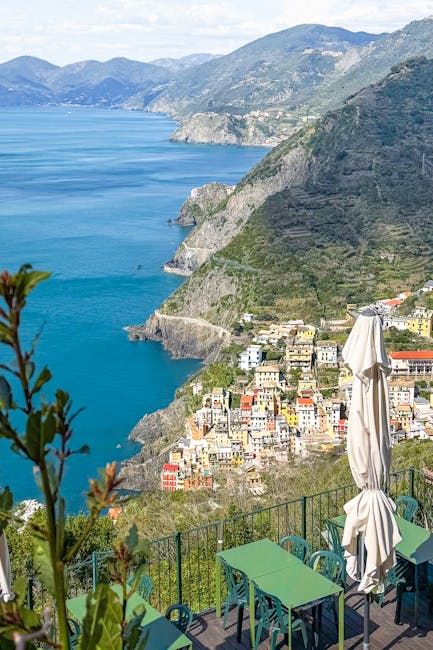
Get ready for dramatic sunrises and sunsets, panoramas where the Ionian Sea meets black lava slopes, and medieval villages where evening light sculpts alleyways. Below, follow the step-by-step 3-day plan complete with photography tips and field tricks to turn each stop into a memorable shot.
Day 1 — Taormina, Isola Bella and the Castelmola Viewpoint
The first day focuses on coastal panoramas and hilltop villages. Base yourself in Taormina (convenient for lodging and restaurants). Start at dawn to catch the Ionian Sea in soft light, explore the historic center, and finish with sunset from Castelmola.
Morning — Stroll along Corso Umberto and Mediterranean viewpoints
Kick off with sunrise over Taormina Bay from Corso Umberto I. Main address: Corso Umberto I, 98039 Taormina ME, Italy. Although the street is pedestrianized, arrive early for shopfronts in quiet and minimal tourists. A wide-angle lens (16–35 mm) is ideal to include medieval facades and the distant sea. Recommended parking is Parcheggio Porta Catania (Via del Teatro Greco, 98039 Taormina ME), typically around €2–€3 per hour depending on season.
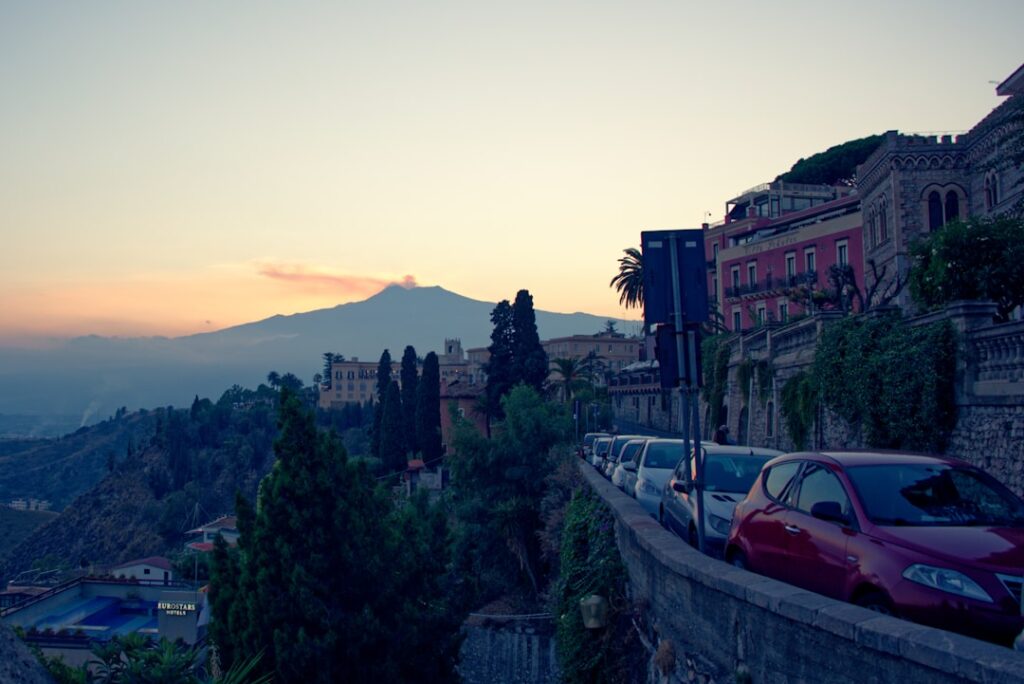
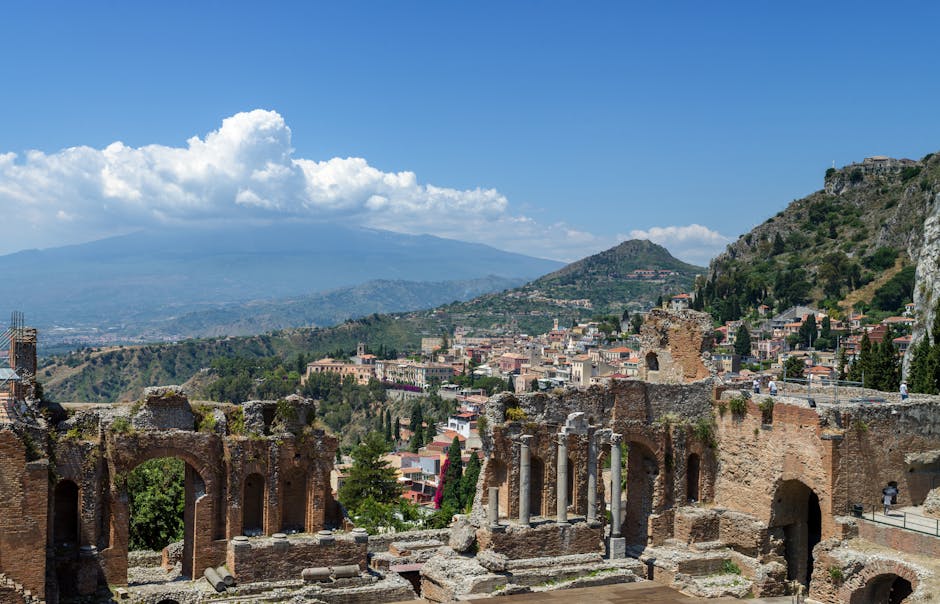
Then visit the Teatro Antico di Taormina (Greek Theatre) for panoramic views of Etna and the bay. Address: Via del Teatro Greco, 98039 Taormina ME. Opening hours: usually 09:00–18:00 (seasonal variations). Fee: about €10–€15 (reduced rates for students and seniors). The theatre terrace is one of the most photogenic spots: ancient silhouette in the foreground, sea behind and, on clear days, Etna on the horizon. For photography, arrive right at opening to beat the crowds and use morning light; a polarizing filter helps the sea and sky pop.
Afternoon — Isola Bella and the pebble beaches
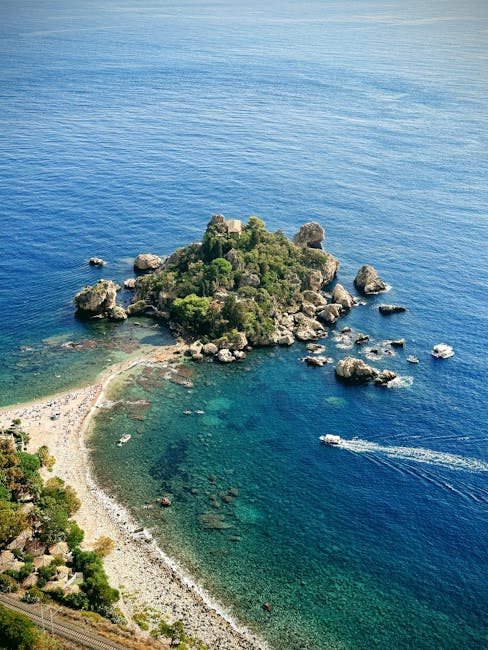
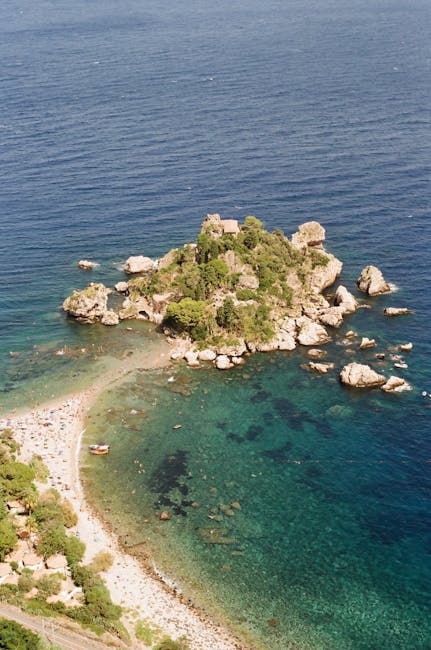
After a light lunch in Taormina (plenty of cafés line Corso Umberto), head down to the beach and the Isola Bella nature reserve. Access address: Isola Bella, 98039 Taormina ME, Italy (reachable via the Taormina–Giardini Naxos funicular if you don’t have a car). Recommended parking: Parcheggio Isola Bella (via Nazionale, Giardini Naxos) or the funicular station; funicular fare is around €2–€3 round trip. Reserve opening hours: typically 09:00–19:00 in high season; the islet itself is freely accessible except in protected zones. The classic image is the vegetated rocky islet linked to the beach by a narrow spit — great at sunset but also lovely in low afternoon light.
Technically, use a tripod if you want long exposures to smooth the water and capture rock formations; a 6–10 stop ND filter is useful for daytime long exposures. For texture shots, a 50–100 mm lens isolates algae, rocks and waves breaking on the pebbles. Watch the wind: there can be a local breeze, so protect your gear.
Evening — Castelmola viewpoint for sunset
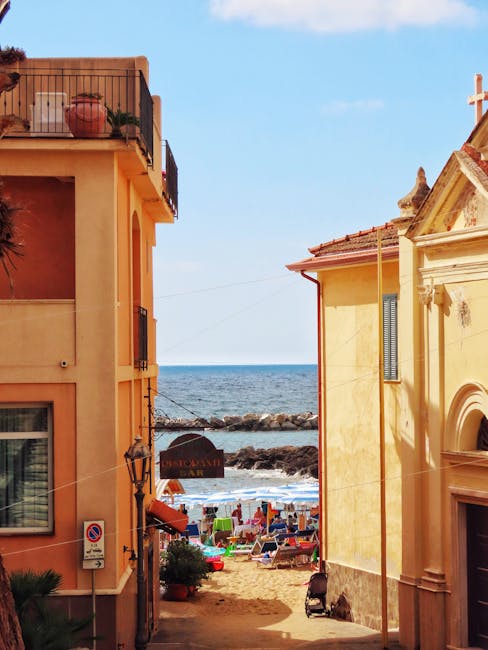
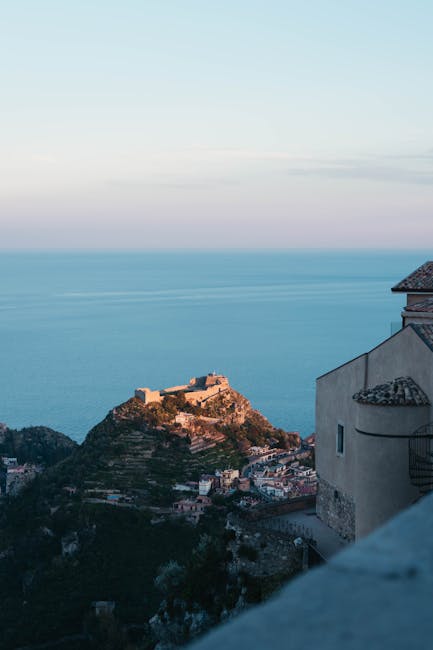
End the day in the hilltop village of Castelmola for an elevated panoramic view over Taormina and the bay. Address: Piazza Sant’Antonino, 98030 Castelmola ME, Italy (historic center). Parking: Parcheggio Castelmola (small and sometimes paid) or park below and walk up. Castelmola is known for its stone alleys and the terrace at Bar Turrisi (Via Roma, 2, 98030 Castelmola ME) which offers spectacular views. Village and viewpoints are open all day; bars/restaurants usually operate 09:00–23:00.
The sunset from a terrace overlooking Taormina bathes the coast in golden light, creating layered compositions: village, sea, Isola Bella and Etna’s silhouette. For photos, favor a white balance set to “shade” or “cloudy” to warm tones, and try bracketing for HDR panoramas if contrast is high. Later, wander the alleys for night photography — street lamps, ochre facades and plaza lighting give a soft, cinematic glow.
Day 2 — Mount Etna: Craters, Lava and Volcanic Vistas
Day two is entirely dedicated to Mount Etna, Sicily’s emblem and a playground for landscape photographers. Two main sectors: the southern slope (Rifugio Sapienza, ~1,900 m) and the northern slope (Piano Provenzana, ~1,800 m). For a complete day trip from Taormina or Catania, focus on the southern side for quicker access and a cable car that gets you up fast.
Morning — Access the Etna Park and ascend to Rifugio Sapienza
Main southern access: Rifugio Sapienza, 95030 Nicolosi CT, Italy. Main parking: Parcheggio Rifugio Sapienza (large, paid depending on season, roughly €5–€10/day depending on services). The cable car and 4×4 excursions to the summit craters depart from here. Cable car hours: usually 09:00–16:00 (variable, depending on volcanic activity and season). Indicative price for cable car + 4×4 excursion: €35–€60 (round trip plus vehicle/guide; prices vary and summit access often requires a guide). Before you go, check conditions at the Parco dell’Etna – Sede di Nicolosi or the official site for activity alerts (www.parcoetna.it).
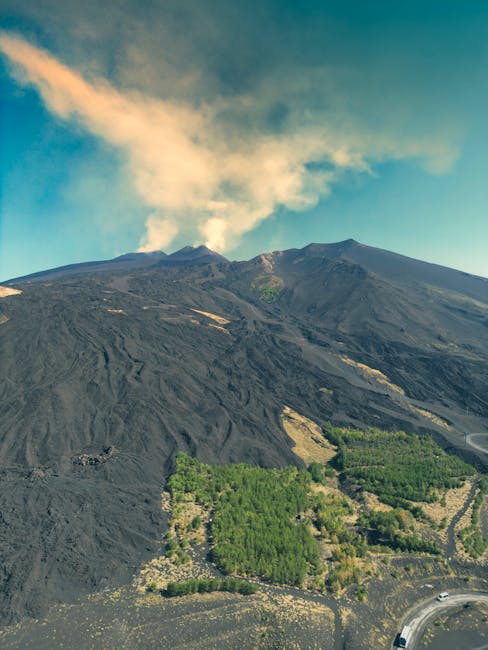
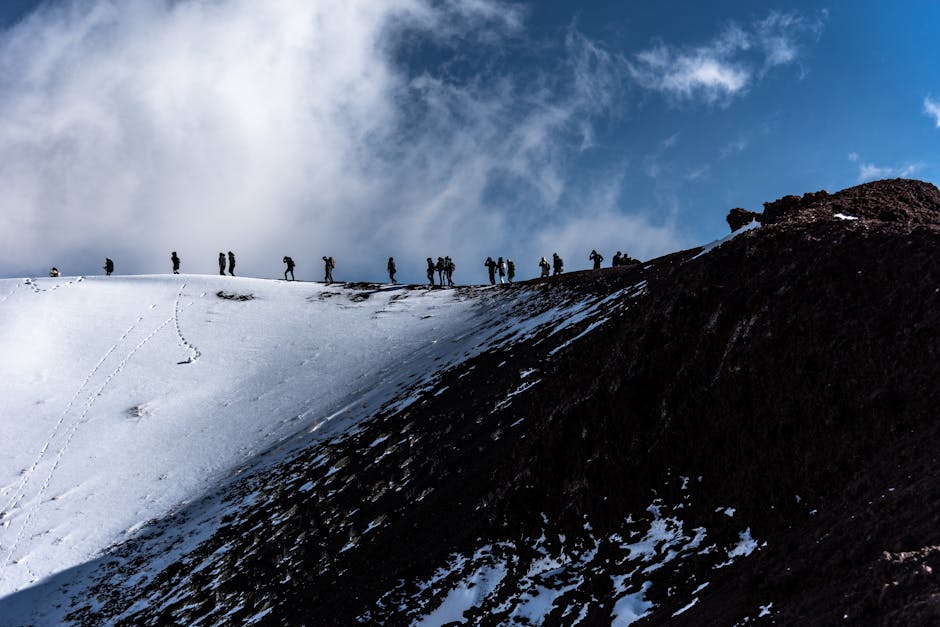
Photographers should arrive early: morning light sculpts flows and gives relief to slopes. Textures include scoria, glossy lava crusts and older flows intermingled with patches of vegetation. Recommended glass: wide-angle (16–35 mm) for sweeping landscapes, a 70–200 mm to isolate vents and fissures, and a macro for lava details and lichens. Hiking boots are essential; weather changes fast at altitude so pack a windproof jacket and thermal layers.
Afternoon — Summit craters and island panoramas
If conditions and safety rules allow, take a guided 4×4 or walking excursion to approach the summit craters (authorized areas only). Local guides not only ensure safe access but also point out the best spots to photograph active vents from a safe distance. Excursion departure area: Via Roma, 95030 Nicolosi CT (near Rifugio). Price: guided 4×4 tours generally run between €60–€120 depending on duration and how far up you go. Remember summit zones can be closed due to volcanic activity.
Look for compositions that layer dark lava fields with distant blue sea: on clear days you can capture a progression from black flows to green hills to the Ionian horizon. Evening light throws deep shadows that emphasize form — if you can stay for golden hour, it pays off. Use bracketing for highlights around vents and to retain shadow detail on the lava. Always follow park safety guidance and stay with your guide in restricted areas.
Evening — Return and nightscapes from Nicolosi or Zafferana Etnea
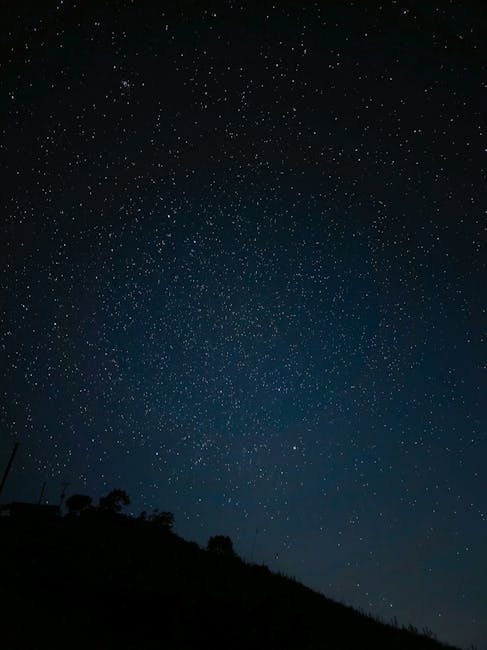
Back near Nicolosi or Zafferana Etnea, find a lookout to shoot nightscapes: village lights below, Etna’s silhouette and stars if weather cooperates. Recommended viewpoint: Belvedere di Nicolosi, Via della Regione, 95030 Nicolosi CT (or scenic pullouts along the SP92). For astrophotography, move away from town lights and use altitude to capture the Milky Way above the volcanic cone. Bring a tripod, remote release and plan for long exposures (ISO 800–3200 depending on your camera). Never attempt to photograph active lava flows at night without a professional guide and explicit permission — it’s dangerous.
Day 3 — Alcantara Gorges, Savoca and Rural Panoramas
The third day provides contrast: after Etna’s raw mineral power, you’ll explore water-carved landscapes and then timeless villages where bustling Sicily gives way to serene rural and coastal panoramas. Start early for the Alcantara Gorges, then visit Savoca (a medieval village), and finish the day in the countryside or by the sea depending on the light.
Morning — Alcantara Gorges (Gole dell’Alcantara)
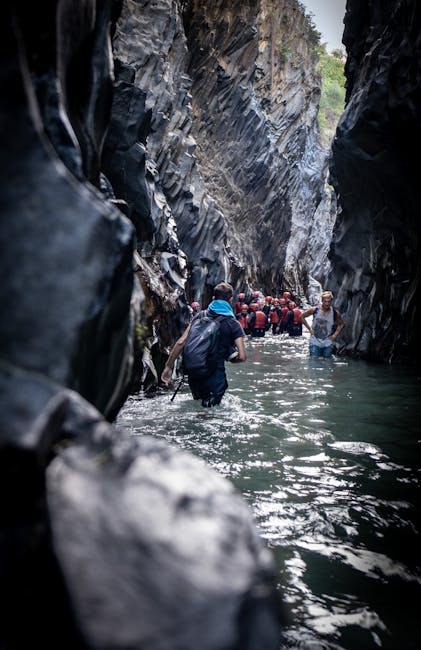
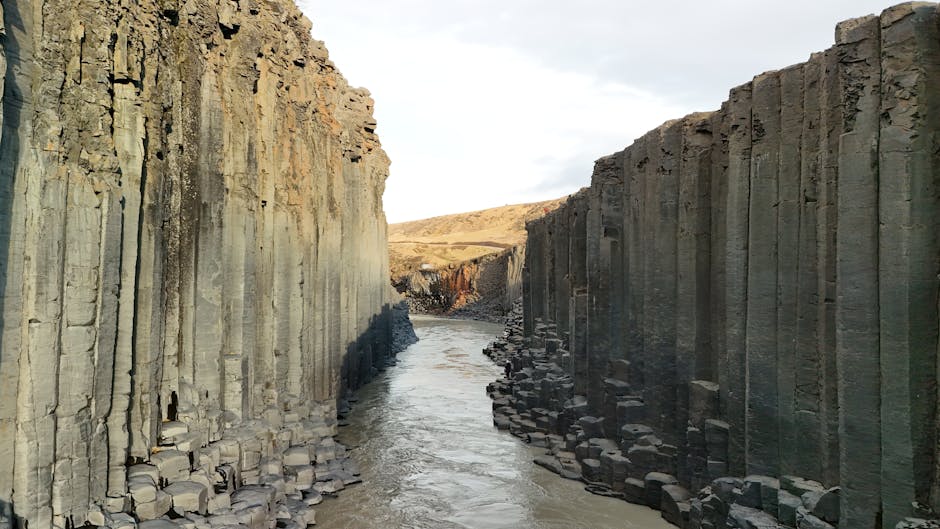
Address: Gole dell’Alcantara, Via Nazionale 338, 98030 Motta Camastra ME, Italy (main entrance). Hours: typically 09:00–18:00 in low season and up to 20:00–21:00 in high season — check the official site. Entry fee: access to trails and managed areas about €6–€10 per adult (varies with services and parking). The gorges feature vertical basalt columns carving a narrow canyon crossed by a turquoise river — an ideal setting for textures, backlighting and reflective compositions.
Use the walkways for plunging perspectives and low-angle shots at water level. For silky water effects, mount a tripod and an ND filter on the boardwalks; for mineral detail, a mid-range focal length (35–70 mm) highlights the hexagonal basalt columns. Wear non-slip shoes because rocks near the water can be slippery. In summer, the gorge offers a refreshing break and some operators rent wetsuits for getting down into the water (paid service).
Afternoon — Savoca, historic spots and rural views
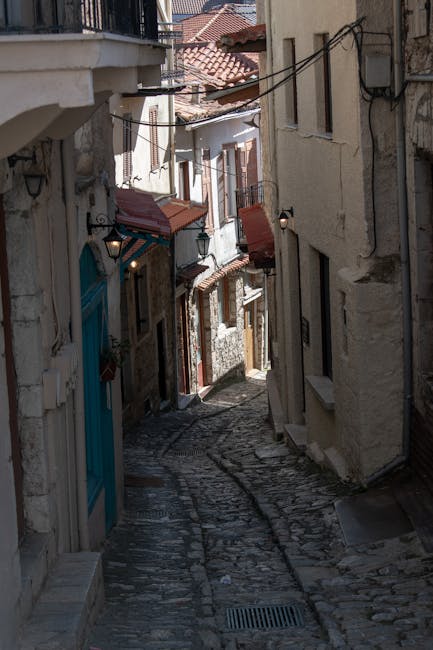
After the gorges, drive to Savoca, a renowned hill village (famously featured in The Godfather). Town center address: Piazza Vittorio Emanuele, 98038 Savoca ME, Italy. Parking: Parcheggio Savoca at the village entrance, then walk up. Monument hours: churches and small museums typically open 09:00–13:00 and 15:30–19:00, subject to change. Photo points: Chiesa di San Nicolò (Via Municipio, 98038 Savoca ME) and the viewpoint along the promenade overlooking the valley down to the sea. Savoca’s stone alleys, flowered balconies and rural vistas are ideal for detail work and street portraits.
To capture the village’s character, shoot in late afternoon light: alley shadows will emphasize textures and wall colors. Try environmental portraits of locals (ask first) or tight shots of carved doors and old inscriptions. The famous stop Bar Vitelli (Via Garibaldi, 2, 98038 Savoca ME) has a cinematic facade that makes a great finishing frame for a Sicilian village series.
Evening — Final panoramas: head to the coast or sunset from the countryside
Depending on how you feel and the direction of light, end the day on the coast (Giardini Naxos or Letojanni) for one last seaside sunset, or hunt for a rural hilltop view to capture warm light over olive groves and fields. Recommended coastal spot: Belvedere di Giardini Naxos (Lungomare A. Doria, 98035 Giardini Naxos ME) — easy access and great for silhouette shots at sundown. For a rustic atmosphere, take a secondary road to Forza d’Agrò (Piazza Duomo, 98030 Forza d’Agrò ME) which offers views over sea and countryside; the village is often lively in the evening.
Final photo tips: bracket panoramas to preserve sky and sea detail; experiment with layered compositions (foreground foliage, midground village, background sea/Etna) to tell Sicily’s story in a single frame. Bring spare batteries and memory cards — you’ll shoot a lot. For food photography that evening, choose warm light and minimalist composition. Good dinner recommendation: Ristorante Al Saraceno, Via Bagnoli Croci, 10, 98035 Giardini Naxos ME, usually open 12:00–15:00 and 19:00–23:00; dishes typically range from €12–€25.
Conclusion
In three days, this itinerary lets you explore and photograph the spectacular variety of eastern Sicily: maritime panoramas from Taormina and Castelmola, volcanic textures and scenes on Etna, and water-and-rock plays at the Alcantara Gorges, all punctuated by historic villages where light sculpts architecture. It mixes wide, dramatic viewpoints — a vast bay, a volcanic cone, deep gorges — with intimate opportunities to isolate textures, details and local portraits. Each stop is scheduled to optimize light: sunrises and sunsets are prioritized for Taormina and Castelmola; Etna fits mid-day to afternoon (unless you can stay for sunset) and the gorges benefit from filtered light that yields saturated, high-contrast results.
Practically speaking, plan your transport: a rental car gives you the flexibility to hit golden hours and reach viewpoints; roads are generally in good condition but twisty in mountainous areas, so adjust speed and allow time for photo stops. Book guided Etna excursions in advance if you plan to access summit zones — guides check conditions and keep you out of danger. Also check seasonal opening hours: museums and some bars may have reduced hours off-season. For lodging, Taormina and Giardini Naxos strike the best balance between comfort and access to the sites mentioned; Nicolosi and Zafferana Etnea are convenient if you want to be closer to Etna.
Gear-wise, an efficient kit is: a full-frame body (if possible), a wide-angle (16–35 mm), a standard to short tele (24–70 mm), a telephoto (70–200 mm) to isolate details and compress layers, a sturdy tripod, ND and polarizing filters, a remote release, spare batteries and memory cards. Don’t forget hiking shoes, a windproof jacket, sun protection and a water bottle. Respect the environment: stay on marked trails, don’t approach closed areas and avoid leaving any trash in protected landscapes.
Beyond settings and spots, take time to soak it in: Sicily speaks through its scents (pine, salt, local cooking), sounds (church bells, waves) and faces. Combine grand panoramas with local details to assemble a cohesive photo series that tells your visual story of the island. With this 3-day route you’ll come away with a strong collection of images — from the deep blues of the Ionian Sea to the satiny blacks of lava flows and the sunlit alleys of perched villages — ready to enrich your portfolio and your memories.