





Introduction: Why Sicily’s Gorges and Ravines Deserve Your Lens
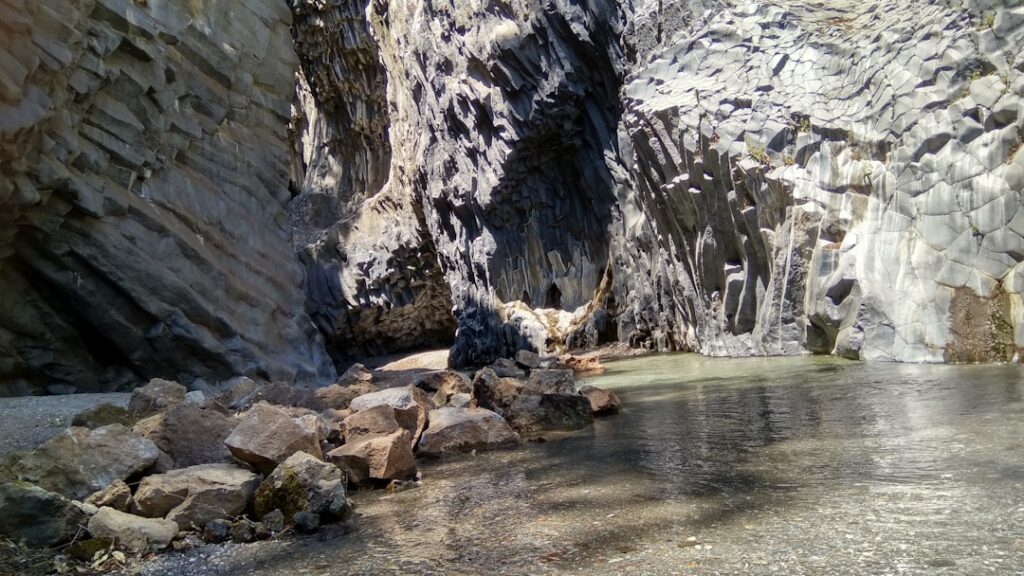
Photographing Sicily’s gorges and ravines is about catching the meeting of millions of years of geology with Mediterranean light that reveals every layer, erosion pattern and patch of moss. Sicily isn’t just about the sea and baroque towns — its narrow valleys, volcanic canyons and limestone ravines offer textures, planes and depths that turn a photo into a sensory experience. Standing at a viewpoint above the Gola dell’Alcantara or hiking down to the pools of the Riserva Naturale Orientata Cavagrande del Cassibile, you’ll face a palette of colors — polished black basalt, ochre limestone, green vegetation — and shadow plays that change dramatically with the hour and the weather.
This intro aims to prepare you technically but also emotionally: photographing a gorge isn’t merely “framing a landscape,” it’s translating the feeling of depth, enclosure, flowing water and the roughness of the cliffs. In this article we’ll cover specific spots — Gole dell’Alcantara (Motta Camastra / Francavilla di Sicilia), Riserva Naturale Orientata Cavagrande del Cassibile (Avola / Siracusa), Valle dell’Anapo and Pantalica (Sortino) — with concrete addresses, typical opening hours, indicative prices in euros and local tips to get the most from your images. You’ll also find gear tips (filters, lenses, tripod), the camera settings that emphasize relief, and practical recommendations (best times for crowds, access and safety).
In Sicily, gorge photography requires learning to read the landscape: spot the leading line that guides the eye, use vegetation as a frame, and exploit low-angle morning and evening light to sculpt the rock faces. We’ll also discuss when to choose a wide-angle to dramatize depth versus a telephoto to isolate textures on a cliff face. Finally, you’ll get practical advice for organizing photo outings (GPS coordinates, parking, access paths, entrance fees and opening times for tourist sites and nature parks) so your Sicily trip is both creative and efficient.
Before you set out, check updated hours and prices with local tourist offices — fees and opening times can shift with the season, events or maintenance work. Now let’s hit the roads to Sicily’s canyons and learn how to turn these cuts in the earth into memorable images.
Gole dell’Alcantara: How to Capture Verticality and Contrast
Gole dell’Alcantara is arguably Sicily’s best-known gorge, carved into basalt columns formed by lava flows from Etna. The official site is around Motta Camastra and Francavilla di Sicilia, and the most common access point is Parco Fluviale dell’Alcantara, Via Nazionale 98, 98030 Motta Camastra ME, Italia. Entrance to the park is paid: adult ticket typically €6–10 depending on season and which sectors are open (access stairway to the gorge floor, walkways, interpretation trails). Ticket offices are usually open roughly 09:00–18:00 in high season (May–September) and 09:00–16:00 in low season, but always double-check local times as they can change.
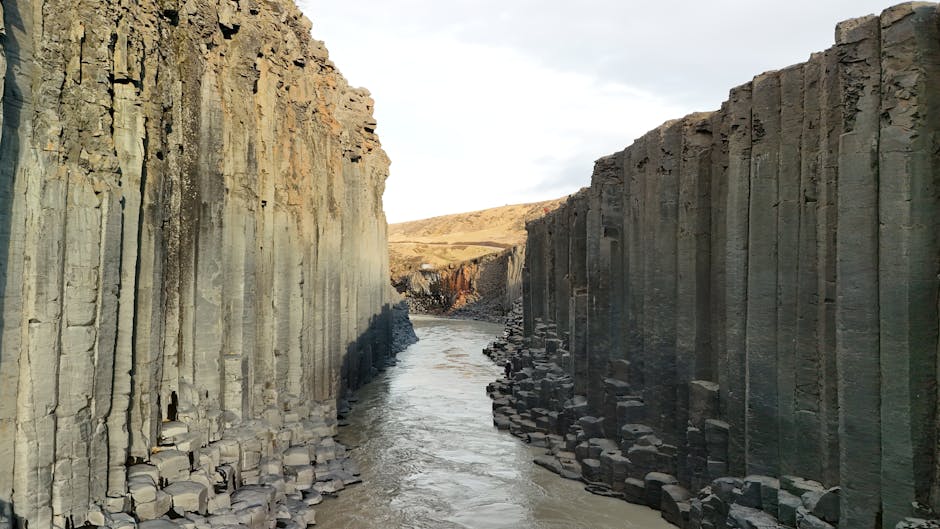
Shooting Gola dell’Alcantara is all about working the contrast between the dark basalt and the clear water flowing below. Gear: a 16–35mm wide-angle for sweeping compositions, a 70–200mm telephoto to isolate columns and water interaction, and a polarizing filter to cut reflections and boost sky saturation. Best light: early morning or late afternoon for side light that sculpts the columns. If you descend to the gorge floor (paid stairway), you can shoot dramatic low-angle compositions to emphasize verticality; on the footbridges, favor diagonal compositions to lead the viewer’s eye through the frame.
Practical tips: wear good non-slip footwear (stones can be slippery), bring a waterproof cover for your camera bag if you get close to the water, and have cash for parking and admission. The main parking is near the park (signage and coordinates on site); in high season aim to arrive before 09:30 to avoid crowds. Also respect marked trails and safety zones — some cliff faces are unstable and areas may be closed for conservation.
Cava Grande del Cassibile: Pools, Texture and Water Hikes
The Riserva Naturale Orientata Cava Grande del Cassibile is a gem in the Syracuse province, between the towns of Avola and Sortino. Main access is often listed via Contrada Cannizzara, 96010 Avola SR, Italia (the trailhead), and the viewpoint parking is along the SP18. Entry to the reserve is generally free, but there is usually a parking fee and suggested contributions for trail maintenance (around €3–5 for parking depending on season). Trails are open year-round, though visitor services and info points typically operate about 08:00–18:00 in summer.
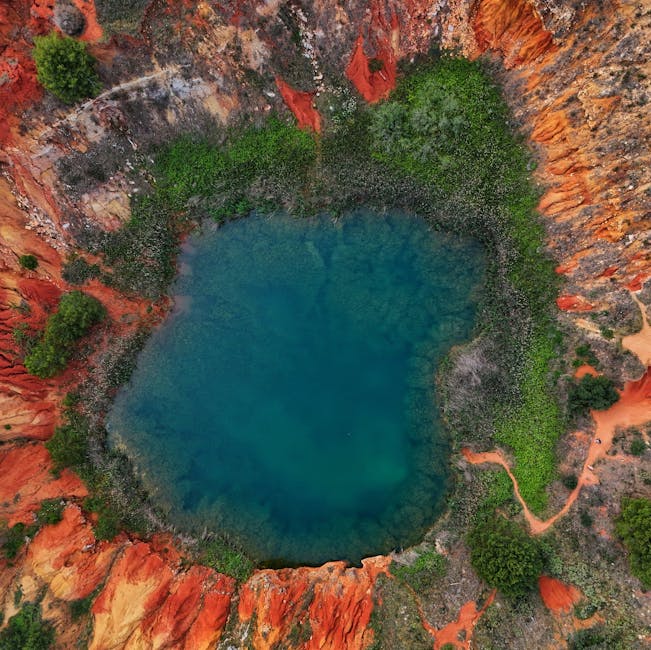
Cava Grande’s hallmark is a series of natural pools and basins where light plays across turquoise water and sculpted limestone. To convey depth, use a medium aperture (f/8–f/11) to keep the scene sharp and add an ND filter if you want longer exposures to smooth the water for a silky effect. Close-ups of textures — algae, limestone striations, surfaces polished by torrents — work well with a macro or a 100mm lens, while a 24–70mm remains versatile for switching between wide scenes and details.
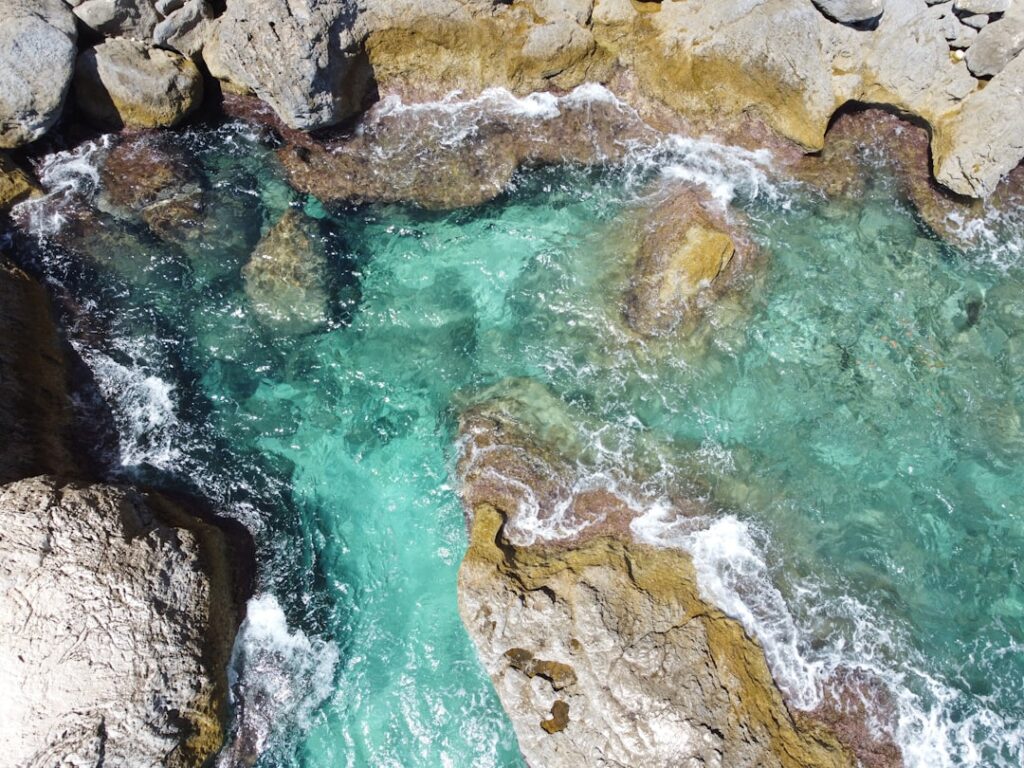
Local practicalities: the main trail descends steeply and requires good fitness — solid hiking shoes and trekking poles are recommended. Water is sometimes swimmable in the lower pools — respect signage and the fragility of micro-habitats. Best photo times are morning for soft light in the pools and late afternoon for warm tones on the cliffs. If you plan to stay for sunset, check your return route: the climb back can be done with a headlamp if needed, but it’s best to avoid hiking after dark.
Valle dell’Anapo and Pantalica: Historical Calm and Archaeological Compositions
The Anapo valley and Pantalica form a combined natural and archaeological landscape, listed as a UNESCO World Heritage site. The archaeological area of Pantalica is near Contrada Pantalica, 96017 Sortino SR, Italia; the park and its trails are usually accessible freely, with suggested visiting hours of about 08:00–19:00 in season. Entrance prices can vary if temporary exhibitions are running (museum or managed site tickets around €2–6), but access to trails and the necropolises is often free; check with the Museo e Parco Archeologico della Necropoli di Pantalica (Viale Venezia) for the latest details.
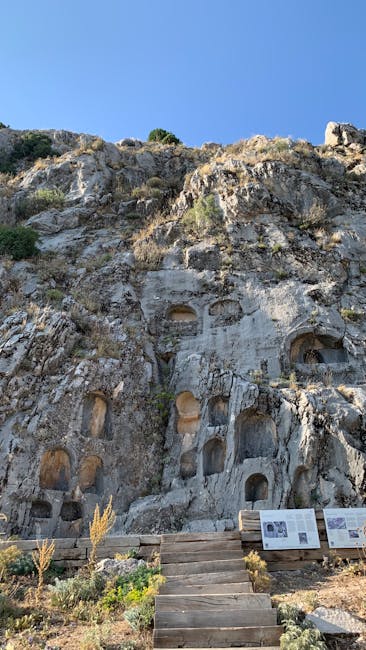
Pantalica presents a rare mix: deep limestone gorges traversed by the Anapo, terraces and Byzantine rock-cut tombs. To convey depth and scale, include a human element (hiker, fellow photographer) in your frame to give the cliffs context. The funerary niches and necropolises suit low-light images (in shadow): use low ISO with a tripod, or open up the aperture if shooting handheld. Long focal lengths compress the scene and bring geological layers together, while a wide-angle exaggerates depth but usually needs a strong foreground element (rock or shrub) to anchor the composition.
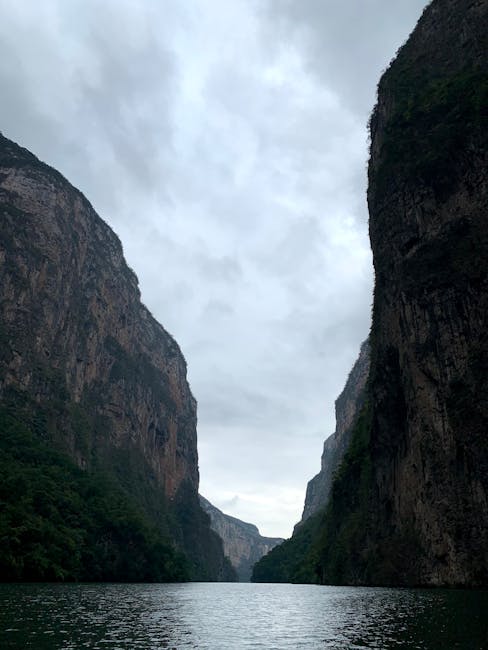
Local tips: the trail along the Anapo river can be muddy in spring — bring protection for your camera bag and waterproof covers. The area is rich in birdlife and archaeological remains: avoid flash on sensitive sites and never disturb or excavate. For original angles, look for viewpoints on the Sortino or Cassaro sides and get there early to catch the morning mist that sometimes clings to the cliffs, creating a timeless atmosphere.
Practical Techniques and Local Tips to Enhance Texture, Depth and Light
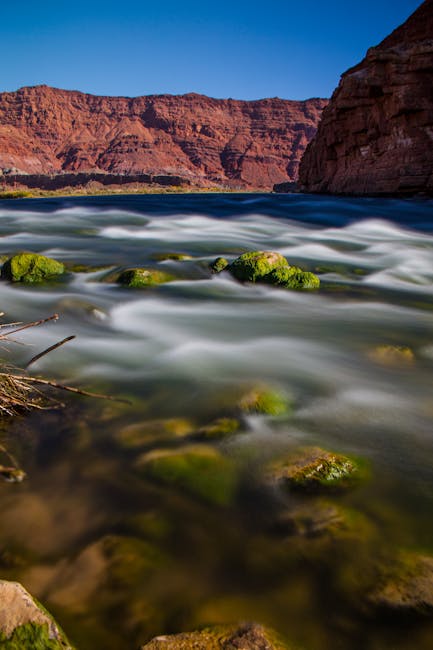
Turning a canyon wall into tactile texture requires precise technical choices and local preparation. Start with basics: a sturdy tripod, remote shutter release, polarizing filter and variable ND filter. The tripod enables long exposures to smooth water (1–4 seconds depending on flow) and captures detail in low light at dawn or dusk. A polarizer cuts reflections on water and intensifies stone and sky colors — very useful in places like Gola dell’Alcantara where basalt surfaces can shine.
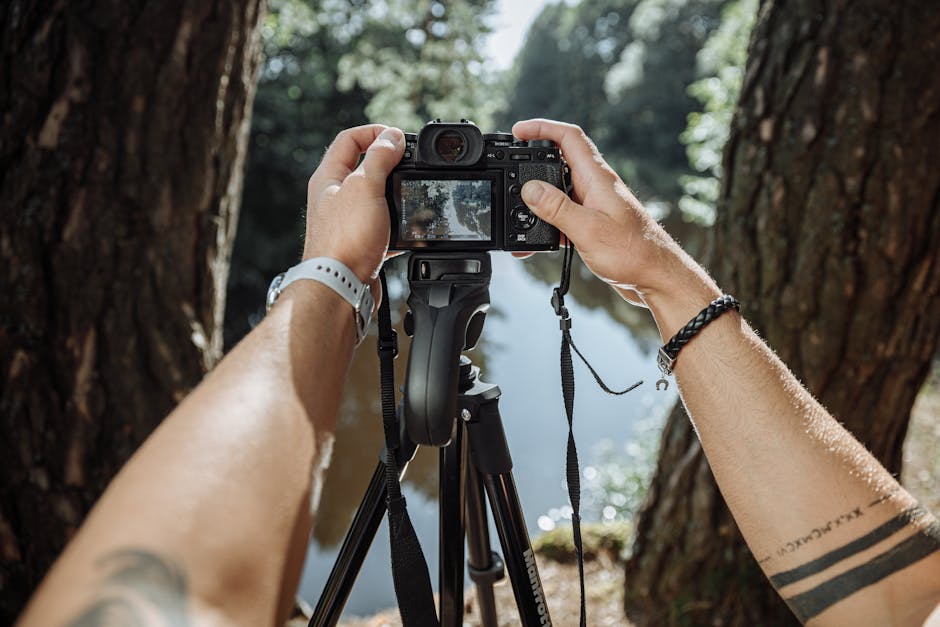
Recommended settings: for wide scenes use f/8–f/11 for good sharpness and sufficient depth of field; to isolate texture, try f/4–f/5.6 with a telephoto for shallow depth that emphasizes rock strata. To boost depth, compose using diagonals or a layered sequence (sharp foreground, midground leading the sightline, background in slight haze). If you want mood, bracket exposures and merge into nuanced HDRs to retain shadow details in the walls while keeping highlights in the sky.
Local safety and common-sense tips: follow park rules — stay on marked trails, don’t pick plants, and pack out your trash. Bring water (at least 1.5 L per person for hikes), energy snacks and a basic first-aid kit. Always tell someone your itinerary if you go alone, and check the weather forecast — Mediterranean conditions can change quickly, and storms can make canyons dangerous due to flash flood risk.
Conclusion: Telling a Gorge’s Story — Technique Meets Emotion
Photographing Sicily’s gorges and ravines means going beyond finding a pretty spot: you need to read the geology, anticipate the light, prepare your gear, respect the sites and listen to the human and historical layers of the landscape. Between the basalt columns of Gola dell’Alcantara (Parco Fluviale dell’Alcantara, Via Nazionale 98, 98030 Motta Camastra ME; typical ticket €6–10, approximate hours 09:00–18:00 in high season), the limestone pools of the Riserva Naturale Orientata Cava Grande del Cassibile (Contrada Cannizzara, 96010 Avola SR; often free access, parking €3–5) and the suspended necropolises of Pantalica (Contrada Pantalica, 96017 Sortino SR; trail access usually free, museums/entrance €2–6 depending on exhibits), each spot demands different approaches and offers unique photographic opportunities.
In practice, alternate wide-angle and telephoto, favor low-angle light to carve textures, use filters to control water and reflections, and plan your movements according to opening times and weather. Local tips — sturdy shoes, plenty of water, respect for trails and early arrival to avoid crowds — often make the difference between a so-so photo and one that tells a story. Finally, remember landscape photography is interpretation: what you choose to show (depth, texture, color, a human scale) shapes the viewer’s experience.
Before you go, always check practical details with local tourist offices (Ufficio Turistico dei Comuni concerned) and reserve managers for up-to-date fees and opening times. Sicily’s landscapes are alive: they change with light, wind, seasons and human activity. By respecting the sites and planning your shoots carefully, you’ll come home with images that not only prove you were there but also tell the geological and human memory of Sicily’s gorges.