





Introduction — Long Exposure on Sicilian Harbors: Sea Spray, Light and Reflections
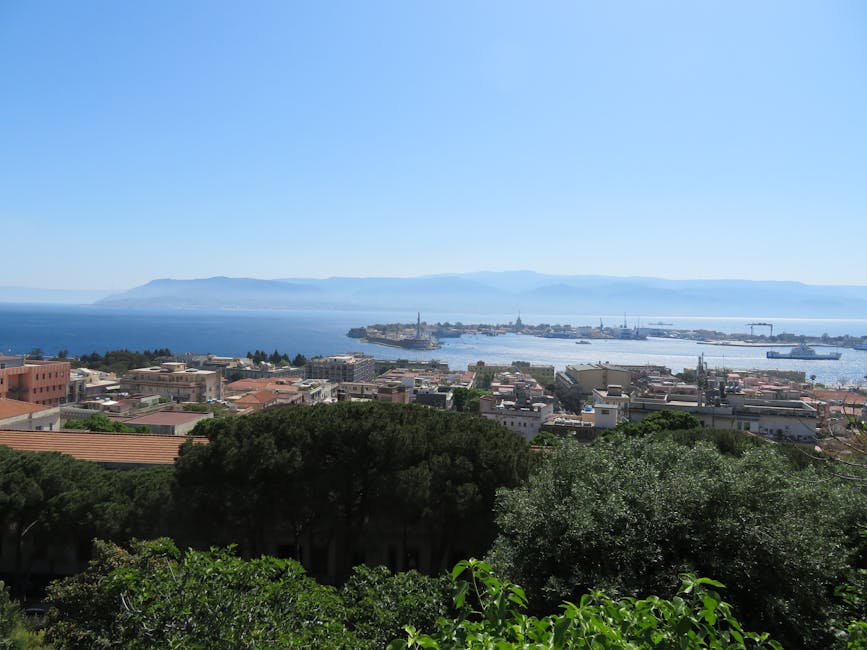
Sicily is a book whose pages smell of salt, and its harbors are often the first lines you read. Ruins of empires, havens for sailors, bustling market stages, nighttime promenades and modern terminals: Sicilian ports are crossroads of history and daily life. Walking along their quays you meet the very substance of the Mediterranean — creaking boats, nets still damp, vendors calling out the day’s catch, and the mingled voices of tourists and workers. Each Sicilian port delivers a different portrait of the island: Palermo is colorful and overflowing with energy, Trapani plays the wind and salt-works card, Syracuse exults in ancient splendor, Catania bears the serious gaze of Mount Etna in the background, and Messina beats to the rhythm of ferries and crossings. Where water meets stone these places tell stories of geography and culture, and offer scenes tailor-made for daydreaming, writing and photography.
In this long feature we go beyond postcards to detail the island’s most notable ports: historic quays, exact addresses, practical opening times, price ranges, nearby sights and local tips to make the most of every stop. Whether you’re a photographer hunting wide-angle dawns, a foodie craving a seafood platter facing small boats, or a curious traveler exploring maritime towns after the human tide recedes, this guide will walk you step by step through immersion. We’ll also suggest routes — for example, how to leave from Porto di Palermo to reach the Egadi Islands, or how to plan a crossing from Catania’s Stazione Marittima so you can watch Etna’s smoking silhouette from a ferry deck.
Expect immersive descriptions, exact addresses (handy for maps or your GPS), price ranges in euros for services and crossings, and typical opening hours for terminals and port sites — keeping in mind these details can change with the season, so it’s wise to double-check before you travel. Finally, we’ll share practical local advice: the best times for ideal light, which quay-side eateries to favor, where to park safely, and how to dodge tourist traps. Follow the sea spray and reflections to discover Sicily through its ports — true mirrors of the island where the sea gives and takes stories.
Porto di Palermo — The medieval and modern crossroads
Porto di Palermo brings together fishing, commerce and tourism. Located in the heart of the city, it runs along the Calata with distinct zones for pleasure boats, fishing vessels and ferries. Central address: Calata Porta Botteghelle, 90133 Palermo PA. The Stazione Marittima (passenger terminal) sits at the port’s tip, close to the Teatro Massimo and the mercato della Vucciria — making it a perfect launch point for an urban stroll after arriving by ferry.
Hours: the port operates 24/7 for commercial traffic and ferries; the Stazione Marittima generally offers traveler services between 05:00 and 23:00, with major lines (Palermo–Villa San Giovanni, Palermo–Tunis depending on season) running at variable times. Indicative prices: ferry crossing Palermo–Villa San Giovanni for a vehicle and passengers costs roughly €60–100 depending on season and vehicle class (fares vary — check carriers like Grandi Navi Veloci, Tirrenia, Caronte & Tourist). Trips to the Egadi Islands (ferries to Favignana usually leave from Trapani, though some fast links run from Palermo in summer) are about €20–35 one-way for a standard ticket.
Palermo’s port is great for wandering: the Cala market and the Vucciria are just minutes on foot, and the Palazzo dei Normanni (Piazza Indipendenza, 90129 Palermo PA) is a 10–15 minute taxi ride. Food lovers should visit the Pescheria di Palermo (Via dei Cassari, 90134 Palermo PA) for fish and seafood fresh at dawn — buy early for the best catch. Practical tips: park at Parcheggio Porto (Calata Borraco, 90133 Palermo) if you arrive by car; daily rates are roughly €12–20 depending on spot and season. Avoid leaving valuables visible in your vehicle and always ask for a validated parking ticket.
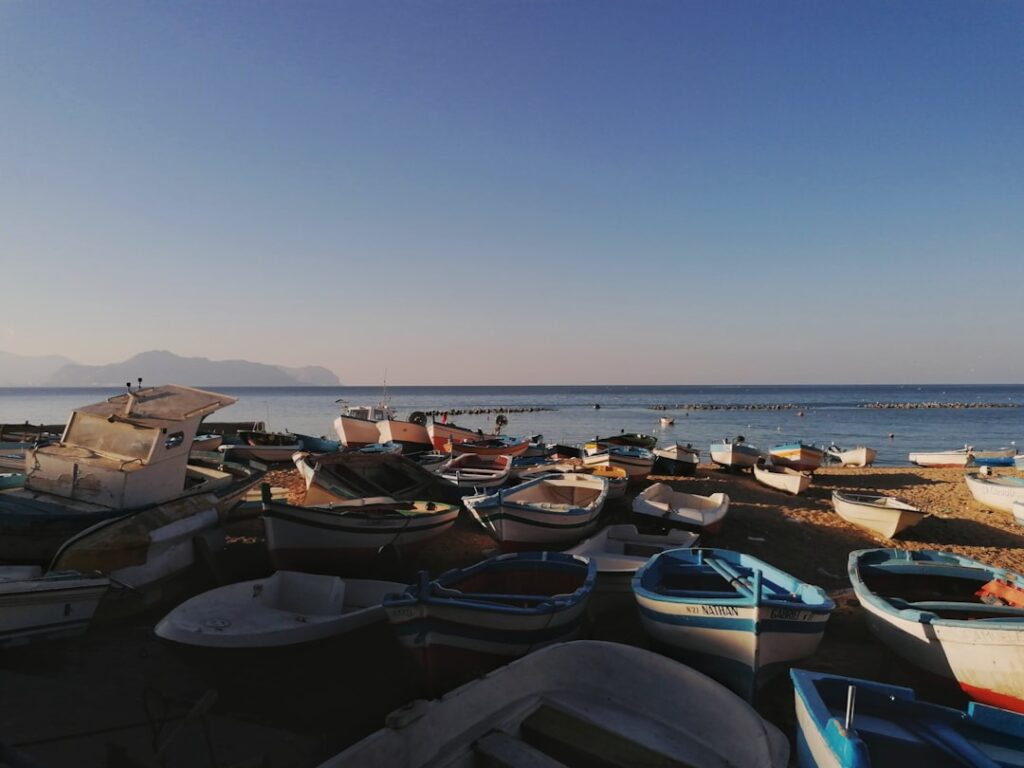
For photography, morning light when the sea mist lifts over the Cala is ideal. You’ll capture powerful shots of fishing boats and nets drying in the sun. Sunset paints red and gold reflections on the nearby baroque façades.
Recommended activities: guided port and rampart tours, tasting arancini and sfincione at the markets, boat trips to the Capo Gallo natural reserve (departures from the Cala depending on season). Ferry travelers should arrive at the terminal at least 90 minutes before boarding for baggage checks and formalities. If you need accommodation nearby, look at Hotel Porta Felice (Via Vittorio Emanuele, 64, 90133 Palermo PA) or budget B&Bs in the Kalsa neighborhood.
Porto Grande di Siracusa (Ortigia) — Ancient reflections and tides of history
Syracuse’s Porto Grande is split between the Marina and the old harbor of Ortigia. Indicative address: Piazza delle Poste, 96100 Siracusa SR for the main waterfront; the historic access runs along the Lungomare di Levante (Ortigia). Ortigia’s quays are dominated by Castello Maniace (Piazzale Castello Maniace, 96100 Siracusa SR) and the Cathedral of Syracuse (Duomo di Siracusa, Piazza Duomo, 96100 Siracusa SR) is just minutes on foot, creating a striking contrast between white baroque stone and deep sea blues.
Hours: the port and marina welcome pleasure craft and boat tours mainly from 08:00 to 20:00 in high season; Castello Maniace is typically open daily from 09:00 to 19:00 (times may change with the season). Prices: boat trips around Ortigia cost €25–60 per person depending on length (1–3 hours); renting a small boat without a license runs about €80–150 for a half day. Museum and guided tour fees in Ortigia usually range €8–15 for certain sites (check official sites for up-to-date rates).
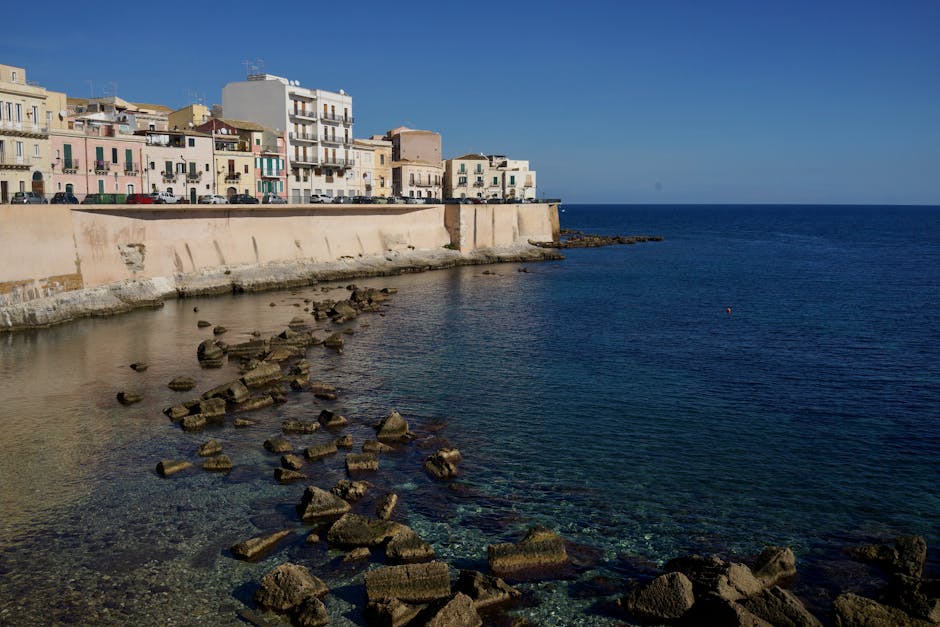
Ortigia’s charm lies in its lanes that open onto the sea, where window reflections on small canals create fleeting watercolor scenes. The Ortigia fish market (Piazza dei Duomi area mornings) is a morning ritual: buy fish there for a seaside lunch at one of the waterfront restaurants. For obsessives with cameras, the view of the Fonte Aretusa at first light, with papyrus and ducks on the basin, is unmissable.
Practical tips: park at Parcheggio Talete (Via Malta, 96100 Siracusa SR) at Ortigia’s entrance; daily rates roughly €10–15. If you plan to explore sea caves or go snorkeling, book through recommended local operators like Siracusa Boat Tours (found along the waterfront), confirm provided equipment and check weather conditions — trips will be canceled in rough seas. At mealtime, try Syracuse specialties: spaghetti with sea urchin if available, or parmigiana di melanzane at Don Camillo (Via Ruggero Settimo, 37, 96100 Siracusa SR — check opening times and reserve) for an authentic quay-side experience.
Porto di Catania (Stazione Marittima) — Etna watching over the quay
Catania’s port, centered on the Stazione Marittima di Catania, sits strategically at the foot of Mount Etna. Terminal address: Stazione Marittima di Catania, Via San Giuseppe la Rena, 95121 Catania CT. This modern terminal handles ferries and cruise ships, with strong traffic toward the Italian peninsula and Calabria. The historic center (Piazza del Duomo, 95131 Catania CT) is close enough for quick city excursions after disembarking.
Hours: Stazione Marittima coordinates operations with ferry arrivals; ticketing and passenger services are usually open from 05:00 to 22:00, but quays remain accessible 24/7 for embarkation. Indicative fares: Catania–Reggio Calabria crossings cost about €30–70 depending on season and category (vehicle + passenger pricing varies). Day trips to Etna (guided hikes of 4–8 hours) offered from Catania typically range €45–120 per person depending on itinerary (whether transfers, guide and equipment are included).
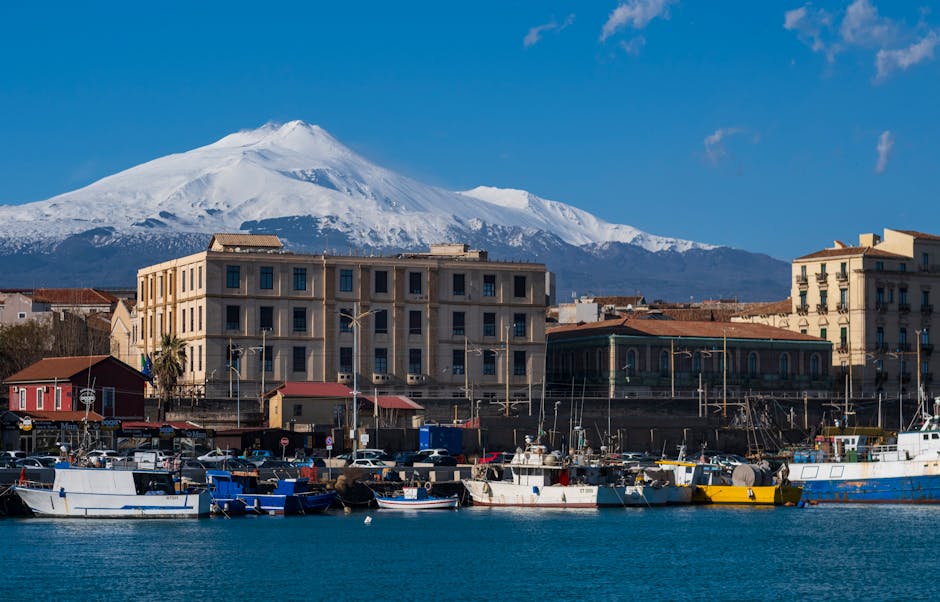
The sight of the volcano towering over the port is unique: Etna, sometimes topped by cloud or giving off a faint plume, provides a dramatic backdrop for photos of hulls and cranes. Stroll the Lungomare di Catania toward Via Etnea to feel the city breathe between markets and cafés. For a quay-side meal, Catania’s Pescheria (Piazza del Duomo, 95131 Catania CT) serves fresh fish and traditional stalls — try pasta con le sarde if offered, or a classic granita to cool off.
Practical tips: aim to arrive at the terminal at least 60–90 minutes before boarding. Official taxis line up in front of the Stazione Marittima; a ride to the historic center costs about €10–15 depending on traffic. If you plan to visit Etna, book a full day and bring warm clothing and hiking shoes (temperatures drop at altitude). For parking in the port area, use the parcheggio Stazione Marittima (Via San Giuseppe la Rena): daily rates roughly €10–20.
Porto di Trapani and Porto di Marsala — Salt pans, wind and island routes
The ports of Trapani and Marsala on Sicily’s west coast embody the island’s relationship with the sea and salt. Porto di Trapani (Via Ammiraglio Staiti, 91100 Trapani TP) is the main departure point for the Egadi Islands (Favignana, Levanzo, Marettimo). The Trapani–Favignana crossing by hydrofoil or ferry costs around €10–20 one-way depending on operator and season; schedules are frequent in high season (many departures daily from about 07:00 to 19:00), and less regular off-season.
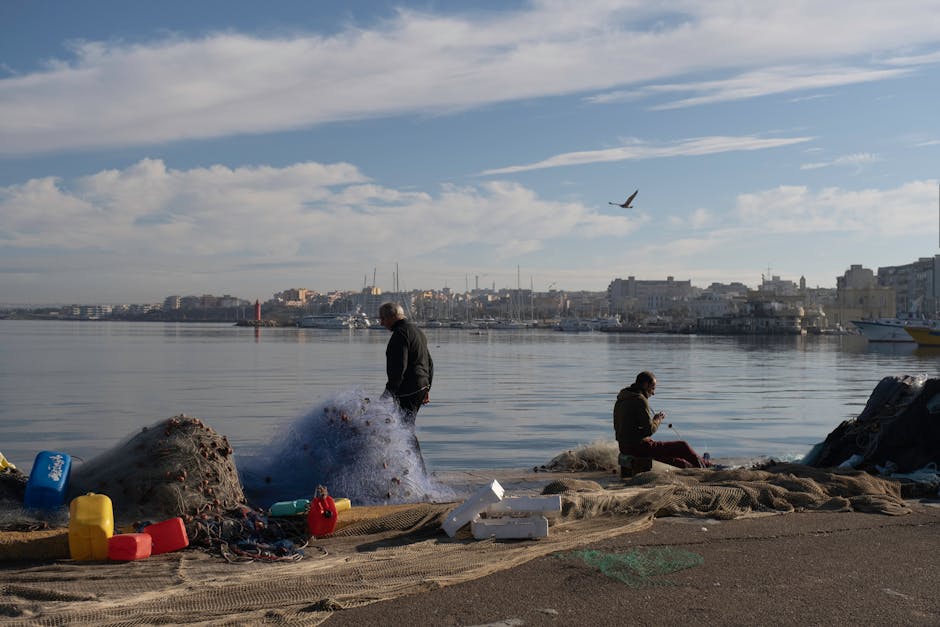
Trapani is also known for its winds — the mistral can shape the sea into fast waves, creating dramatic sailing scenes and influencing local fishing. Nearby, the Museo Regionale Agostino Pepoli (Piazza Vittorio Emanuele, 91100 Trapani TP) dives into local history. To park before a crossing, use Parcheggio Porto di Trapani (Via Ammiraglio Staiti): expect around €8–15 per day depending on spot.
Marsala’s harbor (Via Garibaldi, 91025 Marsala TP) is more intimate, famed for its vineyards and Marsala wine tradition. From Marsala you can also take excursions to the Saline di Trapani e Paceco — an expanse of salt pans, windmills and migratory birds. Guided saltworks tours with tastings and harvest demonstrations cost about €10–25 per person. The Museo Baglio Anselmi (Via Giuseppe Garibaldi, 36, 91025 Marsala TP) and Marsala’s old wine cellars (around Via Roma) offer wine tastings (three-wine tastings typically €8–20 depending on the cellar).
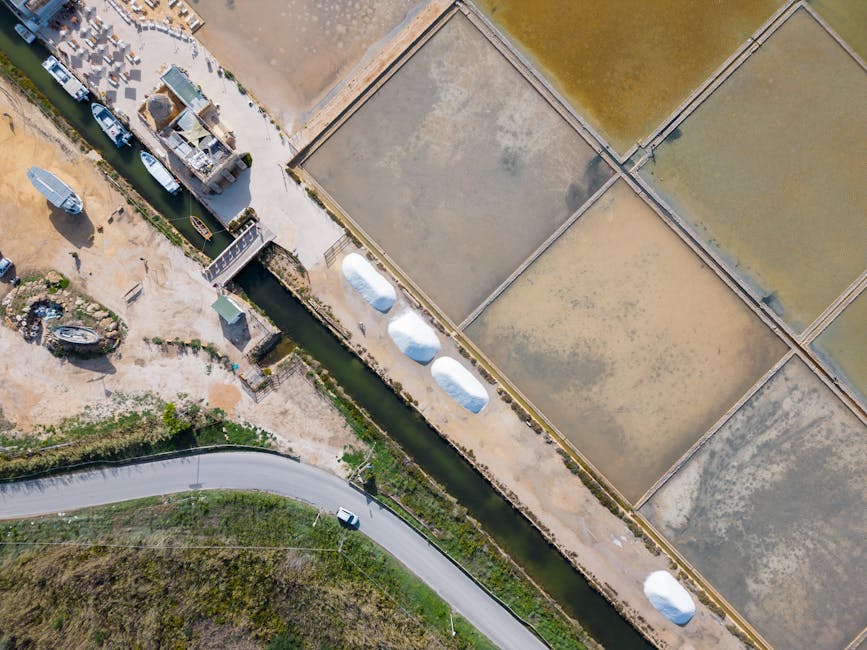
Tips for Trapani and Marsala: book Favignana tickets early in high season (July–August); leave early to avoid crowds and enjoy translucent waters. For the salt pans, bring binoculars for flamingo and birdwatching; wear a hat and carry water — there’s little shade and the sun is strong. Recommended harbor restaurants in Trapani for seafood include Osteria dei Sapori (Via Torrearsa area — check opening) and in Marsala, La Bettolaccia (Via XI Maggio) for local specialties — budgets vary; seafood dishes roughly €15–30 per person.
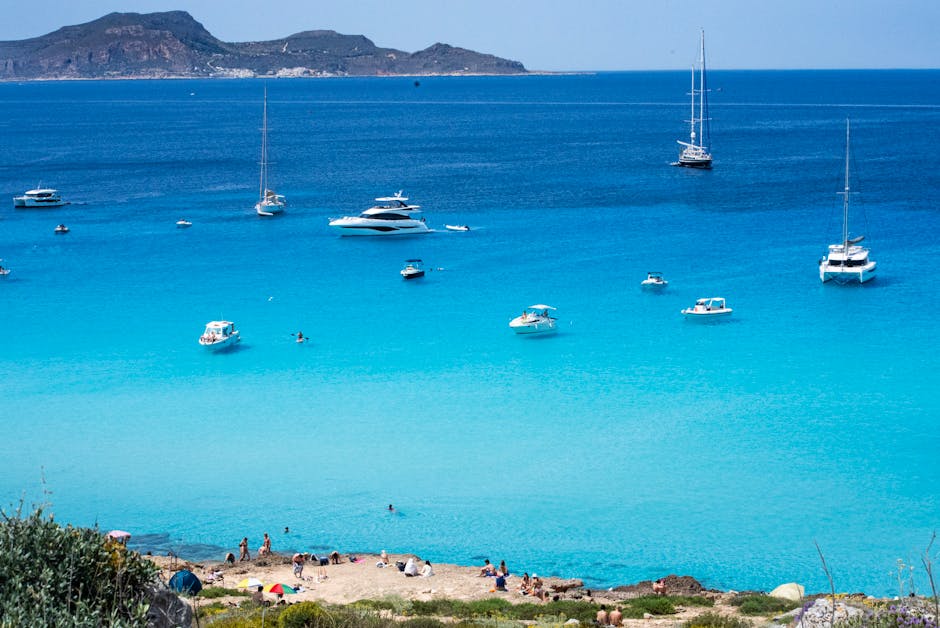
If you plan a combined itinerary, consider pairing Trapani (for the islands) with Marsala (for wine and salt pans) over a day trip or weekend. Distances are short but experiences are rich: sailing, diving, tastings and photography of the salt tones and twilight reflections.
Porto di Messina — Ferry crossroads and Byzantine echoes
Porto di Messina (Calata San Francesco, 98122 Messina ME) is a hub for connections between Sicily and the Italian peninsula. Ferry traffic to Villa San Giovanni and Reggio Calabria is heavy with frequent rotations. Hours: ferries operate day and night as needed; ticket offices and passenger access windows are often open from about 06:00 to 22:00. Prices: Messina–Villa San Giovanni crossings cost roughly €20–50 for a foot passenger, and €50–120 for vehicle plus passengers depending on season and carrier (Caronte & Tourist, Bluvia, etc.).
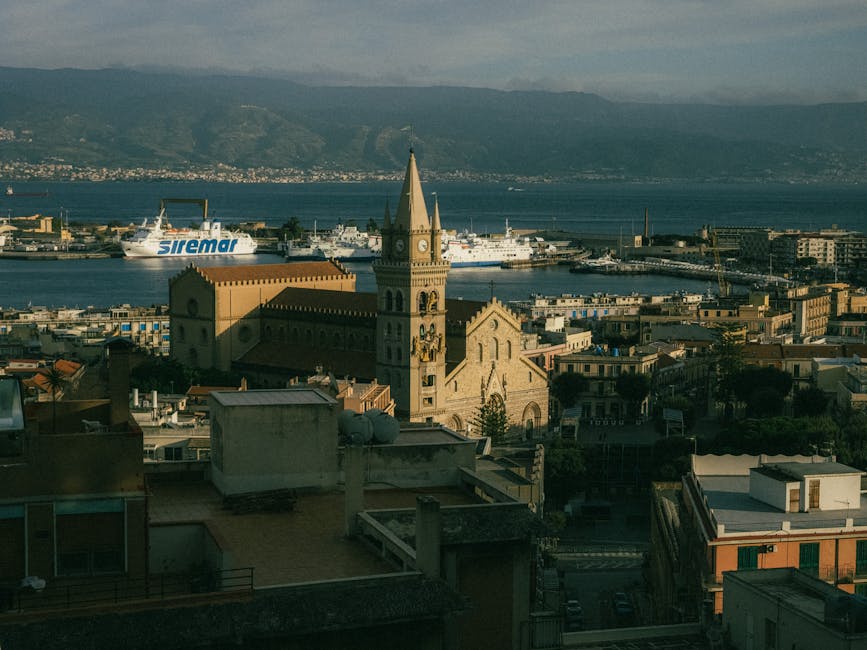
Messina’s port offers spectacular views of the Strait of Messina, where currents and tides create remarkable marine phenomena. Nearby is the Cathedral of Messina (Piazza Duomo, 98122 Messina ME) with its famous astronomical bell tower; the Passeggiata a Mare (Lungomare del Tirreno) is perfect for a stroll after disembarking. For an authentic snack hunt out a rosticceria or a bar-pasticceria on Via Garibaldi.
Practical tips: for crossings to the peninsula arrive at least 60–90 minutes early to speed up vehicle embarkation and checks. Official taxis stand by Calata San Francesco; rides to the center and Messina’s main train station usually cost €8–15. If you’re stopping longer, Parcheggio Porto (Calata San Francesco) offers daily parking with rates around €8–20 depending on season. Beware of pickpockets in crowded tourist areas — keep documents and valuables on your person and out of sight.
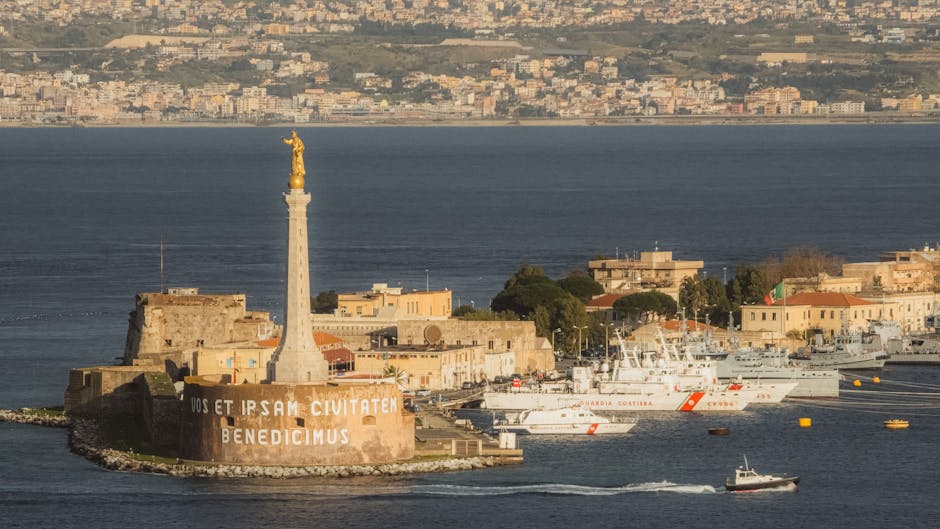
For architecture fans, combine a cathedral visit with the Museo Regionale (Piazza XX Settembre, 98122 Messina ME) to understand the city’s layers of Byzantine, Aragonese and baroque influences. Sunsets over the strait are among Sicily’s finest: find a spot on the port promenade and let the sky’s colors mingle with the channel’s reflections.
Practical general tips for visiting Sicilian ports
1) Always check schedules and fares online before you travel: ferry companies (Grandi Navi Veloci, Tirrenia, Caronte & Tourist, Liberty Lines, ATM, Siremar) change timetables frequently according to season and weather. 2) Arrive early for embarkation: 60–120 minutes depending on season and vehicle size. 3) Photographers should favor the golden hour at dawn and dusk for warm colors and water reflections. 4) For eating at the port: look for places labeled « pescheria » or « osteria di mare » for guaranteed freshness; a typical meal costs €15–35 per person depending on the restaurant level.
5) Security and parking: use official calata parking lots and avoid leaving valuables visible in your car. Prefer parking with barriers and surveillance if you’re taking a ferry for several days. 6) Language and communication: Italian is the primary language; English is more common in larger cities and among tourist operators, but learning a few Italian phrases (greeting, thank you, asking the price) helps a lot.
7) Environmental respect: sort your waste where bins are provided and avoid single-use plastics on sea excursions. 8) Weather conditions: the sea is generally calm in summer, but winds like the Scirocco or the mistral can make crossings rough — check with carriers before buying tickets. 9) Reservations: in high season (July–August, local religious festivals) book accommodation and ferry tickets in advance.
Conclusion — Sea spray, reflections and the memory of the quays
Seeing Sicily through its ports means accepting a rhythm measured by tides and shifting light. Quays are living museums where every stone and every prow tells a story of trade, migration, conquest and shared meals. From Palermo to Messina, via Catania, Trapani, Marsala and Ortigia, the ports offer as many faces as there are ways of life: noisy markets, industrial ferries, welcoming small marinas, and panoramas where the horizon always seems to promise another island, another journey.
On the ground, the addresses and times listed here are your guideposts, but Sicily’s real riches lie in the unexpected: a fisherman offering you a home-cooked plate, a sunset turning an ordinary quay into a baroque scene, or a ferry deck song that conjures old myths. The prices given help you budget realistically, while reminding you that there are always cheaper and more luxurious options depending on your mood. The practical tips — arrive early, secure your vehicle, book in high season, check marine forecasts — will help you make the most of each stop while minimizing stress and maximizing discovery.
Finally, the beauty of Sicilian ports may be their ability to hold past and present together: ancient cobbles alongside modern cranes, Christians, Muslims and merchants from Europe and Africa all leaving traces, and today the sea still bringing visitors, goods and stories. Embark, let the spray and reflections carry you, and take home as a souvenir the salty taste of the open sea and the image of a port where the world meets and tells its tales.