



Introduction — Palermo in Celebration: Santa Rosalia, Processions and Miracles
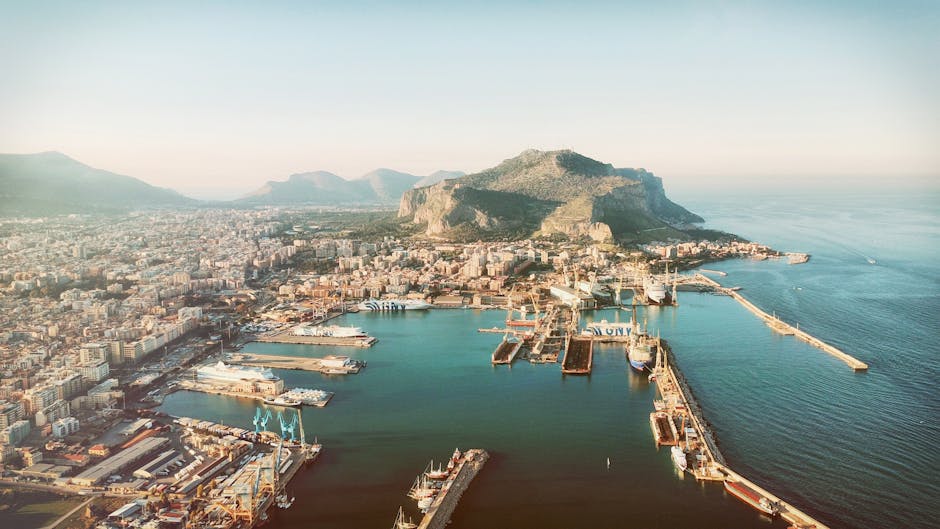
Palermo, Sicily’s historic capital, turns every summer into a stage of faith, music and lights to honor Santa Rosalia — the city’s patron saint, credited with saving Palermo from a 17th-century plague. The « Festino di Santa Rosalia, » which traditionally peaks around July 14–15, is far more than a religious feast: it’s a unique blend of popular devotion, age-old rituals, baroque processions, spectacular fireworks and civic and artistic events that draw tens of thousands of locals and visitors from abroad. This celebration highlights the deep bond between Palermo’s identity and the miraculous protection attributed to Santa Rosalia, and it’s a rare chance to see Sicilian sacred architecture, intangible heritage and customs alive and in motion.
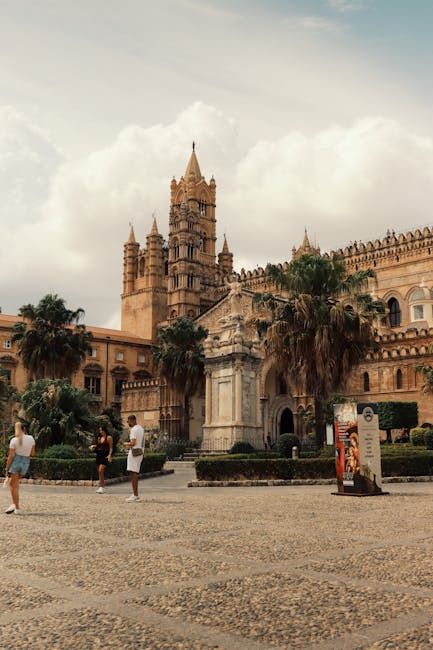
At the heart of the ritual are two unmissable places: the Cattedrale di Palermo (Piazza del Duomo, 1, 90134 Palermo PA, Italy), where the saint’s relic is venerated, and the Santuario di Santa Rosalia on Monte Pellegrino (Via Pellegrino, 120, 90149 Palermo PA, Italy), a pilgrimage site with breathtaking views over Mondello Bay. The processions that come down from the sanctuary into the city, accompanied by religious brotherhoods, brass bands, costumed faithful and thousands of lanterns, form the living core of the Festino. Stories of miracles — sudden healings, protection in storms, prayers answered — circulate freely and reinforce the collective fervor.
This practical, professional guide offers a detailed immersion into the practices, locations, schedules, access costs and local tips to enjoy Palermo’s festivities with ease. We describe the main events, procession routes, recommended viewing spots, museums and churches to visit alongside the festival, and logistical tips (transport, safety, ticketing and best arrival times). Whether you’re a pilgrim, a culture buff or a food-focused traveler, you’ll find practical information to plan your stay: how to reach Monte Pellegrino, where to watch the relic pass by, the festival’s highlights (solemn mass, cavalcade, fireworks), and how much to budget for visits and transport. This guide also emphasizes the human side of the celebration — the songs, floral offerings, street stalls and local culinary traditions — and offers advice on how to respect sacred places while enjoying the popular buzz.
History, Legends and Miracles: Understanding Santa Rosalia
Santa Rosalia (Santa Rosalia di Palermo, affectionately called La Santuzza) stands at the center of a story rich in history and miracles that explains the origin of her cult and the birth of the Festino. According to tradition, Rosalia — born around 1130 into a noble Palermo family — withdrew to a hermit life on Monte Pellegrino to live in penance. In the 17th century, when the plague devastated Palermo (1624–1625), an apparition indicated to authorities where the saint’s remains lay. The discovered relics were carried in procession through the city; as the story goes, the plague subsided soon after, and Santa Rosalia was proclaimed Palermo’s protector. Since then, the saint is invoked whenever the city faces calamity, and many faithful still attribute healings and protection to her intercession.
The miracles linked to Santa Rosalia are also visible in the iconography and the ex-votos that cover the interior of the Santuario di Santa Rosalia (Via Pellegrino, 120, 90149 Palermo PA). Stained glass, paintings and hundreds of ex-votos — written thank-you notes, small objects and relics left in offering — tell individual stories of recoveries, rescues at sea and prayers answered. The cult became institutionalized with solemn processions, confraternities (such as the « Vara » and the « Cavalcata ») and a precise liturgical calendar: the central period is July 14–15, often preceded by a novena (nine days of prayer) leading up to the main celebrations.
The festival mixes religious and folk elements: you’ll hear traditional songs (the « canti della Santa »), see street theatre, find stalls selling local comfort food (panelle, arancine, sfincione) and enjoy concerts. It’s also a political and social moment — local authorities, religious leaders and cultural associations take part in the ceremonies, and the city frequently organizes artistic events and illuminations. For visitors, knowing this history helps you appreciate both the solemn moments of reflection and the warmth of the popular festivities. The ecclesiastical authorities and Palermo’s municipality publish the annual program; it’s wise to check official sources (Comune di Palermo — Piazza Pretoria, 90134 Palermo PA; Archdiocese of Palermo) for updates.
Routes and Key Sites to Visit During the Festino
To follow the festival well, identify some fixed reference points: the Cattedrale di Palermo (Piazza del Duomo, 1, 90134 Palermo PA), the Santuario di Santa Rosalia (Via Pellegrino, 120, 90149 Palermo PA), Via Maqueda and Piazza Vigliena (Quattro Canti), as well as the route made sacred by the procession. The Cattedrale di Palermo is open daily — indicative hours: 7:00–12:30 and 14:30–19:00; entry to the necropolis and cathedral is free, but access to the terraces (roofs) and the Duomo museum is paid: combined ticket around €10–€12. Exact address: Piazza del Duomo, 1, 90134 Palermo PA.
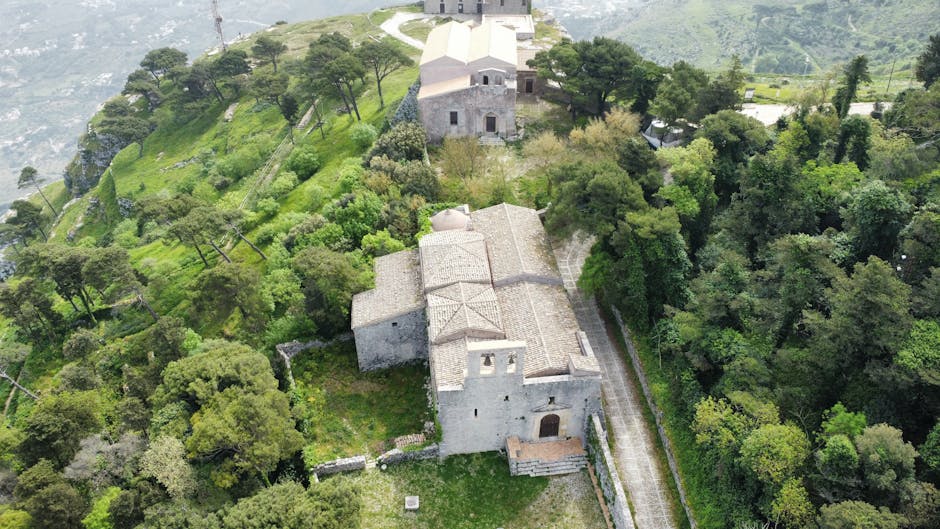
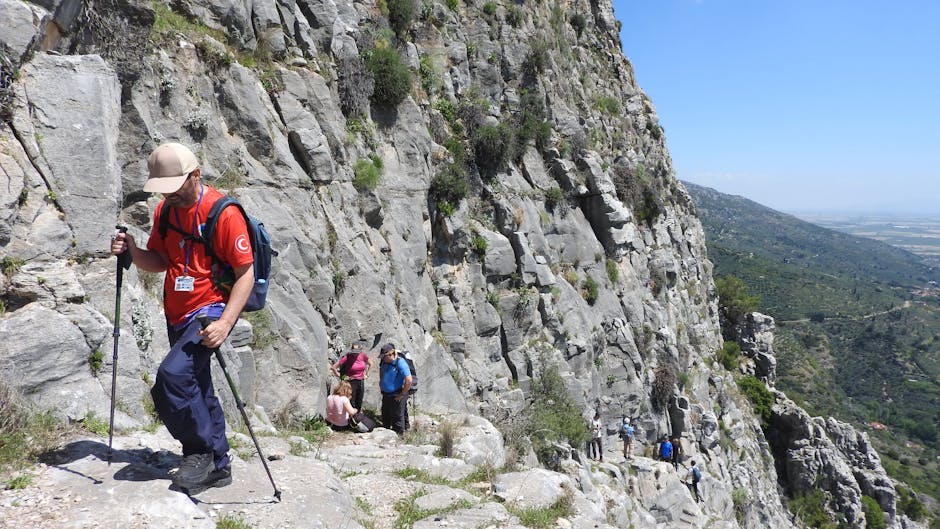
The Santuario di Santa Rosalia on Monte Pellegrino is reachable by a panoramic road or by a hiking path (the traditional pilgrimage route). Address: Via Pellegrino, 120, 90149 Palermo PA. Hours: usually 8:00–19:00 in summer (times vary with season and ceremonies). Access is free; voluntary contributions help with upkeep. By public transport, take AMAT bus line no. 812/806 (check numbers and seasonal timetables) or special shuttles during the Festino: standard city ticket roughly €1.50 (AMAT ticket valid 90 minutes). If you prefer a taxi, the trip from the center (Piazza del Duomo) takes about 20–30 minutes, costing approximately €20–€30 depending on traffic.
Other places worth knowing: the Archivio Storico di Palermo (Via Maqueda, 169), the Chiesa di Santa Maria dello Spasimo (Piazza dello Spasimo, 1), and the Marina di Palermo (Via dell’Emiro, 90133 Palermo PA) for fireworks vantage points. The official route of the relic often crosses historic neighborhoods (Kalsa, Castellammare) and goes along Via Maqueda and Corso Vittorio Emanuele. To pinpoint exact procession times and avoid the busiest crowds, note that the « Vara » (the votive machine) and the statue-relic usually leave in procession on the night of July 14 and are brought back on the 15th; the solemn departure often starts at the Sanctuary in the afternoon to reach the cathedral in the evening, but schedules can vary each year.
Typical Program, Timings and Costs During the Festino
The Festino’s official program shifts slightly year to year, but a common structure repeats: days of the novena, solemn mass, night procession, historical cavalcade and a grand fireworks display. Here’s a practical sample itinerary to help plan your visit (always double-check times and tickets on official sites for the current year):
- July 9–13 (novena): morning and evening services at the Santuario di Santa Rosalia; typical mass times around 8:00, 10:00 and 18:00. Participation is free.
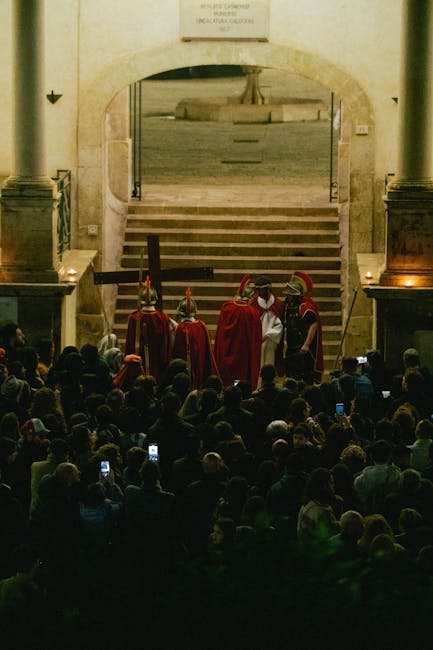
- July 14 (Festino eve): late afternoon departure from the Santuario di Santa Rosalia (around 17:00–19:00) for the procession descending to the city; arrival at the Cattedrale di Palermo is expected in the evening (21:00–23:00). There are stations and prayers at several points along the route. Free access, though reserved zones may be cordoned off.
- July 15 (solemn mass): Pontifical Mass at the Cattedrale di Palermo, often celebrated around 10:30–12:00, followed by a daytime procession. Open to the public; arrive early to secure a place.
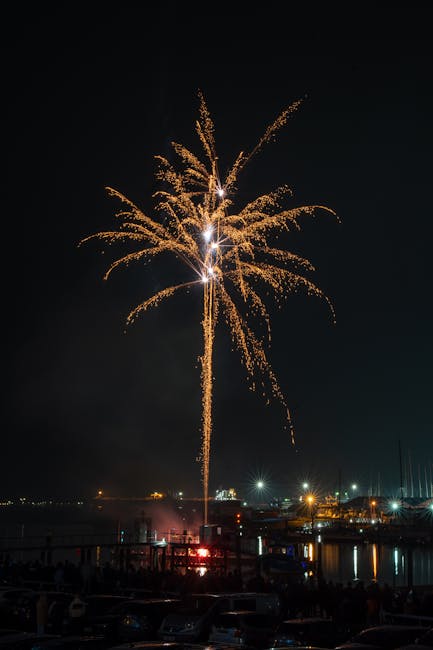
- July 15 (evening): Grand fireworks show on the Marina di Palermo (Via dell’Emiro) or launched from barges at sea, usually around 23:00–23:30. Waterfront access is free; VIP areas and ticketed stands are sometimes organized by the municipality (prices vary, e.g. stands starting from €25).
Costs to budget for:
- AMAT bus: single ticket about €1.50 (valid 90 minutes). Reduced fares for students and seniors may apply.
- Taxi from the center to Monte Pellegrino: €20–€30 (daytime estimate).
- Cattedrale entry (full visit with terraces and museum): roughly €10–€12 per adult; reduced rates for youth and seniors.
- Street food: portions of arancina, panelle, sfincione: €2–€6 depending on the stall.
- Fireworks grandstand (if available): from €25 for a seated spot; waterfront viewing is free without reservation.
Logistics tips: arrive 1–2 hours before key moments (procession and fireworks) to secure a good spot, especially if you’re with family. If you plan to hike up to the Santuario, wear comfortable hiking shoes — the path can be rocky — and bring water (July can be very hot). Buses and special shuttles during the Festino are often packed: buy tickets in advance or expect to queue. Also keep copies of your documents and a portable charger: mobile coverage can get spotty in crowded areas.
Immersive Experience: Rites, Brotherhoods, Music and Food
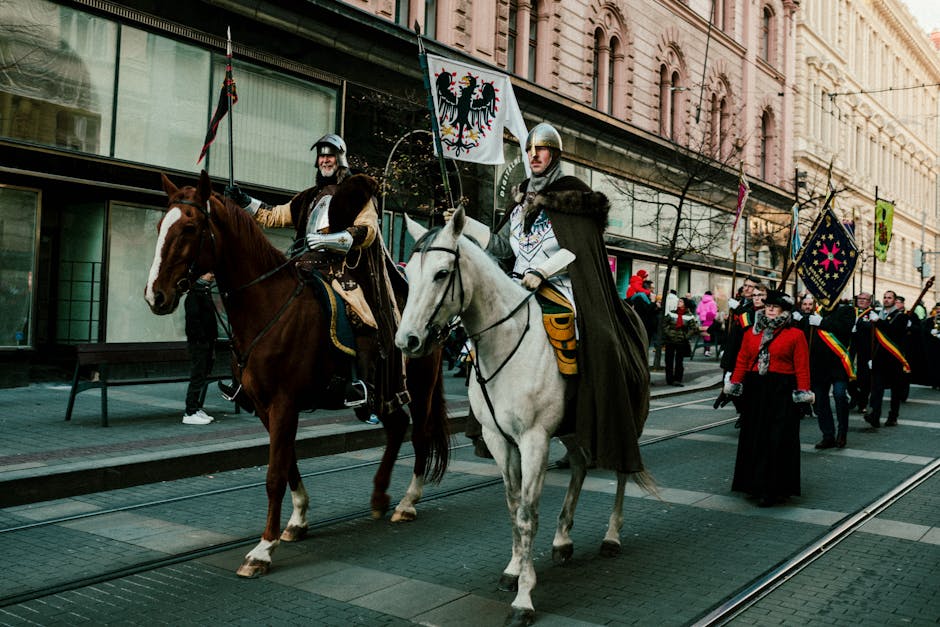
Experiencing the Festino means diving into a sequence of sensory moments: the procession is driven by drums, brass bands and liturgical chants, while baroque brotherhoods carry the statue-relic on ornate, heavy platforms. The Cavalcata di Santa Rosalia (the historical horse parade) is one of the most photogenic events: riders in period costume, flags, and popular songs that retell the saint’s legends. Local confraternities, often identified by colorful banners, run neighborhood processions that converge on the main arteries. Attending these is a great way to see how faith and civic identity are intertwined.
Food plays a central role: streets are lined with stalls and tiny shops offering Palermo specialties. Must-tries include:
- Arancina (arancina al ragù or al burro): fried rice ball, €2–€4 depending on size.
- Panelle (chickpea-flour fritters): served in a « pani ca’ meusa » or as a sandwich, €2–€3.
- Sfincione (the ancestor of pizza): slice €2–€4. Seek out historic bakeries, for example Antico Forno delle Sfincione on Via Maqueda (check the exact address locally).
- Cassata siciliana and cannoli: essential desserts, €2–€5 each depending on the pastry shop.
Music and street arts accompany the festival: municipal orchestras, folk groups and contemporary DJ sets light up the main squares at night. If you’re after a spiritual immersion, join services at the Cattedrale to hear the choirs (vespers and mass times on the Archdiocese of Palermo website). For cultural events, consult Palermo’s cultural program (Comune di Palermo, Piazza Pretoria 1); temporary exhibitions and theater performances are often scheduled around the Festino.
Practical Tips, Safety and Respecting Traditions
A successful visit to the Festino requires some planning and respect for local religious practices. Here are concrete tips:
- Arrival and accommodation: book early — hotels and B&Bs in the historic center (Kalsa quarter, Via Maqueda, Corso Vittorio Emanuele) fill up fast. Indicative prices: a standard double room €80–€150 per night in high season. For a more authentic stay, choose lodging close to Piazza Bellini or Mercato del Capo.
- Safety: keep personal items secure — pickpockets may take advantage of crowds. Use an inner pouch or travel belt. Don’t leave bags or devices unattended in open bars.
- Clothing and gear: light clothes, hat, sunscreen and a water bottle; sturdy shoes for Monte Pellegrino. If attending religious services, dress respectfully (shoulders and knees covered).
- Religious respect: avoid loud behavior inside churches and sanctuaries; ask before photographing indoors and respect areas reserved for clergy.
- Transport: favor public transport or walking to avoid congestion; taxis are available but pricier during peak times. If you rent a car, park outside the historic center and use festival shuttles.
- Budget and tipping: cash is still common for small purchases; keep small bills (€5, €10, €20). It’s customary to leave a small tip for guides and taxi drivers (5–10% depending on the service).
If you want a deeper spiritual experience, contact local parishes or tourist offices to join neighborhood processions, which are often less crowded and more intimate. Finally, respect the environment: don’t litter and favor reusable containers — Palermo’s city hall often runs cleanliness and recycling initiatives during events.
Useful Information and Contacts
– Comune di Palermo (town hall): Piazza Pretoria, 1, 90134 Palermo PA. Official website: comune.palermo.it (check the annual program).
– Archdiocese of Palermo: Palazzo Arcivescovile, Piazza Duomo, 90134 Palermo PA. For mass times and procession confirmations: contact the Curia. Phone: +39 091 328 911.
– Santuario di Santa Rosalia (Monte Pellegrino): Via Pellegrino, 120, 90149 Palermo PA — usually open 8:00–19:00 in summer; free access.
– Cattedrale di Palermo: Piazza del Duomo, 1, 90134 Palermo PA — cathedral and museum visits possible, tickets approx. €10–€12; opening hours 7:00–12:30 and 14:30–19:00 (seasonal hours).
– AMAT (transport): ticket purchases and city route info, single ticket approx. €1.50 valid for 90 minutes; check special Festino lines on amat.pa.it.
Conclusion — Why Experience the Festino of Santa Rosalia in Palermo
Taking part in the Festino di Santa Rosalia gives you access to an essential side of Palermo’s soul: a community that weaves together folklore, devotion and collective memory around a figure credited with saving the city. The festival delivers a full-on spectacle — solemn processions, baroque brotherhoods, music, street markets and grand fireworks — while keeping an intimate side through quiet moments of reflection in sanctuaries and the ex-votos that tell stories of transformed lives. For visitors, it’s a unique opportunity to see Sicily not just as a tourist backdrop but as a people gathering to pray, give thanks and celebrate.
Practically speaking, prepare your trip by checking the official municipal and archdiocesan programs; book accommodation and transport well in advance, and plan viewing spots for the key moments (the descending procession, the solemn mass, the fireworks). Bring comfortable shoes for the climb to the Santuario di Santa Rosalia, carry water and protect yourself from the sun. Respect the rituals and sacred spaces, be discreet during services, and don’t hesitate to speak with locals: their hospitality and miracle stories are a precious part of the experience.
Ultimately, whether you’re devout, a history lover, a photographer after vivid scenes, or a curious foodie, Palermo celebrating Santa Rosalia is a multi-layered experience that will stay with you. You’ll leave with striking images — the statue carried beneath the stars, ex-votos glinting in candlelight, the sunset panorama from Monte Pellegrino — and above all, the feeling of having witnessed a city that celebrates its protector with fervor, creativity and warmth. Buon viaggio e buona festa a Palermo!