





Introduction — Sicilian carnivals: a festival of color, masks and the dolce vita
Sicily is an island that breathes history, passion and celebration. Among its many popular traditions, Carnival holds a special place: it blends folklore, social satire, music and a baroque flair that feels uniquely Mediterranean. Sicilian carnivals aren’t a single uniform event; each town and village reinvents the party according to its own customs. Giant allegorical floats, masked troupes, embroidered costumes and brass bands fill the squares and streets while locals and visitors share sweet local treats like chiacchiere and frappe.
This practical guide offers a sensory immersion into some of the island’s most famous carnivals: Acireale, Sciacca, Palermo and Ragusa Ibla, among others. The aim is twofold: to help travelers plan their visit (exact addresses, typical schedules, approximate prices) and to provide vivid descriptions so you can catch the atmosphere of each celebration. You’ll also find local tips — what to wear, how to avoid crowds, which culinary specialties to taste and how to get the most out of daytime and nighttime parades.
Carnival in Sicily mainly takes place during the lead-up to Lent (usually in February or early March), but rehearsals, costume workshops and pre-parties often start earlier. The city’s main squares become impromptu stages: Piazza Duomo in Acireale, Viale della Vittoria in Sciacca, Piazza Castelnuovo in Palermo or the loggia and baroque streets of Ragusa Ibla. Major events are generally free to the public, though some VIP areas and paid grandstand seats can be sold for a more comfortable view — expect prices in the region of €10–€25 depending on location.
Before diving into each carnival, keep a few practical rules in mind: arrive early for a good spot, carry some cash (street vendors don’t always take cards), dress in layers as evenings can be chilly, and respect local customs (for example, don’t throw water on participants unless it’s part of the event). This guide provides practical information, addresses and typical schedules, atmospheric descriptions and local advice so you can fully enjoy Sicily’s carnival dolce vita.
Acireale — Baroque masks on Piazza Duomo
The Carnevale di Acireale, often regarded as one of Sicily’s most beautiful, is known for its monumental floats, refined costumes and an ever-present baroque aesthetic that echoes the city’s facades. The heart of the festivities is around Piazza Duomo (Piazza Duomo, 95024 Acireale CT, Italy) and Corso Umberto I. The main parades take place on Sundays and public holidays during the two weeks before Mardi Gras, usually between 2:00 PM and 7:00 PM, with special evening events running until 11:00 PM. Exact dates change each year according to the liturgical calendar; check the official Comune di Acireale website for the up-to-date program.
Access to most outdoor parade areas is free. However, paid grandstands along the main route (Tribuna Centrale, Corso Umberto I) offer tickets ranging from €12 to €25 depending on the spot for gala days. Costume workshops and displays of the carrozze are often visible in municipal halls and at Villa Belvedere (Via Vittorio Emanuele, 95024 Acireale CT); some of these events may require a small entrance fee (€3–€8).
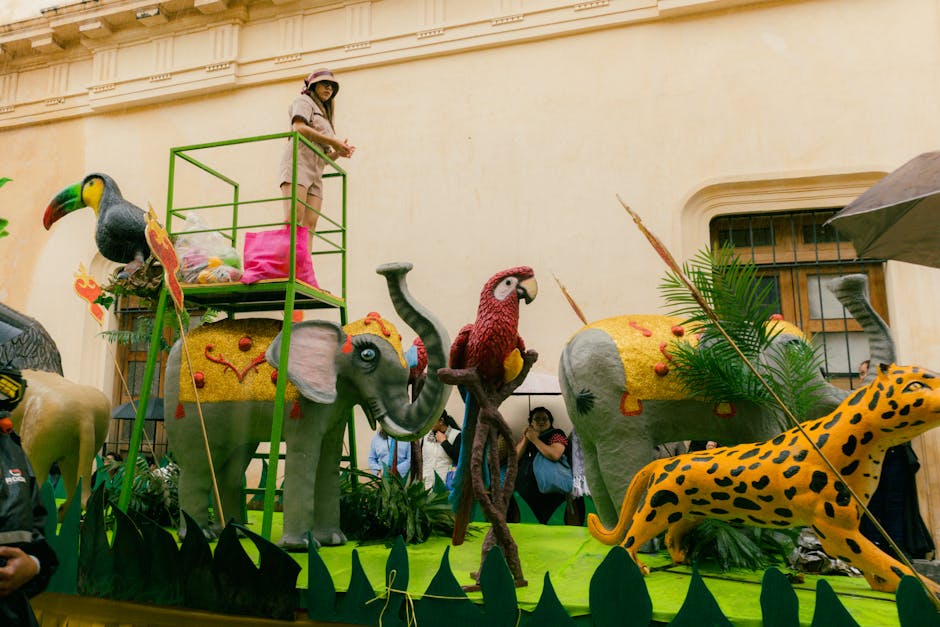
The vibe in Acireale is at once solemn and joyful: masked groups perform short scenes of social satire while the floats, often crafted by local artisan workshops, explore mythological, political or purely fanciful themes. For a practical itinerary: arrive before 1:00 PM if you want a good spot near the cathedral, wear comfortable shoes for walking on cobbles, and don’t miss tasting cassatelle and cannoli from the stalls around Piazza Duomo. Acireale train station (Piazza Stazione, 95021 Acireale CT) is under 15 minutes’ walk from the center, and city buses drop you near Corso Umberto I.
Sciacca — Tradition, satire and popular revelry in the heart of Agrigento
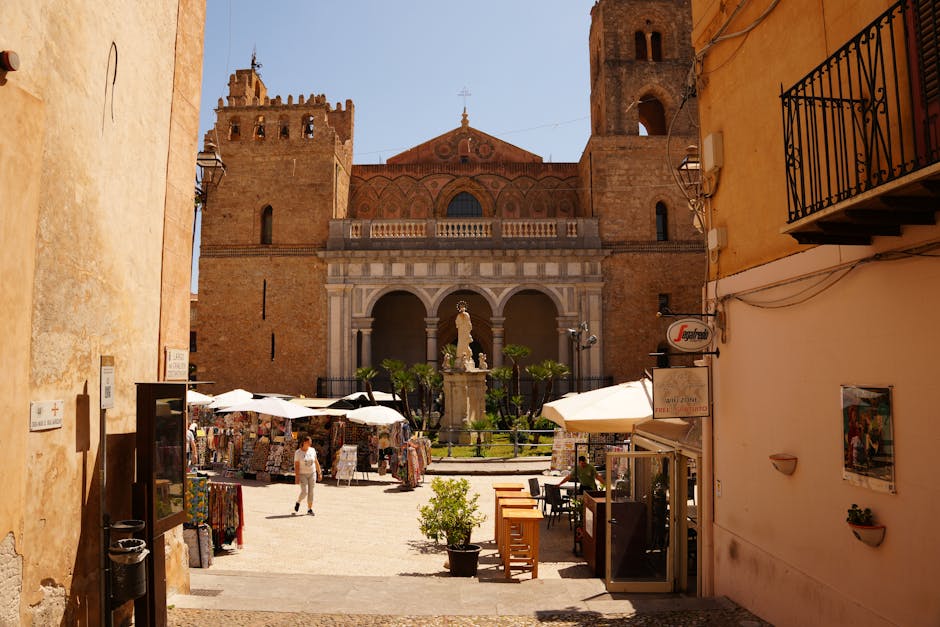
The Carnevale di Sciacca, in the province of Agrigento, is famous for its popular spirit and age-old traditions. The focal points are Viale della Vittoria and Piazza Scandaliato (Viale della Vittoria, 92019 Sciacca AG, Italy; Piazza Scandaliato, 92019 Sciacca AG). Parades mainly take place on Sundays and on Carnival Sunday between 3:00 PM and 8:00 PM, with related evening events. Public entry is free in most open areas, while some themed events or concerts may require a ticket (€5–€20 depending on the artist).
In Sciacca the celebration retains a strong theatrical and satirical edge: masks often caricature local authorities or political situations, delivered in a lively, popular tone. Local folk troupes (commissariati) march in traditional costume and perform dances and songs in Sicilian dialect. For visitors, it’s an immersive experience: the air is filled with the smell of fried fish and sweets, stalls sell arancini, sfingi and local wine by the pitcher. For tourist information, visit the Ufficio Informazioni Turistiche, Piazza Scandaliato, 92019 Sciacca AG, typically open 9:30 AM–1:30 PM and 3:30 PM–6:00 PM during Carnival.
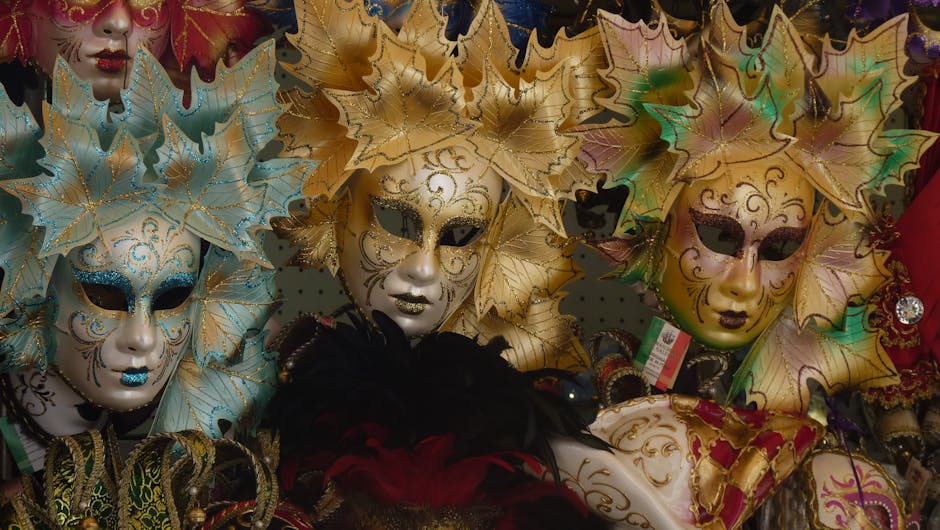
Practical tips: arrive at least an hour before the parade to avoid slowdowns, steer clear of areas too close to moving floats if you’re with children, and use small protective covers for cameras in case of rain or flying confetti. Wearing masks or costume elements is encouraged; many local artisans sell traditional masks in the alleys near the harbor.
Palermo and Ragusa Ibla — Two sides of Carnival: a cosmopolitan city and a baroque gem
Palermo, the regional capital, and Ragusa Ibla, a baroque jewel, offer two distinct takes on Carnival. In Palermo, main events center on Piazza Castelnuovo (Piazza Castelnuovo, 90139 Palermo PA, Italy) and the Cassaro (Via Vittorio Emanuele). Activities run across several weekends with concerts, parades and themed nights. Many events are free; however, shows at Teatro Massimo (Piazza Verdi, 90138 Palermo PA) require tickets (€10–€50 depending on the program). Parade times are usually 3:00 PM–8:00 PM for afternoons, with concerts often from 9:00 PM to midnight.
Palermo blends modernity and tradition: you’ll see international influences in costumes and music, while Sicilian tradition remains strong in the folk troupes and street food — panelle and pane con la milza are must-tries. For tourist information, the Ufficio Turismo Palermo (Piazza Vigliena 1, 90133 Palermo PA) is a good starting point and is usually open from 9:00 AM to 6:00 PM.
Ragusa Ibla offers a more intimate, historic experience. Its narrow streets and baroque facades form a naturally theatrical backdrop for parades. Events take place around Piazza Duomo (Piazza Duomo, 97100 Ragusa RG, Italy) and Giardino Ibleo (Giardino Ibleo, 97100 Ragusa RG). Parades here are often more artisanal, with a strong focus on local tradition and mask workshops. Parade access is free; small exhibitions or gala dinners organized by local associations may charge between €15 and €40.
Specific tips: in Palermo, favor public transport and park-and-ride stops (for example the central station) to avoid traffic jams. In Ragusa Ibla, opt for comfortable shoes because of the cobbles and allow time to climb the stairs between viewpoints. In both cities, respect areas reserved for performers and avoid using flash photography during nighttime performances.
Practical tips, itineraries and budget to make the most of Carnival
Planning a Carnival trip in Sicily requires a few simple precautions. First, always check official dates published by local tourist offices: programs can change year to year. A sample four-day itinerary might include: arrive in Catania, head to Acireale for Sunday’s parade (full day), transfer to Sciacca for a more popular experience (second Sunday), then extend your stay in Palermo or Ragusa Ibla depending on your taste.
Estimated budget: parade access is largely free. Still, budget for:
– Accommodation: €60–€150 per night for a 3–4 star hotel in city centers during Carnival.
– Food: a meal in a local trattoria €15–€30 per person; street food €3–€8.
– Grandstands/VIP seats: €10–€25 for a reserved spot at major parades.
– Local transport: city buses €1.20–€1.50 per ride; regional trains Catania–Acireale €1.50–€3.00 depending on distance.
Hours and practical advice: daytime parades usually start between 2:00 PM and 4:00 PM and end around 7:00 PM–8:00 PM. Carnival evenings often run until 11:00 PM–1:00 AM. Local tourist offices (Ufficio Turistico) have variable hours but are often open 9:00 AM–1:00 PM and 3:00 PM–6:00 PM during Carnival. Bring a reusable water bottle, protect your devices from confetti and color powders, and carry cash for market and stall purchases.
One last local tip: strike up conversations with mask makers and members of folk troupes — they love telling the story behind their costumes and sharing a few crafting secrets. Taking part in a mask workshop or a rehearsal can turn a simple sightseeing visit into an unforgettable memory.
Conclusion — The spirit of Sicily’s Carnival: between tradition and renewal
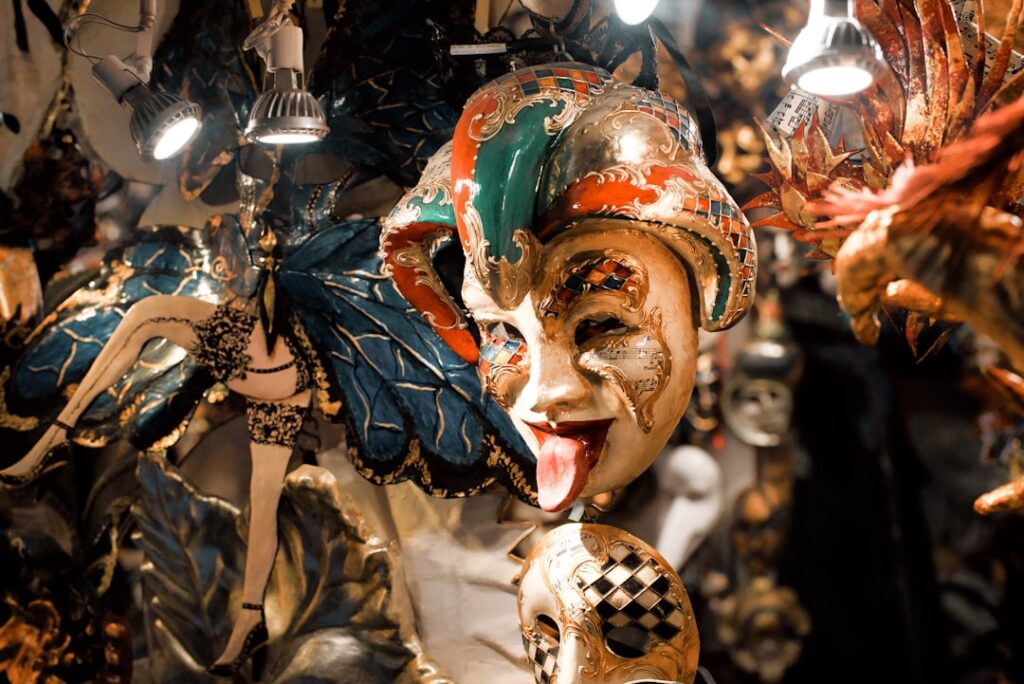
Sicilian carnivals are far more than mere parties: they are living rituals where collective memory, satire, craftsmanship and conviviality meet. Whether it’s Acireale’s baroque grace, Sciacca’s popular warmth, Palermo’s metropolitan buzz or Ragusa Ibla’s intimate theatricality, each carnival offers its own take on the Sicilian dolce vita. When you attend these events you don’t just watch — you take part, you laugh, you taste and you learn. Traditions are passed down through generations, and papier-mâché workshops, dance schools and local musical groups keep this living heritage alive.
For travelers, good preparation matters: check official dates, book accommodation early, budget for grandstand seats if you want extra comfort, and pack for the weather and the crowds. Beyond the practicalities, the key to a great experience is openness: embrace the festive chaos, let yourself be surprised by unexpected rituals, talk with locals and sample regional specialties. With that attitude you’ll leave the celebration with more than photos: vivid memories, human encounters and a deeper sense of Sicilian soul.
Whether you’re drawn to Acireale’s monumental floats, Sciacca’s satirical edge, Palermo’s cultural abundance or Ragusa Ibla’s intimate magic, Carnival in Sicily promises an unforgettable experience. Bring your curiosity, respect for local tradition and an appetite for great food — the party is waiting, bright with color and full of feeling.