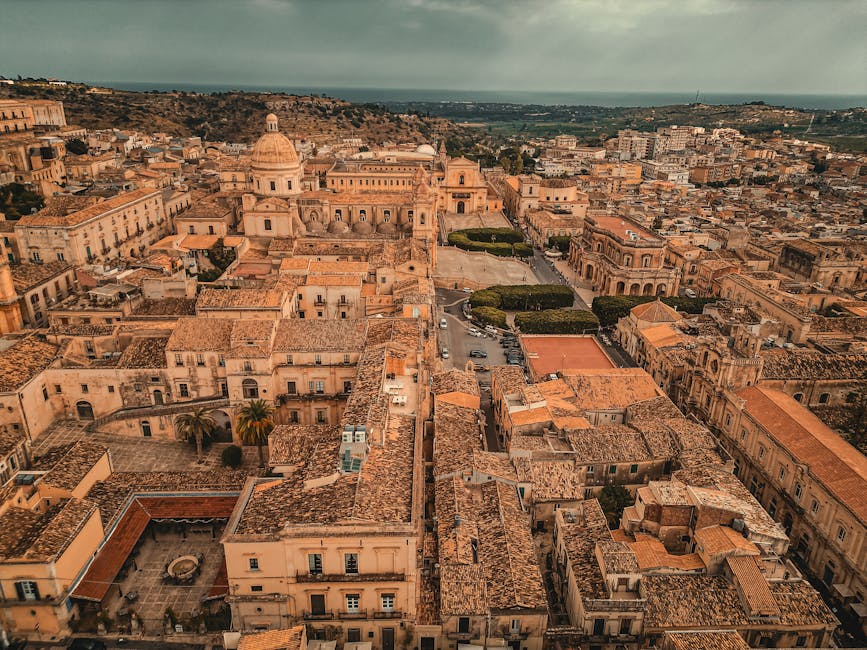






Introduction — Preparing Your Health Before Traveling to Sicily
Sicily seduces travelers with its ancient heritage, Mediterranean coastline, hilltop villages and hearty cuisine. Whether you’re heading to Taormina for a week of relaxation, planning a road trip around Mount Etna, or exploring Palermo and Syracuse for culture, taking care of health preparations before you leave is crucial. The island’s climate (hot summers, mild winters), varied landscapes (mountains, coast, rural areas) and uneven access to medical services make a little planning go a long way. This guide aims to give you a practical, thorough rundown of what to prepare health- and pharmacy-wise so you can travel in peace.
Before you travel, check your insurance and medical documents: European Health Insurance Card (EHIC/CEAM/GHIC for UK residents), travel insurance policies that include medical evacuation, and a list of chronic treatments with dosages and generic/brand names. Bring enough prescription meds for your entire trip plus a few extra days in case of delays. In Sicily, as in the rest of Italy, pharmacies (farmacie) are usually well stocked and dispense prescription drugs as well as OTC products, but some medicines that are available over the counter at home may require a local prescription.
This guide contains practical info: typical pharmacy opening hours, addresses for pharmacies and 24-hour/emergency pharmacies in main Sicilian towns, packing lists for your kit, approximate prices in euros, and local tips for dealing with heat, the sea, insect bites and emergencies. There are also recommendations for families, older travelers and those with special medical needs. Visual cues are included (image markers) to help you spot scenes and items to photograph or look up before you leave.
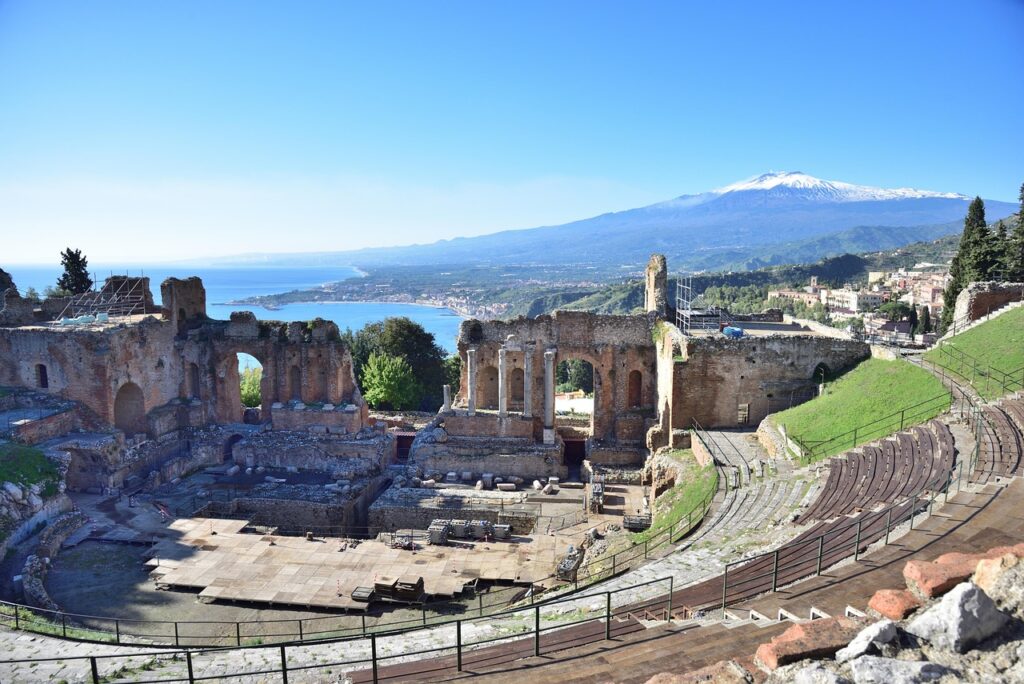
1) Before You Leave: Documents, Vaccines, Insurance and Your Medical Kit
Documents and insurance — Before you go, print and keep both a paper and digital copy of your European Health Insurance Card (EHIC/CEAM/GHIC) if you’re eligible. While it covers medically necessary care in Italy, the EHIC doesn’t replace comprehensive travel insurance: get a policy that covers medical evacuation, private hospital stays and 24/7 assistance. Typical cost for a one-week policy ranges from €10 to €60 depending on age and coverage. Also keep a list of your allergies, significant medical history and an emergency contact sheet.
Vaccinations and prevention — There are no special vaccine requirements for Sicily beyond routine vaccinations (tetanus, diphtheria, polio, etc.). Make sure your tetanus/diphtheria booster is up to date (every 10 years). Hepatitis A vaccination is recommended for longer stays or if you expect to eat food from street vendors or uncontrolled sources (private clinic cost roughly €60–90 per dose). COVID-19 vaccination is recommended based on your personal risk profile. Consult your GP or a travel vaccination clinic 4–6 weeks before departure.
Recommended medical kit — Put together a kit tailored to your trip length and itinerary (beach days, hikes, road travel). Essentials and approximate prices:
- Paracetamol (500 mg, 20 tablets): €3–6
- Ibuprofen (400 mg, 20 tablets): €4–8
- Antiseptic (Betadine or equivalent, 100 ml): €3–6
- Plasters and sterile dressings: €3–8 for a kit
- Sunscreen SPF 30–50 (50 ml): €8–25
- Insect repellent (DEET or Icaridin, 50 ml): €7–15
- Motion sickness meds (meclizine, dimenhydrinate): €4–10
- Oral rehydration salts (single sachets): €3–6
- Small tweezers, scissors, disposable gloves: €5–10
If you take chronic medication, bring a detailed prescription and your meds in their original packaging. For injectables (insulin, epinephrine auto-injectors), carry a doctor’s note in English and Italian and a cool bag for insulin. Families with kids should add a thermometer, age-appropriate suppositories or syrups, and a soothing cream for minor burns.
2) Pharmacies in Sicily: Where to Find One, Opening Hours and On-Call Pharmacies
Sicily has a dense network of pharmacies (farmacie) in towns and villages; however, in rural areas or late at night it helps to know how on-call pharmacies (farmacia di turno) work. Typical hours are Monday–Friday 09:00–13:00 and 16:30–20:00, Saturday morning 09:00–13:00, and closed on Sundays except for on-call pharmacies. Many larger towns have late-night or 24-hour pharmacies. Always check locally or call before you head out.
Concrete examples in main cities (addresses and hours should be checked before you travel):
-
Palermo — Farmacia Comunale 1
Address: Via Maqueda 123, 90134 Palermo PA
Hours: Mon–Fri 08:30–13:00 / 16:30–20:00, Sat 09:00–13:00, Sun closed (on-call pharmacy according to schedule)
Notes: Located in the historic center, dispenses prescriptions, baby products and can offer advice in English on request. Accepts cards. Indicative prices: paracetamol 20 tabs €4, sunscreen €15. -
Catania — Farmacia Centrale Catania
Address: Via Etnea 276, 95129 Catania CT
Hours: Mon–Sat 09:00–20:00 (continuous), Sundays and holidays: rotating on-call pharmacy
Notes: Close to the center and transport hubs; often open continuously with good stock for hikers and first-aid supplies. Payment by cash and card. -
Taormina — Farmacia Dr. Giuseppe Vaccarino
Address: Corso Umberto I, 320, 98039 Taormina ME
Hours: Mon–Sat 09:00–13:00 / 16:00–20:00, Sun 10:00–13:00 or local on-call pharmacy
Notes: Tourist-friendly pharmacy, staff often speak English and stock sunscreen, insect repellent and travel care products. Repellent ~€10–12. -
Syracuse (Siracusa) — Farmacia Centrale Ortigia
Address: Via Roma, 47, 96100 Siracusa SR
Hours: Mon–Sat 09:00–13:00 / 16:30–19:30, Sun closed except on-call
Notes: On the island of Ortigia, convenient for tourists and offers local remedies for jellyfish stings and waterproof dressings. -
Agrigento — Farmacia San Vito
Address: Via Atenea, 65, 92100 Agrigento AG
Hours: Mon–Fri 09:00–13:00 / 16:30–20:00, Sat 09:00–13:00
Notes: Closest pharmacy to the Valley of the Temples, handy for first aid after sightseeing.
On-call pharmacies (Farmacia di turno): every municipality posts a weekly rota showing the on-call pharmacy (night or Sunday). This schedule is displayed outside pharmacies and on the local prefecture website. In the evening, search “Farmacia di Guardia” + town name on Google Maps or call the town hall (Comune) for the latest info.
3) Medical Emergencies, Hospitals and Private Clinics: Where to Go
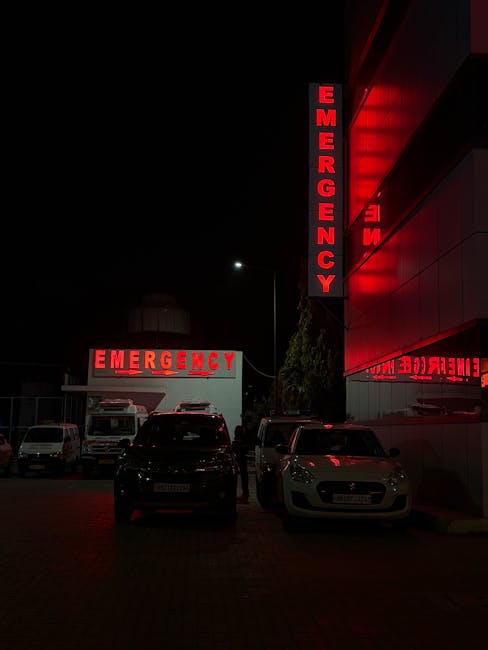
In an emergency, call the European emergency number 112 immediately (or 118 for ambulance services in Italy). For life-threatening emergencies (severe pain, heavy bleeding, breathing difficulty, loss of consciousness), ambulance services will transport you to the hospital’s emergency department (Pronto Soccorso).
Main hospitals and clinics in Sicily (addresses, phones and emergency department hours):
-
Palermo — Ospedale Policlinico « Paolo Giaccone »
Address: Via del Vespro, 127, 90127 Palermo PA
Emergency (Pronto Soccorso): 24/7
Notes: Large university hospital with emergency, surgery, cardiology and imaging services. Easy taxi access from the center. Waiting times vary by case priority. -
Catania — Azienda Ospedaliera « Garibaldi-Nesima »
Address: Via Palermo, 636, 95121 Catania CT
Emergency: 24/7
Notes: Full-service facility for acute emergencies, trauma and intensive care. Reception services for foreigners are often available. -
Syracuse — Ospedale Umberto I
Address: Viale Tica, 1, 96100 Siracusa SR
Emergency: 24/7
Notes: Main hospital for the province, useful for emergencies on the southeast coast. -
Taormina/Messina — Ospedale Papardo
Address: Via Consolare Valeria, 1, 98124 Messina ME (near Taormina, about 45 min by car)
Emergency: 24/7
Notes: Serves the northeast area; Taormina also has medical services and private clinics for minor issues.
Recommended private clinic (example):
-
Catania — Clinica « Villa Maria »
Address: Via Don Minzoni, 10, 95121 Catania CT
Hours: Consultations by appointment, private emergency hours vary—call to confirm
Costs: Private consultations €80–200 depending on specialty; direct billing to insurers may be possible depending on your policy.
Practical tips if you’re hospitalized: always have your EHIC available, bring proof of travel insurance and contact details for someone back home. Public hospitals in Italy provide quality care, but waiting times at the Pronto Soccorso can be long for non-urgent cases. Private clinics offer shorter waits at a higher price.
4) Common Health Issues in Sicily and Practical Advice
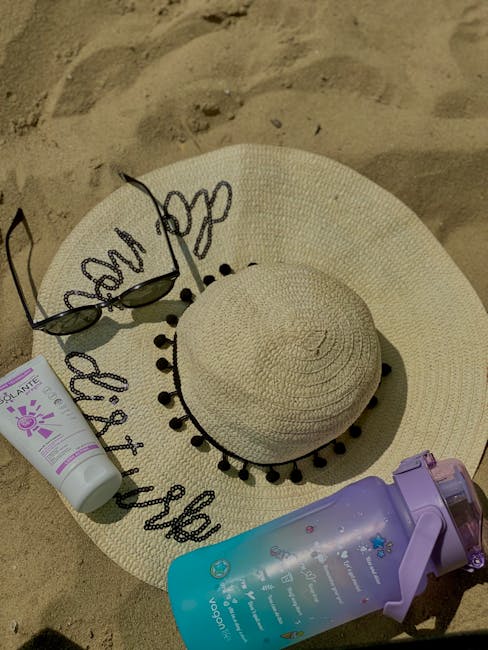
Heat and dehydration — In summer (June–September) temperatures in Sicily often exceed 30–35 °C, sometimes higher inland. To avoid dehydration: drink regularly (at least 2–3 liters a day in full sun), favor bottled water (mineral water 1.5L: €0.50–1.50 in supermarkets), avoid excess alcohol and heavy meals during the hottest hours. Wear a hat, sunglasses and sunscreen SPF 30–50 (reapply every 2 hours).
Sea-related issues — Boat trips and swimming expose you to sunburn, cuts on rocks and jellyfish stings. For jellyfish stings: rinse with seawater (not fresh water), carefully remove tentacles with tweezers or gloves, apply vinegar or a neutralizing product if available and consult a pharmacy. If you have an allergic reaction or severe pain, go to the emergency department.
Insect bites and mosquito prevention — Mosquitoes are most active at dusk, especially near wetlands. Use repellent (DEET 20–30% or Icaridin), consider mosquito nets where needed and wear long sleeves in the evenings. For bites: apply a topical antihistamine cream (about €6–12) and take an oral antihistamine for widespread itching.
Digestive issues — Sicilian food is delicious but can be richer or spicier than you’re used to. To prevent stomach troubles: avoid foods left too long at room temperature, wash your hands and drink bottled water. For acute diarrhea, oral rehydration salts and antidiarrheal meds (loperamide) help; see a doctor if you have high fever or bloody stools.
Hiking and altitude (Etna) — Mount Etna brings temperature swings and unstable terrain (ash, loose rock). Bring sturdy hiking boots (€50–150), layered clothing, sun protection and a small blister kit. Check trail openings and local guides (some routes require a guide). If you have respiratory issues (asthma), volcanic dust can worsen symptoms—bring inhalers and your medical documentation.
5) Local Tips, Travel Pharmacies and Smart Ways to Save
Communication and language — Most pharmacists in tourist areas speak English and can translate generic drug names. Learning a few useful Italian phrases helps: “Ho bisogno di un antidolorifico” (I need a painkiller), “Ha qualcosa per le punture di medusa?” (Do you have something for jellyfish stings?). Ask for the generic name (for example paracetamolo for paracetamol) since brand names vary.
Saving money and smart shopping — Generic medicines are usually cheaper. Items like sunscreen, plasters and repellents are similarly priced to the rest of Europe, but supermarkets and large chains sometimes offer lower prices. Example: a 50 ml sunscreen in Carrefour/Coop can cost €8–15, while pharmacies may charge €12–30 depending on the brand.
Travel pharmacy (pre-made kits) — If you prefer to buy a kit in Sicily, many pharmacies sell ready-made “kit da viaggio” travel kits (€10–30). Always check the contents to make sure it meets your needs (painkiller, anti-diarrheal, antiseptic, plasters, thermometer).
Road safety and minor accidents — Sicily’s secondary roads can be narrow and twisty; keep a first-aid kit, water and a tire repair kit in your car. In case of an accident, call 112 to report it. For minor injuries, the local pharmacy can supply plasters and advice; for fractures or serious wounds, go to the nearest hospital.
Online resources and useful apps — Download helpful apps: Google Maps to find the nearest pharmacy, “Farmae” or “Farmacia Italia” for pharmacy lists and on-call schedules, and your travel insurer’s app. Save the contact details of your country’s embassy or consulate in Sicily for consular assistance in case of lost documents or hospitalization.
Conclusion — Travel to Sicily with Confidence: Summary and Practical Takeaways
Sicily offers a diverse playground for travelers: beaches, volcanoes, historic cities and tucked-away villages. With the right health prep, you can enjoy the island while minimizing risks. Key takeaways: carry your medical documents and comprehensive travel insurance, pack a well-stocked kit (basic meds, sunscreen, repellent), keep copies of prescriptions and, if you have chronic treatments, bring enough medication for your entire stay.
Knowing how local pharmacies operate (normal hours and farmacia di turno for nights/Sundays) and where the main hospitals are located can save you valuable time in an emergency. Major cities like Palermo, Catania, Syracuse and Messina have 24/7 hospitals; private clinics offer a faster option for consultations but at a higher cost. Remember that pharmacists in tourist areas often speak English and that knowing generic drug names is useful.
Finally, adapt your behavior to local conditions: stay hydrated and protected from the sun in summer, be cautious when swimming, prevent insect bites and take care on Etna’s volcanic trails. Double-check practical information (opening hours, addresses) a few days before you travel—pharmacy and clinic hours can change, especially around holidays and the high season. With these tips and a little planning, you’ll explore Sicily with peace of mind, enjoy its flavors and return with memories—not health problems.
Have a great trip and take care of yourself: Sicily is welcoming and has health services available, but smart preparation makes all the difference. If you’d like, I can create a printable bilingual checklist (English/Italian) with useful pharmacy phrases, or a suggested kit based on trip length and traveler profile (family, senior, hiker).