





Introduction
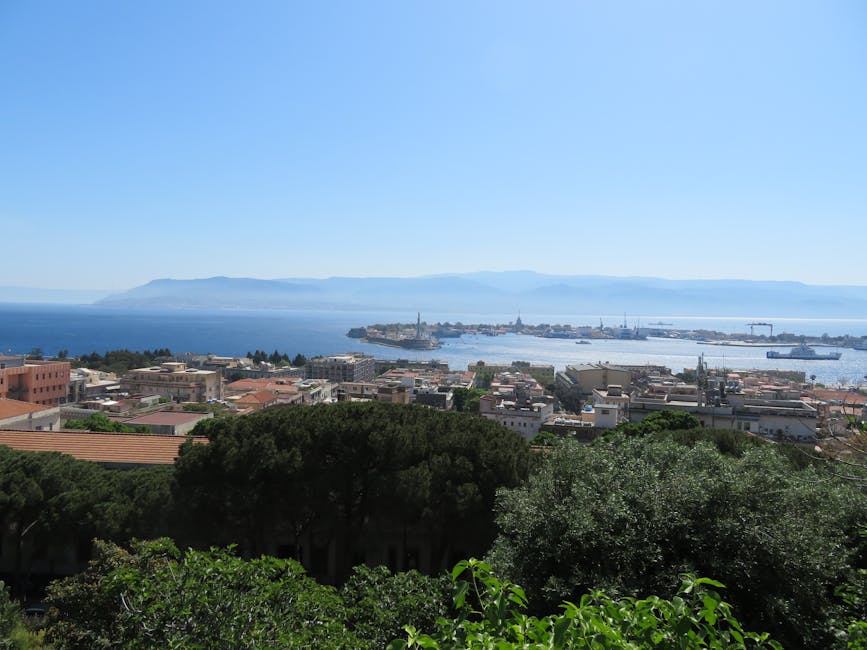
Sicily is an island of a thousand faces: smoking volcanoes, baroque villages, coasts carved by wind and millennia of history. But beneath the surface the island reveals another realm — a rich, surprising underwater world where the Mediterranean flourishes in meadows of posidonia, rocky reefs, submerged caves, sheer walls and historic wrecks. For divers, Sicily is a prime destination: it packs a wide variety of habitats into a compact area, offers clear water (especially in summer) and has marine reserves that protect abundant wildlife. Whether you’re a beginner looking for a guided first dive or an experienced diver chasing deep arches and encounters with groupers and schools of barracuda, Sicily has a spot for you.
This article reviews eight essential diving sites around Sicily, selected for their diversity (caves, walls, posidonia meadows, reefs, wrecks), their accessibility and the richness of their underwater life. For each site you’ll find an immersive description, practical info (closest port or dive center, typical hours, price ranges for trips and courses), plus local tips on the best time to go, recommended gear, safety and good practices to respect these fragile places.
Sicily has several protected areas — like the Ustica Marine Reserve or the Plemmirio zone — where regulations are strict: prior approval for certain dives, quotas and requirements for boats. It’s essential to check with local clubs before you go, book through licensed operators and follow guides’ instructions to the letter. Beyond the rules, diving in Sicily is a celebration of Mediterranean biodiversity: red gorgonians, brightly colored sponges, shoals of bream, curious moray eels, solitary groupers, sometimes loggerhead turtles (Caretta caretta) and, off the Pelagie islands, occasional encounters with rarer pelagic species.
Finally, planning dives in Sicily also means thinking about land logistics: access to the islands by ferry or local flights, accommodation near ports, and car hire options to reach some launching points. This practical guide aims to give you usable reference points — addresses, typical schedules, indicative prices — while inviting responsible exploration. Grab your wetsuit, check your certification, and let’s dive into the eight marine spots in Sicily you absolutely shouldn’t miss.
1. Ustica Marine Reserve — Grotta dei Gnattoni and Secca dei Faraglioni
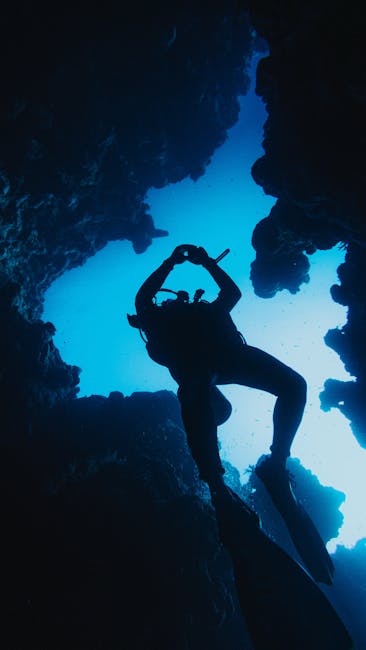
The Ustica Marine Reserve, surrounding the island of Ustica north of Palermo, is often called the « Black Pearl » of Sicilian diving. Protected since 1986, it covers several sectors and offers a remarkable concentration of caves, arches, walls and drop-offs. Two emblematic sites are Grotta dei Gnattoni (an underwater cavity best suited to experienced divers for its play of light and reef life) and Secca dei Faraglioni (a rocky plateau surrounded by deep water, ideal for spotting groupers, dentex and schools of seabream).
Departure address: Porto di Ustica, Via Marina, 90010 Ustica (PA). Number of dive centers: several local operators (e.g. Dive Center Ustica, Ustica Diving Center) working from the marina. Typical hours: centers usually open between 08:30 and 09:00 and offer two boat trips per day (morning and afternoon), schedules varying with the season. Indicative prices: boat trip with 2 dives ~€70–110; full equipment rental ~€25–40 per day; guided individual dive ~€40–60 per dive. Advance booking is strongly recommended in high season (July–August).
Immersive description: under the surface of Grotta dei Gnattoni, filtered light creates silver halos on walls carpeted with red sponges and anemones. Fish move in ordered waves; schools of bogues and sardines form a moving curtain. Secca dei Faraglioni presents a different spectacle: a rugged relief dotted with coral heads where morays and conger eels weave through crevices. Dives can start at accessible depths (10–20 m) and drop to deeper walls (30 m and beyond) for advanced divers.
Local practical tips: arrive at the port at least 30 minutes before boarding with your dive certification and logbook. Bring a 5 mm suit in spring and autumn; in summer a 3–5 mm suit is usually enough depending on your cold tolerance. Visibility is generally excellent (15–30 m) but can drop with mistral winds or autumn river run-off. Opt for morning trips for calmer seas and more active marine life.
2. Aegadian Islands — Favignana: Nido dell’Aquila and Grotta Perciata
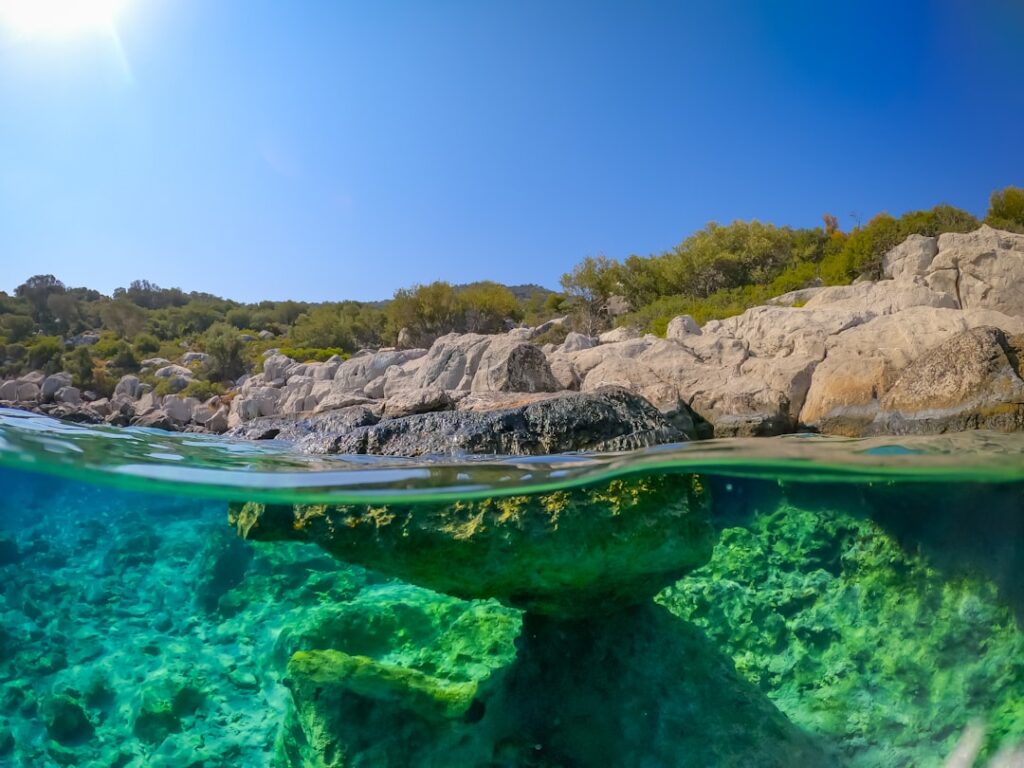
The Aegadian Islands, off Trapani, are famous for turquoise waters and rocky seabeds. Favignana, the most accessible island, hosts standout spots like Nido dell’Aquila (a rocky wall teeming with gorgonians and groupers) and Grotta Perciata (a spectacular underwater cave linking shallow caverns to darker passages). These sites suit intermediate to advanced divers depending on the routes chosen.
Departure address: Porto di Favignana, Via Vittorio Emanuele III, 91023 Favignana (TP). Recommended base: Blu Divers Favignana, Via Roma 25, 91023 Favignana (TP). Typical hours: dive centers usually open from 09:00 to 18:00 in high season, with morning and afternoon outings. Indicative prices: discovery pack 1 dive ~€55–80; 2-dive package ~€90–140; regulator/computer rental ~€15–30 per day. Some centers also offer PADI Open Water courses starting around €350.
Immersive description: Nido dell’Aquila unfolds as a succession of ledges and tunnels bursting with life. Red gorgonians dominate the scenery; groupers, sometimes huge, lurk in crevices, watching divers with slow curiosity. Grotta Perciata offers dramatic light-and-shadow play through natural arches where posidonia meadows meet white sand. Dives around Favignana often reveal schools of bogues, saddled seabream, and occasionally congers or dentex.
Local practical tips: Favignana is easy to explore by bike or small scooter from the port; allow 15–20 minutes to reach dive centers. The rocky seabed can be sharp — be cautious with gloves (if local rules allow) and maneuvers near walls. In summer the lack of currents makes dives more accessible, but a northwest Maestrale wind can create swell that complicates entries from small boats. Don’t forget sunscreen and water to stay hydrated before and after diving.
3. Marettimo (Aegadian Islands) — Secca del Formica and Grotta del Cammello
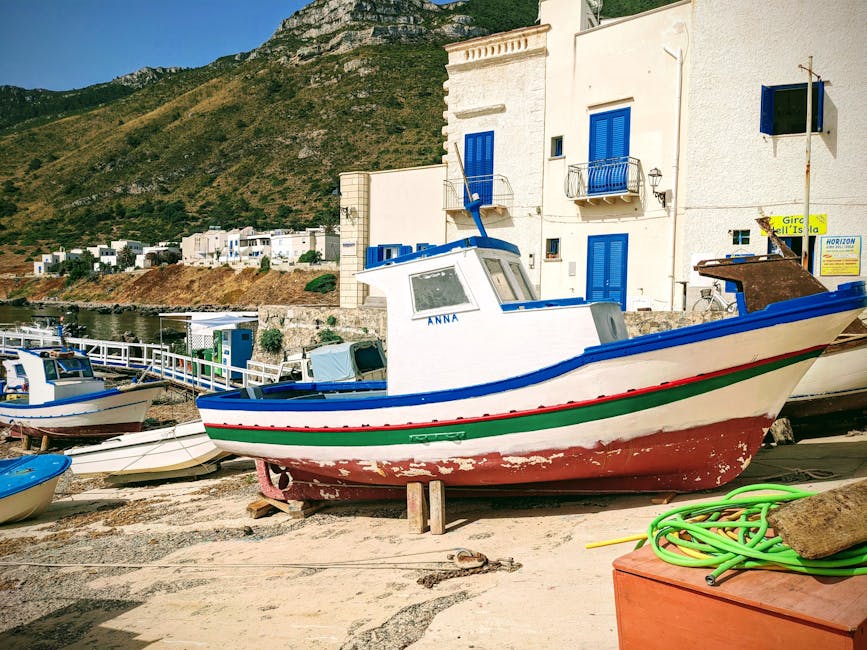
Marettimo is the wild soul of the Aegadians: a hillier, less frequented island offering more committed dives and pristine marine scenery. Two major sites are Secca del Formica, known for its rocky plateau surrounded by deep water and its grouper population, and Grotta del Cammello, a wide, photogenic cave with underwater stalactites at shallow depth.
Departure address: Porto di Marettimo, Via Bivona, 91010 Marettimo (TP). Recommended base: Marettimo Diving Center, Via Porto 1, 91010 Marettimo (TP). Typical hours: offices open 08:30–12:30 and 15:30–19:00; sea trips depend on weather, often in the mornings. Indicative prices: 2-dive trip ~€95–150 (transfer from Favignana or Trapani sometimes included); full equipment rental ~€25–40; specialized guided dives ~€45–70 per dive. Access to Marettimo sometimes requires a boat connection from Favignana, so check ferry timetables.
Immersive description: Secca del Formica is a real underwater garden, where you can cruise over a shallow relief (15–25 m) dotted with crevices full of life. Groupers find refuge there; schools of salps and bogues spiral above the rocky outcrops. Grotta del Cammello, more accessible, invites contemplative dives: inside, sculpted rock forms create natural frames for light where little shrimps and blennies hide. Visibility is often excellent and water temperatures can reach 24–26°C in summer.
Local practical tips: Marettimo has fewer facilities than Favignana; bring cash for small local shops (bars, restaurants). Trips depend heavily on sea conditions: if there’s swell, boat links may be cancelled. Bring an underwater torch if you plan to photograph caves — natural light is beautiful but often not enough for photos. And respect strictly protected zones: follow local guides’ recommendations so you don’t disturb cave-dwelling wildlife.
4. Lampedusa — Isola dei Conigli (Rabbit Beach) and Lampione Bank
Lampedusa, the main Pelagie island, is famous for its paradise beaches but also for spectacular diving. Isola dei Conigli (Rabbit Beach) offers crystal-clear shallow areas ideal for biodiversity, while the offshore Lampione Bank is a pelagic hotspot where you can encounter larger marine species and moving shoals.
Departure address: Porto di Lampedusa, Via Porto Romano, 92010 Lampedusa (AG). Recommended base: Lampedusa Diving Center, Via Messina 4, 92010 Lampedusa (AG). Typical hours: high season (May–Sept): open 08:00–19:00 with daily trips; off-season hours are reduced and there are fewer runs. Indicative prices: boat trip with 2 dives ~€100–160; Bank dive (full day) ~€120–200; full equipment rental ~€30–50 per day. Lampione Bank may require longer navigation and additional fees.
Immersive description: seabeds around Isola dei Conigli alternate posidonia meadows, rocky drop-offs and sandy patches, offering excellent chances to spot loggerhead turtles (Caretta caretta) that often feed in the seagrass. The water is a deep blue and clarity can exceed 30 meters. Lampione Bank, an isolated underwater plateau, attracts pelagics: garfish, tuna on occasional hunts, and sometimes large jacks. These dives are better suited to experienced divers because of possible currents and depth.
Local practical tips: Lampedusa is served by flights from Palermo and Catania and by seasonal ferries. Book Lampione Bank dives well in advance — trips are limited and in high demand. Bring a 3–5 mm suit depending on season; a shorty might be enough for snorkeling around Rabbit Beach. Respect turtle protection rules: don’t feed or touch them, keep a safe distance and avoid using flash for close-up photos.
5. Plemmirio (Plemmirio Nature Reserve) — Syracuse: Grotta dei Gamberi and Secca della Madonnina
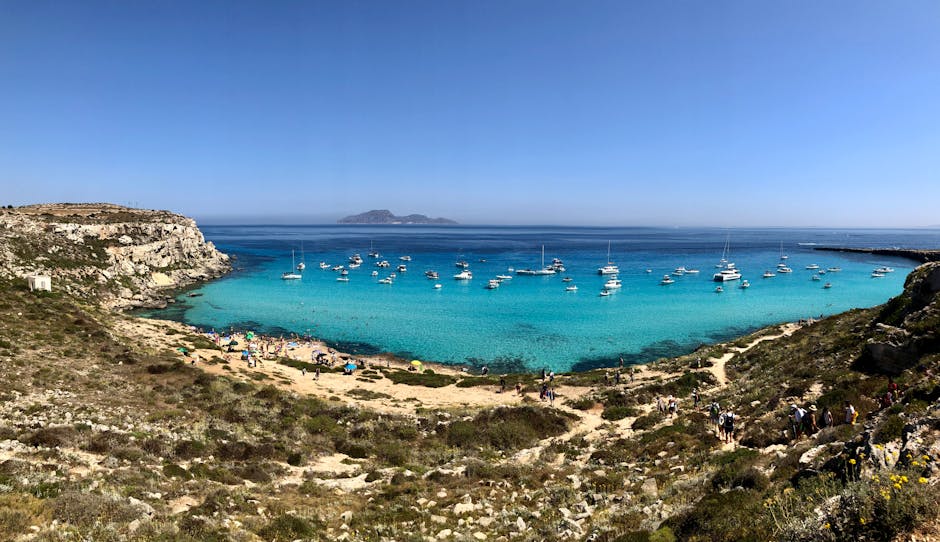
The Plemmirio Nature Reserve, located southeast of Syracuse, is a protected marine area that includes a string of coves, cliffs and small islets. Sites like Grotta dei Gamberi (known for its decorative shrimps and cryptic macro life) and Secca della Madonnina (a deep rocky bank that attracts many fish) are especially rich and close to the historic city of Syracuse.
Departure address: Centro Sub Siracusa, Via Bosco Minniti 2, 96100 Siracusa (SR) — easy access from Porto Grande. Typical hours: centers open 09:00–19:00 in season, with morning and sometimes late-afternoon trips. Indicative prices: 2-dive trip ~€70–120; equipment rental ~€20–35 per day; themed guided dives (macro photography) ~€50–80. Some sites in the reserve require authorization or a small local eco-tax (a few euros) depending on current regulations.
Immersive description: from the entry point you feel the proximity of the city but also untouched nature. Grotta dei Gamberi is a calm, often shallow dive (5–20 m), ideal for discovery dives or macro photography: shrimps, cleaner shrimps and colorful nudibranchs. Secca della Madonnina goes deeper and reveals walls where groupers and dentex patrol. Syracuse’s proximity means you can be back in the baroque streets and Ortigia market for a memorable dinner minutes after your dive.
Local practical tips: park near Centro Sub Siracusa and have cash ready for small possible taxes. Dominant winds can make access to some coves tricky; ask your guide before heading out. Don’t miss Ortigia after your dives — a suggested dinner spot: Trattoria La Foglia, Via Roma 10, 96100 Siracusa (SR). Lastly, avoid anchoring on posidonia meadows — use mooring buoys or designated anchor spots.
6. Aeolian Islands — Stromboli and Panarea: volcanic dives and caves
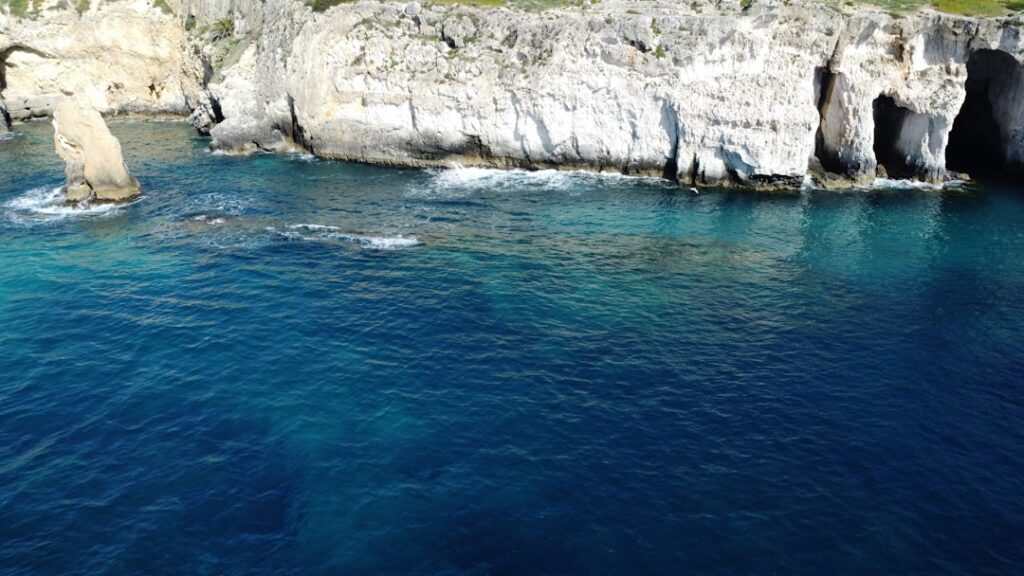
The Aeolian Islands, north of Sicily, blend volcanism and sea in spectacular fashion. Stromboli, famed for its Sciara del Fuoco and nighttime eruptions, also offers dives at the volcano’s base where old lava flows create underwater reliefs. Panarea features underwater cavities and volcanic bottoms rich in endemic species. These dives combine dramatic landscapes, volcanic profiles and Mediterranean marine life.
Departure address: Porto di Stromboli, Via Marina 1, 98050 Stromboli (ME); Porto di Panarea, Via Porto 98050 Panarea (ME). Recommended bases: Stromboli Diving Center, Via Marina 3, Stromboli; Panarea Sub, Via Porto 2, Panarea. Typical hours: open 08:30–18:30 in high season; trips usually in the morning and sometimes organized night dives. Indicative prices: 2-dive trip ~€90–160 (depending on distance and inter-island transport); special volcanic dive (with risk briefing) ~€120–200. Equipment rental ~€25–40 / day.
Immersive description: volcanic bottoms offer an unusual palette of colors and textures — solidified lava, basalt flows, tunnels and caves where marine life takes hold. At Stromboli some dives start near the Sciara del Fuoco and descend along underwater volcanic cones, mixing black rock, yellow sponges and schools of fish. Panarea, more intimate, reveals caves and arches that filter light into magical scenes. Surface water can be slightly warm while deeper layers are cooler, producing interesting thermal strata.
Local practical tips: itineraries can be affected by volcanic activity and weather — always check local bulletins and follow safety rules. Ferry connections to the Aeolians are limited; plan your transfers so you don’t miss the boat. Volcanic sites often require extra care for equipment (sand and volcanic particles can be abrasive): rinse regulators and computers thoroughly after diving.
7. Capo Passero — Secca del Capo and Isola delle Correnti
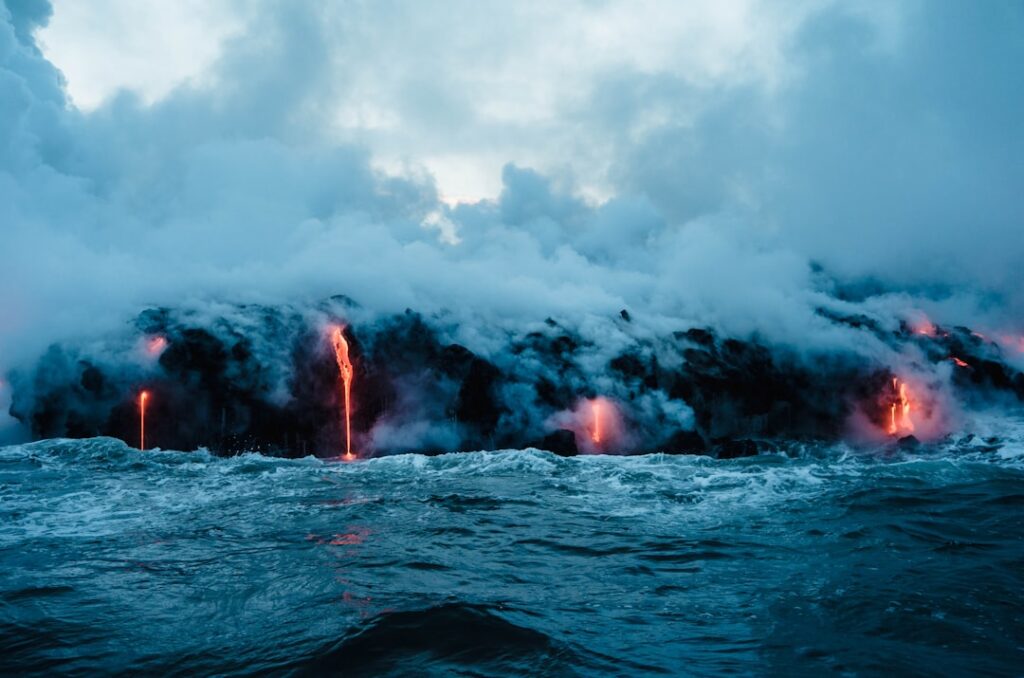
In southeastern Sicily, Capo Passero (near Portopalo di Capo Passero) is an exposed headland where currents and biodiversity meet. Sites like Secca del Capo (a shallow rocky bank perfect for divers seeking encounters with larger species) and the Isola delle Correnti area (where a narrow passage creates intense water exchanges) are known for pelagic life and varied underwater reliefs.
Departure address: Porto di Capo Passero, 96010 Portopalo di Capo Passero (SR). Recommended base: Capo Passero Diving, Via Marinella 1, 96010 Portopalo di Capo Passero (SR). Typical hours: open 09:00–18:00; trips run according to sea conditions, often in the morning and late afternoon. Indicative prices: standard 2-dive trip ~€80–140; deep/long-range exploration ~€120–180; full equipment rental ~€25–45 per day.
Immersive description: Secca del Capo features extraordinary rocky outcrops, overhangs covered in sponges and a rich benthic community — groupers, seabream, morays and sometimes schools of jacks. At Isola delle Correnti the water literally boils in spots, revealing acceleration pockets where pelagic fish gather to hunt. Dives can be technical: marked currents, thermoclines and sometimes deep bottoms. Visibility can be superb, letting you admire the seafloor topology over long distances.
Local practical tips: these sites are for experienced divers or guided dives with professionals accustomed to strong currents. Check marine weather and current bulletins; guides often adjust departure times to match favorable tides. Bring dive computers and safety gear (surface marker buoy) and, if possible, dive with a larger cylinder to ensure comfortable gas consumption on deep dives.
8. Linosa (Pelagie Islands) — Secca del Corvo and Grotta Azzurra
Linosa, a quieter volcanic neighbor of Lampedusa, offers several high-quality dives. Secca del Corvo is an isolated rocky plateau prized for its concentration of marine life, while Grotta Azzurra (note: a common cave name in Italy — here it refers to a specific marine cavity at Linosa) is a spectacular discovery dive for its light effects and macro life.
Departure address: Porto di Linosa, 92010 Linosa (AG). Recommended base: Linosa Diving Center, Via Porto 1, 92010 Linosa (AG). Typical hours: centers generally open 09:00–18:00 in season; trips depend on weather, with combined excursions possible from Lampedusa. Indicative prices: 2-dive trip ~€100–160; longer boat trips/Bank dive ~€140–220; full equipment rental ~€30–50 / day.
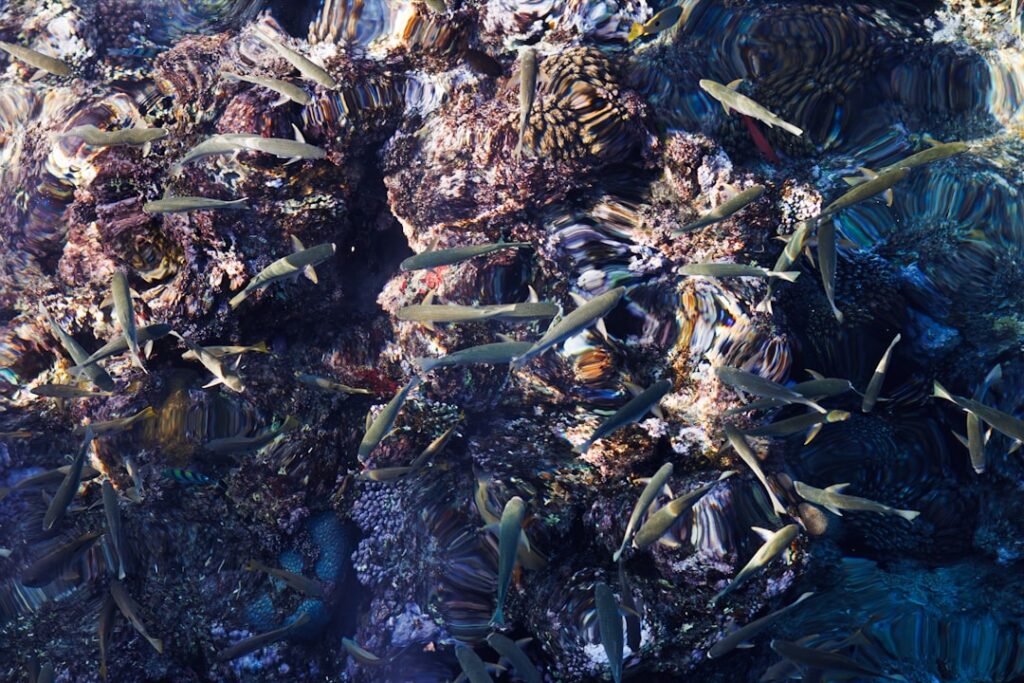
Immersive description: Secca del Corvo shows underwater landscapes sculpted by past lava flows, rocky heads populated by colorful fish and sandy areas hiding mantis shrimps and scorpionfish. Grotta Azzurra plays with light filtering through its opening: the interior can be carpeted with anemones and sponges while small shrimps and crabs peep from under rocks. Less crowded, Linosa often guarantees intimate dives and underwater photos without crowds.
Local practical tips: access to Linosa is by ferry from Lampedusa or by charter — check timetables and weather. Local dive centers are small and personal — book early. Bring a waterproof case for electronics: salt and wind can be harsh on gear ashore. And take time to explore Linosa’s crater on land — a short hike offers great views of the sea and neighboring islands.
Conclusion
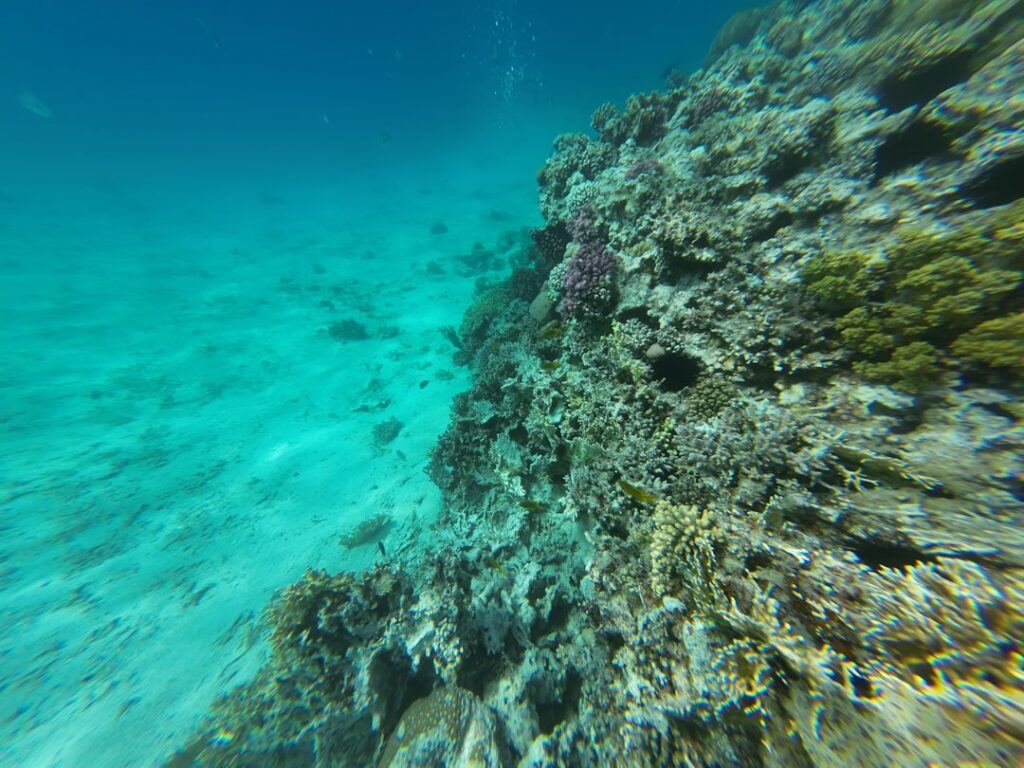
Sicily is much more than volcanoes and historic villages: it’s also an outstanding underwater destination that offers divers a surprising palette of experiences. From protected reserves at Ustica and Plemmirio to wilder, more remote islands like Lampedusa, Linosa and the Aeolians, each site has its own character — luminous caves, deep walls, posidonia meadows, isolated rocky banks and pelagic dives. This diversity makes Sicily an ideal playground for divers who want to vary their experiences within short distances.
Practically speaking, planning your trip means factoring in sea and air connections (seasonal ferries, local flights), weather (Maestrale and Scirocco can heavily affect sea conditions), and marine reserve regulations. Local dive centers — present in most of the ports mentioned — can provide gear, but it’s always best to bring your own mask and dive computer. Prices listed in this article are typical ranges and may vary by season, level of service and whether island transfers are included. Always book ahead for highly sought-after sites (Lampione Bank, Lampione trips from Lampedusa, dives in Ustica’s protected zones).
Finally, diver ethics are essential to preserve these fragile habitats: don’t touch organisms, avoid anchoring on posidonia, follow guides’ instructions and don’t collect anything. In return, the Sicilian sea will reward you with unforgettable encounters, photogenic underwater sceneries and the rare feeling of exploring places where geological and biological history meet. Whether it’s a first guided discovery in Favignana’s calm waters or a technical dive on pelagic banks off Lampedusa, Sicily promises dives that will stay in your logbook. Pack your gear, respect the sea and let the currents carry you — the Sicilian underwater adventure is waiting.