





Introduction: Sagra del Mandorlo — almond blossoms, almonds and Sicily’s springtime traditions
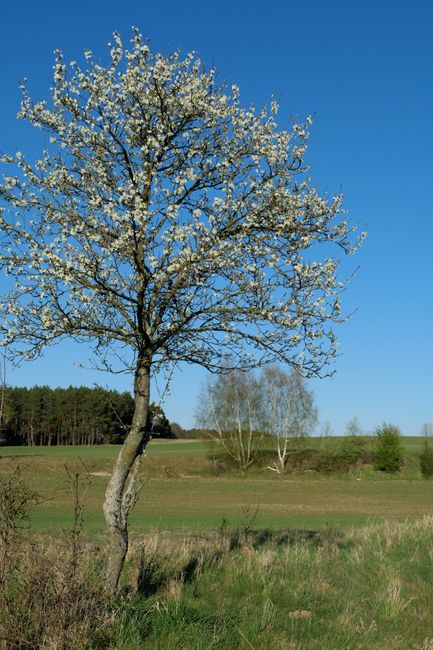
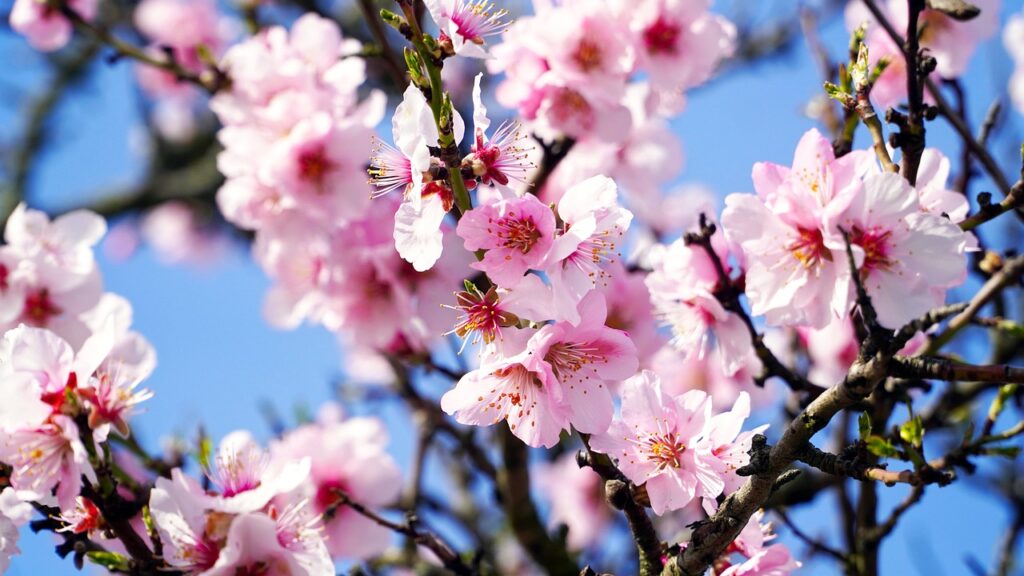
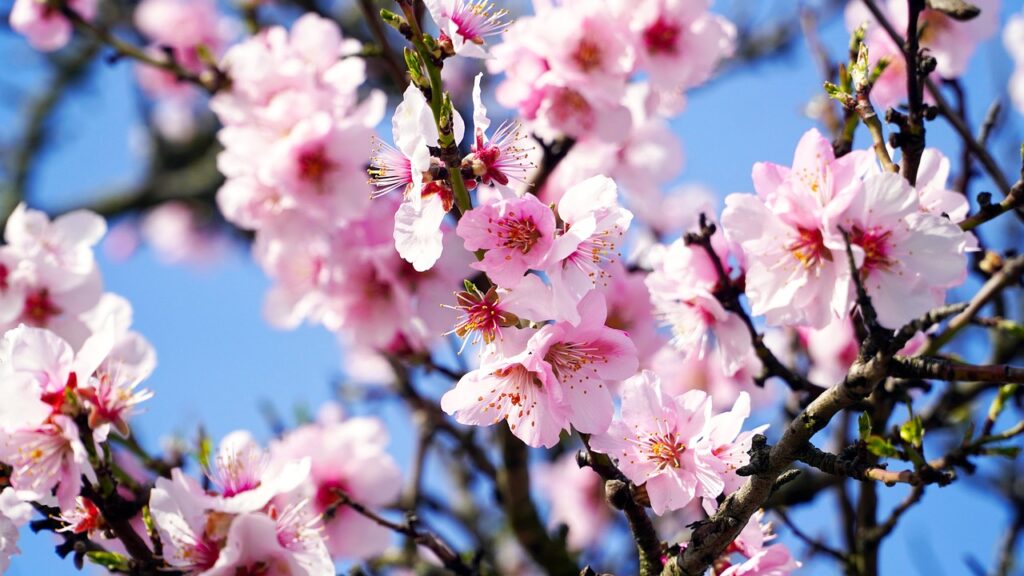
Every year, as winter slowly gives way to spring, Sicily dresses itself in a pale pink-and-white carpet: the almond trees burst into bloom and a tradition comes alive under the name Sagra del Mandorlo (the almond festival). The most famous celebration is Agrigento’s “Sagra del Mandorlo in Fiore”, a festival that blends folklore, music, dance, food and popular rituals that stretch back centuries. But beyond Agrigento, many towns and villages across the region — Noto, Avola, Ragusa and the province of Enna — put on their floral show with their own local spin.
The Sagra del Mandorlo isn’t just another event on the calendar; it’s an invitation to explore Sicily’s intimate bond with its land. The almond tree (Prunus dulcis) has long been a vital resource for local farmers: oilseeds, pastries, sweets, scented oils and even home remedies. The scents of roasted and fresh almonds mingle with Sicilian desserts — marzipan, cassata, cannoli — and savory dishes, creating a uniquely fragrant atmosphere.
For visitors, the Sagra del Mandorlo is an immersive experience. Expect folkloric parades in traditional costume, performances of regional music and dance (canti, tammurriate, pizzica), craft fairs, and guided tours of orchards and old mills. Towns often host almond markets, cooking workshops to learn how to make delicate Sicilian “paste di mandorla,” and even botanical talks for plant lovers.
This practical and cultural guide will get you ready: we cover the history and meaning of the sagra, outline the main events (with locations, addresses, schedules and prices), list nearby sights to visit in and around Agrigento, and share essential local tips (transport, lodging, recipes and etiquette). Whether you’re a photographer, food lover, amateur historian or just looking for a springtime escape, this guide will help you make the most of the Sagra del Mandorlo.
History and meaning of the Sagra del Mandorlo (cultural and religious context)
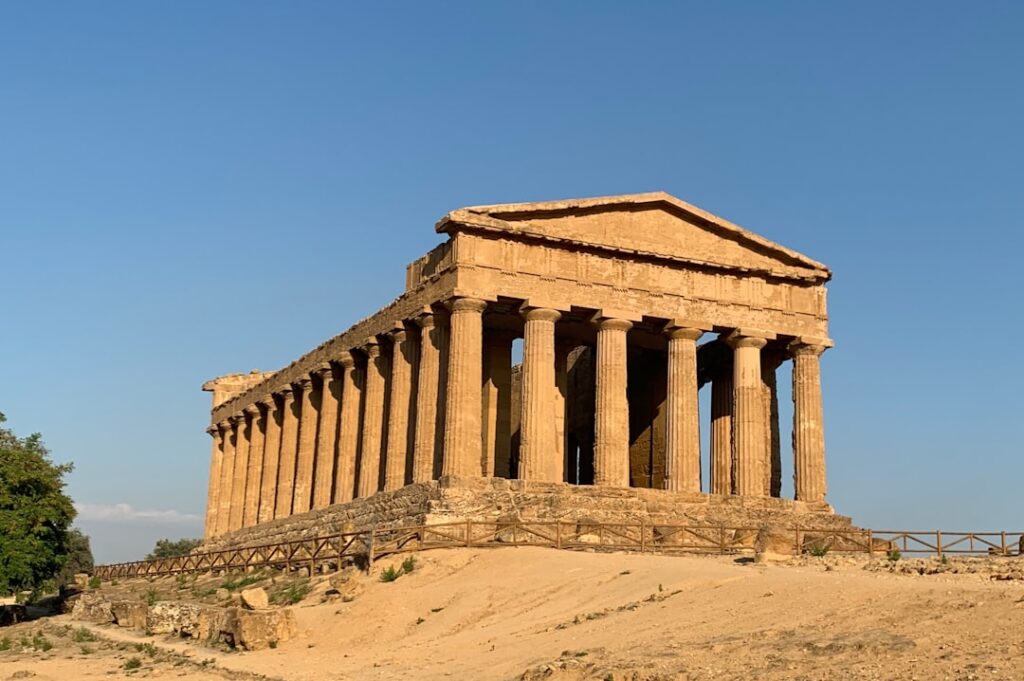
The tradition of celebrating almond trees in bloom in Sicily is ancient. It springs from Mediterranean farming practices where blooming meant hope for a good harvest and symbolized the end of winter. In Agrigento, the Sagra del Mandorlo in Fiore became institutionalized in the 20th century but rests on a much older foundation that mixes Greek, Arab, Norman and Baroque influences unique to Sicily. The city of Agrigento (Valle dei Templi) uses this season to showcase not only nature but also its archaeological and architectural heritage.
A religious dimension often accompanies the festivities: many processions link the almond blossom with celebrations of the Virgin and local patron saints. In some villages, residents read the bloom as a sign of blessing and arrange offerings. At the same time, the secular side is very lively: almond cooking contests, displays of handmade almond products (marzipan, almond biscuits, torrone), and popular dances and balls.
The Sagra del Mandorlo also has a strong identity component. Parade floats and folk groups wear historical costumes inspired by past centuries and tell stories from rural life. Local troupes — sometimes joined by performers from other regions or Mediterranean countries — create a mix of traditional sounds. In Agrigento, for example, the Sagra is often paired with shows at the Luigi Pirandello Theatre (Via Atenea, 42, 92100 Agrigento AG) and concerts in the Valle dei Templi (Via Panoramica Valle dei Templi, 92100 Agrigento AG), reinforcing the dialogue between memory and contemporary creativity.
If you want to dig deeper, conferences and seminars on almond agronomy, biodiversity and local varieties (like femminello and tuono) are sometimes organized. These talks typically take place in municipal halls or cultural centers: for example, the Centro Culturale San Domenico (Via Atenea, 102, 92100 Agrigento AG) regularly hosts farmers and researchers. Fees for workshops can range from €5 to €20 depending on topic and duration.
How the Sagra del Mandorlo unfolds: typical schedule, venues and hours
Festivities usually span several days, sometimes a full week. In Agrigento, the official period typically falls between late January and mid-February, depending on the weather. Here’s a typical program with the venues, addresses and schedules you’ll find at most editions:
- Official opening: inauguration ceremony at Villa Bonfiglio / Piazza Vittorio Emanuele, usually at 10:00. Address: Piazza Vittorio Emanuele, 92100 Agrigento AG. Free entry.
- Folklore parade: a grand procession from Via Atenea to the Valle dei Templi, starting at 15:00. Route: Via Atenea, 92100 Agrigento AG → Via Panoramica Valle dei Templi, 92100 Agrigento AG. Free to watch along the route.
- Exhibitions and markets: local produce and artisan stalls on Lungomare Falcone e Borsellino (Porto Empedocle) or in Agrigento’s historic center. Typical hours: 10:00–20:00. Free entry, products sold from €2 to €25 depending on the item.
- Cooking workshops: demonstrations of marzipan and paste di mandorla at the Museo Archeologico Regionale di Agrigento (Via Paolo Borsellino, 92100 Agrigento AG). Times: 11:00–13:00 and 16:00–18:00. Price: €10–€25 depending on the workshop (booking recommended).
- Themed guided tours: botanical walks through almond orchards and night visits to the Valle dei Templi. Meeting point: ingresso Valle dei Templi, Via Panoramica Valle dei Templi, 92100 Agrigento AG. Per-person fees: standard guided tour €12 (park entry included), night visits €18–€25 depending on the season.
- Concerts and shows: performances of traditional music and dance on the Cathedral Steps (Cattedrale San Gerlando, Piazza Cavour, 92100 Agrigento AG). Hours: 20:30–23:00. Street performances are often free; indoor shows may charge €10–€30.
Always check the official program for the year you plan to visit, as schedules may change. The Agrigento tourist information office (IAT) is located at Via Atenea, 118, 92100 Agrigento AG, phone +39 0922 XXXXX (check the municipal website); generally open 09:00–13:00 and 15:00–18:00 during the festival.
Places to visit during the Sagra: addresses, prices and recommended visits
The Sagra is the perfect excuse to explore Agrigento’s must-see spots and nearby attractions. Here’s a selection of highlights with exact addresses, opening times and indicative current prices:
- Valle dei Templi (Parco Archeologico Valley of the Temples)
Address: Via Panoramica Valle dei Templi, 92100 Agrigento AG.
Hours: generally 09:00–19:00 (winter hours may vary by season).
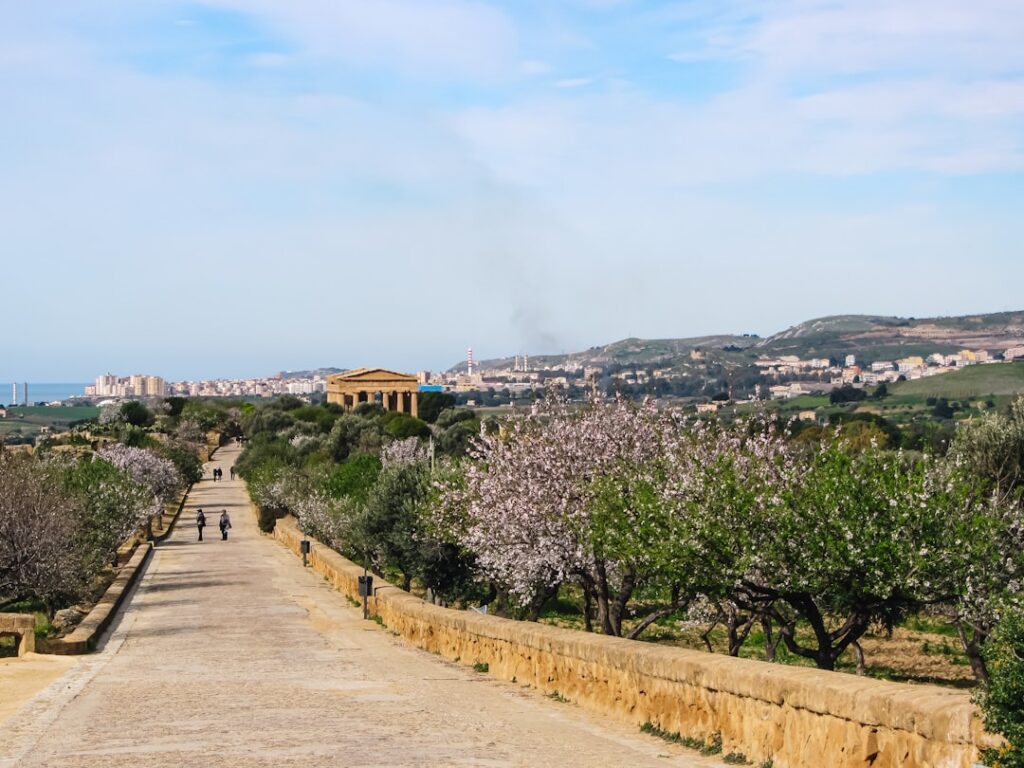
Fees: adult ticket around €12 (single entry), reduced €6 (eligible students), free for children under 6. Guided tours: extra €12–€18 per group/guide. The view of the temples framed by blooming almond trees is one of the most sought-after photo scenes. - Museo Archeologico Regionale “Pietro Griffo”
Address: Via Paolo Borsellino, 3, 92100 Agrigento AG.
Hours: 09:00–17:00 (closed some Mondays).
Fees: entry €6–€8 depending on temporary exhibitions. The museum often runs educational modules on ancient agriculture, including references to almond and olive cultivation. - Cattedrale di San Gerlando
Address: Piazza Cavour, 92100 Agrigento AG.
Visiting hours: 08:30–12:30 and 15:30–19:00 (liturgical times may vary).
Entry: free (donations suggested €1–€3). The cathedral staircase is frequently used for concerts and performances during the Sagra. - Porto Empedocle — fish market and waterfront walks
Address: Lungomare Falcone e Borsellino, 92014 Porto Empedocle AG.
Market hours: 06:00–12:00 for the fish market, pleasant evening promenade afterwards. Port access is free. Try caramelized almonds and pastries at stall vendors: €2–€6 per portion.
Beyond Agrigento, consider day trips to:
- Noto (Piazza Municipio, 96017 Noto SR): renowned for its baroque architecture and aromatic streets. City sightseeing is free; museums and churches charge €3–€8.
- Avola (Via Roma, 96012 Avola SR): famous for its almonds and Nero d’Avola wine. Agritourism workshops with tastings: €15–€30 per person. Useful address: Azienda Agricola La Mandorla, Contrada San Mauro, 96012 Avola SR (by reservation).
Practical tips, food and local etiquette during the Sagra
To get the most out of the Sagra del Mandorlo, here are practical tips and food recommendations.
Getting there: Agrigento is reachable by train and bus from Palermo and Catania. The main station is Agrigento Centrale, located at Piazza Marconi, 92100 Agrigento AG. Regional Trenitalia trains and Interbus coaches connect the city; indicative fares: Palermo → Agrigento €15–€25 by train, Catania → Agrigento €10–€20 by bus. If you rent a car, book in advance: local agencies include Hertz (Via Atenea, 170) and Europcar (Via Sacro Cuore, 18).
Accommodation: prices often rise during the Sagra. A few recommended places:
– Hotel Villa Athena, Via Passeggiata Archeologica, 92100 Agrigento AG — rooms from about €120 per night (breakfast included).
– B&B La Dimora del Re, Via Atenea, 133, 92100 Agrigento AG — rooms from about €60 per night.
Book at least 4 to 6 weeks ahead for the festival peak.
Food: try almond-based specialties:
- Paste di mandorla: small almond-based biscuits; price: €5–€12 per box depending on quality.
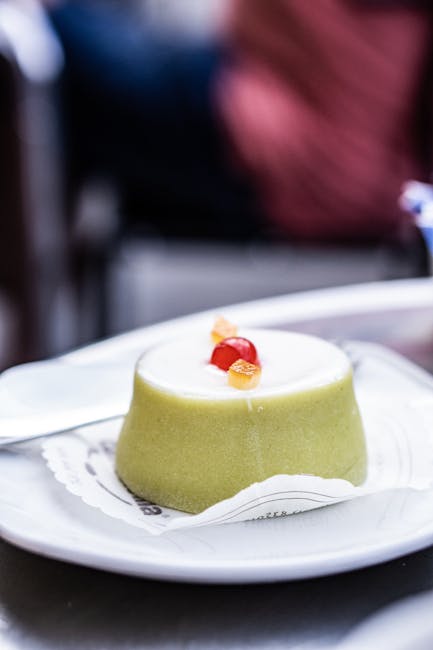
- Handmade marzipan: often sculpted and colored; €3–€8 per piece depending on size.
- Almond granita: a sweet, refreshing treat, €2.50–€4 at cafés and gelaterias.
- Savory dishes with almonds: salads, almond ragù at some local restaurants (main course €10–€18).
Local etiquette: respect traditions — dress modestly in places of worship, greet locals in Italian (Buongiorno / Buonasera) and try a few Sicilian phrases to connect with people. During processions, stay within designated areas and don’t get between folk groups. Photographers: ask permission before taking close portraits.
Health and safety: carry a small first-aid kit and check dietary restrictions if you have nut allergies (almonds are everywhere). Local hospital contact: Ospedale San Giovanni di Dio, Via Gioeni, 95128 Catania CT (if you travel to Catania); for Agrigento, the Presidio Ospedaliero “San Giovanni di Dio” is located at Via Giovanni XXIII, 92100 Agrigento AG.
Conclusion: experience the Sagra del Mandorlo like a local
The Sagra del Mandorlo in Sicily goes beyond botanical admiration: it’s a social ritual, a celebration of the land and a stage where memory and creativity meet. Whether you pick Agrigento for its archaeological prestige and the Sagra del Mandorlo in Fiore, or explore smaller festivals in Noto, Avola or other towns, the experience is always generous and sensory. Almond blossoms turn hills and valleys into a pale, perfumed sea, and villages open their kitchens and squares to share recipes, stories and music.
Plan your trip by checking official dates (they change with the weather) and booking accommodation and transport in advance. Take cooking workshops to bring home recipes and edible souvenirs; buy products directly from producers to support the rural economy. Above all, leave time for wandering: a morning walk through the orchards, a coffee on a Via Atenea terrace, or a sunset over the Valle dei Templi can be the most memorable moments.
Remember that the Sagra del Mandorlo is first and foremost a celebration of the bond between people and the land. Respect traditions, strike up conversations with locals, taste freely, and you’ll leave not only with photos and boxes of paste di mandorla, but with a deep understanding of a living Sicily where every blossom tells a story. Safe travels and buona Sagra!