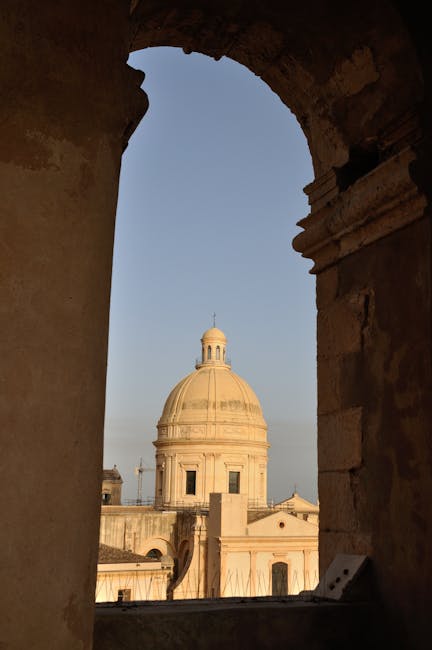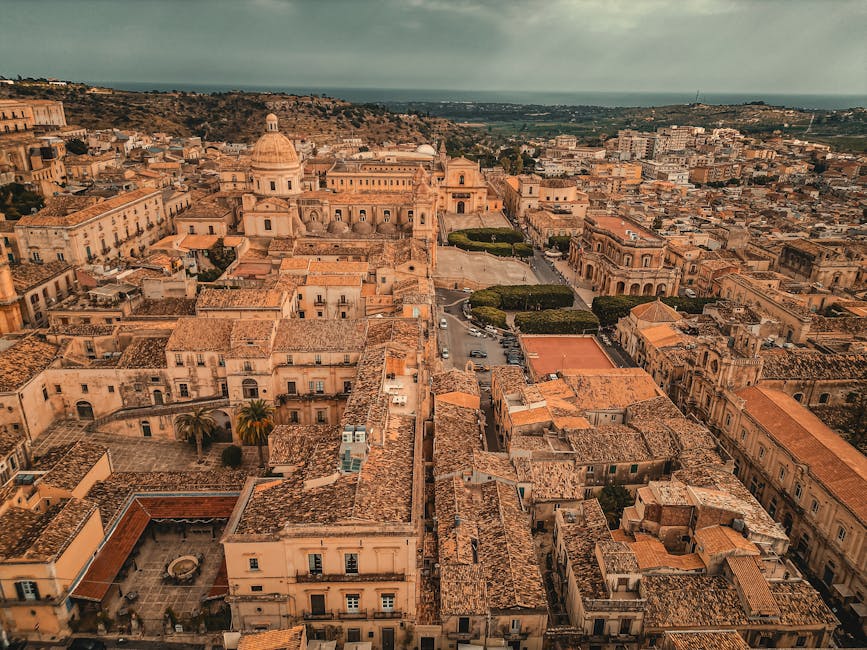






Introduction: Baroque and Faith in Noto — a sensory journey through the heart of Sicily
Noto, a small town in southeastern Sicily and a UNESCO World Heritage site, is often called an “open-air museum” of late Baroque. After the devastating 1693 earthquake, the rebuilding of the Val di Noto and the surrounding plain produced a unique urban ensemble: wavy golden stone façades, wrought-iron balconies carved like jewelry, and above all, a string of churches where faith and art meet in a visual and spiritual celebration.
This guide explores Noto’s churches — not just as historical monuments but as living places of worship, memory and aesthetic experience. Each building tells a different story: sculpted portals that narrate saints’ lives, interiors where light turns stucco into liquid gold, naves where sacred music still resonates — and sometimes hidden chapels housing ex-votos and restored paintings. You’ll find precise addresses, opening hours, ticket information (when museums or guided tours are offered), and immersive descriptions to help you plan your route, understand what you’re seeing, and capture the baroque soul of Noto.
This guide is aimed at the curious visitor: cultural pilgrims, photographers drawn to Sicilian light, art-history readers or simply travelers looking for an emotional experience. You’ll get practical tips — how to avoid busy times, where to hear an organ concert, how to respect religious practices during a visit — and suggestions for deeper exploration. We honor the sacred character of these places; descriptions are therefore both aesthetic and respectful. To help you visualize, we’ve peppered the text with visual markers 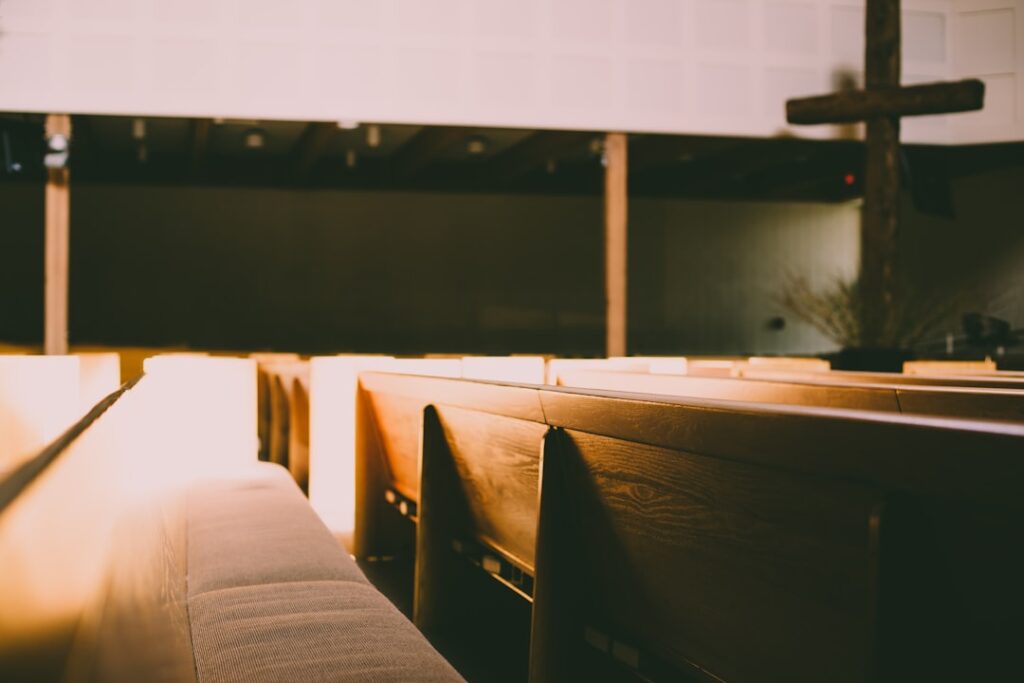 highlighting particularly photogenic scenes: façades at sunset, gold-soaked interiors, stone staircases leading to secret chapels.
Before diving into the buildings themselves, a few practical tips: wear comfortable shoes because Noto’s streets are cobbled and some stairways are steep; bring modest clothing (shoulders and knees covered) if you plan to enter churches as a sign of respect during services; carry water in summer — Noto’s golden stone soaks up and radiates heat; and if you want to photograph indoors, check each church’s policy (flash is often banned).
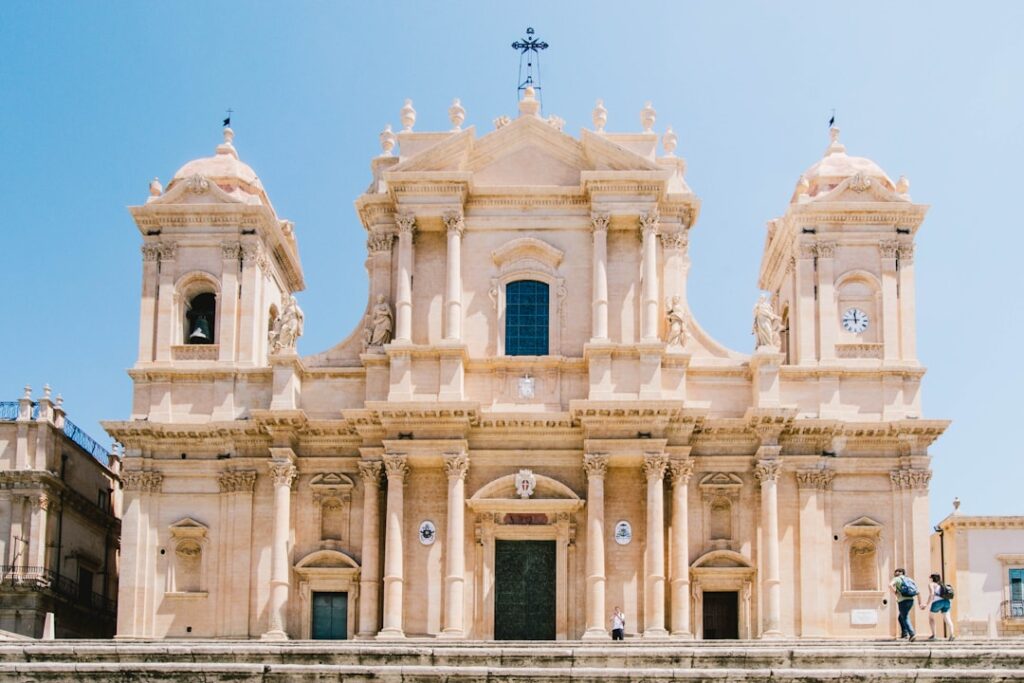
The Cattedrale di Noto (Duomo di San Nicolò) — spiritual and architectural heart
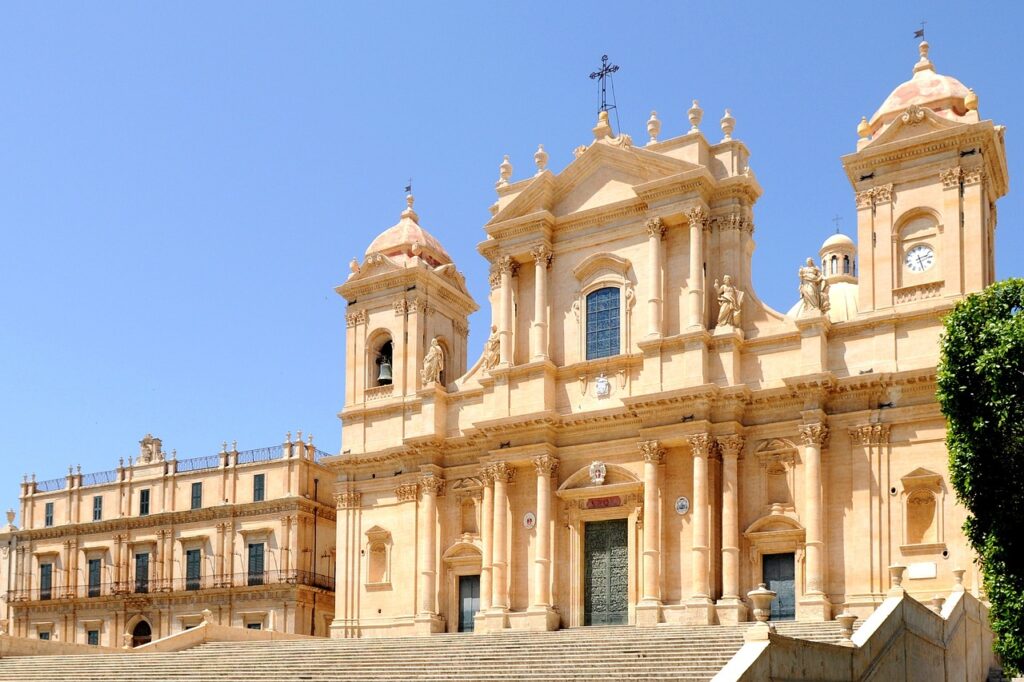
The Cattedrale di Noto, dedicated to San Nicolò, dominates Piazza Municipio and remains the city’s most recognizable symbol. Exact address: Piazza Municipio, 96017 Noto SR, Italy. Rebuilt in the 18th century in monumental Baroque, it showcases the dramatic elegance of the late barocco: a façade with superimposed columns, allegorical statues and a dome that overlooks the town.
Opening hours (approximate, confirm on site): generally open to the public Tuesday through Sunday from 09:00 to 12:30 and 16:00 to 19:00; closed Monday mornings for liturgical maintenance. Entrance: access to the nave is usually free, but visiting the Episcopal Throne and the small adjacent diocesan museum may require an entrance fee of €3.00 to €5.00 (2024 rates indicative). Additional fees may apply for groups and guided tours (advance contact recommended via the Sacristy).
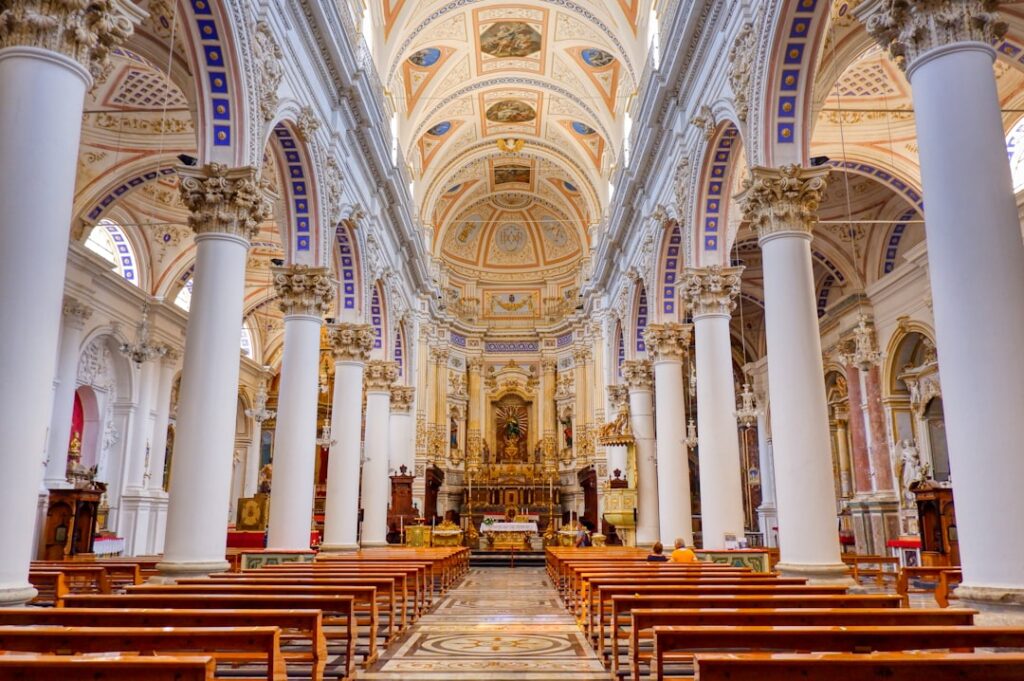
Immersive description: stepping through the threshold, you immediately feel the height and clarity of the space. Smooth pilasters rise like beams of light toward the dome, and the polychrome pavement draws the eye to the main altar. Stucco — sometimes patinated by time — plays with the incoming light from stained glass and high windows; gilding in some side chapels reflects warm tones that echo Noto’s stone. If you visit during a service, Gregorian chant or local polyphony can transform the space into an enveloping, sonorous breath.
Local tips: for the perfect photo, arrive just before sunset — the exterior façade glows with an intense golden light. Inside, ask for the sacristy key to see liturgical objects and ancient manuscripts; volunteers or clergy on site can point you to the quietest time for photography without crowds. During religious festivals (Holy Week, the Feast of San Nicolò on December 6), the cathedral becomes the focus of lively devotion: if you attend a procession, respect the silence and the flow of the faithful.
Chiesa di San Domenico and the confraternity: theatrical Baroque and a secret cloister
Chiesa di San Domenico is one of Noto’s most expressive churches, both for its façade and its richly decorated interior. Address: Corso Vittorio Emanuele, 1, 96017 Noto SR, Italy (on the edge of the main Corso). Associated with the Dominican order, the building balances a restrained exterior with an opulent interior: modelled stucco, side chapels adorned with altarpieces and a choir where Dominican liturgy long shaped the city’s spiritual life.
Opening hours: often open to the public from 10:00 to 13:00 and 16:00 to 19:00; closed Saturday morning and Sundays depending on services. Entrance: free to visit the nave; some areas, like the adjoining cloister, may ask for a voluntary contribution (suggested €1.00–€2.00) for maintenance. The parish sometimes organizes themed guided tours (history of the order, Dominican iconography) with variable fees (€5.00–€10.00).
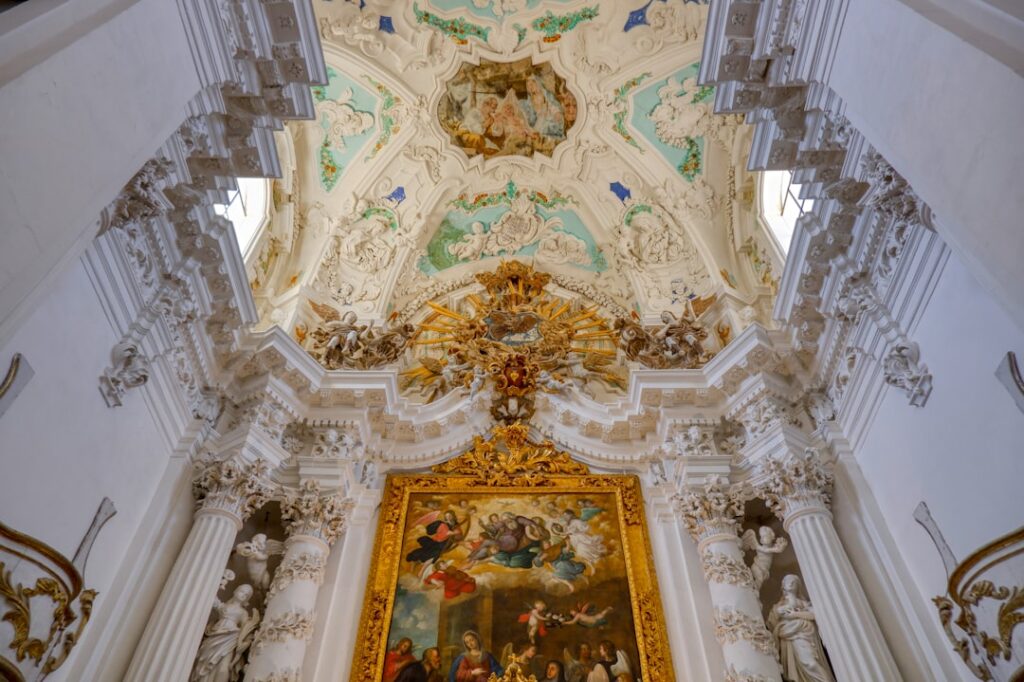
Immersive description: the first impression inside is that of a sacred theater. The stuccoes narrate biblical episodes and saints’ lives, framed by woodwork and paintings whose colors vibrate with changing light. The adjacent cloister — often closed but open during cultural events — reveals an inner garden, finely carved arcades and a contemplative atmosphere, perfect for a quiet pause out of the summer sun.
Local tips: if you’re into sacred music, check ahead: Chiesa di San Domenico regularly hosts small vocal ensemble or organ concerts, especially from May to September. For a deeper visit, request the iconographic brochure at the welcome desk or sacristy; it identifies the works and their authors (many altarpieces date from the 18th century, though some older pieces have been preserved here).
Minor churches and hidden treasures: Santa Chiara, San Carlo, Gesù and small chapels
Beyond the main buildings, Noto is full of smaller churches, each offering a lesson in baroque detail. Among them, Chiesa di Santa Chiara (Monastero di Santa Chiara), located at Via Corrado Nicolaci, 96017 Noto SR, Italy, is a fine example of a cloister and delicately decorated chapels. Hours: cloister visits possible by appointment; free entry or donation welcome (€1.00–€3.00).
Chiesa di San Carlo al Corso (approximate address: Via San Carlo, corner of Corso Vittorio Emanuele, 96017 Noto SR) stands out for its baroque altar and restored frescoes. Hours: generally open from 09:30 to 12:30 and 16:00 to 19:00; free admission. Chiesa del Gesù (also called Chiesa di Santa Maria dell’Itria or Gesù, Corso Vittorio Emanuele 54) houses colorful stuccoes and a richly decorated ceiling; sometimes admission requires a small €2.00 ticket for access to a temporary exhibition.
These “small” churches are often where parish life is most palpable: lit candles, suspended ex-votos, pews lined in silence and older parishioners exchanging news and memories. Side chapels, sometimes open only on special occasions, contain relics, polychrome statues of saints dressed in local costume, and workshop paintings from Sicilian ateliers. For the visitor, the reward is a contemplative intimacy rarely found in grand cathedrals.
Local tips: set aside half a day to explore these hidden treasures. Wander aimlessly through the side streets off Corso Vittorio Emanuele: you’ll stumble upon ornate gates leading to small sanctuaries where a discreet peek is enough to astonish you. If possible, speak with a local priest or art restorer: their anecdotes about recent restorations and artwork discoveries often tell you more than printed guides.
Practices, festivals and practical advice for visiting Noto’s churches
Understanding local faith and liturgical customs makes visiting Noto’s churches more respectful and rewarding. Religious life is still very active: daily Masses, lavish weddings, saint processions and seasonal liturgical events mark the year. Service times change with the seasons; in summer many parishes offer evening vigils and spiritual concerts. To plan your trip, keep these indicative times in mind: morning Masses between 08:00 and 11:00, main Sunday services around 10:00–11:30, and Vespers varying between 17:00 and 19:00.
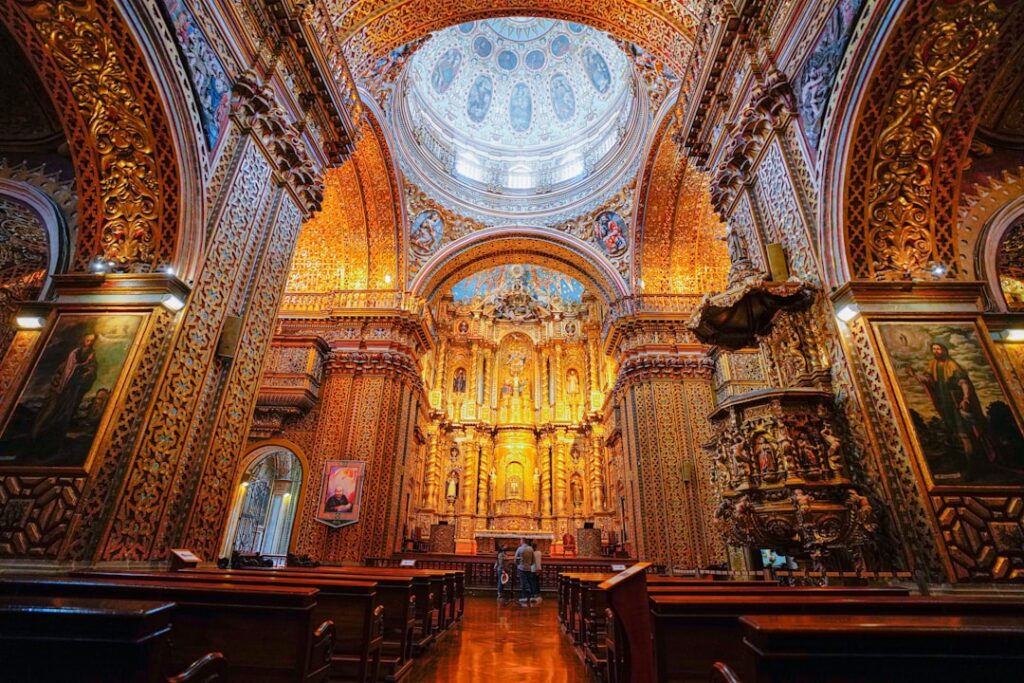
During major religious celebrations — notably Holy Week and the patronal feast of San Corrado Vescovo (celebrated in September some years) — the town becomes a sacred theatre: processions, popular fervor and floral decorations. These moments offer memorable experiences: the meeting of popular faith and Baroque heritage is clearer than ever. For photographers, the golden rule is to remain discreet and ask permission before photographing worshippers or ceremonies.
Practical tips:
– Dress code: shoulders and knees should be covered in most churches. Carry a light scarf or jacket for quick visits.
– Photography: flash is often prohibited inside; prefer higher ISO and a steady hand. Some sites request a small fee to take photos; check at the entrance.
– Accessibility: Noto’s historic center has stairs and uneven cobbles; access for people with reduced mobility is limited. Contact the parish or the local tourist office (Comune di Noto, Piazza Municipio, 1, 96017 Noto SR) for specific information.
– Tickets and guided tours: for in-depth visits (crypts, diocesan museums, organ concerts) it’s recommended to book at least 24 hours in advance. Fees for these services generally range from €3.00 to €15.00 depending on the offering.
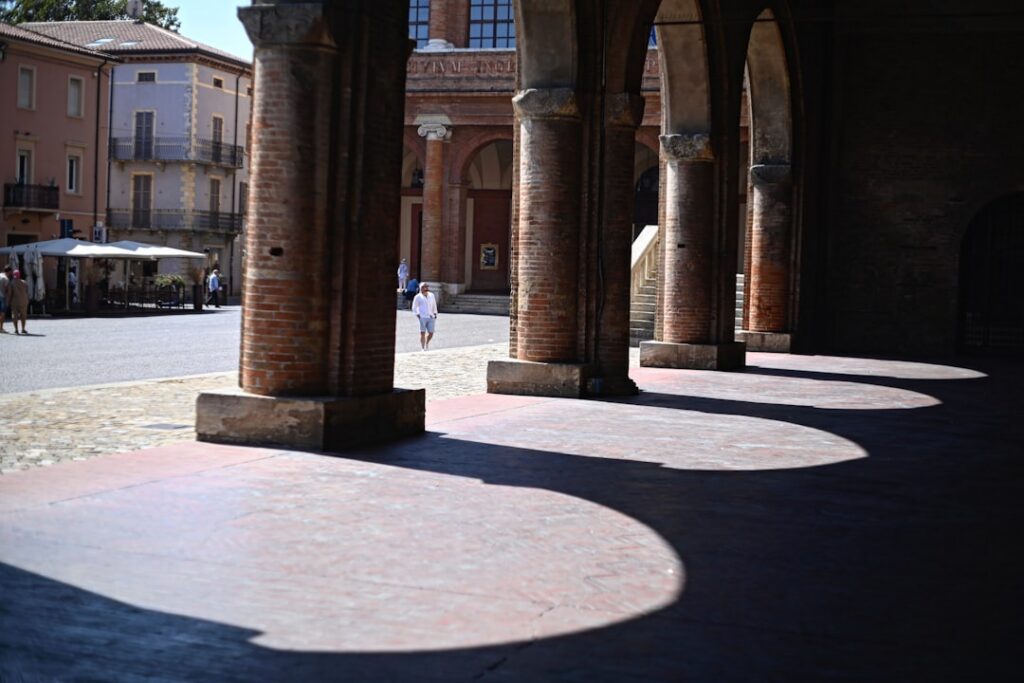
– Transport: Noto is easily explored on foot; most of the churches described are along or close to Corso Vittorio Emanuele. To reach outlying hermitages or rural sanctuaries, use a local taxi or rent a car.
Conclusion: between stone and prayer — the living legacy of Baroque in Noto
Noto is more than a destination for architecture lovers; it’s a place where history, piety and creative expression blend to offer an experience that goes beyond the visual. The churches we’ve visited — from the majestic Cattedrale di Noto to Chiesa di San Domenico, through small chapels and monasteries — demonstrate a unique ability to translate faith into shapes, color and light. Each building tells a story: rebuilding after catastrophe, asserting a communal identity, celebrating local saints or preserving precious relics and artworks.
For the visitor, Noto’s richness is revealed through slowness and attention to detail. Take the time to step into a nave, study an altarpiece, listen to a chant or sit in a cloister. Respect local practices, be patient during services and join in activities when the opportunity arises — a small organ concert, a themed guided tour, or simply a conversation with a parishioner. These human encounters give meaning to the stones and the stuccoes.
Finally, remember that visiting Noto also supports the conservation of a living heritage. Small contributions at entrances, donations for restorations or purchasing a brochure help local communities preserve these treasures for future generations. Whether you’re an art lover, a pilgrim or a curious traveler, let yourself be carried away: Noto’s baroque beauty fully reveals itself to those who balance aesthetic admiration with respect for the faith that animates these places.