




Introduction — Sant’Agata in Catania: the festival that electrifies an island
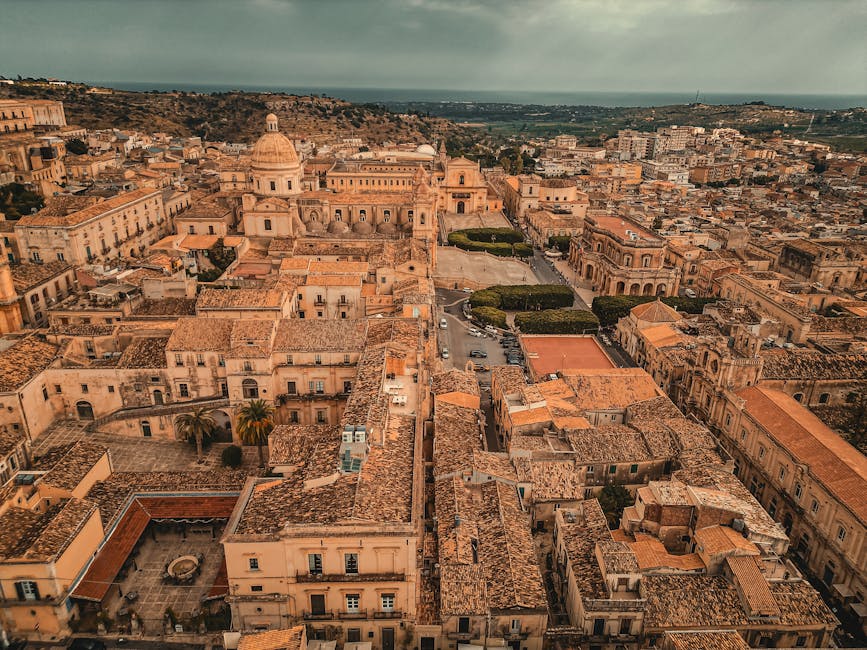
The Festa di Sant’Agata in Catania is one of those religious and popular events that go far beyond a simple celebration: it’s a shared experience, an eruption of emotion, devotion and tradition that literally takes over the city and, in a way, much of Sicily. Every year in early February, tens of thousands of worshippers, visitors and curious onlookers descend on Catania to witness the rites, processions and ceremonies honoring Saint Agatha, the city’s patron saint. The mix of sacred elements — relics, hymns, solemn masses — and secular ones — street stalls, folk music, festive food — creates a unique atmosphere, both vibrant and intimate.
Saint Agatha (Sant’Agata) is venerated for her martyrdom and as a protector against fires and Etna eruptions; her legend is deeply embedded in local imagination. The festival expresses this history through precise, ritualized events: carrying the relics, the fercolo (the silver float), processions of the faithful, blessings, and several liturgical moments spread over three official days — February 3–5 — preceded and followed by related ceremonies in the surrounding weeks. For visitors, understanding the schedule, the key locations and the social codes helps you enjoy the festival without being overwhelmed.
This practical guide, written for the attentive traveler, offers a detailed immersion: must-see spots, exact addresses, approximate opening times, entrance fees for related sites, descriptions of highlight moments, practical tips (where to stand for processions, how to behave, what clothes to favor), and recommendations to make the most of the experience without missing the essential gestures. Whether you’re religious, a history buff, a photographer or simply curious, this text aims to make you self-sufficient during your visit and give you concrete landmarks — the cathedral address, a description of the fercolo procession, which museums and churches are open during the festival, typical dining options and safety tips.
Finally, the Festa di Sant’Agata isn’t limited to religious ceremonies: it energizes the local economy, animates shops, mobilizes volunteer groups and creates musical and sporting side events. The nighttime atmosphere, when streets glow with candles and lanterns and the crowd sings Gregorian chants or popular songs, can catch an unprepared visitor off guard. This guide will help you read those signs, pick the right moments and experience the festival with the respect and enthusiasm it deserves.

History, symbols and essential places to know
Understanding the festival’s origins helps gauge its intensity. Saint Agatha was a 3rd-century Christian martyr whose relics are kept in Catania. Devotion has developed over the centuries around three central sites: the Cattedrale di Sant’Agata (Cathedral of Saint Agatha), the chiesa di Sant’Agata alla Fornace (the sanctuary linked to the martyrdom site) and the fercolo (the silver float carried in procession). These locations are the festival’s nerve centers today, with a city layout that guides the processions through the historic core.
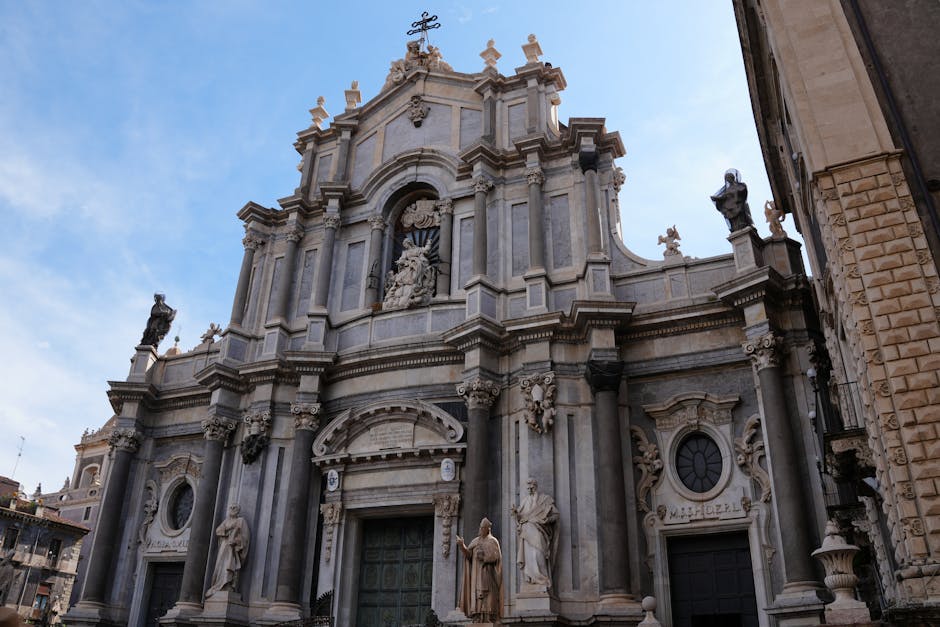
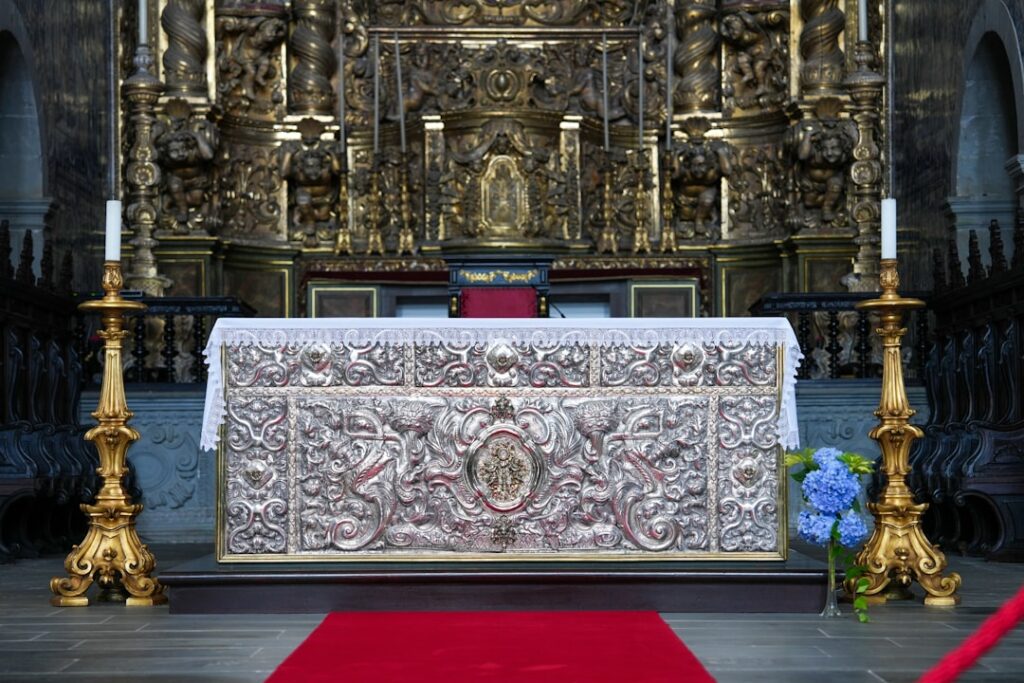
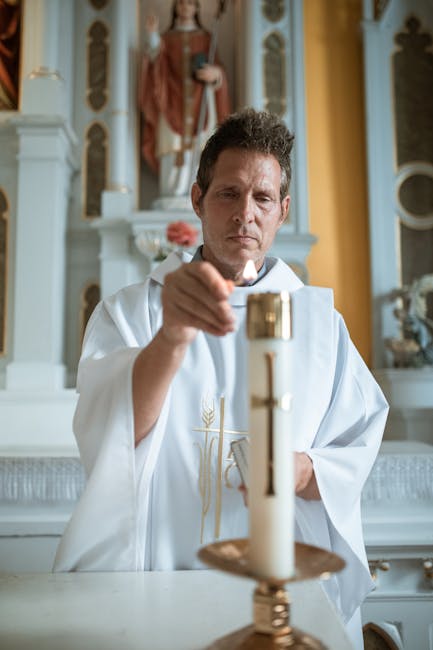
Cattedrale di Sant’Agata — Piazza del Duomo, 95124 Catania CT, Italia. The cathedral, standing on the large Piazza del Duomo, is the ceremonial hub: some relics are kept here and the solemn masses take place within. Entry to the cathedral is usually free for services; however, access may be temporarily restricted during ceremonies (expect queues). Indicative opening hours in non-festival times: 08:00–12:00 and 16:00–19:00; during the festival the cathedral tends to stay open almost continuously. Dress respectfully: discreet clothing, shoulders covered.
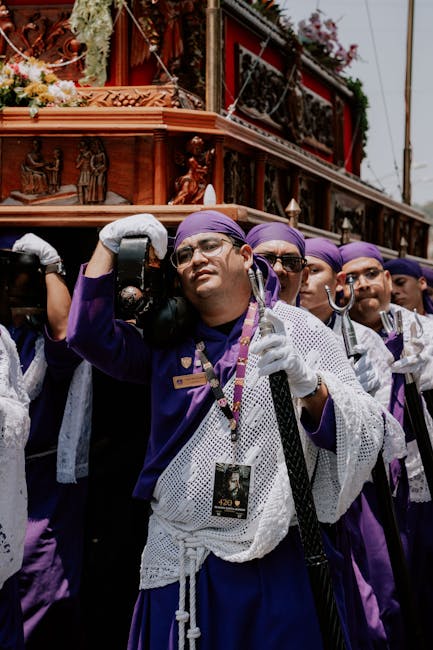
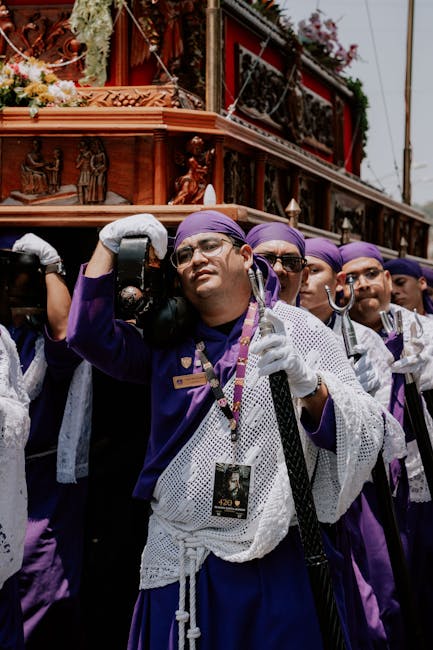
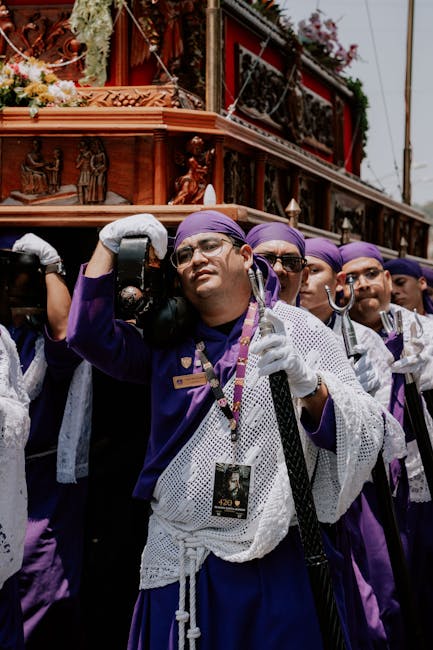
Sant’Agata alla Fornace — the traditional site associated with the martyrdom, often included on devotional routes. Exact address and opening times vary year to year; during the festival, municipal information stands (Comune di Catania) point out access routes and diversions. The fercolo, a monumental silver float, is a priceless religious artwork carried by teams known as « devoti » following a codified relay system. These events are free and open to the public, but it’s wise to arrive 1–2 hours early to secure a good vantage point and to respect the carriers’ space.
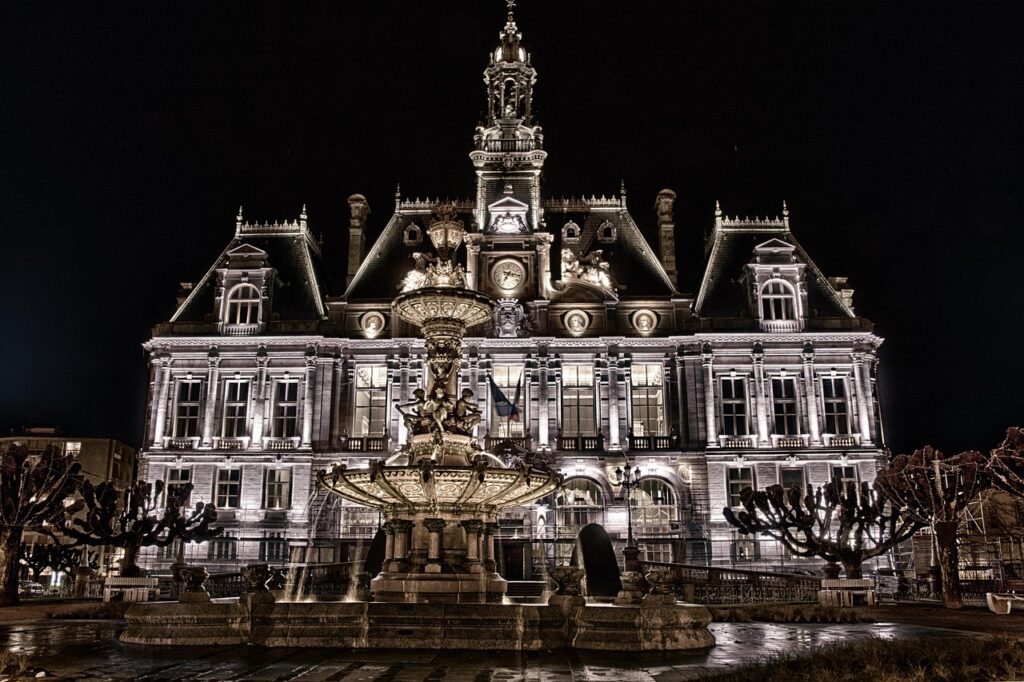
Practical tip: download the official Comune di Catania brochure (usually available in Italian and sometimes in English) and check the information boards on Via Etnea and Piazza del Duomo. Procession routes sometimes change based on logistical needs; referring to the information point at the Palazzo degli Elefanti — Piazza Duomo, 1, 95124 Catania CT — can save you disappointment. Palazzo degli Elefanti is the town hall and coordinates security and permits. During the festival, municipal officers and volunteers are deployed to guide the crowds.
Day-by-day rundown: what not to miss (February 3–5)
The official festival centers on three days: February 3, 4 and 5. While there are preparatory and follow-up events, knowing these key days helps you plan your stay. Note that times can vary slightly from year to year; below is a typical schedule and the best spots to watch.
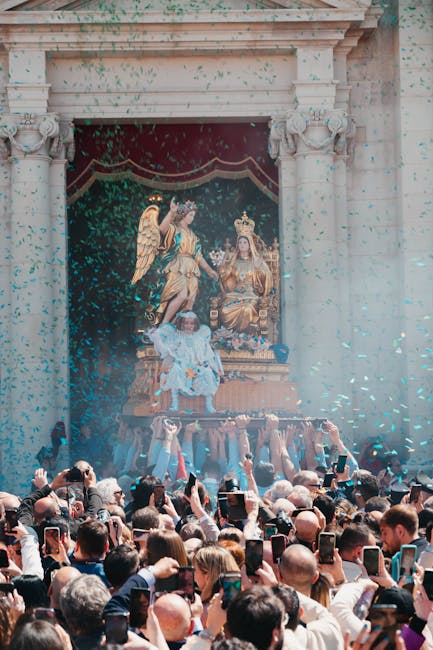
February 3 — Transfer of the relics and initial ceremonies. At dawn, services mark the start of the festivities; around 08:00–10:00 the relic is placed on the fercolo and blessings are given. In the early evening (18:00–20:00) the first night procession winds through the streets near Piazza del Duomo with candles, hymns and petitions. Tip: position yourself on Via Etnea (between Piazza del Duomo and Via Garibaldi) to catch the float as it enters the main thoroughfare.
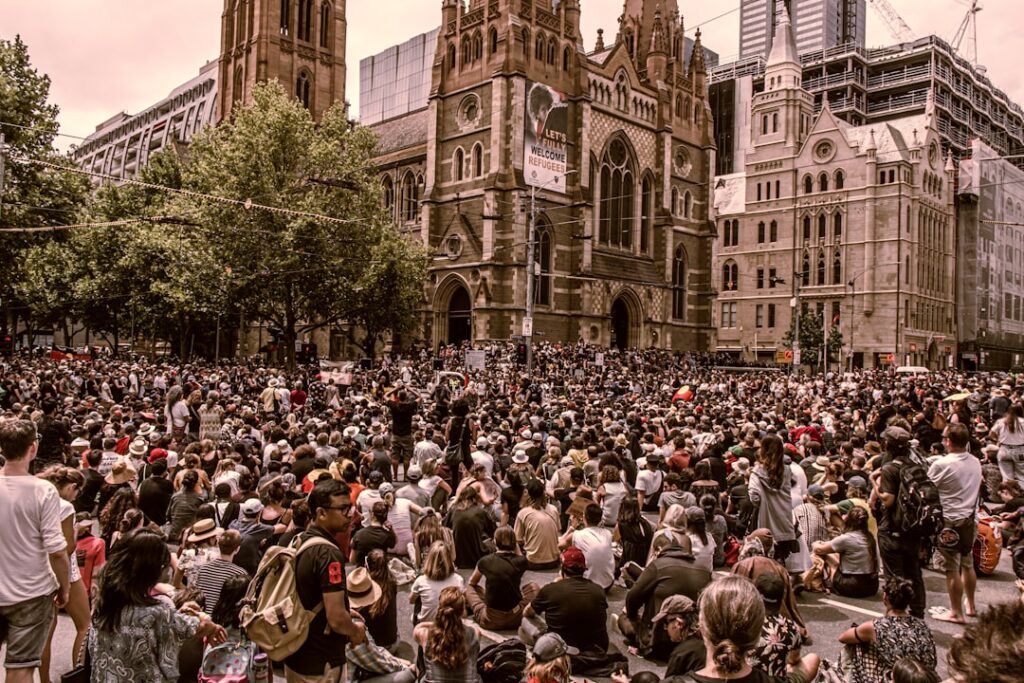
February 4 — Vigil, candles and music. The day is paced by masses and visits to the cathedral; in the evening there’s usually a long vigil. Depending on the annual program, folk groups and musical ensembles perform in the squares; at night hundreds of candles and lanterns create a spectacular light show. Restaurants and street stalls stay open late — a great opportunity to try local specialties like arancini, swordfish (pesce spada) or ricotta-based pastries.
February 5 — The grand procession. The climax: the fercolo is carried on a long, gruelling route that can last the whole day, often starting from 09:00 and stretching late into the night depending on liturgical stops and pace. The silver float, relics and processional statues travel along Via Etnea, Piazza del Duomo, working-class neighborhoods and the city’s waterfront. Expect intense devotion and moments of powerful collective emotion. For photographers, favor elevated positions (hotel terraces or rented balconies) or spots along the route where the crowd steps back for the carriers: these moments yield exceptional frames.
Music, food and popular traditions: experiencing the festival like a local
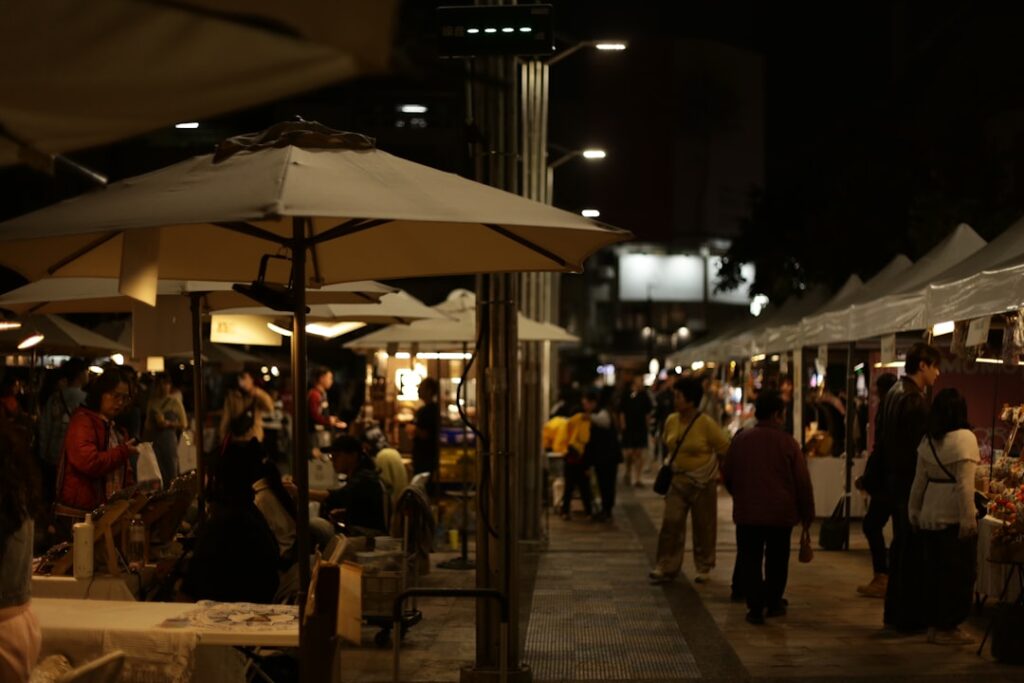
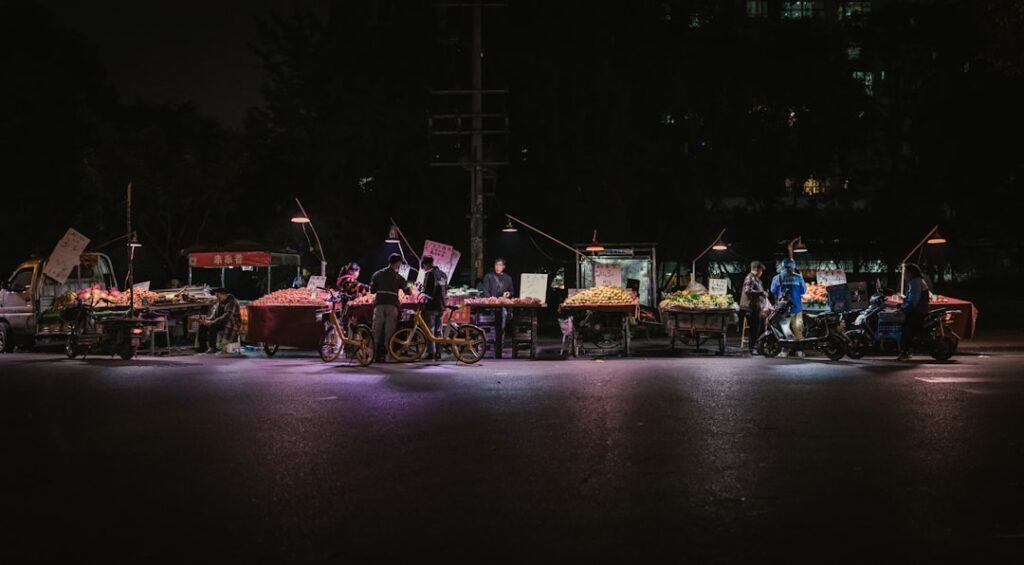
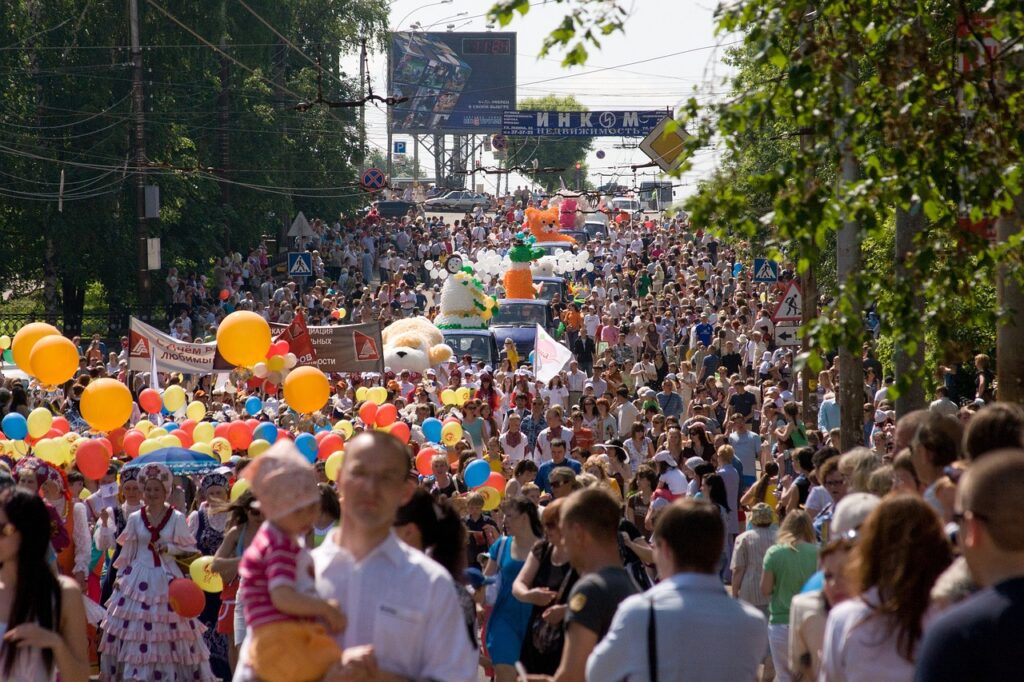
Beyond the sacred moments, it’s the popular details that make the festival unforgettable. Religious music and folk songs mingle; local brotherhoods (the clergy and lay associations) organize services, concerts and performances. Temporary markets and street stalls sell Sicilian specialties, religious crafts and souvenirs.
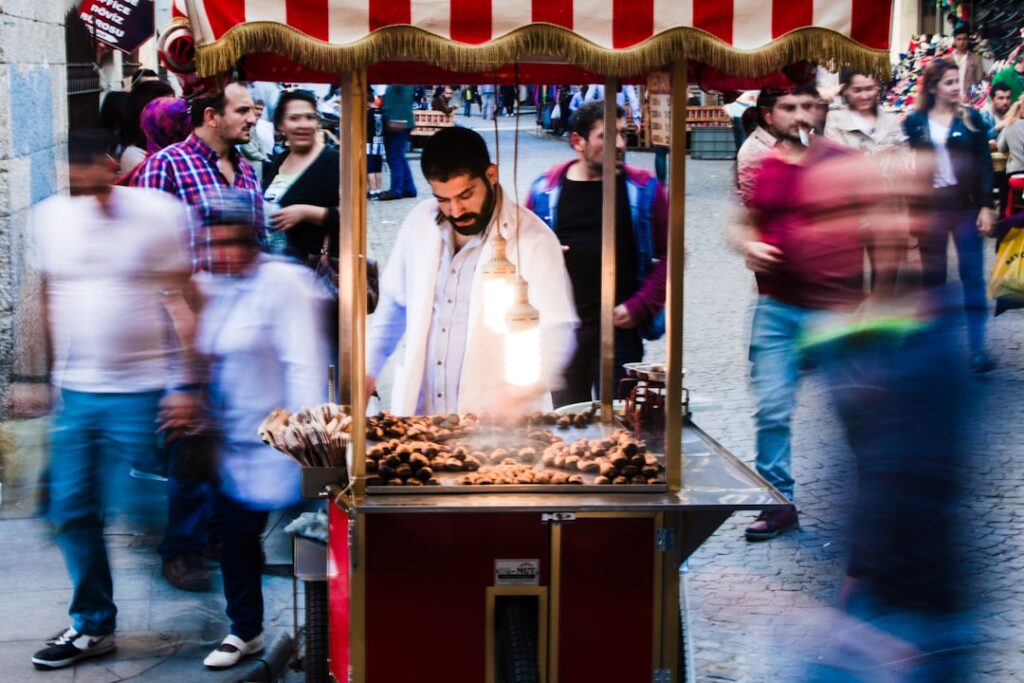
Food: don’t miss the classics. Arancini (arancine): fried rice balls with fillings, approx. €2.50–4.00. Sicilian cannoli: €2.00–3.50 each depending on size. Granita with coffee and brioche: about €3.00–5.00. For a seated meal, central trattorie offer festival menus: a full meal (antipasto, primo, secondo, dessert) often runs €20–35 per person excluding drinks. Recommendations: Osteria Antica Marina (Via Pardo, 24, 95131 Catania CT) for fresh seafood — open 12:00–15:00 and 19:00–23:00, menu around €25–40; Trattoria da Antonio (Via Etnea 85, 95131 Catania CT) for traditional dishes — check opening times and reserve during the festival as they often sell out.

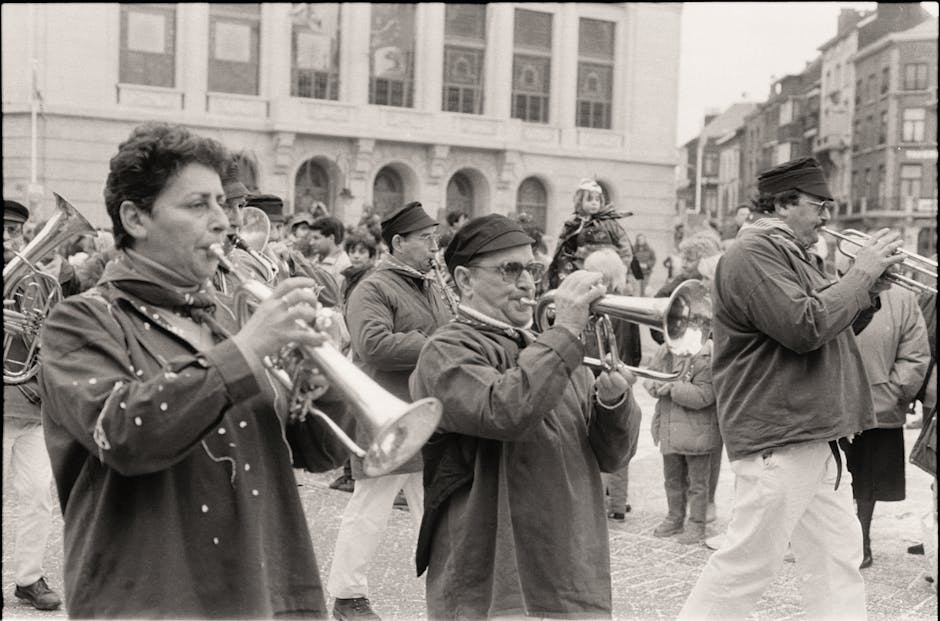
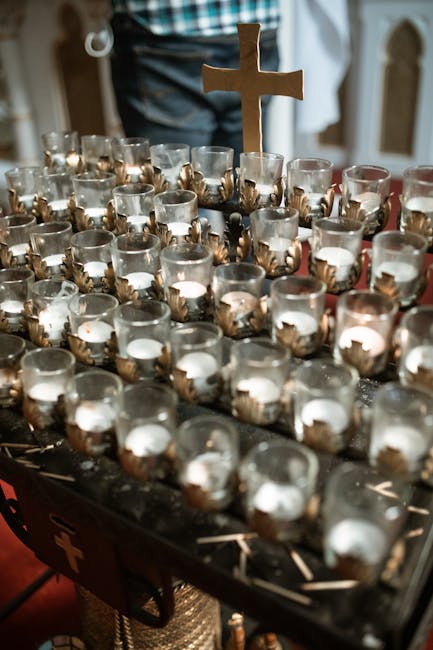
Music and atmosphere: attend a sacred chant concert at the Cattedrale di Sant’Agata or the evening entertainment on Piazza Duomo. Local brass bands often accompany the processions. Tip: bring earplugs if you’re sensitive to loud sounds (bands, fireworks).
Practical tips: transport, accommodation, safety and respecting traditions
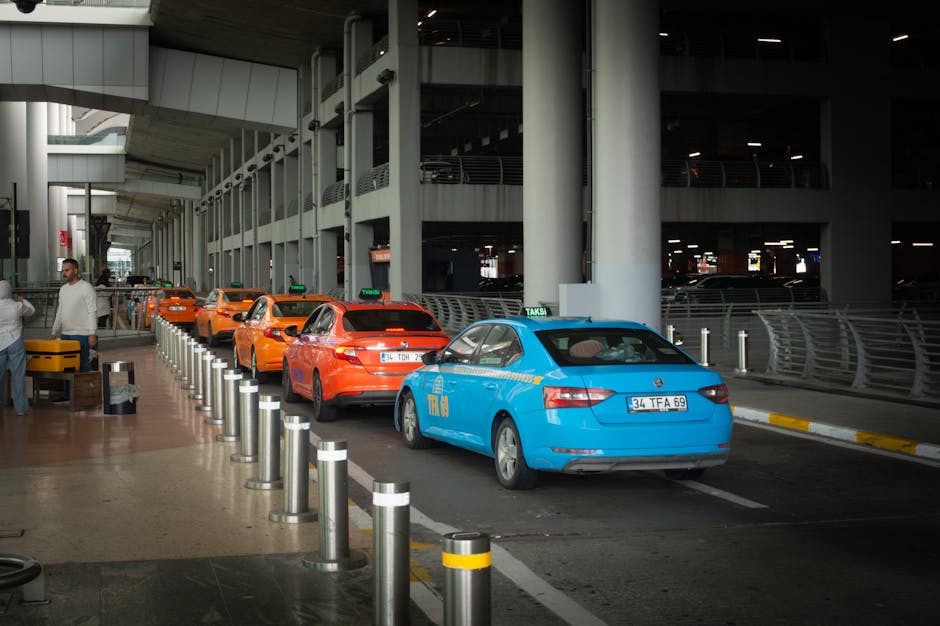
Traveling to Catania during the festival requires planning. Visitor numbers are high; transport and accommodation should be booked well in advance. Fontanarossa Airport — Catania–Fontanarossa Airport (Aeroporto Vincenzo Bellini, Via Fontanarossa, 95121 Catania CT) is the main arrival point. Shuttles and buses connect the airport to the city center (Alibus line A / A1, approx. €4 per trip). The central train station (Stazione di Catania Centrale, Piazza Papa Giovanni XXIII, 95100 Catania) is also served by regional and intercity trains.
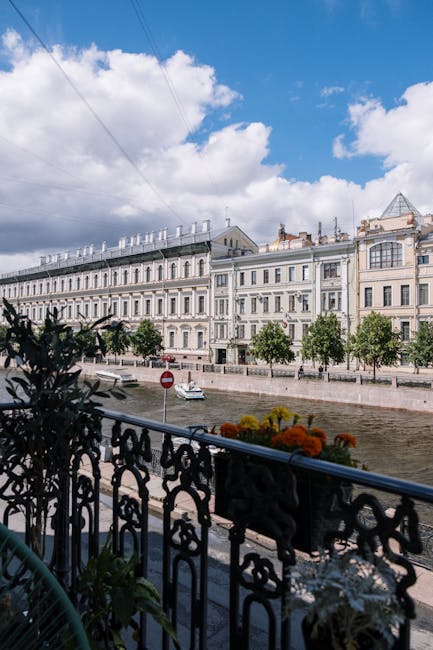
Accommodation: favor the historic center (streets around Piazza del Duomo, Via Etnea) to stay at the heart of the action; prices rise sharply during the festival. Practical example: Hotel Agathae — Via Etnea 219, 95131 Catania CT — located on the main axis, rates vary (low season €60–90, festival period €120–220 per night). Book at least 2–3 months ahead if you want a balcony overlooking the procession route (ideal for photos and watching from a safe distance).
Safety and conduct: follow municipal police instructions; avoid barricaded areas. Don’t carry bulky items in the crowd — opt for a light, secure bag. Respect the rites: be quiet during liturgical moments, no flash photography in the cathedral, and do not enter zones reserved for the carriers. If you want to participate in offerings or buy religious items, use official points of sale to avoid counterfeits.
Side trips to plan around the festival
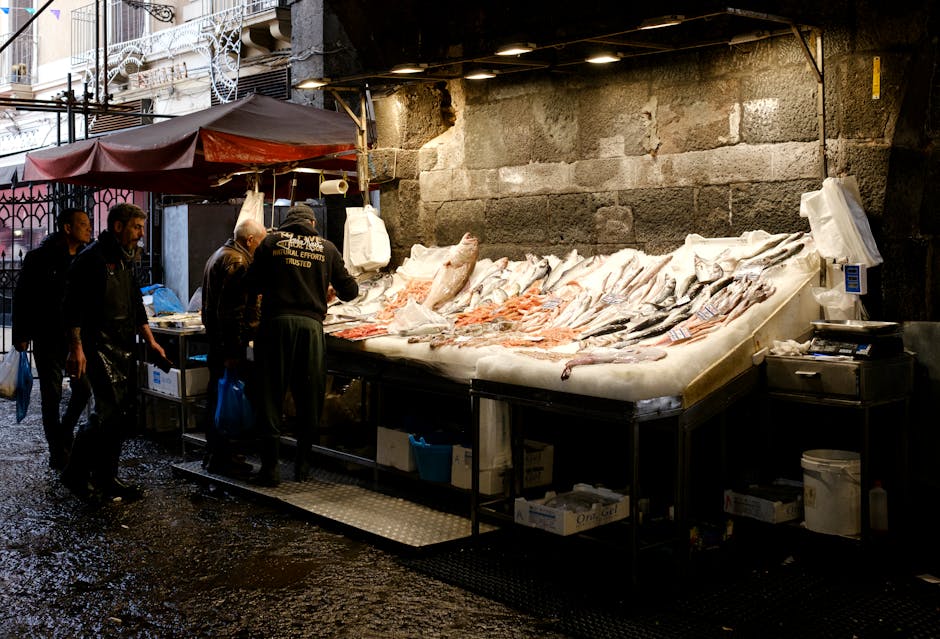
Take advantage of your stay to see Catania beyond the fervor: Via Etnea (the main shopping and panoramic thoroughfare), the fish market (La Pescheria) behind Piazza del Duomo (Via Pardo area), Castello Ursino (Piazza Federico di Svevia, 95121 Catania) and, weather permitting, an excursion to Etna (guided tours, prices vary €40–100 depending on the itinerary).

Castello Ursino — Piazza Federico di Svevia, 95121 Catania CT — a museum with archaeological collections; typical hours 09:00–19:00, entrance about €6–8. The La Pescheria market (near Piazza del Duomo, open early morning until around 13:00) is a lively spectacle where you can buy fish, fruit and local produce. For a longer outing, rent a car (daily rates €40–70 depending on season) to reach Taormina (about 50 km) or the beaches of the Ionian coast.
Conclusion — experience Sant’Agata with respect and wonder
The Festa di Sant’Agata in Catania is far more than a religious event: it expresses a collective identity, historical memory and a living popular culture. Preparing means knowing the highlight days (February 3–5), recognizing key sites like the Cattedrale di Sant’Agata — Piazza del Duomo, 95124 Catania CT — and anticipating logistical constraints (transport, accommodation, safety). By observing the codes — silence during liturgical moments, leaving space for the carriers, dressing modestly in places of worship — visitors become part of a rare emotional and visual experience.
The practical tips shared here — picking strategic viewing spots (Via Etnea, balconies, terraces), booking accommodation well in advance, carrying cash for small expenses, and checking the municipal information boards at the Palazzo degli Elefanti (Piazza Duomo, 1) — are designed to help you enjoy the festival without surprises. Don’t forget to taste the local cuisine, listen to the chants and take time to talk to locals: those encounters often make the best memories.
Finally, the festival changes slightly every year: schedules, routes and side events can evolve. Before you travel, check the official Comune di Catania website and local tourist offices for the latest programs and adjust your plans accordingly. Return with patience, respect and curiosity, and you’ll understand why Sant’Agata remains, for Catania and many Sicilians, the festival that electrifies an entire island.