





Introduction — Why Cefalù is a playground for sea views
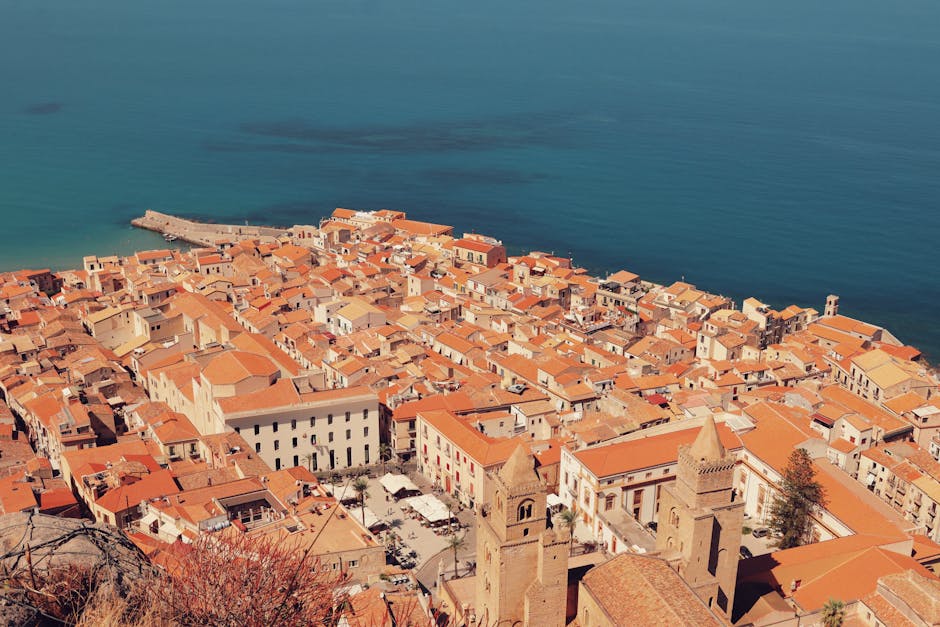
Cefalù, a little coastal gem in the province of Palermo, Sicily, looks like it was painted for photographers. With its imposing Norman cathedral, winding medieval alleys, its crescent bay and the rock silhouette of the Rocca dominating the scene, Cefalù serves up an exceptional variety of sea panoramas. Whether you’re an amateur or pro photographer, a painter, a romantic hiker, or a traveler chasing sunsets, the town is full of viewpoints that turn the horizon into a shifting spectacle: from the deep blue of the Mediterranean to the pinkish hues of twilight and the silvery reflections of early morning.
Capturing the perfect horizon in Cefalù is about more than gear; it’s about timing, weather, position, patience and respect for the place. The secrets of a great shot can hide in the details: reading the wind that shapes the waves, adjusting exposure for a low sun, using a polarizing filter to cut glare on the water, or choosing a wide-angle lens to embrace the whole bay. In Cefalù, every viewpoint tells a different story — the Lungomare Giuseppe Giardina promenade reveals seaside life, while the climb up to the Rocca gives a vertical panorama that layers sea and history.
This guide walks you step by step through capturing those marine panoramas. You’ll find precise locations (so you don’t waste time), opening hours and entrance fees for main sites, immersive descriptions to pick your shooting angle, plus practical local tips (best seasons, drone rules, and where to grab a coffee after a session). I’ve highlighted concrete landmarks like the Cathedral of Cefalù (Duomo di Cefalù), the Museo Mandralisca, the Lavatoio Medievale, the Lungomare Giuseppe Giardina promenade, the port of Cefalù and, of course, the Rocca. Each section includes technical tips and alternatives depending on whether you’re shooting with a smartphone, a mirrorless, or a full-frame body.
Beyond photography, Cefalù is a place where you can feel the Mediterranean: the smell of salt and citrus, distant fishermen’s songs and cathedral bells. Respecting these elements — the locals, marine life and local regulations — is the best way to create authentic, responsible images. Pack your kit, check the tide and opening times, and let Sicilian light guide you: the perfect horizon is waiting, and Cefalù is one of the best natural studios to compose it.
The Rocca of Cefalù — climb up to dominate the horizon (access, markers and tips)
The Rocca is the rocky promontory towering over Cefalù and one of the best vantage points to capture the sea horizon. The main trail up to the Rocca usually starts from Via Fra’ Filippo or the lanes around Piazza del Duomo (Piazza del Duomo, 90015 Cefalù PA). The ascent takes roughly 30 to 50 minutes depending on fitness and the number of photo stops, with rocky sections and old steps. Access to the Rocca is free, but some stretches are steep — sturdy hiking shoes are a must.
Hours and practical tips: you can climb it any time of day, but the photography sweet spots are dawn and late afternoon (golden hour) for gentle contrasts and shadows that sculpt the bay. In the morning the sun rises to the right of the bay, lighting the eastern facade of the Duomo; at sunset light comes from the left, bathing the sea and the town in warm tones. Bring a water bottle (especially in summer) and a hat — there’s little shade on the final sections.
Notable viewpoints: as you near the summit you’ll find natural platforms that frame Cefalù beach (Spiaggia di Cefalù, Lungomare Giuseppe Giardina) and the harbor. These spots let you build layered compositions: a rocky foreground, the town in the midground and the sea horizon beyond. For lenses, a wide-angle (16-35 mm) is ideal for capturing the entire scene, while a telephoto (70-200 mm) isolates sections of the horizon, like fishing boats out at sea.
Safety and drones: drone use is regulated by the Italian authority (ENAC). Around the Rocca and within the urban area there may be restrictions — check local rules or request permission from the Municipality of Cefalù (Comune di Cefalù, Piazza Duomo, 4, 90015 Cefalù PA). If it’s very windy, the climb can get tricky; wait for a calm day for aerial shots.
The Duomo di Cefalù and Piazza del Duomo — capturing the stone-sea interaction
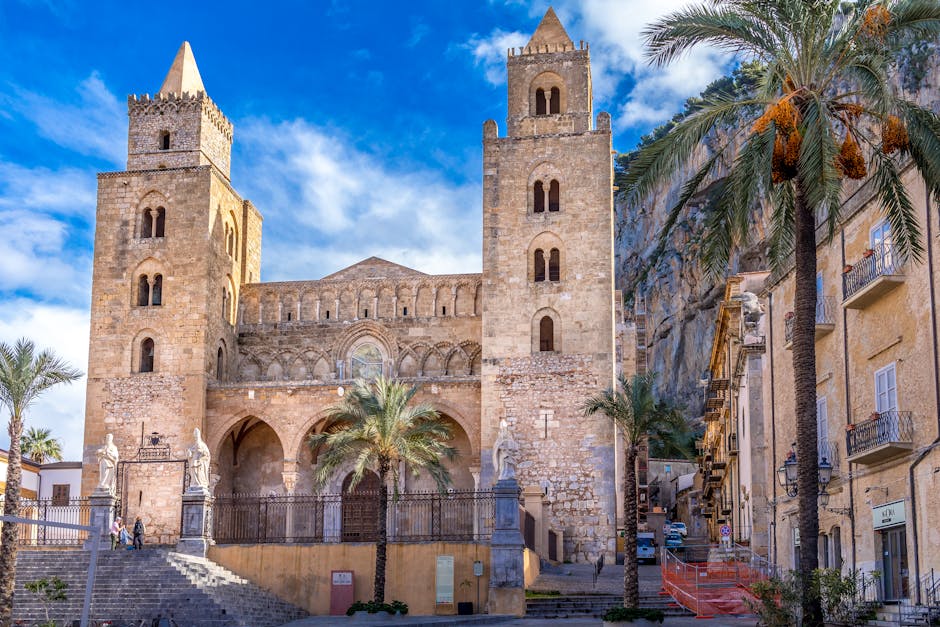
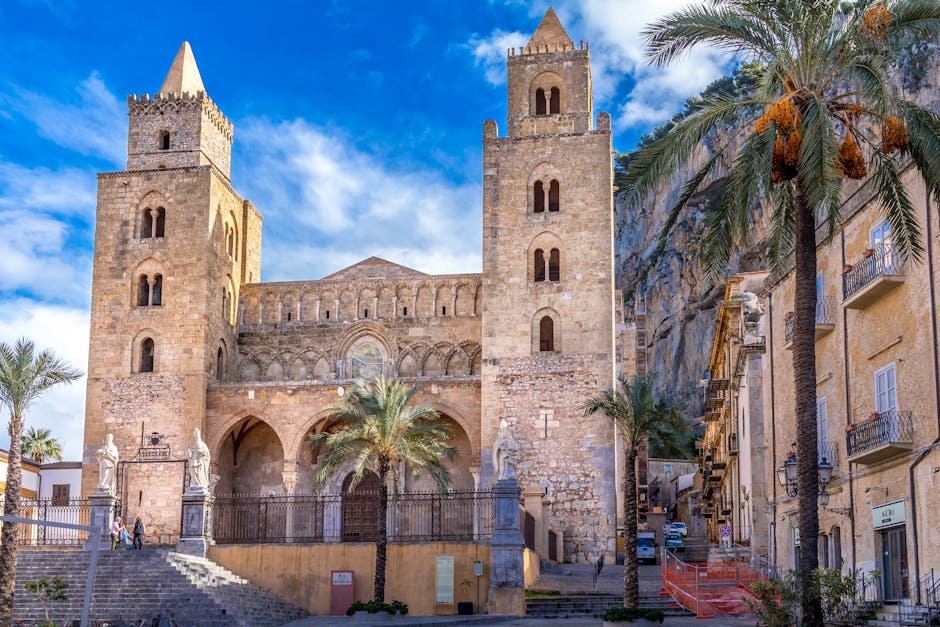
The Duomo di Cefalù (Cattedrale-Basilica di Cefalù) sits on Piazza del Duomo, 90015 Cefalù PA. A protected historic site, this 12th-century Norman cathedral with its Byzantine mosaics is a visual treasure. For panoramic photography, the square in front of the cathedral offers a striking juxtaposition of sacred architecture with the sea horizon just beyond the urban skyline. Entry to the nave is usually free, but access to terraces and the diocesan museum may have a fee: expect roughly €5–8 for paid areas (indicative and subject to change by season).
Typical opening hours: the cathedral is often open from 08:30 to 19:00 (hours vary by season and religious services). The Museo Mandralisca, nearby and a great complement to your visit (Via Mandralisca, 4, 90015 Cefalù PA), displays artworks including the famous “Portrait of an Unknown Man” (Ritratto d’ignoto); admission is usually around €5–8 and the common hours are 09:00–13:00 and 15:00–19:00 (closed some days in low season — check before you go).
Photography tips: from Piazza del Duomo use a standard to wide-angle lens to include the cathedral with the sea in the background. A long exposure at dusk will smooth the water and create a poetic contrast between the golden stone of the Duomo and the deep blue Mediterranean. If you shoot inside, respect the rules (no flash in certain areas) and dress appropriately. Nearby, the Lavatoio Medievale (Medieval Wash House) delivers textures and water reflections that nicely complement a visual story of stone and sea.
Lungomare Giuseppe Giardina, the harbor and the beach — marine life on the front line
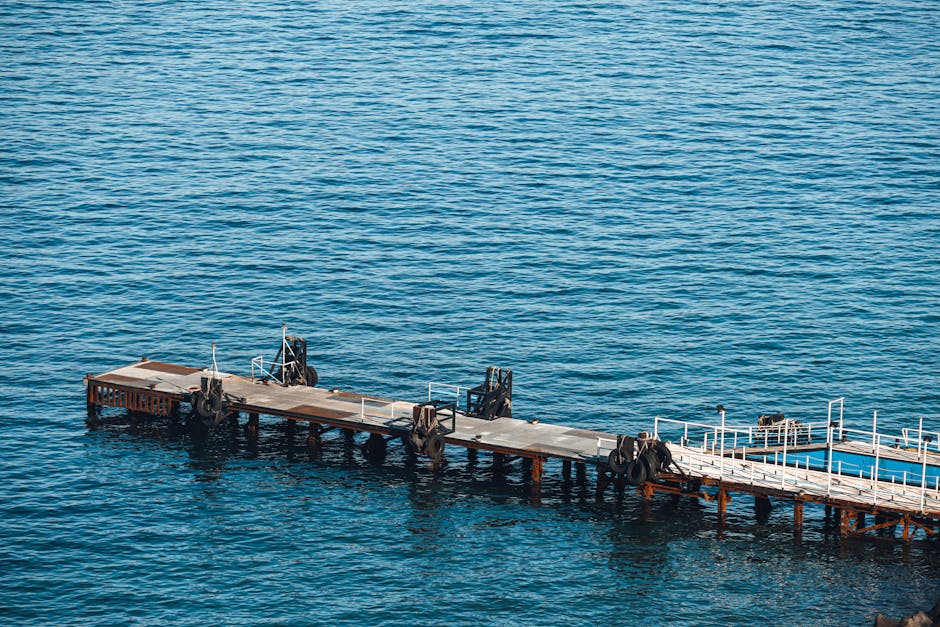
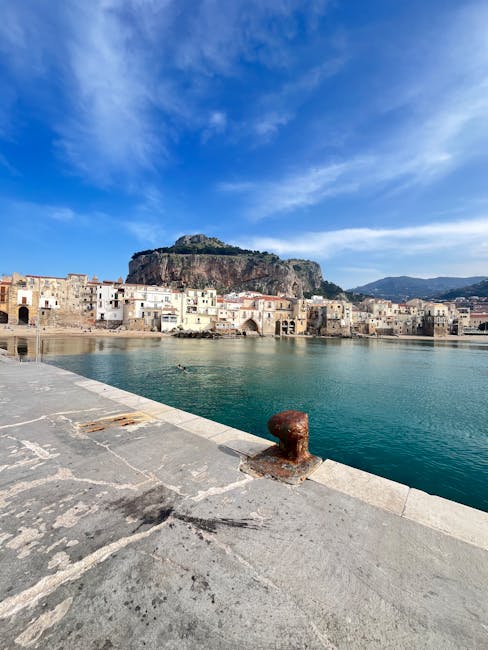
The Lungomare Giuseppe Giardina promenade runs along Cefalù’s main beach (Spiaggia di Cefalù). It starts near Piazza Cristoforo Colombo and stretches toward the tourist harbor (Porto di Cefalù, Via Porto, 90015 Cefalù PA). The open, rock-backed beach is perfect for capturing everyday scenes: families on the sand, fishermen fixing nets, colorful boats on the water, and the Duomo’s silhouette as a backdrop. Morning shots often show calm seas and perfect reflections, while afternoons bring beach activity.
Access and services: the beach is public and free. Commercial services (umbrella and sunbed rentals) operate in high season with variable prices — typically €10–25 for a pair of sunbeds and an umbrella per day depending on location. The port hosts boat trips and coastal excursions; check departure times at the port information office (hours vary, generally 09:00–19:00 in season).
Compositional advice: for a dynamic sea panorama place a foreground element (a rock, a boat or a human silhouette) and keep the horizon on the top third of the frame (rule of thirds). Morning reflections lend themselves to minimalist shots; at sunset look for cutout shapes — masts, buoys and rooftops — in silhouette. Local fishermen can also make intimate portrait subjects: ask permission before photographing and buying a fish or coffee from a port bar is a great way to connect and get genuine smiles.
Safety and ethics: avoid disturbing coastal bird nests, respect fishing lines and don’t walk on seagrass beds. In summer the beach gets crowded; aim for the first hour of the morning or later in the evening for quieter shooting conditions.
Museo Mandralisca and the Lavatoio Medievale — details and textures to enrich your panoramas
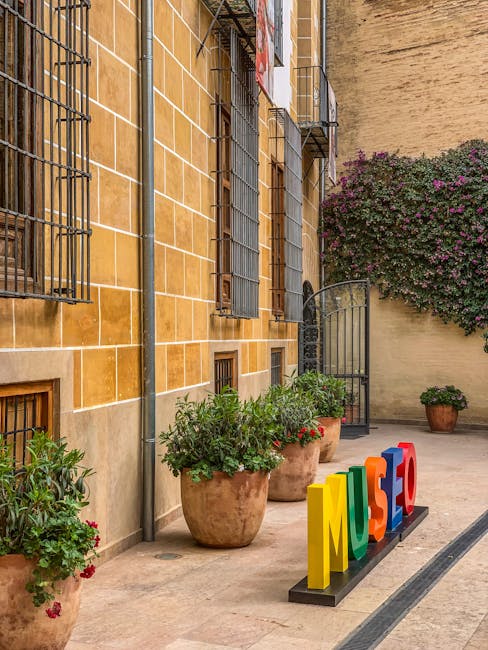
The Museo Mandralisca (Via Mandralisca, 4, 90015 Cefalù PA) is a small museum that pairs perfectly with a collection of marine images, offering portraits, artifacts and the famous “Portrait of an Unknown Man” (Ritratto d’ignoto). Admission is paid (around €5–8, check locally) and opening hours are typically 09:00–13:00 and 15:00–19:00, though they vary by season. The museum’s well-lit interiors and heritage textures provide a strong contrast to your marine panoramas, letting you create visual series that blend sea and history.
The Lavatoio Medievale is an ancient urban washing place tucked into the lanes near the cathedral (approximate address: Vicolo Lavatoio, 90015 Cefalù PA — follow signs from Piazza del Duomo). With rock-carved basins, patinated walls and water channels, this historic spot offers exceptional photographic opportunities for details and reflections. Access is usually free, but the space is compact — be mindful of other visitors and keep noise to a minimum during visiting hours.
Creative use: combine wide shots and close-up details to tell a fuller story of Cefalù — an open sea panorama followed by a tight shot of the Duomo’s golden mosaics, then a snap of wet stone at the Lavatoio. The museum and Lavatoio textures work beautifully in black and white, emphasizing contrast and surface roughness and offering another way to explore the horizon without showing the sea directly.
Practical tips: check for temporary exhibitions at the Museo Mandralisca and its seasonal closing days (often closed on Mondays off-season). Wear grippy shoes for the Lavatoio because the floor can be slippery. If you’re shooting with a model, these places are great for mood portraits, but always ask permission for longer sessions.
Conclusion — Summary of tips and recommendations for the perfect horizon
Cefalù is a laboratory of panoramas where sea, stone and light constantly meet. To capture the perfect horizon combine technical prep (right lenses, filters, a tripod, spare batteries) with on-the-ground smarts (timing, respect for locations, weather). Key spots — the Rocca, the Duomo di Cefalù (Piazza del Duomo, 90015 Cefalù PA), the Lungomare Giuseppe Giardina, the Porto di Cefalù (Via Porto, 90015 Cefalù PA), the Museo Mandralisca (Via Mandralisca, 4, 90015 Cefalù PA) and the Lavatoio Medievale — each offer distinct angles: dramatic verticality from the Rocca, stone-sea dialogues from Piazza del Duomo, everyday life from the beach and harbor, and heritage textures from the museum and Lavatoio.
Times and prices in this article are practical indicators: the cathedral typically opens around 08:30 to 19:00, the Museo Mandralisca and other museums usually have morning/afternoon slots (admission around €5–8), while natural sites like the Rocca and the beach remain free. These details can change with the season; check local tourist offices or official sites (Comune di Cefalù) before you go to avoid surprises. Drone pilots should consult Italian regulations (ENAC) and possibly obtain local permissions to fly near monuments or over populated areas.
Finally, a few field tips to keep in mind: favor golden hour (dawn and dusk), use a polarizer to boost sea colors, try long exposures for silky water effects, and experiment with layered compositions that include an interesting foreground. Engage with locals respectfully — buying a coffee or greeting someone warmly often opens doors and gets you more authentic shots. Cefalù is more than a backdrop: it’s a living place where every horizon tells a story. Let yourself be inspired, prep your gear and set out early: the perfect horizon won’t always wait, but it reveals itself to those who take the time to look.