




Introduction — A Descent into Catania’s Hidden Crypts
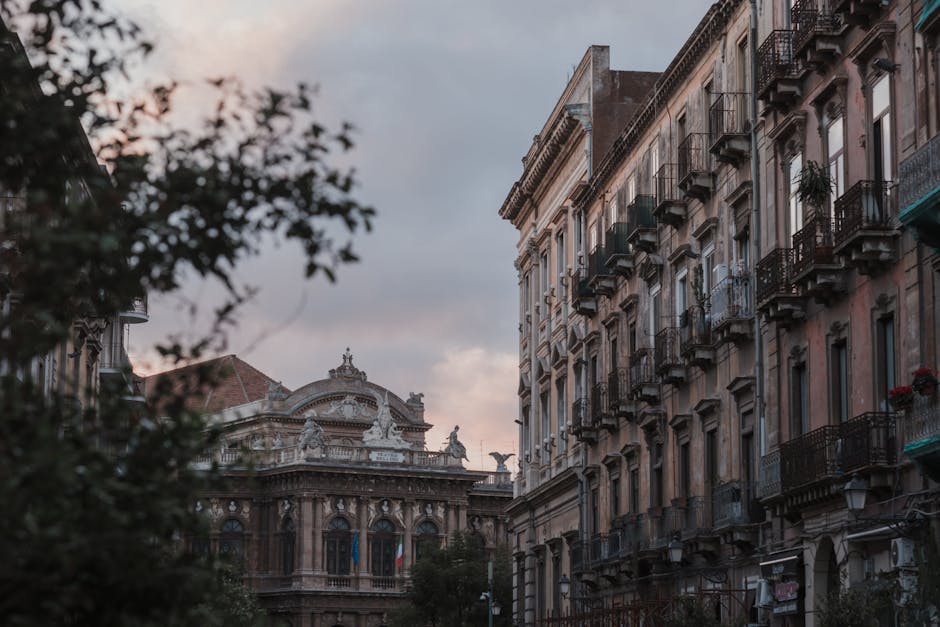
Catania, the bustling port city on Sicily’s east coast, is more than its lively Piazza Duomo, chaotic fish market and the dramatic shadow of Mount Etna. Beneath its cobbled streets and Baroque facades lies a web of crypts, catacombs and underground spaces that tell centuries of devotion, funerary practices and communal memory. This guide is a practical, in-depth companion to discovering those often discreet places — from ecclesiastical crypts to burial galleries of religious communities — with addresses, opening hours, prices, rich descriptions and local tips.
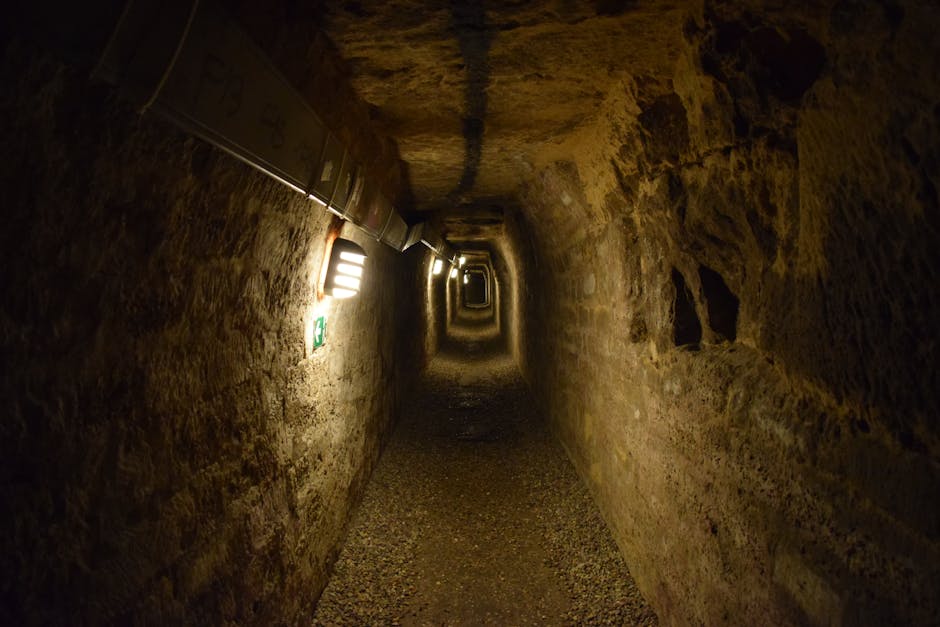
Exploring Catania’s crypts means stepping into a world where light grows scarce, where the scent of damp stone mixes with the faint perfume of centuries-old candles, and where ex-votos and funerary effigies reveal intimate, layered stories. These underground spaces offer a private reading of the city: how Catania has honored its dead, how earthquakes reshaped its architecture, and how Christian and popular rituals — especially those surrounding Saint Agatha, the city’s patron — have been woven into local culture.
This guide takes a practical approach. You’ll find detailed descriptions of crypts open to the public, exact addresses so you won’t get lost, typical prices in euros and up-to-date opening hours. You’ll also get visitor advice — what to wear, what light to bring, when guided tours are preferable, how to behave respectfully around the remains — plus suggestions to extend your route with nearby sights worth seeing. The information suits independent travelers, small groups and fans of architecture and history.
Bear in mind that some sites are sensitive: they house bones, sarcophagi and family tombs. Respect is essential — speak softly, photograph discreetly (or check whether photography is forbidden), and follow the instructions of site staff. Opening times may change with the seasons and religious celebrations (notably Saint Agatha’s festivals), so always verify before you go. Finally, remember that Sicily follows the rhythm of light and heat — early-morning visits are usually cooler and less crowded.
Duomo Crypt: Cripta della Cattedrale di Sant’Agata (Cattedrale di Catania)
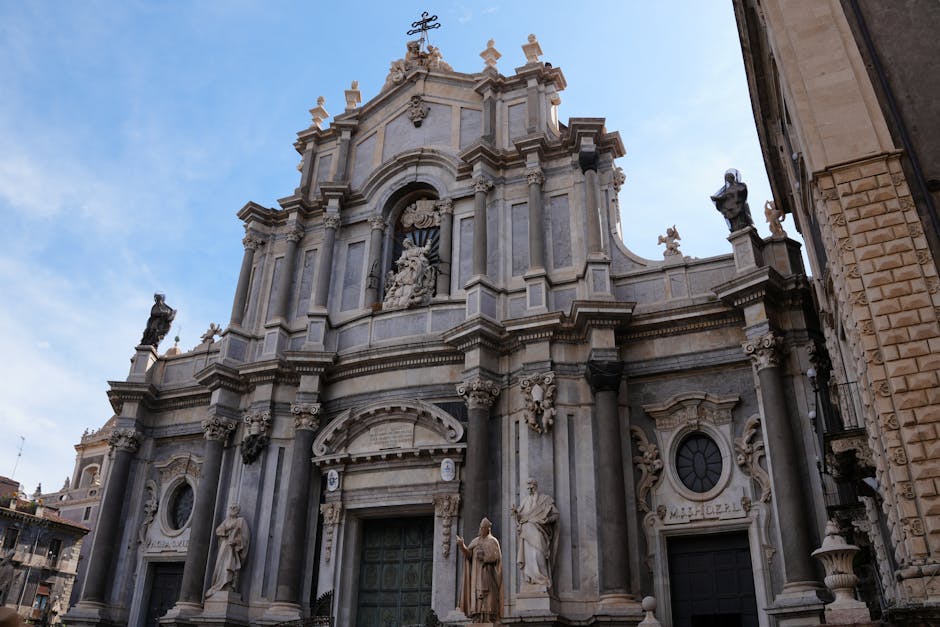
The crypt of the Cattedrale di Sant’Agata lies beneath Catania’s main cathedral and is steeped in history connected to the city’s patron saint. Address: Cattedrale di Sant’Agata, Piazza Duomo, 10, 95131 Catania CT, Italy. The crypt is accessible either through the Duomo entrance or a side access indicated by signs for the diocesan museum. Opening hours: Tuesday to Sunday 9:00–13:00 and 15:00–18:00 (closed on Mondays; hours may vary during religious festivals). Admission: €3.00 for the crypt alone; combined ticket with the Museo Diocesano: €5.00.
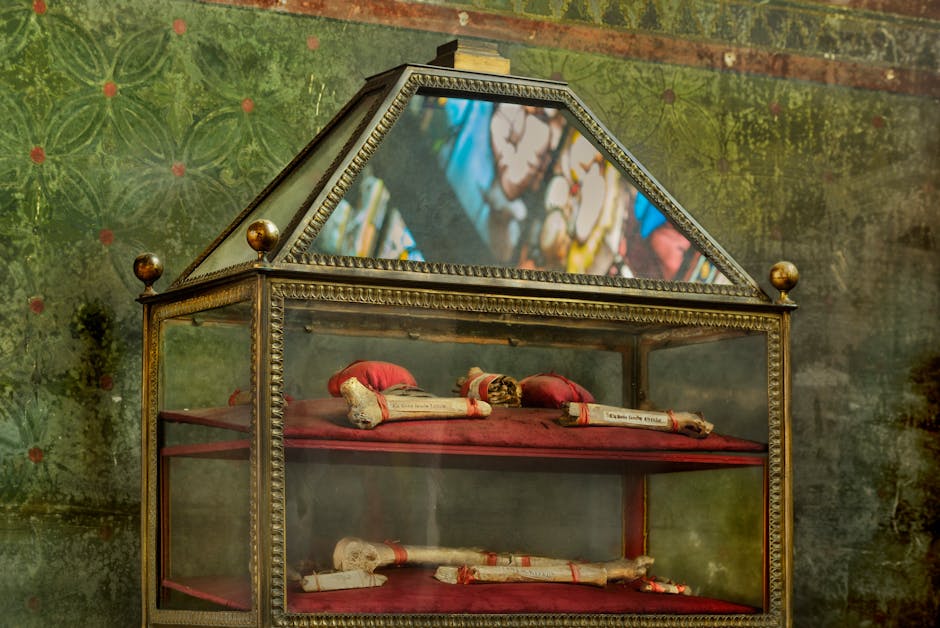
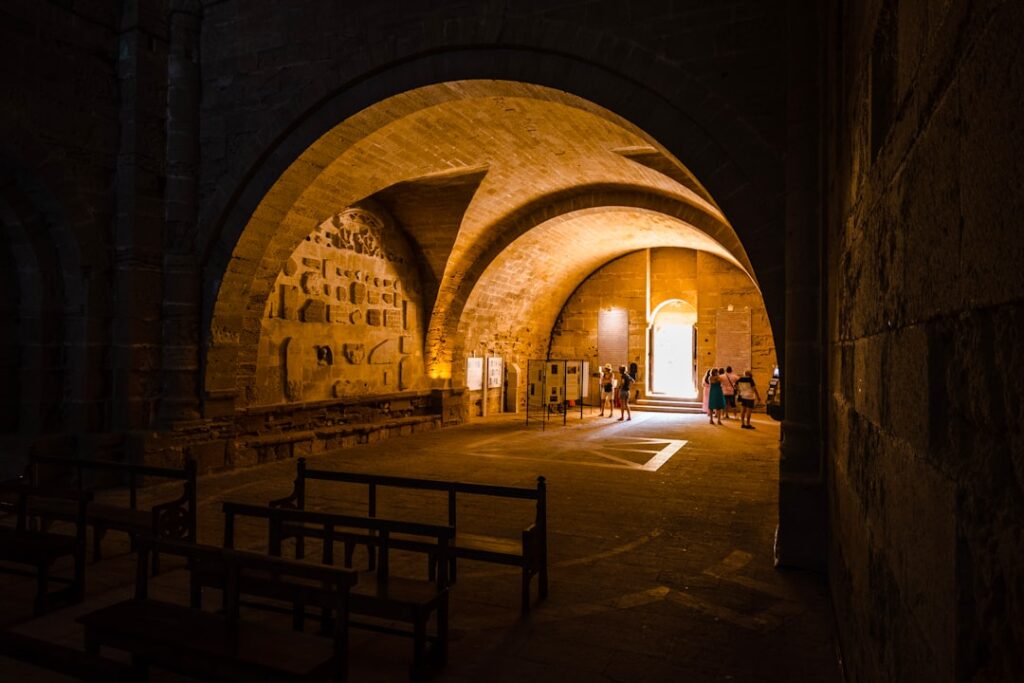
The visit takes you through a series of chapels and cavities where architectural fragments from different eras rest alongside medieval sarcophagi and relics tied to Saint Agatha. The atmosphere is solemn: lighting is dim, walls bear the marks of restorations, and niches hold small ex-votos and liturgical items. Floors can be uneven; ramps provide access to some levels but not all. Information panels are in Italian and often English; for a fuller experience, consider a guided tour of the Museo Diocesano, which sometimes includes the crypt.
Local tip: arrive early to avoid group tours and to enjoy softer light in the Duomo before heading underground. Observe any no-photography areas and politely ask staff if you wish to take pictures. If you’re particularly interested in Saint Agatha’s history, coordinate your visit with the Museo Diocesano (Piazza Duomo, 11) to consult archives and surface exhibits.
Catacombe dei Cappuccini: A Unique Funerary Experience
The Catacombe dei Cappuccini in Catania deliver one of the island’s most striking experiences. Located near the Capuchin convent, address: Catacombe dei Cappuccini, Piazza San Francesco d’Assisi, 95123 Catania CT, Italy. Hours: daily 10:00–13:00 and 15:00–18:30 (longer summer hours; sometimes closing at 17:30 off-season). Admission: €4.00 for general entry; guided tours by reservation: €12.00 per person (small groups).
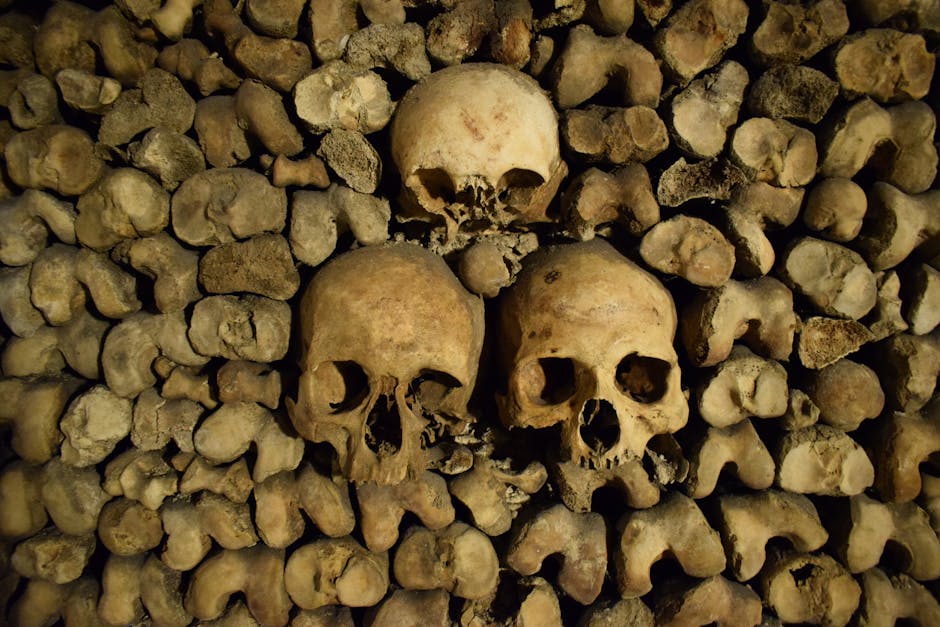
These catacombs, arranged by the Order of Friars Minor Capuchin, reveal galleries lined with tombs, burial niches and mummified bodies often posed in solemn attitudes. The funerary use of these spaces spans several centuries: local families, religious figures and notable personalities are displayed using traditional preservation techniques. The walls feature nameplates, ancient crucifixes and sometimes dried funeral wreaths. The visit is at once historical and emotional — expect a contemplative, sometimes unsettling atmosphere.
Practical advice: dress respectfully — avoid very short shorts or revealing tops — and speak softly. The catacombs can be cool and damp; bring a light layer. In high season, book a guided tour in advance (especially for groups): a knowledgeable guide will explain funerary customs and the preservation methods used by religious orders. Also, small altars with recent offerings are common: touch nothing and follow staff instructions.
Other Crypts and Underground Routes around Catania
Beyond the Duomo and the Capuchins, Catania and its surroundings hold other subterranean spaces accessible to varying degrees. These include parish crypts, convent basements and archaeological remains that feature in guided itineraries. Two sites deserve special mention to round out a themed route.
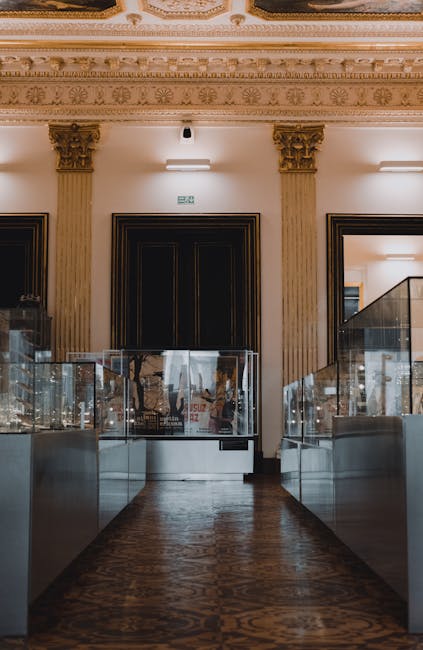
1) Museo Diocesano di Catania — Address: Museo Diocesano di Catania, Piazza Duomo, 11, 95131 Catania CT, Italy. Opening hours: Tuesday–Sunday 9:00–13:00 and 15:00–18:00. Price: €5.00 (sometimes includes access to the cathedral’s crypt). The museum gathers liturgical objects, ex-votos and documents that help explain local funerary practices. The archaeological reserve and archival material are must-sees for enthusiasts.
2) Cripta della Chiesa di San Benedetto and convent basements — Address: Chiesa di San Benedetto, Via Etnea, 300, 95129 Catania CT, Italy (church & convent, access varies with religious activities). While the church is best known for its Baroque cloister, themed guided tours occasionally grant access to historic basements and associated crypts. These tours are often special events organized by cultural associations; booking is strongly recommended. Indicative price for special visits: €8.00–€15.00 depending on the route.
Practical tip for planning: combine several sites into a half-day to make the most of your time — for example, start at the Duomo (crypt + Museo Diocesano), walk to the Catacombe dei Cappuccini, then explore the neighborhood and the Pescheria market. Check museum closure days (often Monday) and times of religious services which may limit access. Local associations (e.g., local guides, Coopculture) sometimes offer combined routes and multilingual audio guides.
Local Tips and Practical Info for a Calm, Respectful Visit
Visiting Catania’s crypts requires a few simple precautions to fully enjoy the experience while honoring the dignity of these places. Here are concrete recommendations drawn from visitors and locals alike.
- Booking and opening hours: Many crypts (notably the Catacombe dei Cappuccini) have limited slots for groups; book online or by phone. Hours may change around religious festivals (especially Saint Agatha’s feast on February 3 and the May celebrations), so check official sources.
- Dress and behavior: follow a respectful dress code (no tank tops or very short shorts in churches), keep voices low, do not touch ossuaries or displayed objects without permission, and respect any photography restrictions.
- Light and comfort: bring a small flashlight if you’re sensitive to darkness — although most tourist routes are lit, some corners remain dim. Wear closed, comfortable shoes: uneven floors, old steps and occasional dampness are common.
- Accessibility: access to crypts can be challenging for visitors with reduced mobility: check in advance. Some crypts have partial ramps but no elevators.
- Prices and payment: many sites accept cash and cards; however, for small chapels or private guided visits, carry some coins. Typical fees range from €3.00 to €15.00 depending on the type of visit.
Finally, favor guided tours if you want to dive deeper into the historical, anthropological and technical aspects of funerary practices: local guides bring anecdotes, identify notable people interred there and explain how architecture was repurposed after earthquakes. After your visit, take time to enjoy a granita nearby or wander the Baroque lanes — Sicily invites every discovery to be followed by a moment of tasting and contemplation.
Conclusion — Why These Crypts Are Worth Visiting
Catania’s hidden crypts form an essential chapter of Sicily’s urban and religious history. They show how local communities commemorated their dead, safeguarded relics and created sacred spaces beneath the city. Visiting them means not only appreciating old architecture and rituals, but also hearing echoes of the past that still resonate in stone corridors today.
Practically speaking, exploring the crypts pairs easily with a broader tour of Catania: Piazza Duomo and its market, Via Etnea’s cafés, the waterfront and, for the adventurous, an excursion up Etna. The practical data provided here — exact addresses, typical hours, prices in euros and local tips — will help you plan respectful and rewarding visits. Remember to check seasonal hours, dress appropriately and prioritize guided tours for deeper insight.
Crypts are sensitive, moving places: approach them with curiosity but also with awareness and respect. In return, they offer a unique, intimate and mysterious experience that deepens your understanding of Catania and Sicily. Whether you’re passionate about history, religious architecture or atmospheric places, Catania’s crypts await like underground pages of Sicily’s great book.