





Introduction
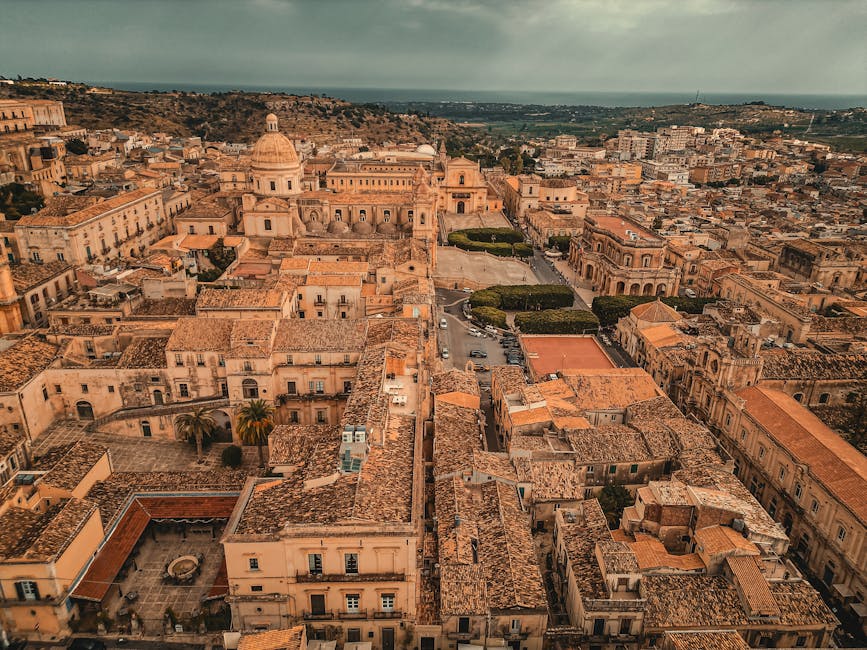
Noto, that small Baroque town tucked into southeastern Sicily, feels like a poem in stone written for Mediterranean light. Its sculpted facades, wrought-iron balconies, slender bell towers and rooftops overlooking the valley make it an endless playground for urban photographers. If you’re after strong lines, rich textures and dramatic contrasts, Noto delivers: every corner invites a fresh frame, every perspective reveals an ornament that tells the story of a 17th–18th century reinvented under the sun.
In this article I’ll guide you through the rooftops and Baroque vistas of Noto — a practical yet aesthetic handbook for traveling photographers. We’ll explain why Noto is ideal for urban composition work, map a walking route focused on elevated viewpoints, list specific sites and monuments (with addresses, opening hours and fees when relevant), and cover the technical and legal points you’ll need so you can shoot with confidence.
Shooting in Noto means learning to see the city on several layers: the overall silhouette (bell towers and rooftops against the sky), the mid-plane (facades, courtyards and balconies), and the details (stuccoes, masks, mascarons and floral decorations). You also have to work with a light that changes dramatically within minutes — the golden hour at dawn and dusk brings out the relief; noon flattens and emphasizes textures and hard shadows. Finally, you’ll be interacting with local life: markets, cafés, pedestrians, laundry drying, small terraces — living elements to weave into your frames to tell stories beyond architecture.
This guide includes essential practical info: exact addresses of monuments and buildings, opening hours and entrance fees where applicable, tips for accessing elevated viewpoints (roofs you can visit, public balconies, café terraces), camera kit and setting recommendations, and local rules about flying drones and permissions for shoots. Whether you’re shooting with a smartphone or carrying a pro kit with tripod and interchangeable lenses, you’ll find routes and tips here to make the most of your stay and bring back strong, crisp, characterful images.
The visual cues offered throughout will help you imagine typical compositions and spot interesting angles before you arrive. Wear comfortable shoes, be ready to step aside to avoid tourist groups at peak times, and above all bring time: the town is made for slow walking, with your eye alert and your camera within easy reach. Noto is a city to photograph in layers — from skyline to carved detail — and this article will give you the keys to decode and elevate it from its rooftops and Baroque perspectives.
Why Noto is a Baroque playground for photographers
Noto’s uniqueness starts with the stylistic unity of its urban fabric. After the devastating earthquake of 1693 the town was rebuilt following Sicilian Baroque principles: carefully arranged squares, façades with generous cornices, balconies supported by sculpted corbels, and narrow streets that play with folds and framing. This coherence gives photographers a consistent visual language, where the repetition of motifs (mullioned windows, pediments, volutes) lends itself to compelling thematic series.
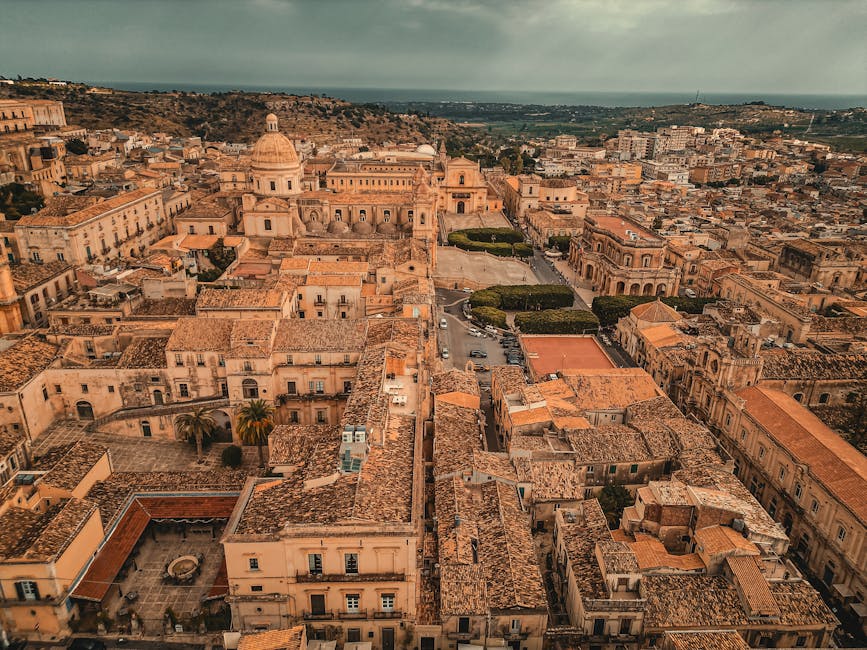
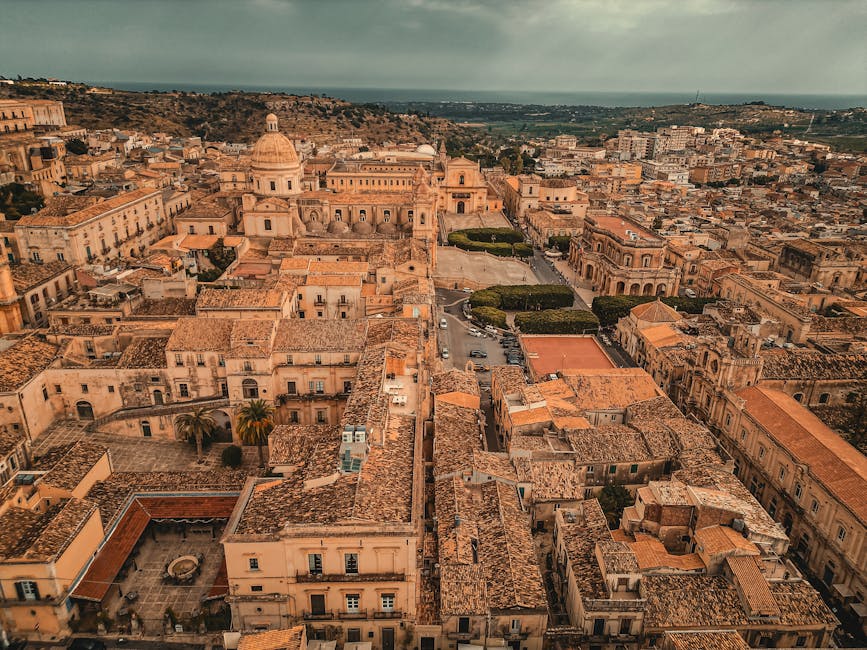
The roofs of Noto are a major asset: tiled roofs, shallow terraces, small inner courtyards and accessible attics. Seen from above the town becomes a patchwork of beige and ochre interrupted by spots of color (blue shutters, red doors, laundry drying). Bell towers — like the one of the Cattedrale di Noto — create vertical accents that break the horizontal rhythm of roofs and form strong leading lines for dramatic compositions. Baroque perspectives also play out through the interplay of light and shadow typical of southern Italy: cornices and mascarons carved by the sun gain extraordinary depth at sunrise and sunset.
Another advantage is the network of major squares linked by long avenues (Corso Vittorio Emanuele): these axes enable centered compositions where the eye is led toward a focal point — a church, a palace or a monumental stairway. Via Nicolaci, home to the famous Baroque balconies of Palazzo Nicolaci di Villadorata, is a textbook example where perspectives stack: curving streets, projecting balconies and sky in the background. These places work equally well in black & white (to emphasize texture) and in color (to capture the warmth of the stone and the hues of shutters).
Finally, Noto offers remarkable light economy: blue hour and golden hour last longer near the sea, marine haze can soften backlighting, and summer clouds produce high-contrast light perfect for dramatic scenes. All these factors make Noto a real laboratory to test framing, highlight and shadow control, and the integration of people into architectural shots. In short, Noto isn’t just beautiful — it makes images. It provides repeating motifs, powerful vanishing points and roofs that lend themselves to visual storytelling.
Rooftop and perspectives route: a one-day walking itinerary for photos
This walking itinerary is designed for a day focused on photographing rooftops and Baroque perspectives. It starts at sunrise and finishes at dusk, hitting several elevated vantage points and stops to capture different light conditions.
1. Start: Piazza XVI Maggio (market square) — position yourself on the terrace or the north side to capture the city waking up. Address: Piazza XVI Maggio, 96017 Noto SR, Italy. Recommended time: at dawn (around 06:00–08:00 depending on season). Price: free access. This square offers views of the market-front facades and openings into lanes that lead to the historic center. Use morning stalls for portraits of vendors and detail shots of local produce (citrus, cheeses, seafood).
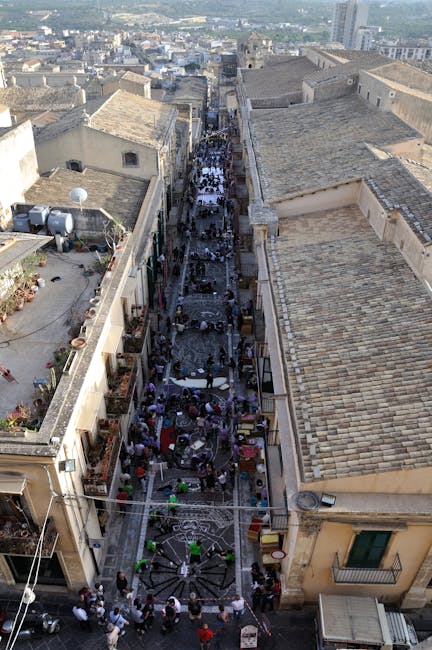
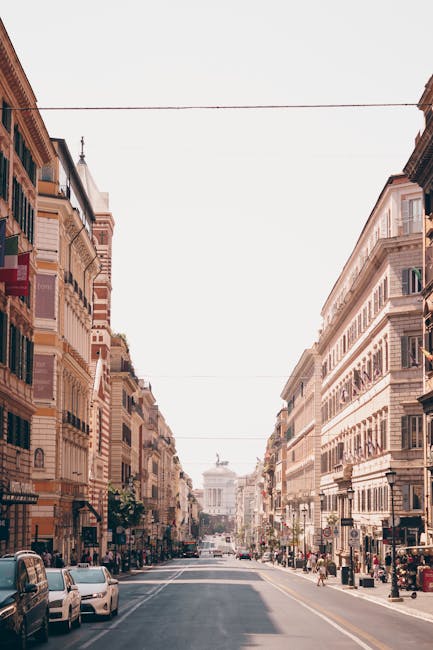
2. Head up to Corso Vittorio Emanuele — the main thoroughfare lined with the Cattedrale di Noto and several palaces. The Corso is long and allows for perspective shots with the cathedral as a visual terminus. Wander between the Corso and adjacent alleys to vary wide and tighter frames. Address for Corso: Corso Vittorio Emanuele, 96017 Noto SR. Hours: accessible all day. Price: free.
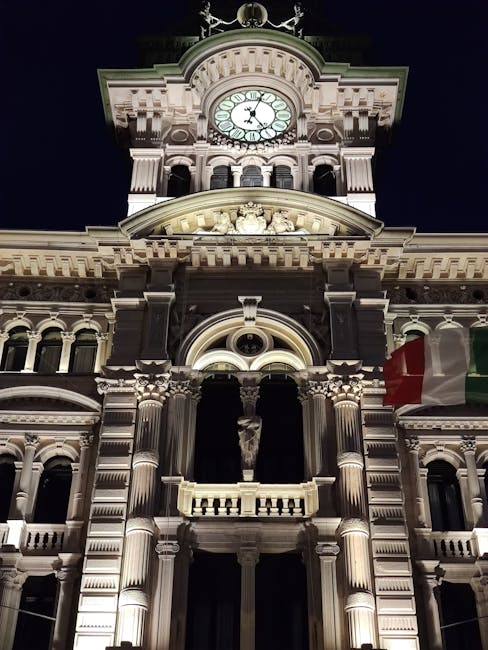
3. Palaces and balconies: Palazzo Ducezio (Piazza Municipio 10, 96017 Noto SR) — the town hall with its large terrace and rhythmical windows. Hours: the municipality is often open during the day, with occasional visiting times 09:00–13:00 and 15:00–18:00 (check with the ufficio turistico). Price: exterior access is usually free; guided interior visits may be possible by reservation (rates vary, €3–10). From the piazza, look toward the surrounding roofs and capture vanishing lines formed by the nearby streets.
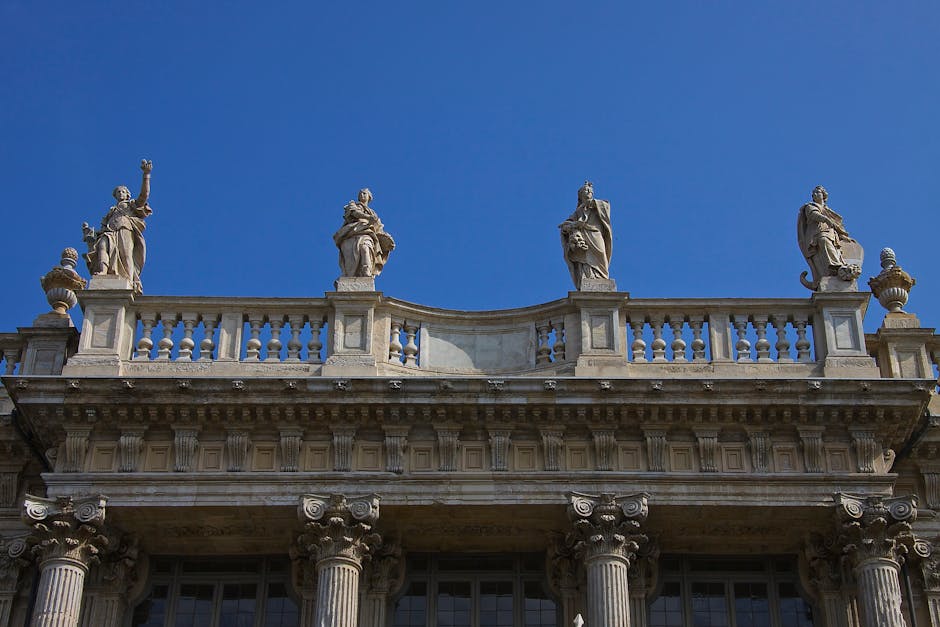
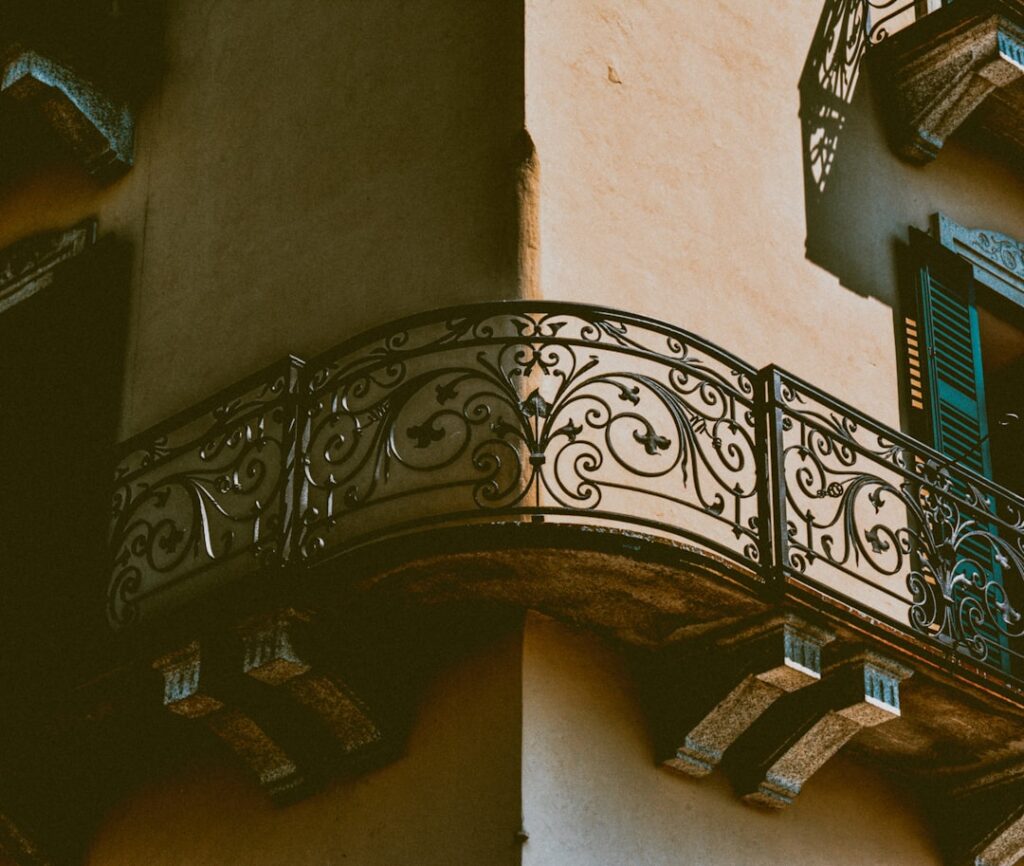
4. Palazzo Nicolaci di Villadorata — Via Nicolaci 22, 96017 Noto SR. Hours: usually open for visits 10:00–13:00 and 16:00–19:00 (seasonal variations). Indicative price: €4–8. The baroque balconies, supported by consoles carved with human and animal figures, are perfect subjects for close-ups. Great spot to study wrought-iron details and the shadows they cast across the narrow street.
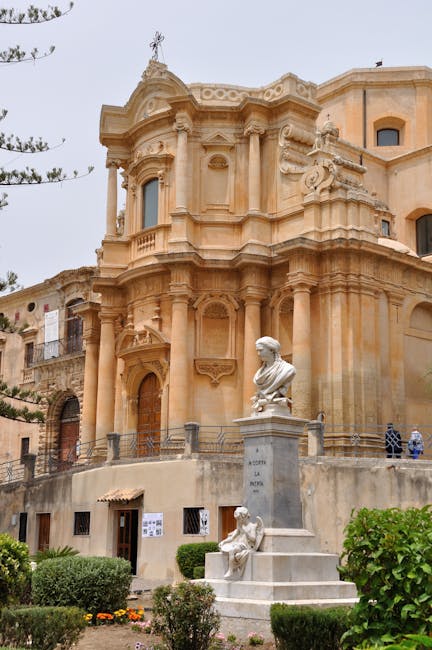
5. Church of San Domenico — Piazza San Domenico, 96017 Noto SR. The church and its convent offer relative elevation and a cloister to play with symmetry. Hours: around 09:00–12:00 and 16:00–19:00. Price: usually free (donations appreciated). From the raised forecourt you can frame the town and its roofs with the sea visible on a clear day.
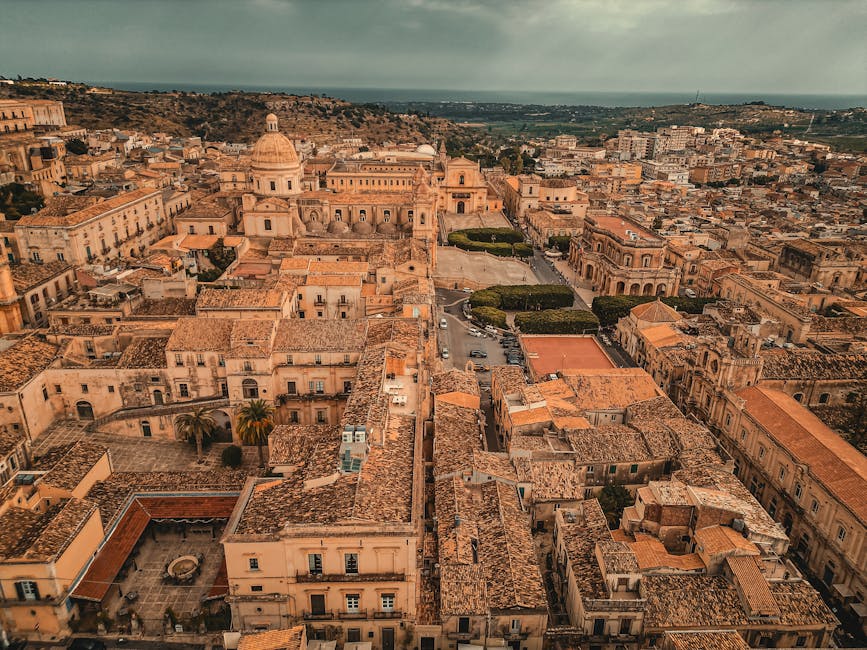
6. Belvedere di Noto panoramic terrace (or viewpoints along Via Kennedi) — for wide views of the Noto valley and the run of roofs. Useful address: Belvedere di Noto, Via Paolo Emiliani Giudici (various access points). Access: free. Best time: sunset. The panoramas highlight the urban layering and the transition from historic center to surrounding countryside.
7. End of day: return to Corso Vittorio Emanuele for blue hour shots and slow-shutter captures (light trails, lit streetlamps, lively cafés). For urban portraits, position subjects in front of a pale facade or an illuminated baroque stairway to get gentle contrast and a background rich in detail.
This route alternates elevated points and close-up passages, playing with different light qualities throughout the day. Bring water, spare batteries and an ND filter if you want to experiment with long exposures on quiet streets. Finally, contact the ufficio turistico di Noto (Via Luigi Pirandello 2, 96017 Noto SR; usual hours 09:00–13:00 / 15:30–18:30; local phone for inquiries) for event schedules or special permits depending on the season.
Specific viewpoints and places: names, addresses, hours and fees
To produce strong images it’s essential to know the exact locations and access conditions. Here’s a detailed list of must-see sites in Noto, with exact addresses, opening hours and approximate fees when relevant.
-
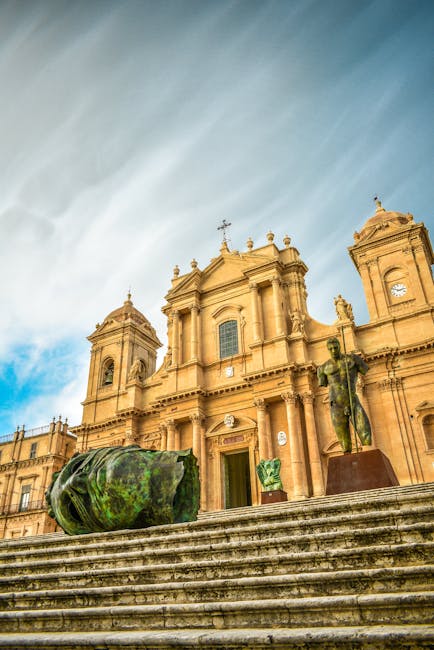
Cattedrale di Noto (Cattedrale Maria SS. del Rosario)
Address: Corso Vittorio Emanuele, 96017 Noto SR, Italy.
Hours: generally 08:00–12:00 and 16:00–19:00 (may vary around masses and religious events).
Price: free entry; voluntary donations for upkeep. Some areas or the bell tower may be charged during guided visits (about €2–5).
Description: an imposing Baroque façade with large volutes, columns and pediment. Ideal for frontal compositions and low-angle shots that emphasize verticality.
-
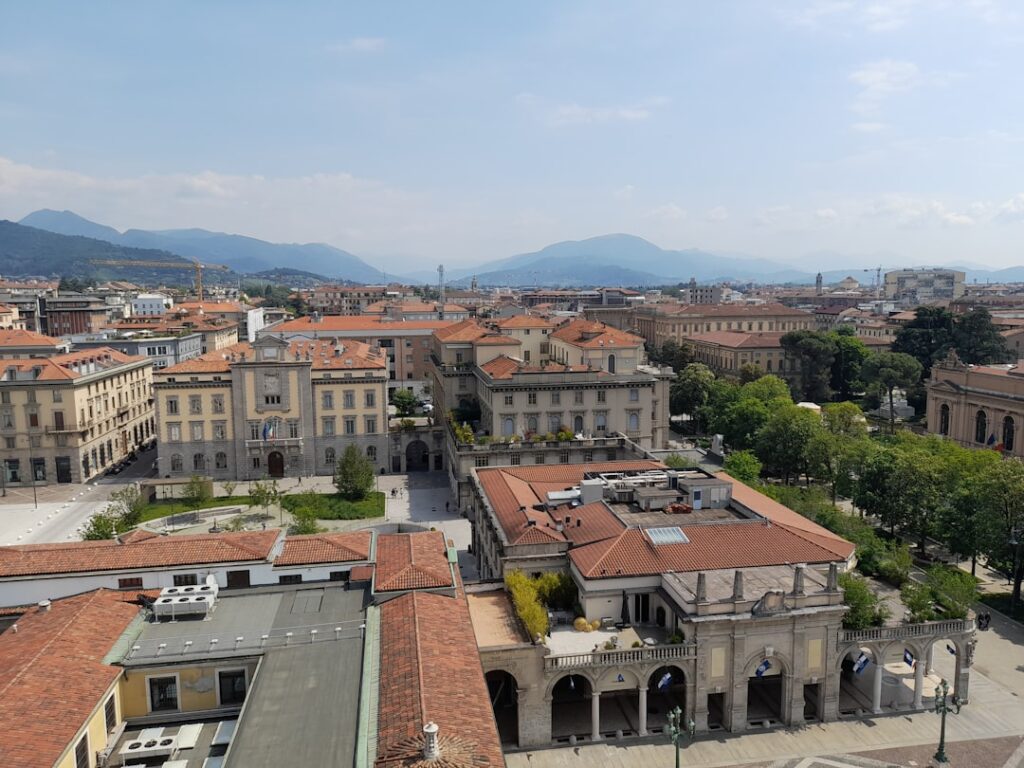
Palazzo Ducezio (Palazzo Comunale)
Address: Piazza Municipio, 10, 96017 Noto SR, Italy.
Hours: town hall open to the public on weekdays 09:00–13:00; the terrace is occasionally accessible for events and ceremonies (check at the desk).
Price: exterior access free; interior visits possible by reservation (€3–10 depending on the event).
Description: the big square offers a wide field of view over surrounding roofs and allows centered framing with the palace façade in the foreground.
-
Palazzo Nicolaci di Villadorata
Address: Via Nicolaci 22, 96017 Noto SR, Italy.
Hours: variable but often 10:00–13:00 and 16:00–19:00 (check the website or the ufficio turistico).
Price: paid entry, usually €4–8.
Description: famous Baroque balconies, carved consoles and mascarons; perfect for close-ups and shadow-play on the narrow street.
-
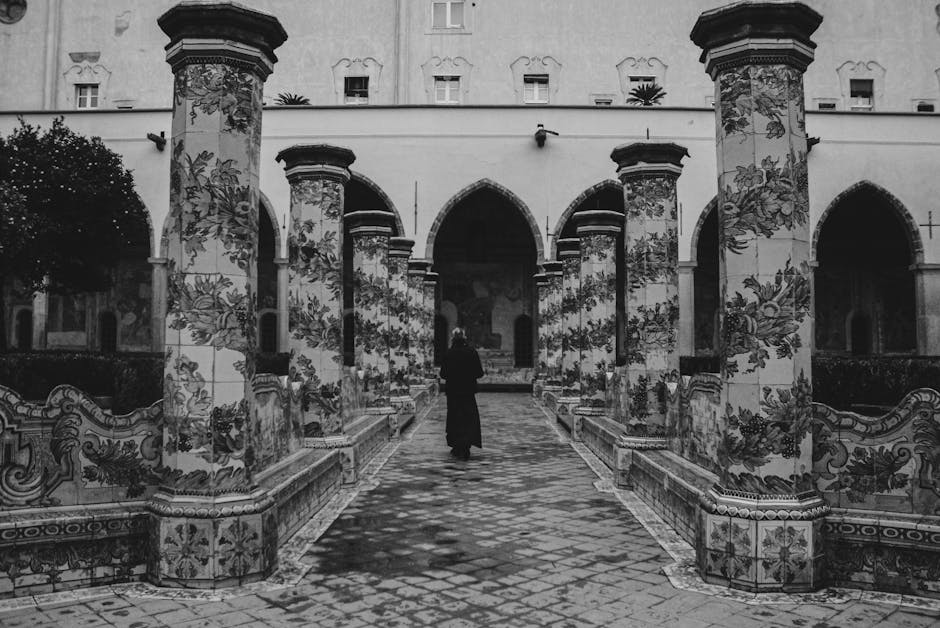
Chiesa di Santa Chiara
Address: Via S. Chiara 4, 96017 Noto SR, Italy (or near the Corso).
Hours: 09:00–12:00 and 16:00–19:00 (variable).
Price: usually free.
Description: a small church with cloister and inner courtyard; a good spot for centered compositions and light-play inside the cloister.
-
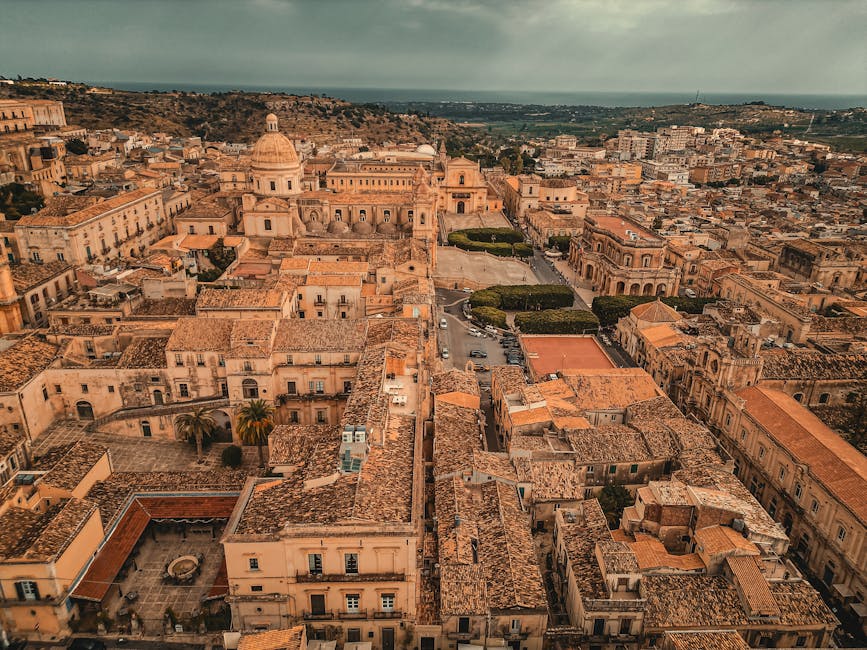
Belvedere di Noto (Panoramic viewpoint)
Address: several viewpoints along Via Paolo Emiliani Giudici and Via Kennedi, 96017 Noto SR.
Hours: free access 24/7; favor sunset through blue hour.
Price: free.
Description: panorama over the valley, the sea in the distance and the rooftops’ outline; excellent for wide shots and telephoto compression of urban elements.
-
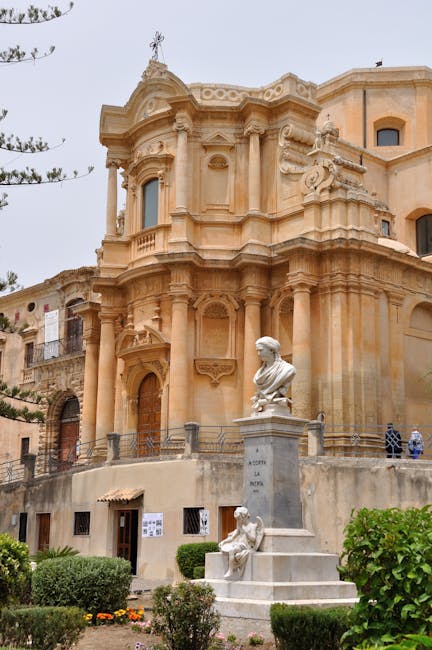
Chiesa di San Domenico
Address: Piazza San Domenico, 96017 Noto SR, Italy.
Hours: 09:00–12:00 and 16:00–19:00; check mass times.
Price: free entry (donations appreciated).
Description: a beautiful façade and raised forecourt; a great spot to combine architecture and people in a single frame.
-
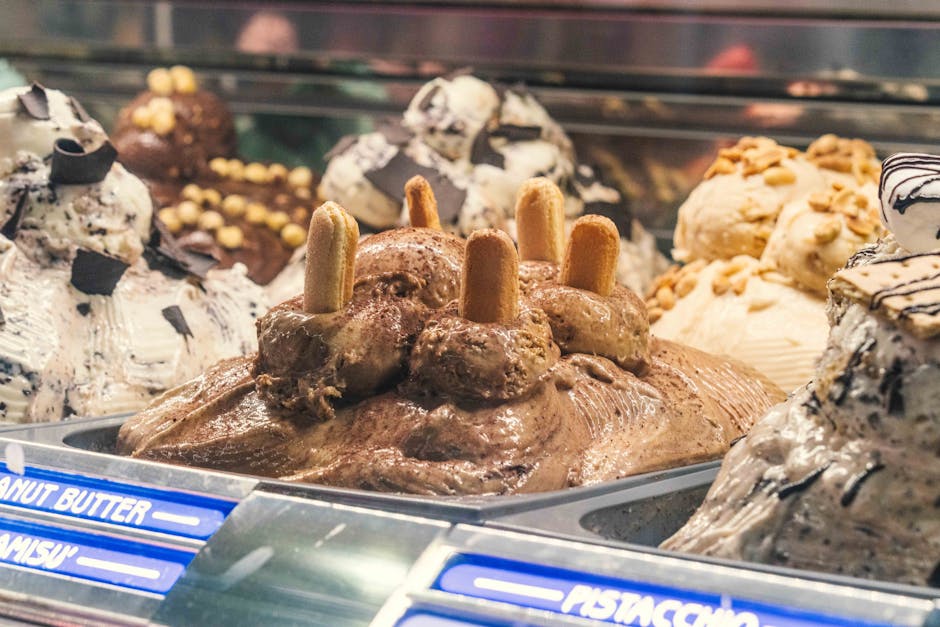
Caffè Sicilia (Gelateria e Pasticceria)
Address: Corso Vittorio Emanuele 125, 96017 Noto SR, Italy.
Hours: 08:00–20:00 (often later in summer).
Price: gelato €2–5, coffee €1.50–3.
Description: a local institution for a sweet break; its terrace is handy for photographing street life and capturing textures and colors (ice creams, pastries).
For interior visits (palaces and museums) it’s wise to check timings with the ufficio turistico di Noto or official sites, especially in the low season or around religious holidays when schedules can change. Always respect the sacred nature of churches: shoot discreetly inside and use flash only when explicitly allowed.
Technical tips, gear, timing and local rules
Recommended gear:
- A versatile camera body (APS-C or full-frame) to handle dynamic range and low light.
- Lenses: a wide-angle (16–35mm or equivalent) for facades and lanes, a short tele/standard zoom (35–85mm) for details and compression, and a telephoto (70–200mm) to isolate rooftop motifs or compress bell tower silhouettes.
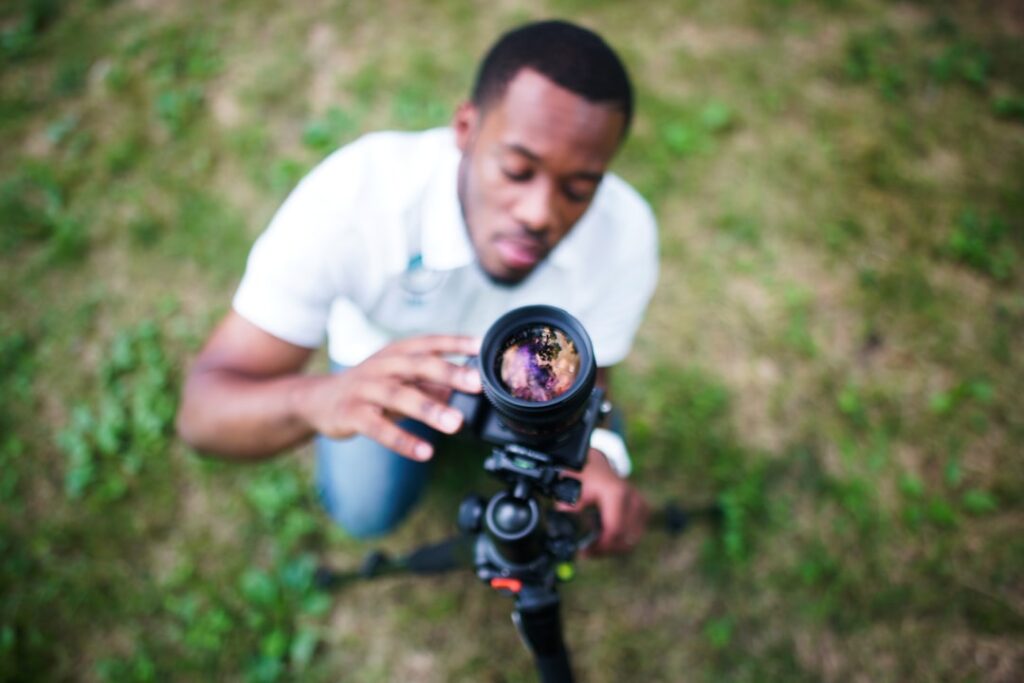
- A lightweight tripod for long exposures (blue hour, church interiors): avoid bulky tripods in narrow alleys; a folding monopod can sometimes do the trick.
- Filters: ND for long exposures by day, polarizer to deepen skies and reduce reflections on slightly glossy stone.
- Extra memory cards and spare batteries — a shoot day can be longer than expected.
Settings and techniques:
- For golden-hour shots: use aperture priority (around f/5.6–f/11) to balance depth of field and sharpness. Keep ISO low (100–200) for best quality.
- For bright-sun details: watch highlights, use the histogram and bracket exposures for HDR merging in post if needed.
- For night shots: long exposures on a tripod, aperture f/4–f/8 depending on the lens, ISO 100–400 to limit noise, and use a remote or timer to avoid vibration.
- Perspective control: a tilt-shift lens or perspective correction in post can be handy to straighten facades and reduce distortion from low-angle shots.
Timing and weather:
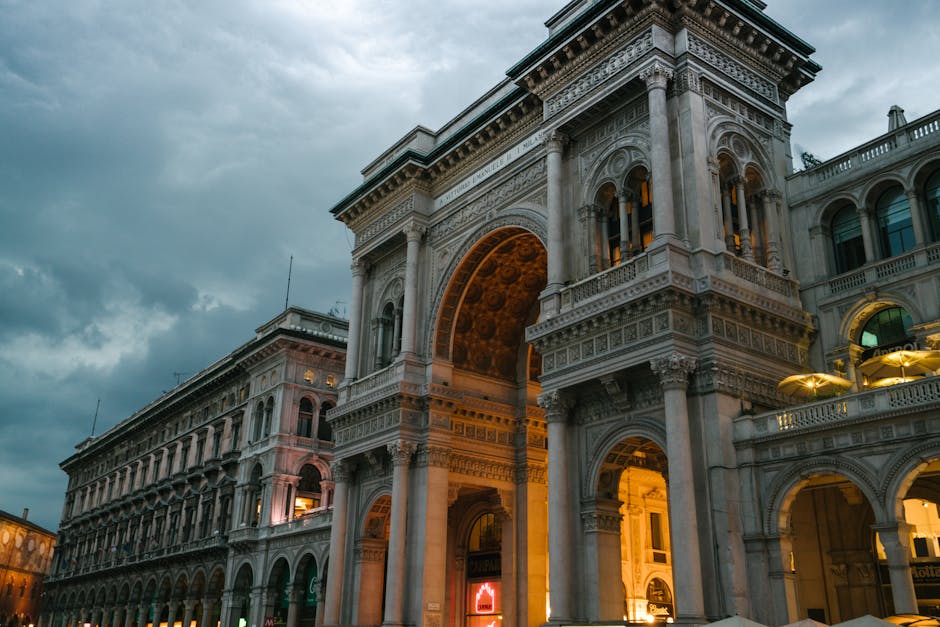
The best times for rooftop shots are golden hour at sunrise (about an hour after dawn) and sunset (about an hour before dusk). Blue hour after sunset is fantastic for images mixing urban lights and deep skies. Partly cloudy days produce dramatic shadows and strong contrast; clear days highlight the warm ochre of the stones.
Drones, permits and local rules:
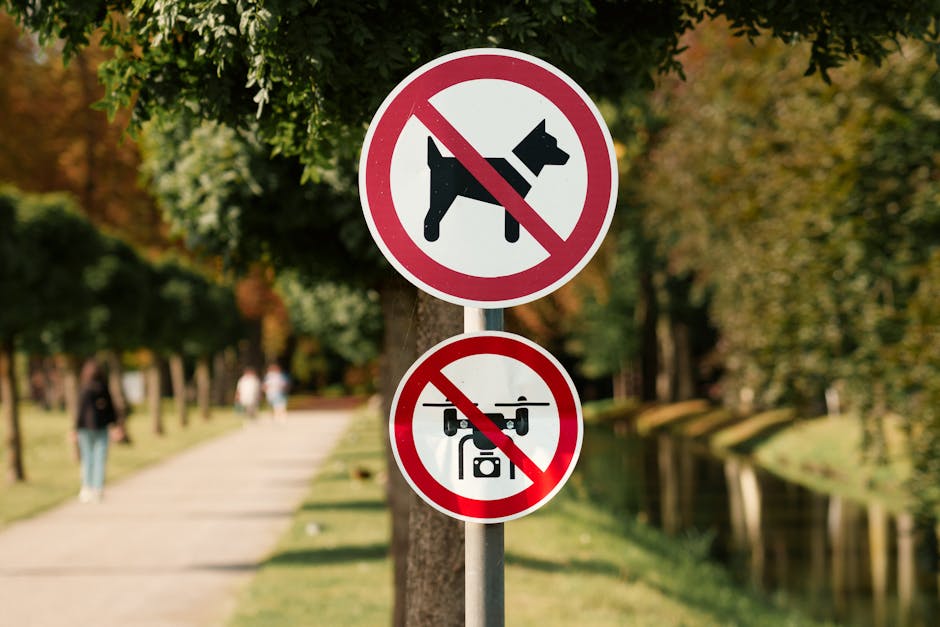
- In Italy, drone usage is regulated by ENAC (Ente Nazionale per l’Aviazione Civile). The historic center of Noto is typically an urban area where recreational flights are heavily restricted or prohibited without authorization.
- Before flying, check the ENAC app or website to see if the zone is subject to a no-fly restriction. Obtain the necessary permits and inform the town hall (Comune di Noto, Piazza Municipio 10) if you plan a professional shoot.
- Respect privacy and avoid flying over crowds. Fines for illegal flights in historic zones can be substantial.
Local practical tips:
- Take a coffee break at Caffè Sicilia (Corso Vittorio Emanuele 125) to sample gelato or pastries — a perfect moment for authentic street photos.
- Wear comfortable shoes: there are many cobbles and stairways. An ergonomic camera bag will make moving around easier.
- Respect mass days: some churches close temporarily for services. CHECK AHEAD the day before if you plan interior or bell-tower visits.
- If you’re looking for an accessible rooftop, politely ask owners of small guesthouses or restaurants: some terraces offer exceptional views in exchange for a reasonable purchase (around €10–20 for a drink/meal).
Conclusion
Photographing the rooftops and Baroque perspectives of Noto is more than chasing pretty images: it’s an immersion into a town that rewrote its landscape after the 1693 earthquake, carving stone into a sculptural language on a human scale. The ordered architectures, richly ornamented balconies, carefully composed squares and Mediterranean light form a coherent whole that gives photographers recurring motifs to explore and reinterpret.
Practically, vary your viewpoints: alternate wide shots from belvederes and terraces with close-ups of mascarons, corbels and wrought iron. Use golden hours to reveal facade relief, blue hour to capture urban atmosphere, and don’t forget to look for local life: market stalls, pedestrians on the Corso, café terraces — elements that give context to your images and tell the story of a lived city.
On the practical side, bring a minimum of appropriate gear (wide-angle, short tele, lightweight tripod), check monument hours and fees (Cattedrale di Noto, Palazzo Nicolaci, Palazzo Ducezio), and respect local rules, especially regarding drones and photography in places of worship. Don’t hesitate to contact the ufficio turistico di Noto for up-to-date information and to request permits or recommendations during your stay.
Finally, remember that the best photo of Noto isn’t necessarily the one that shows the grandest monument, but the one that captures an atmosphere — the softness of a morning, the texture of a balcony, the look of a resident on their street. Wander the lanes without rush, experiment with unusual framing, return to the same spots at different hours and let the town, stone by stone, reveal its Baroque perspectives. With patience, curiosity and respect, Noto will become an endless source of authentic, memorable images.