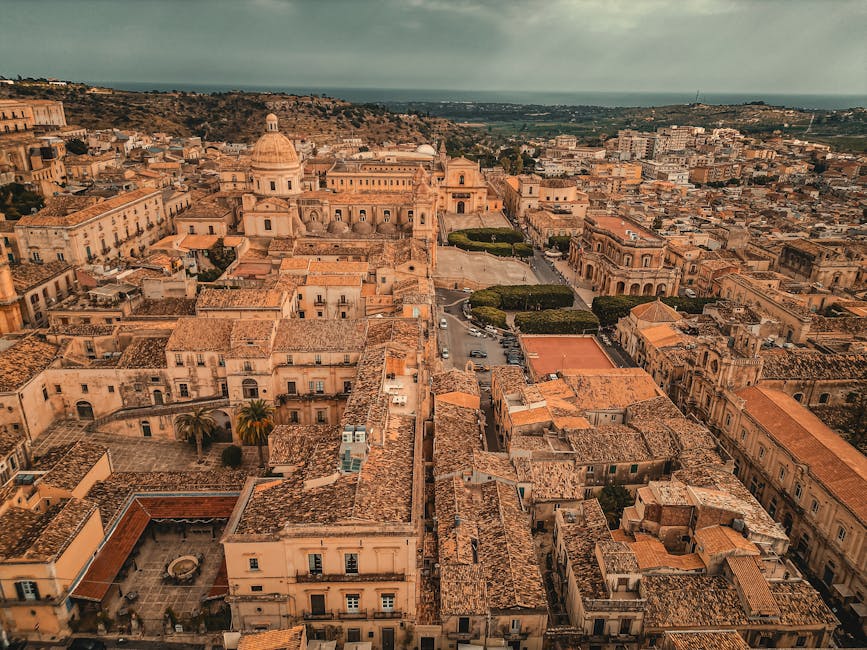






Introduction: Ragusa Ibla at dawn, a symphony of stone and light
Ragusa Ibla, the ancient heart of Ragusa in Sicily, is a Baroque maze shaped by centuries of history, art and everyday life. At dawn, long before tour buses arrive and cafés open, Ibla transforms: stones warmed by the previous day still give off a gentle heat, shadows stretch, and every cornice, staircase and church becomes a different painting depending on the angle of the light. This article invites you on an immersive early-morning stroll — not a mere checklist of monuments, but a sensory exploration of the frames and light-play that make this neighborhood so photogenic and so peaceful as the town wakes slowly.
Ragusa Ibla is famous for its late Baroque architecture — ornate façades, wrought-iron balconies, mascarons and volutes. But at daybreak the town reveals other faces: alleys where moss and little plants grow between the paving stones, stairways that capture oblique light and throw back golden flashes, painted doors whose pigments awaken in the coolness of the blue hour. Squares like Piazza Duomo or the Parrocchia di San Giorgio become silent stages where a bird’s song or the distant hum of a scooter feel like echoes from another century. For photographers, writers or travelers seeking calm, Ragusa Ibla at sunrise offers an endless palette of compositions and emotions.
This detailed guide will lead you to the landmarks — Duomo di San Giorgio, Giardino Ibleo, the Chiesa di San Giuseppe — but also to lesser-known nooks where morning light creates unexpected scenes. You’ll find exact addresses, opening times, practical info (entrance fees, accessibility, dress code tips for visiting churches) and suggestions for capturing the best contrasts and colors at dawn. Whether you’re an amateur photographer hunting the ideal hour to shoot the cathedral in backlight, a walker who wants to savor an espresso before the town stirs, or a curious traveler learning how light transforms Baroque architecture, this text is designed to guide you step by step.
Before you set out, pack a few simple but essential items: a light jacket for the cool hours before sunrise, comfortable shoes for uneven cobbles, and a headlamp if you plan to arrive very early in still-dark alleys. Above all, respect the peace of residents and places of worship: at dawn Ragusa Ibla is both a public space and people’s living space. Follow this guide to discover how the town metamorphoses under the first rays, and how every corner of stone turns into a perfect frame for a photo, a daydream or a lasting memory.
Dawn at the Duomo di San Giorgio: architecture, address and light
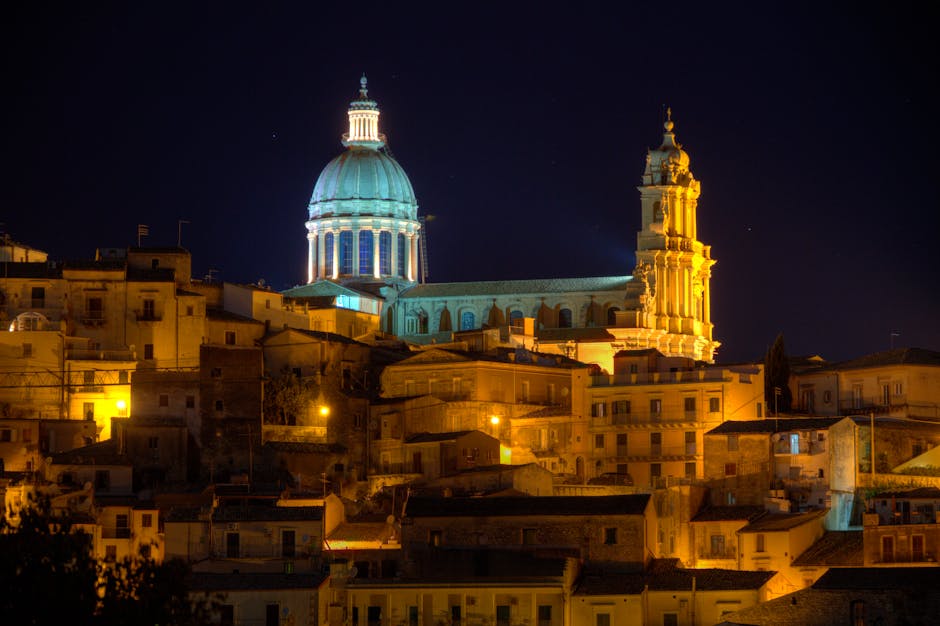
The Duomo di San Giorgio is arguably the most iconic image of Ragusa Ibla. Its monumental carved limestone façade rises over Piazza Duomo, offering a Baroque spectacle magnified by the first morning light. Exact address: Duomo di San Giorgio, Piazza Duomo, 97100 Ragusa RG, Italy. For early visitors the church is often partially open depending on service times; typical hours are usually 09:00–12:30 and 16:00–19:00, but it’s best to check the posted times locally or with the parish office as they can change with masses and celebrations. Entry to the nave is often free; however, guided tours or access to restricted areas (bell tower, sacristy) may require a fee — typically around €3 to €6.
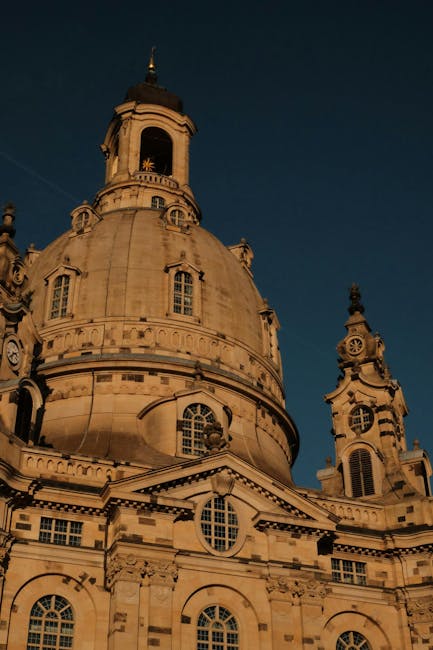
At dawn the Duomo’s façade catches the oblique eastern light, revealing reliefs and statues with rich contrast. The golden stone seems almost alive, and the columns carve out long, soft shadows. To photograph the façade, aim for the moments just before and after sunrise to get deep shadows and warm tones; during the blue hour the dome and bell tower silhouette strongly against a cerulean sky. Inside, light filtering through stained glass and side openings paints beams across stucco and paintings, creating an almost mystical atmosphere.
Practical tips: arrive before 07:30 in high season to avoid groups, or between 06:00 and 07:00 for near-total quiet. If you’re a photographer, a tripod is useful for long exposures at dawn, but be mindful of church rules (some venues prohibit prolonged tripod use during opening hours). If you want to climb the bell tower or access restricted parts, check with Parrocchia San Giorgio — the parish office is usually nearby in the same Piazza Duomo and can provide information about guided visits.
Baroque alleys and frames: balconies, stairways and small squares
Ragusa Ibla is defined by a network of narrow lanes, steep staircases and intimate small squares. These architectural elements form natural frames for watching morning light: every wrought-iron balcony, cornice and painted door becomes a subject in its own right. Wander streets like Via Francesco Mormina Penna, Via San Giorgio and Corso Italia (the main pedestrian arteries of Ibla) to explore these perspectives. Exact addresses vary by landmark, but the streets mentioned converge toward the historic core and are walkable from Piazza Duomo.
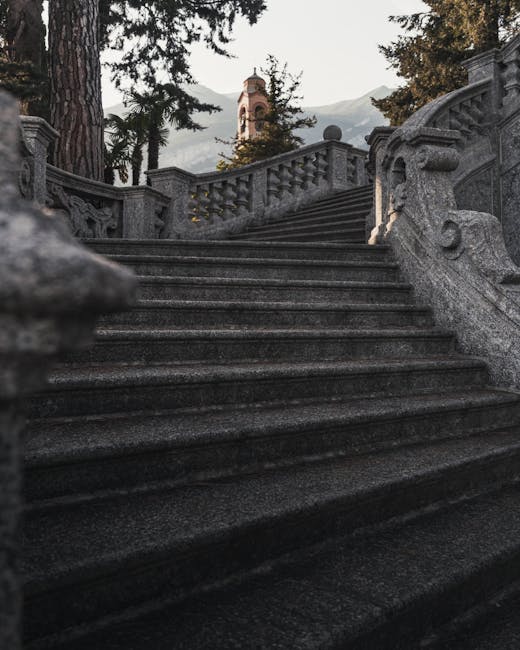
Stone stairways, often worn smooth by centuries of footsteps, take on a particular patina at sunrise. Steps catch side light, revealing textures and wear patterns, while angles cast graphic shadows. Balconies overlooking the lanes — many still with pots of flowers — make for compelling backlit scenes. For photographers, look for leading lines: a flight of steps leading to a colorful door, a balcony cut out against a patch of sky, or an old sign lit by a shaft of sunlight.
One spot not to miss is the small Piazza Pola, often quiet in the morning, where light dances between house façades and statues. Indicative address: Piazza Pola, 97100 Ragusa RG. Nearby you’ll find cafés that open early, some serving authentic espresso from about 07:00 for roughly €1–€1.50. The most photogenic hours for the alleys are generally between 06:00 and 08:00, when the light is soft and few people are about.
Local tips: walk slowly, explore without a strict route and pay attention to details (house numbers, knockers, frescoes, memorial plaques). Respect residents’ daily life — avoid intrusive photos of doorways if people are present. Wear shoes with good grip: cobbles can be slippery, especially if morning dew has dampened them. Finally, bring a small water bottle and a snack: the first cafés will be open but the wider tourist offering won’t appear until later in the day.
Giardino Ibleo and the viewpoints: greenery, panorama and framing
The Giardino Ibleo is a historic public garden offering panoramic views over the valley and the foothills surrounding Ragusa Ibla. Address: Giardino Ibleo, Corso XXV Aprile, 97100 Ragusa RG, Italy. Access to the garden is free and it’s generally open to the public throughout the day; in practice opening times vary by season and municipal maintenance, but you can stroll there at dawn. The Giardino Ibleo is an excellent starting point to observe the town from a panoramic angle, with shaded paths, pergolas and benches where you can sit and watch the light shift quickly at sunrise.
At dawn the garden’s vegetation catches the dew and droplets sparkle like pearls in the low light. The viewpoints along the garden offer exceptional framing: views over Ibla’s rooftops, the silhouette of the Duomo di San Giorgio, and the surrounding ravines that stage a dramatic horizon. The contrasts between stone and greenery, between the cool shadow under arcades and the golden façades bathed in sun, make ideal compositions for urban landscape photography.
The garden is also a good spot to wait for the best morning colors without being disturbed. Benches facing the panorama are popular with photographers, especially between 06:00 and 08:00 in summer when the air is clear and the light emphasizes the geological layers around the town. For an original framing, look for foreground elements: a branch, a fountain or a gate to add depth to your composition. If you plan a professional shoot, check with the municipality about any required permits.
Practical tips: bring a light windbreaker — the morning breeze at the viewpoints can be cool. Pack a wide-angle lens to capture the panorama and a telephoto to isolate architectural details in the distance. Respect opening hours and any fenced areas for garden conservation. Finally, take advantage of the proximity to then descend into the alleys and capture the transition of light from the open panorama to the intimacy of Ibla’s streets.
Shooting the light: techniques, framing and settings for dawn
Photography at dawn in Ragusa Ibla calls for a mix of technique and intuition. Low-angle light produces long shadows and strong contrast; mastering exposure, white balance and composition will let you convey the place’s unique atmosphere. Use a low ISO (100–400) to minimize noise, especially when light is soft but adequate. For dim scenes a tripod enables long exposures (1/4s to several seconds) without losing sharpness. Still, respect tripod rules in sacred or crowded places.
For sculpted façades like the Duomo di San Giorgio, emphasize reliefs with side light: position yourself at an angle to the façade to enhance shadows and reveal textures. Recommended settings include a moderate aperture (f/8–f/11) for sufficient depth of field and a shutter speed adjusted to available light. Indoors, to capture beams through stained glass, favor wider apertures (f/2.8–f/5.6) and raise ISO if necessary to preserve image quality.
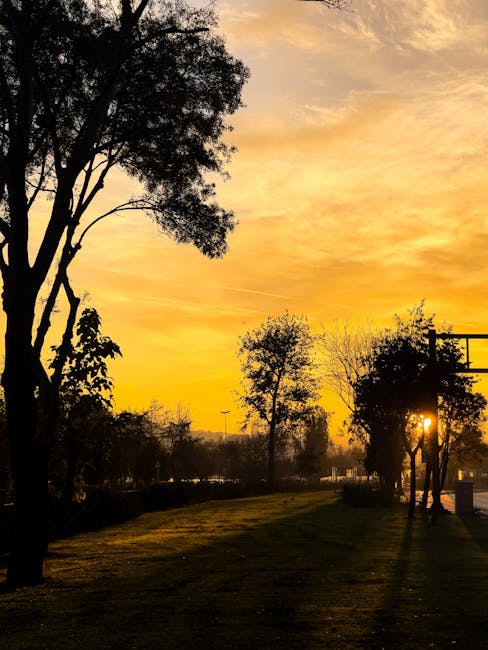
Narrow alleys provide chances to play with contrast between very bright zones and deep shadow. Try HDR (High Dynamic Range) by blending multiple exposures to render both bright skies and dark areas in a single image. Be careful not to overdo HDR — keep a natural look to preserve the atmosphere. Also experiment with silhouettes when the sun is low behind a bell tower or balcony — these make powerful graphic images.
Extra practical tips: clean your lenses — morning dew can leave droplets on glass. Carry a microfiber cloth for quick wiping. Shooting in RAW will let you recover a lot of detail in post without sacrificing color fidelity. Think about visual storytelling: combine wide shots (panoramas from Giardino Ibleo), medium shots (squares and façades) and close-ups (stucco details, knockers, textures) to tell a coherent story of Ragusa Ibla at daybreak.
Local practical tips: getting around, eating and respecting the place
Exploring Ragusa Ibla at dawn requires some preparation. The cobbled lanes are narrow and often uneven: wear comfortable, stable shoes. Public transport to Ragusa Ibla is fairly limited early in the morning; if you’re coming from Ragusa Superiore or other Sicilian towns, consider a taxi or an early transfer service. Parking near Ibla can be tricky; parking by the Belvedere or Corso Italia is convenient but watch signs and municipal rates: blue-zone parking may cost between €1.00 and €1.50 per hour depending on location and season.
For breakfast a few cafés open early to serve traditional espresso. Example prices: a simple espresso usually costs €1.00–€1.50, a sweet cornetto about €1.20–€2.50. If you want a heartier breakfast, some small restaurants and bars offer options from 07:30–08:00. Remember hours may be later off-season. If you’re after a specific coffee, ask for “caffè espresso, per favore” and know that Italians often drink espresso standing at the counter for a lower price.
Respect and behavior: Ragusa Ibla is a lived-in town. At dawn, residents may be starting their day (shopping, work, prayers). Avoid making noise, don’t block doorways, and ask before photographing people up close. When visiting churches, cover shoulders and legs out of respect for places of worship — some churches may deny entry to visitors who aren’t appropriately dressed. Bring a small headlamp if you arrive before sunrise; some alleys can be very dimly lit.
Safety and health: Sicily is generally safe for travelers, but take basic precautions: don’t leave valuables visible in your car, keep an eye on personal belongings while shooting, and always have a copy of your documents. In summer, the sun can be strong even early; protect yourself with a hat and sunscreen if you plan to spend hours photographing. Finally, check local tourist offices (for example the Ufficio Turistico di Ragusa in the city center) for morning events, temporary closures or seasonal recommendations.
Conclusion: holding the moment, between light and memory
Ragusa Ibla at dawn is more than a photographic destination: it’s a sensory experience where stone, light, waking sounds and daily life correspond to create a unique moment. The Baroque façades of Duomo di San Giorgio, the intimate lanes and the viewpoints of Giardino Ibleo are scenes where morning light sketches ephemeral frames to capture and savor. By adopting a slow pace, respecting residents and preparing your gear, you can enjoy an authentic immersion and return with lasting images and impressions.
As you explore, you’ll learn to read the town by the sun’s path: which spots to visit before sunrise, where to catch the first ray, the best compositions for shadows and silhouettes. Every corner of Ragusa Ibla holds surprises — a decorated door, a mossy staircase, a balcony that casts an elegant shadow on the stone — and all these small scenes gain poetry as day breaks. Traveling here at dawn means allowing time to reveal what the midday crowds often hide.
Finally, keep your curiosity and your respect. The most beautiful light is not always the first that hits, but the one you waited for, watched and understood. Whether you’re a photographer chasing the perfect frame, a walker craving morning silence, or a traveler attentive to the soul of a place, Ragusa Ibla will unveil itself slowly and generously. Take away not only images, but the memory of a moment when Sicily seemed suspended between stone and dawn — a memory that will, day after day, remind you of the fragile, luminous beauty of those Baroque mornings.