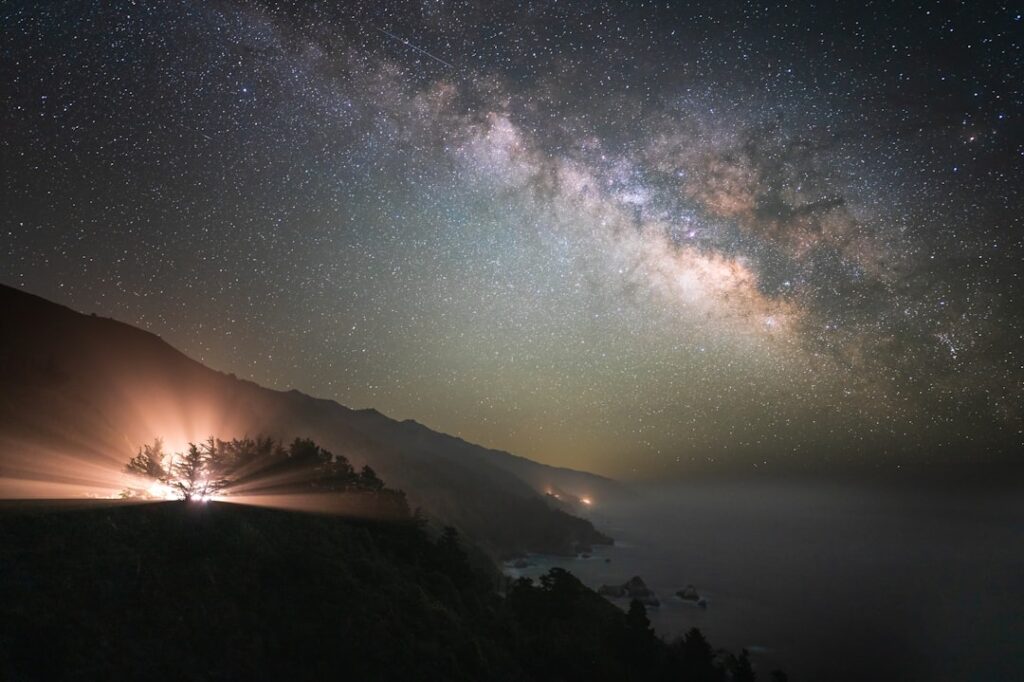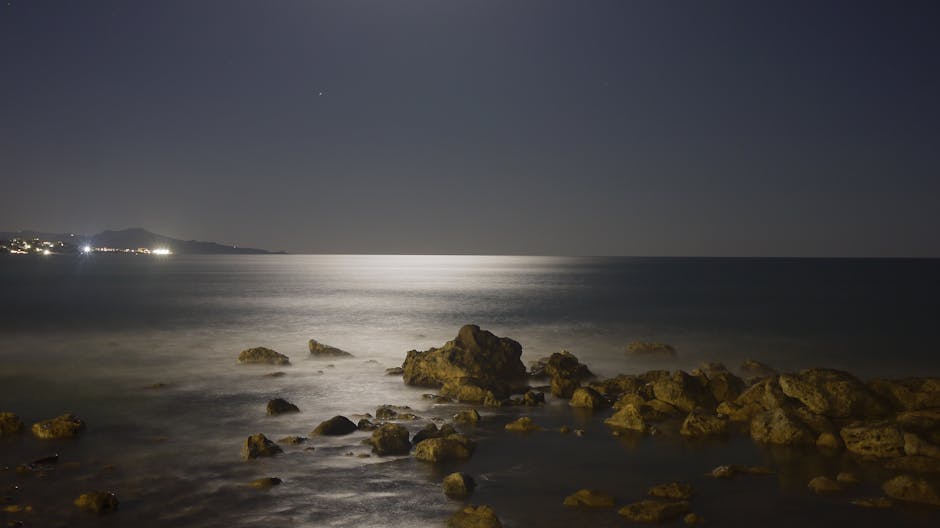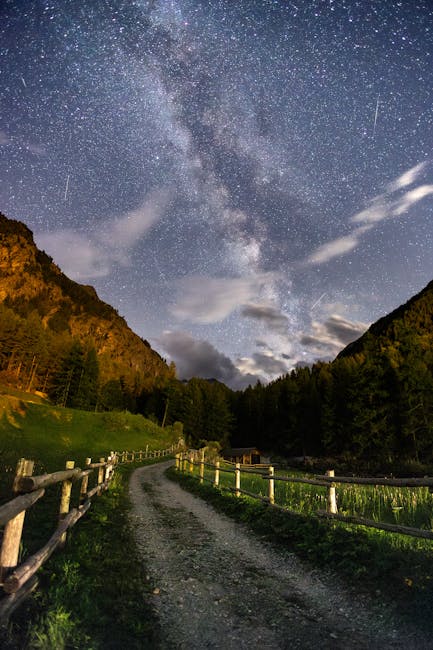






Introduction — Starry Nights in Sicily: a journey under a Mediterranean sky
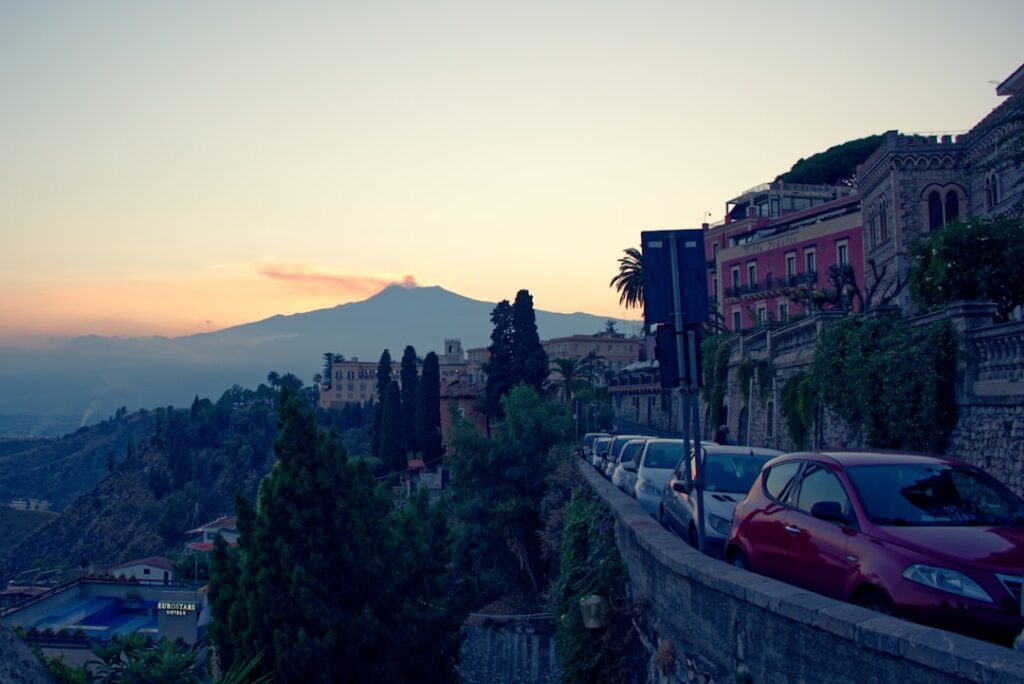
Sicily, the large island at the heart of the Mediterranean, offers much more than sun-drenched beaches and history-steeped towns: its nights are a dream for astrophotographers. Between volcanoes, secluded coastlines and nature reserves with very low light pollution, the island’s varied terrain creates truly unique celestial panoramas. Shooting the Milky Way from the slopes of Mount Etna, capturing star trails above the Scala dei Turchi, or seeing constellations reflected in the black waters of the Vendicari lagoons — these are all sensory experiences that require preparation, scouting and local knowledge.
This island, birthplace of civilizations and myths, features outstanding astrophotography sites: lunar-like volcanic heights, secluded coves in the southwest, and protected reserves where the lack of light pollution is almost surprising. But before you press the shutter, you need to understand local specifics: altitude, site orientation, tide times (for close shots with a maritime horizon), the seasons best suited to Milky Way visibility, and regulations when you’re inside a nature reserve or near a listed monument.
In this guide I’ll walk you through everything step by step: picking locations — with exact addresses, access fees and opening hours — recommended camera settings depending on gear (full-frame or APS-C bodies, wide-aperture prime lenses, focusing aids), practical tips (safety, transport, nearby places to stay), and tricks for making the most of local weather and astronomical conditions. Expect immersive descriptions that’ll help you not only find the perfect spot but also imagine the scene before you get there: the scent of scrubland at dusk, the cold bite of high-altitude wind on Etna, the sound of the sea breaking the silence on a moonless night.
Finally, because astrophotography in Sicily sometimes means planning ahead (booking a guide for Etna, respecting the opening hours of a nature reserve, checking seasonal closures), I’ll finish with logistical and safety recommendations. Whether you’re an amateur chasing your first Milky Way or an experienced shooter after dramatic panoramas, Sicily at night is an exceptional playground: follow the guide and pack your tripod.
The best places to capture the Milky Way and nebulae (detailed picks)
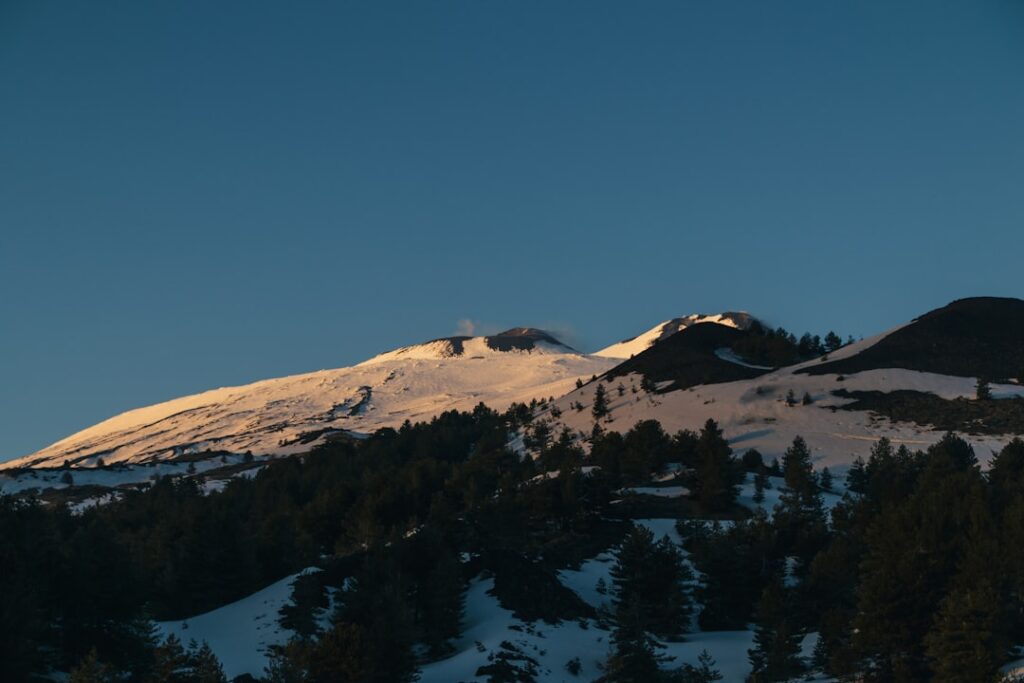
1) Rifugio Sapienza, South Etna — Address: Rifugio Sapienza, SP92, 95030 Nicolosi CT, Italy. Opening hours: accessible 24/7 (road access depends on weather); parking available at the base of the site. Price: cable car up to around 2,500 m about €30–45 round trip (rates vary by season), guided ascents extra €20–60. Description: The southern slopes of Etna offer wide open, high-altitude views ideal for reducing light pollution. The contrast between the crater’s silhouette and the Milky Way is spectacular. Tips: head up at dusk, dress warmly (wind and temperatures drop), check for park closures due to volcanic safety. Bring a red-headlamp to preserve night vision.
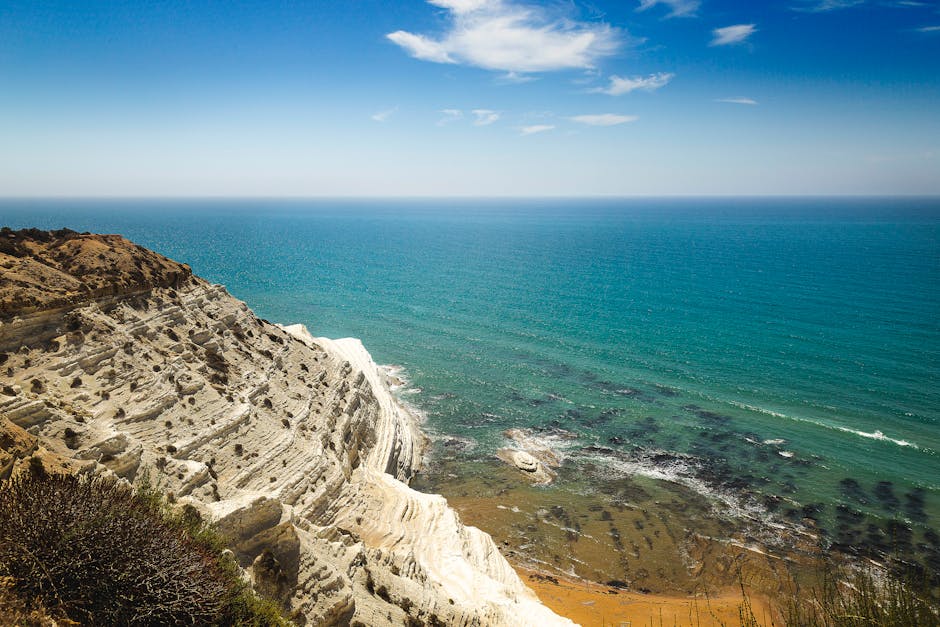
2) Scala dei Turchi — Address: Via Scala dei Turchi, 92010 Realmonte AG, Italy. Opening hours: public site accessible 24/7 (watch for local restrictions and seasonal pedestrian access windows); no entry fee currently but fines may be applied if access is forbidden. Description: This white clay cliff provides a dramatic foreground by the sea. The proximity to the horizon allows compositions with stars reflected on calm water or long exposures to capture star trails. Tips: favor moonless nights or the late night hours, wear slip-resistant shoes to reach rocky areas, avoid unstable cliff zones and obey closure signs.
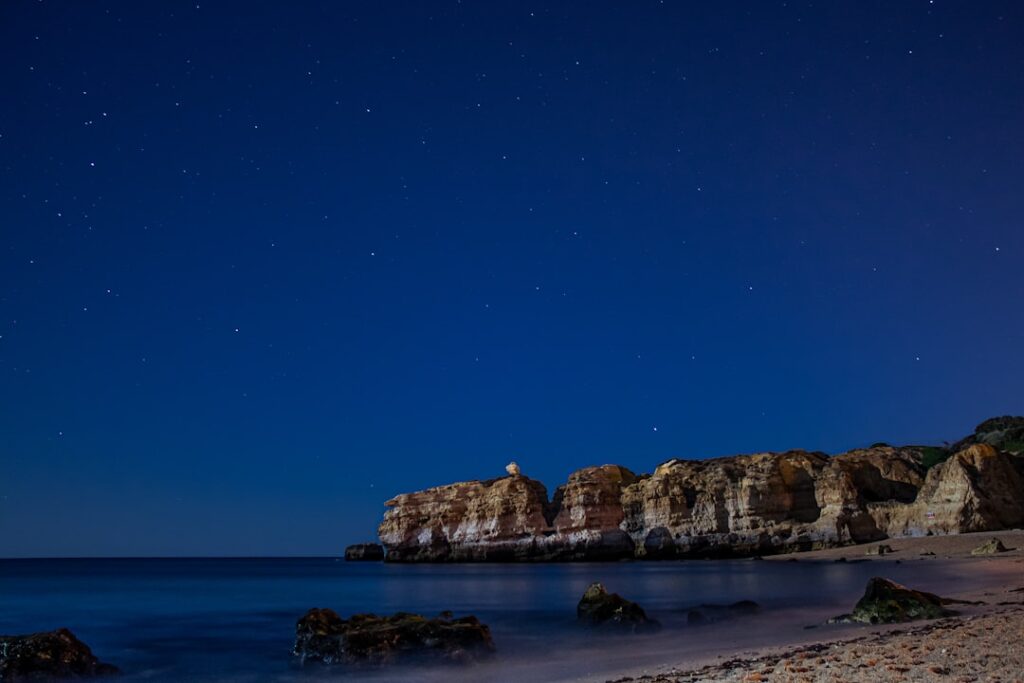
3) Riserva Naturale Orientata dello Zingaro — Address: Via del Tonnara, 91014 San Vito Lo Capo TP, Italy (main entrance and trail: Località Scopello / Tonnara di Scopello depending on your starting point). Opening hours: low season 8:30–17:00, high season 8:00–19:00 (check local calendar); Price: entrance about €5–7 per person (rates vary). Description: Coastal trails, secluded coves and an almost total lack of light pollution make this reserve a dream location. Reaching a headland at sunset lets you set up and wait for the stars to rise. Tips: bring a headlamp because of rocky paths; stick to trails to protect the flora; book lodging in Scopello or Castellammare del Golfo for a safe return.
4) Riserva Naturale Orientata Oasi Faunistica di Vendicari — Address: Via Villasmundo, 96017 Noto SR, Italy (Vendicari entrance – Torre Vendicari). Opening hours: 8:30–19:00 in high season, closed during some winter periods; Price: about €5 per adult (rates vary). Description: The lagoons and wetlands provide perfect reflections for astronomical compositions with a water foreground. Ideal for photographing the Milky Way mirrored on calm waters or including silhouettes of nocturnal birds in your frames. Tips: respect protected zones, use a moderate focal length (14–35 mm) to include both lagoon and sky, and avoid lights from observation posts at night.
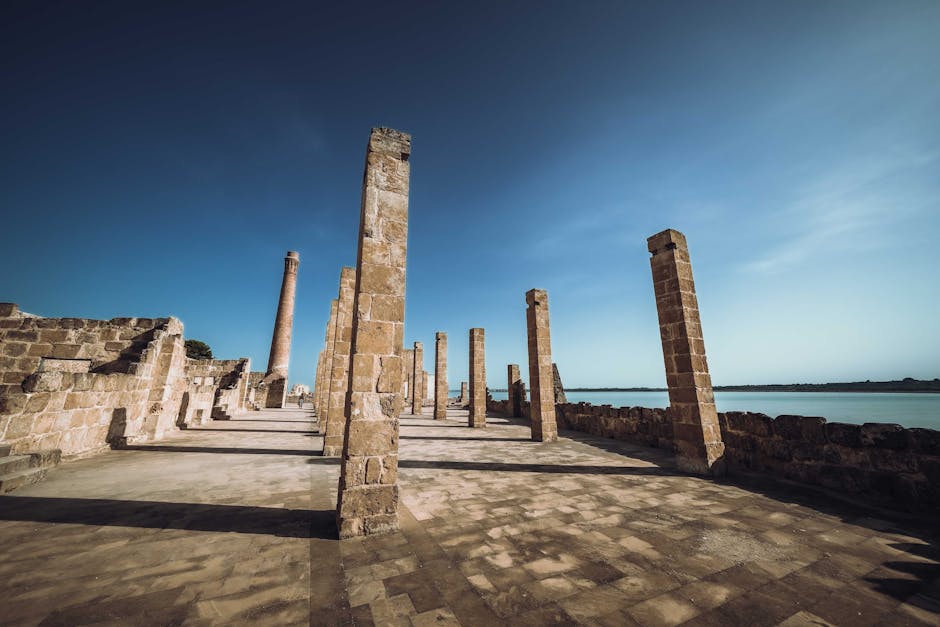
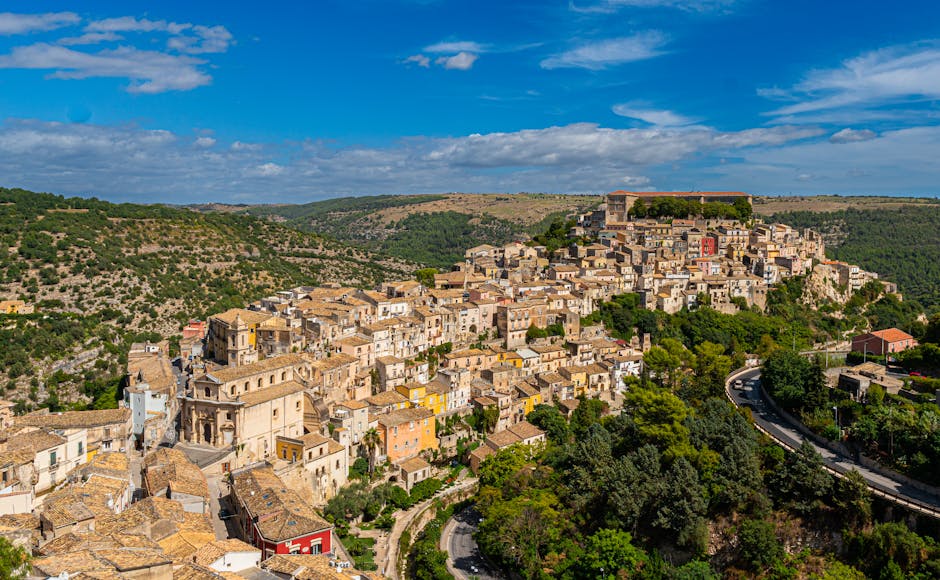
5) Ragusa Ibla — Address: Piazza Duomo, 97100 Ragusa RG, Italy (Duomo di San Giorgio). Opening hours: Duomo di San Giorgio open 8:00–20:00 depending on season; guided tours ~€3–5. Description: The baroque urban fabric of Ibla, with its narrow streets and viewpoints, lets you combine lit architecture with a starry sky background. Elevated spots like the Giardino Ibleo belvedere offer strong leading lines for nocturnal compositions. Tips: scout vantage points by day, use accessible rooftops of certain hotels, and keep ISO under control to balance urban lights and star detail.
Camera settings and technique for astrophotography in Sicily
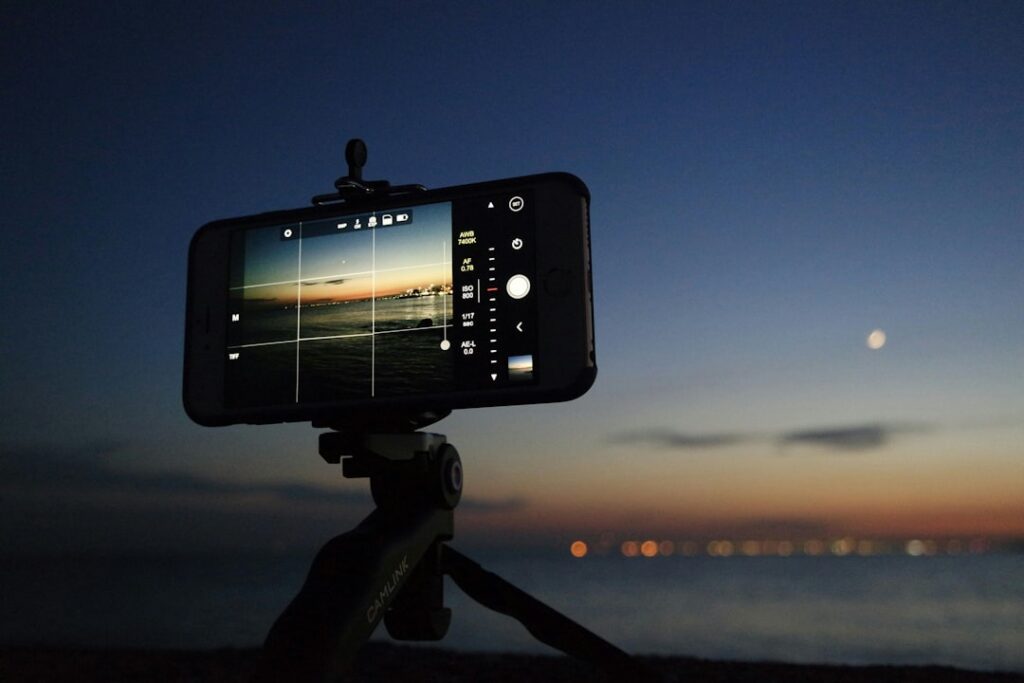
Recommended gear: DSLR or mirrorless body (full-frame preferred for better noise performance), bright wide-angle lens (14–24 mm f/2.8 or 20 mm f/1.8), sturdy tripod, remote shutter or intervalometer, spare batteries and a fast memory card. For longer focal lengths (keep a monument’s silhouette while capturing stars), bring a 24–70 mm or 70–200 mm lens for short tracked exposures manually or use a star tracker if available.
Basic settings to adapt to your kit:
- Aperture: as wide as possible (f/1.4–f/2.8) to collect more photons.
- ISO: 1600–6400 depending on sensor performance; run test exposures to balance noise and signal.
- Shutter speed: use the 500 rule / (focal length × crop factor) to avoid star trailing: for example, at 20 mm on full frame → 500/20 ≈ 25 s. On APS-C with a 1.5× crop, use 500/(20×1.5) ≈ 17 s.
- Focus: manual focus to infinity or, better, on a bright star using live view magnified 10–20×.
- RAW format: essential for post-processing (white balance, noise reduction, shadow recovery).
Advanced techniques:
- Stacking: take many short exposures (30–100) and stack them to reduce noise and reveal nebula detail.
- Nocturnal panoramas: shoot overlapping frames to cover a wide portion of the Milky Way and stitch them in post.
- Light painting: use a red LED to gently illuminate a foreground (e.g. the white erosion at Scala dei Turchi) without overpowering the sky.
Local factors to consider: altitude (higher = cleaner atmosphere), coastal humidity (can create halos or lens condensation), wind (tripod stability), and light pollution from cities like Palermo, Catania or Syracuse. Use observation apps (Stellarium, PhotoPills) to know the Milky Way’s position, moon phases and when the galactic core will be high relative to your chosen site.
Local practical tips, safety and logistics for a successful night shoot
1) Transport and access: a car is the most practical way to reach isolated spots. Renting a car in Catania (Catania-Fontanarossa Airport, Via Fontanarossa, 95121 Catania CT) or Palermo lets you explore widely. For Mount Etna, prefer a 4×4 in winter and check cable car and shuttle schedules (Rifugio Sapienza). Tip: check parking restrictions and be aware of fines for parking in prohibited areas.
2) Accommodation: stay close to your chosen spot to minimize late-night returns — for example Nicolosi for Etna, Realmonte for Scala dei Turchi, Scopello or Castellammare del Golfo for Zingaro, and Noto for Vendicari. Book ahead in high season (July–August).
3) Safety: always tell someone your route, carry a first-aid kit, water and food, and avoid solo trips into very remote areas unless experienced. Respect nature reserve regulations (no camping, no fires), and pay attention to local signage. Some areas have nighttime closures; check with local tourist offices before heading out.
4) Local respect: leave no trace, take your rubbish with you, use a red light to protect wildlife and other astronomers. If photographing religious sites, respect opening hours and local decency norms. Finally, support the local economy by eating and drinking at small bars and trattorias — it helps the community.
Recommended routes and optimal timing (seasons and moon phases)
Best times: March to October for Milky Way visibility (peak height around May–July), with warm nights that favor observation. Ideal conditions are moonless nights (new moon) and times of low humidity (spring, early summer and dry autumn). In winter, when the air is dry and clear, nights can be very crisp, but cold at altitude becomes a factor.
Sample 4-day itinerary:
- Day 1 — Catania/Nicolosi: scout and shoot at Rifugio Sapienza to photograph the crater and the Milky Way (expect cable car/guide requirements).
- Day 2 — Syracuse/Val di Noto: cultural day, night at Vendicari Reserve for lagoon reflections and stars.
- Day 3 — Agrigento/Scala dei Turchi: sunset then long-exposure night on the white cliff.
- Day 4 — Castellammare del Golfo/Scopello: sunrise and wrap-up in the Riserva dello Zingaro if weather permits.
Bookings: for Etna, reserve ascents and guides through local offices or the Etna park website; for reserves, check with the Trapani or Syracuse tourist offices about nighttime access rules. Use marine weather apps and light pollution maps (LightPollutionMap) to plan your nights.
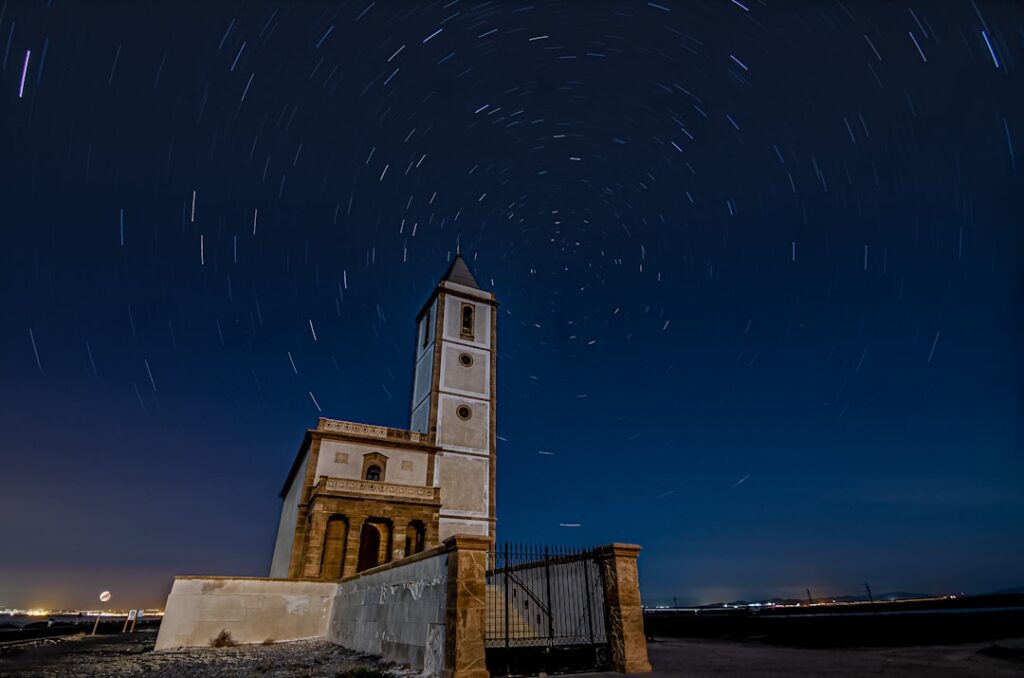
Conclusion — Taking Sicily with you beyond the image
Shooting Sicily’s nights means immersing yourself in a landscape where geological and human history meet the starry vault. Each site has its own personality: Etna imposes volcanic verticality, Scala dei Turchi plays the mineral-and-marine contrast, and the nature reserves offer a wildlife and botanical frame that complements the celestial dimension. The technical and logistical tips in this guide — exact addresses, hours, indicative prices, basic and advanced settings — will let you approach night shoots with confidence and efficiency.
Sicily asks for respect: following rules, protecting nature and supporting local communities ensures access to these unique places for future generations. Practically, good preparation (check moon phases, weather and light pollution), suitable equipment (bright lens, stable tripod, spare batteries) and choosing the right spot for the season will produce images that tell not only the story of the sky but of the place as well. Don’t forget that astrophotography is as much a contemplative practice as a technical one: take time to listen to the night, feel the wind, study silhouettes and let natural light guide your compositions — these are the things that turn a great photo into an unforgettable memory.
Finally, share your images with local and online communities, contribute to preserving these spaces and promote respectful tourism. Sicily offers nights of incredible visual richness — prepare your gear, pick your spots carefully, and let the Sicilian starry sky reveal its magic beyond the lens.